Pelvic Floor Therapy After Childbirth: Who May Benefit and What Recovery Looks Like

The pelvic floor can be stretched, weakened, or tense after pregnancy and childbirth. Therapy may help with bladder leakage, pelvic heaviness, pain, painful intercourse, and bowel symptoms.
Key Takeaways
- The pelvic floor can be stretched, weakened, or tense after pregnancy and childbirth.
- Therapy may help with bladder leakage, pelvic heaviness, pain, painful intercourse, and bowel symptoms.
- Recovery is individualized and often includes education, breathing, posture, and targeted exercises rather than only Kegels.
- Early assessment can be helpful, especially after difficult delivery, perineal tears, or ongoing symptoms.
- Most postpartum pelvic floor problems can improve with guided care and time.
Pelvic floor therapy after childbirth is a structured form of rehabilitation that can help many women recover strength, coordination, and comfort after pregnancy and delivery. It may be useful for symptoms such as urine leakage, pelvic pressure, pain, and difficulty returning to exercise or daily activities.
Overview: What pelvic floor therapy after childbirth means
Pelvic floor therapy after childbirth is a form of rehabilitation focused on the muscles, connective tissues, and nerves that support the bladder, uterus, bowel, and pelvic organs. During pregnancy and vaginal or cesarean birth, these tissues work under significant pressure and may become weak, stretched, overactive, painful, or poorly coordinated. Therapy aims to restore function in a safe, step-by-step way.
Many people think postpartum recovery is mainly about rest and waiting for the body to heal on its own. Natural healing is important, but some symptoms can persist without targeted support. Pelvic floor therapy is designed to address common concerns such as leakage with coughing or exercise, pelvic heaviness, lower back or pelvic pain, constipation, and discomfort during sex.
This therapy is usually provided by a trained pelvic health physiotherapist or another qualified clinician. Treatment may include education, breathing strategies, posture and movement coaching, scar care, bladder and bowel habits, and exercises to improve strength or relaxation. In some cases, the goal is not to tighten the pelvic floor but to help it release and coordinate better.
Pelvic floor problems after birth can overlap with related conditions such as urinary incontinence or pelvic organ prolapse. A proper assessment helps identify what is contributing to symptoms and what kind of recovery plan is most appropriate.
Who may benefit from postpartum pelvic floor therapy
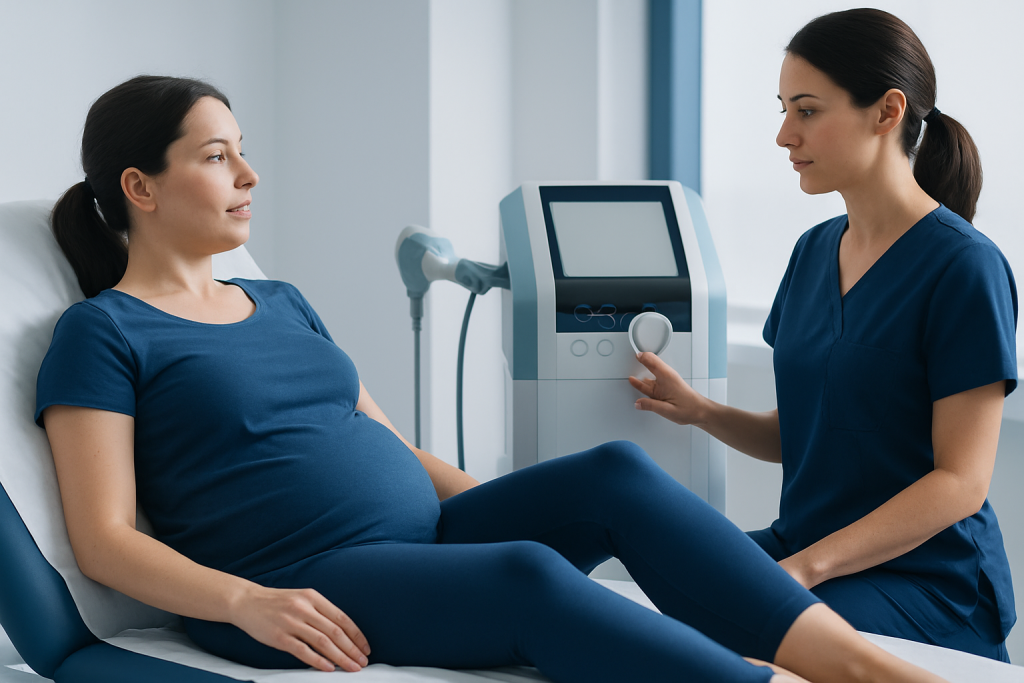
Pelvic floor therapy may benefit anyone who has given birth and is experiencing symptoms that affect comfort, confidence, or daily life. This includes women after vaginal delivery and after cesarean birth, because pregnancy itself can place strain on the pelvic floor and abdominal wall. Some women seek therapy because of symptoms, while others choose it preventively after a challenging pregnancy or birth.
Common reasons to consider an evaluation include urine leakage, trouble holding gas or stool, pelvic pressure or a feeling of bulging, pain in the pelvis, hips, tailbone, or lower back, and pain with intercourse. Women who feel weak in their core, notice abdominal separation, or struggle to return to walking, running, or lifting may also benefit from targeted guidance.
Certain birth experiences may increase the need for assessment. These can include a long labor, forceps or vacuum-assisted delivery, a large baby, significant pushing, episiotomy, third- or fourth-degree perineal tears, or persistent scar discomfort. Therapy can also be helpful after cesarean birth for abdominal scar mobility, posture, breathing mechanics, and core reconditioning.
Even when symptoms seem mild, an early conversation with a qualified clinician can be useful. Some women assume leakage or pelvic discomfort is simply a normal part of motherhood, but these symptoms are common rather than something that must always be accepted. Early rehabilitation often makes recovery clearer and more manageable.
Common symptoms and signs to watch for
Postpartum pelvic floor symptoms vary widely. Some women notice obvious bladder leakage when they laugh, sneeze, cough, or exercise. Others feel a heaviness in the pelvis, as if something is dropping or pressing downward. Some experience pelvic pain, vaginal pain, tailbone pain, or discomfort in the lower abdomen and back.
Bowel changes can also point to pelvic floor dysfunction. These may include constipation, straining, incomplete emptying, or difficulty controlling gas. In some cases, the issue is not just weakness but poor muscle coordination, meaning the pelvic floor does not relax at the right time during a bowel movement.
Sexual symptoms are another important reason to seek help. Pain with penetration, vaginal dryness-related discomfort, fear of pain, or a sense of tightness can all affect intimacy and emotional wellbeing. A sensitive, individualized pelvic floor treatment plan can address these concerns while respecting postpartum healing and personal comfort levels.
Symptoms to mention to a doctor or pelvic health therapist include:
- Urine leakage or sudden strong urges to urinate
- Pelvic pressure, bulging, or heaviness
- Pain in the pelvis, vagina, perineum, abdomen, back, or tailbone
- Constipation or difficulty emptying the bowel
- Painful intercourse
- Difficulty returning to exercise or lifting
- Ongoing weakness or poor core control
Why these problems happen after pregnancy and birth
Pregnancy changes the body in ways that can affect pelvic support and muscle control. Hormonal shifts increase tissue laxity, the growing uterus places added pressure on the pelvic floor, and posture and breathing patterns often change over time. These factors can influence the pelvic floor even before labor begins.
During vaginal birth, the pelvic floor stretches considerably to allow the baby to pass. Muscles and connective tissues may become strained, and some women may develop nerve irritation, scar tissue, or tears that need extra time and rehabilitation. In other women, the muscles become guarded and tight rather than weak, especially after pain, trauma, or difficult healing.
Cesarean birth does not eliminate pelvic floor issues. Women who have had a cesarean may still have pelvic pressure, bladder symptoms, or core weakness because pregnancy itself affects these structures. In addition, abdominal surgery can influence movement patterns, scar mobility, and the coordination between the diaphragm, abdominal wall, and pelvic floor.
Risk can be influenced by multiple factors, including previous pelvic floor problems, chronic constipation, repeated heavy lifting, obesity, connective tissue differences, and high-impact exercise too soon after delivery. A family history of prolapse or a history of urinary tract infection symptoms that overlap with bladder irritation may also complicate the picture, which is why an accurate assessment matters.
How diagnosis and assessment are done
Diagnosis begins with listening carefully to symptoms and understanding the pregnancy, labor, and postpartum history. A doctor or pelvic health physiotherapist may ask about delivery details, tearing, cesarean incision healing, bladder and bowel function, pain, sexual health, exercise goals, and how symptoms affect everyday life. This discussion helps guide the next steps.
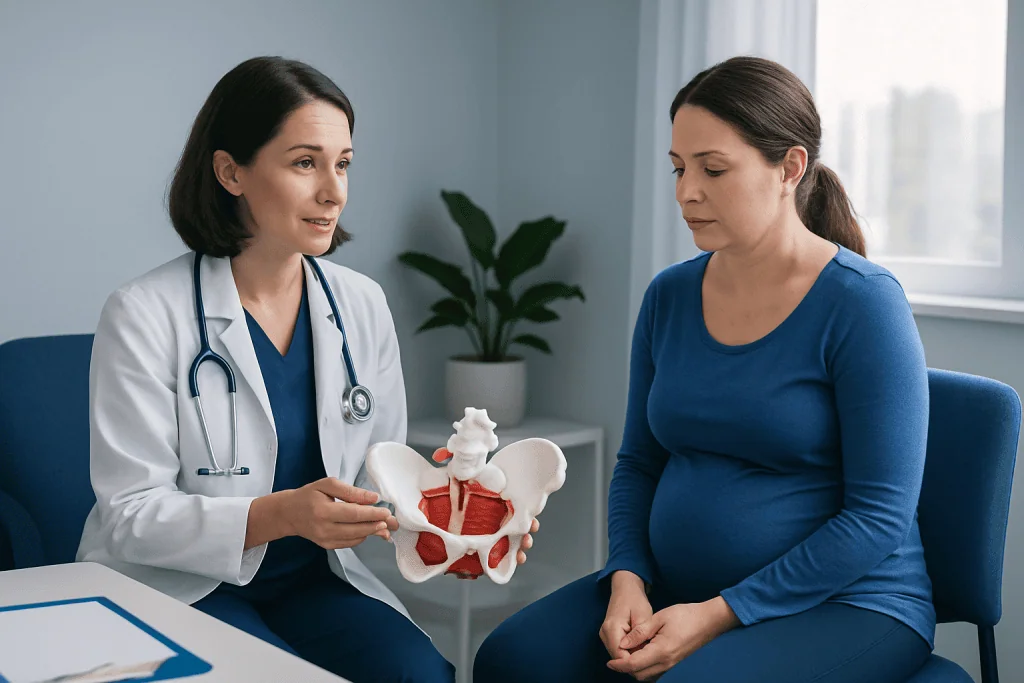
A physical assessment may include posture, breathing patterns, abdominal wall function, mobility, scar evaluation, and hip or back movement. Depending on the woman’s symptoms and comfort, an internal pelvic exam may also be offered to assess muscle strength, endurance, tenderness, relaxation, and coordination. Consent and comfort are essential, and evaluation can be adapted if someone is not ready for internal examination.
Some women may need additional medical evaluation to rule out infection, significant prolapse, retained postpartum issues, nerve injury, or other gynecologic or urologic conditions. If symptoms are severe or persistent, clinicians may coordinate care with gynecology, urology, colorectal specialists, or rehabilitation experts.
Assessment is important because not all postpartum symptoms have the same cause. For example, one woman with leakage may need strengthening, while another may need relaxation and retraining. A tailored plan is often more effective than trying unsupervised exercises alone.
What treatment and recovery usually look like
Pelvic floor therapy is individualized, and recovery usually happens gradually. Treatment often begins with education about normal healing, symptom tracking, and practical strategies for lifting, coughing, feeding positions, bowel habits, and returning to daily movement. This foundation can reduce strain and help the body recover more efficiently.
Exercise is often part of treatment, but it is not limited to Kegels. A therapist may teach pelvic floor contractions if weakness is present, or relaxation work if the muscles are too tense. Many plans also include diaphragmatic breathing, deep core retraining, glute and hip strengthening, posture work, and progressive return to walking, lifting, and sport. For some women, guidance from physical therapy and rehabilitation is especially helpful when pelvic symptoms are linked with back, hip, or abdominal weakness.
Hands-on techniques may be used when appropriate. These can include scar mobilization after cesarean or perineal tears, soft tissue work, stretching, and down-training for painful muscle tension. Bladder training and bowel retraining may be recommended when urgency, frequency, constipation, or straining are part of the problem. If symptoms suggest a broader pelvic health issue, evaluation by specialists in gynecology or urology may be advised.
Recovery timelines vary. Some women notice early improvement within a few weeks, while others need longer rehabilitation depending on symptom severity, sleep, tissue healing, breastfeeding-related hormonal effects, and daily demands. Progress is rarely perfectly linear, but gradual gains in comfort, control, and confidence are common when therapy is consistent.
Self-care, prevention, and returning to activity safely
Healthy postpartum recovery includes rest, patience, and gradual rebuilding. Simple self-care measures can support therapy, such as avoiding constipation, staying hydrated, using good toilet habits, and exhaling during effort when lifting a baby or carrier. Many women benefit from learning how to manage pressure through the abdomen and pelvis rather than pushing through strain.
Returning to exercise should be progressive. Walking is often a useful first step, followed by targeted strengthening and low-impact activity as tolerated. High-impact exercise, heavy lifting, or intense abdominal training too soon may worsen symptoms in some women. It can help to view fitness as a phased return rather than a race to regain a previous level.
Kegels can be helpful, but they are not the answer for everyone. Doing them incorrectly or doing too many when the pelvic floor is already tight can increase discomfort. A therapist can show how to contract, relax, and coordinate the muscles correctly and how to combine this with breathing and movement.
Women should also pay attention to emotional recovery. Ongoing symptoms can feel discouraging, embarrassing, or isolating, especially when they interfere with caring for a newborn. Supportive, evidence-based care can reassure women that these concerns are common and often treatable. Near the end of the care pathway, some international patients may choose assessment and treatment at Acibadem International, where multidisciplinary specialists in JCI-accredited hospitals provide postpartum and pelvic health care.
When to see a doctor or pelvic health specialist
It is reasonable to seek help whenever postpartum pelvic symptoms are bothersome, persistent, or limiting. A woman does not need to wait until symptoms become severe. Early support may make recovery more comfortable and help prevent patterns of straining, pain, or muscle guarding from becoming more established.
Medical review is especially important if there is significant pelvic bulging, severe pain, fever, heavy bleeding, burning with urination, new weakness or numbness, stool leakage, or a wound or scar that is not healing well. These symptoms may need prompt assessment to rule out complications or conditions beyond routine postpartum recovery.
A woman should also consider evaluation if symptoms continue beyond the early postpartum period, return when exercise is resumed, or affect intimacy, sleep, confidence, or mental wellbeing. Ongoing bladder leakage, constipation, or pain are all valid reasons to ask for help.
Postpartum recovery is not the same for everyone. A qualified doctor or pelvic floor therapist can help determine whether symptoms are part of expected healing, whether rehabilitation is needed, and how to return safely to daily life, work, and exercise.
Frequently asked questions
When should pelvic floor therapy start after childbirth?
Timing depends on the type of birth, symptoms, and healing, but many women can discuss pelvic floor concerns early in the postpartum period. Formal therapy often begins once a clinician confirms that healing is progressing appropriately, though advice on breathing, bowel habits, and gentle recovery strategies may start sooner.
Is pelvic floor therapy only for women who had a vaginal birth?
No. Pregnancy itself places stress on the pelvic floor, abdominal wall, and posture, so women who had a cesarean birth may also benefit. Therapy can address bladder symptoms, pelvic pressure, scar discomfort, and core recovery after either type of delivery.
Are Kegel exercises enough for postpartum recovery?
Not always. Some women need strengthening, but others need help relaxing tight or painful pelvic floor muscles. A proper assessment can show whether Kegels are useful, how to do them correctly, and what other exercises or strategies are needed.
Can pelvic floor therapy help with painful intercourse after birth?
Yes, it may help when pain is related to pelvic floor tension, scar sensitivity, dryness-related guarding, or fear of pain. Treatment can include relaxation techniques, scar care, breathing work, gradual desensitization, and education, but it is important to rule out other medical causes with a doctor if pain persists.
How long does postpartum pelvic floor recovery take?
Recovery varies from person to person. Some women improve in a matter of weeks, while others need several months depending on tissue healing, symptom severity, sleep, activity demands, and whether there were tears, surgery, or preexisting pelvic floor issues.
Is bladder leakage after childbirth normal?
Bladder leakage is common after childbirth, but common does not mean it has to be accepted as permanent. It can be a sign that the pelvic floor needs assessment and rehabilitation, especially if leakage continues, worsens with exercise, or affects confidence.
References
- American College of Obstetricians and Gynecologists
- National Institute for Health and Care Excellence
- Royal College of Obstetricians and Gynaecologists
- International Urogynecological Association
- Mayo Clinic
This article is for general information only and is not a substitute for professional medical advice. Please consult a qualified doctor about your individual situation.
Persistent digestive symptoms? Get evaluated in Turkey
JCI-accredited · board-certified surgeons · reply within 24h
Add us as a Preferred Source to see more of our trusted health content across Google Search, AI Overviews and Discover.

More from the Health Library


Related Specialists

Psk. Zeynep Şevval Ekşi
Psychology
Dr. Ayşe Çakmakçı
Internal Medicine
Assoc. Prof. Dr. Işil Fazilet Kartaloğlu
Physical Medicine & Rehabilitation
Prof. Dr. Andaç Salman
Dermatology