

Period Cramps Explained: Causes, Management, and When to See a Doctor
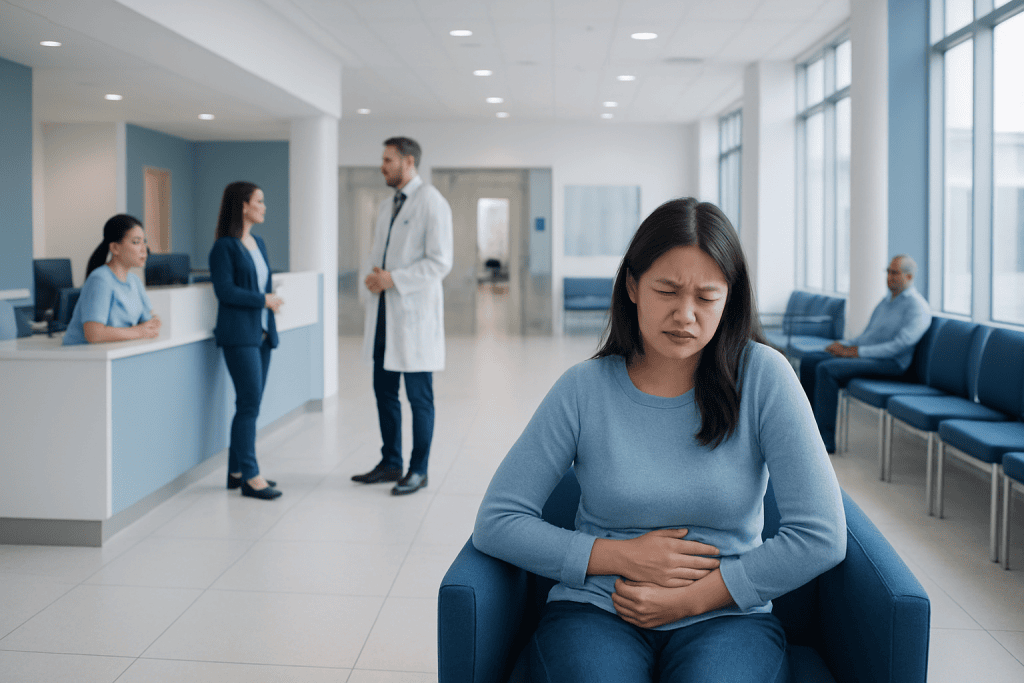
Period cramps are common and are usually caused by uterine contractions triggered by hormone-like substances called prostaglandins. Mild to moderate cramps often improve with heat, rest, gentle movement, and over-the-counter pain relief if a doctor says these medicines are appropriate.
Key Takeaways
- Period cramps are common and are usually caused by uterine contractions triggered by hormone-like substances called prostaglandins.
- Mild to moderate cramps often improve with heat, rest, gentle movement, and over-the-counter pain relief if a doctor says these medicines are appropriate.
- Severe period pain, pain that suddenly changes, or cramps with heavy bleeding, pain during sex, or infertility concerns may need medical assessment.
- Secondary causes of painful periods can include endometriosis, fibroids, adenomyosis, and pelvic inflammatory disease.
- Doctors diagnose the cause using symptom history, pelvic examination when appropriate, and imaging such as ultrasound.
- Treatment depends on the cause and may include lifestyle measures, medicines, hormonal treatment, or procedures for underlying conditions.
Period cramps are aching or throbbing pains in the lower abdomen that happen before or during menstruation. They are often caused by normal uterine contractions, but severe, worsening, or unusual pain may point to an underlying gynecologic condition that needs medical evaluation.
Overview: what period cramps usually mean
Period cramps are pains felt in the lower abdomen around the time of menstruation. For many people, they begin one to two days before bleeding starts or on the first day of a period, then ease over the next couple of days. The discomfort may feel dull, aching, cramping, or throbbing, and it may spread to the lower back or thighs.
In many cases, period cramps are part of normal menstrual function. During a period, the uterus contracts to help shed its lining. These contractions are linked to prostaglandins, natural chemicals that can also contribute to pain, inflammation, nausea, and bowel changes. Higher prostaglandin levels are often associated with stronger cramps.
Doctors often divide painful periods into two types. Primary dysmenorrhea refers to common menstrual cramps not caused by another disease. Secondary dysmenorrhea means period pain related to an underlying condition, such as endometriosis or uterine fibroids. Understanding this difference helps guide treatment and decide when medical evaluation is important.
How period cramps feel and what symptoms can come with them
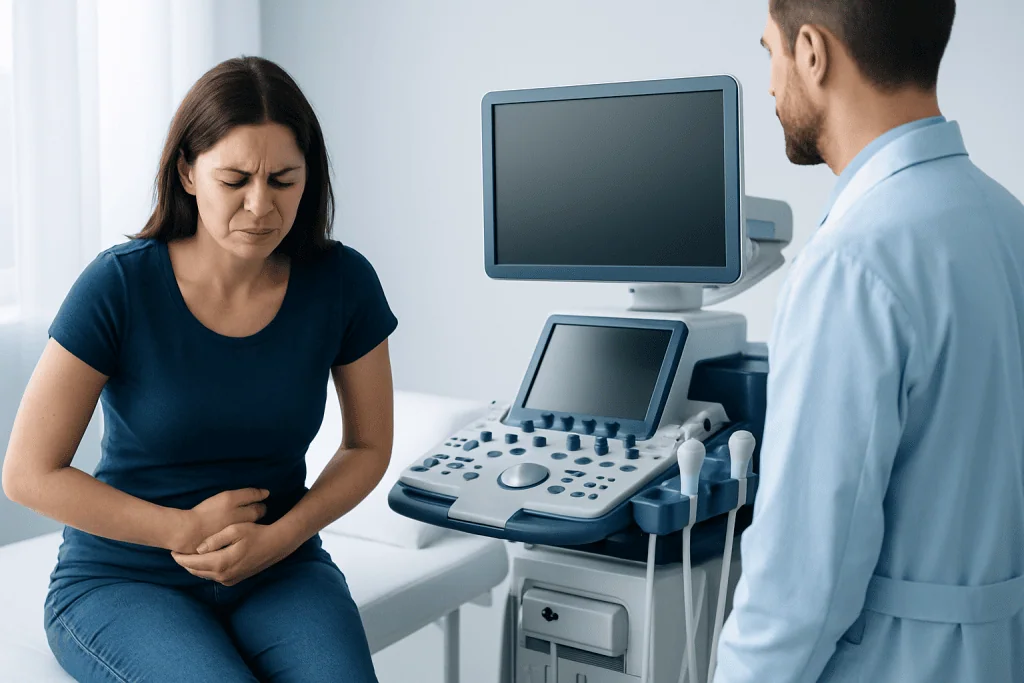
Period cramps are most often felt low in the abdomen, but symptoms vary from person to person. Some people notice mild pressure, while others have more intense pain that interferes with school, work, exercise, or sleep. The pain may come in waves or remain more constant for several hours or days.
Other symptoms can happen at the same time because the same chemical signals that cause cramping can affect the digestive system and general well-being. These symptoms are often temporary and improve as the period continues.
- Lower abdominal cramping or pelvic pain
- Lower back pain
- Pain radiating into the thighs
- Nausea or loss of appetite
- Diarrhea or loose stools
- Headache
- Fatigue or a general unwell feeling
Symptoms that may suggest a problem beyond typical period cramps include pain that starts long before bleeding, gets worse over time, continues after the period ends, or is accompanied by very heavy bleeding, fever, unusual vaginal discharge, pain during sex, or difficulty becoming pregnant. These patterns deserve medical attention rather than repeated self-treatment alone.
Why period cramps happen: causes and risk factors
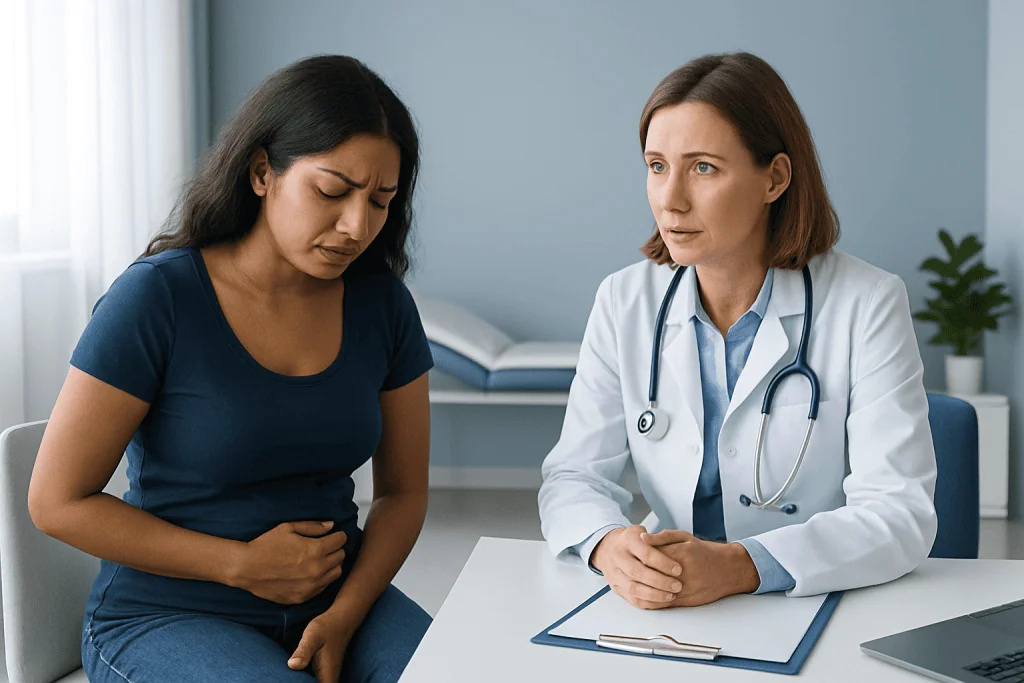
The most common cause of period cramps is the normal contraction of the uterus during menstruation. Prostaglandins help the uterine muscles tighten so the lining can be shed. When levels are higher, the uterus may contract more strongly, temporarily reducing blood flow to nearby tissue and causing pain. This is the usual explanation for primary dysmenorrhea.
Some people are more likely to experience primary menstrual cramps. Younger age, starting periods early, a family history of painful periods, smoking, stress, and heavier bleeding can all be linked to stronger symptoms. However, painful periods can affect adults of any age, and severe pain should not be dismissed simply because cramps are common.
Secondary dysmenorrhea is caused by another health condition. Common examples include endometriosis, adenomyosis, uterine fibroids, pelvic inflammatory disease, ovarian cysts, and structural changes involving the uterus or cervix. In these cases, the period pain may be more persistent, may worsen over time, and may not respond as well to standard home treatments.
Sometimes the pattern of pain provides clues. Cramping that begins years after previously painless periods, pain between periods, or discomfort during bowel movements, urination, or sexual activity may suggest a secondary cause. A doctor can evaluate these symptoms and decide whether further testing is needed.
How doctors evaluate period cramps
Diagnosis starts with a careful discussion of symptoms. A doctor may ask when the pain began, how severe it is, where it is felt, whether it affects daily activities, and what other symptoms occur with it. Menstrual history, sexual history, fertility concerns, and family history may also help clarify whether the pain is more likely to be primary or secondary dysmenorrhea.
A physical examination may be recommended, especially if symptoms are severe, have changed, or suggest an underlying condition. Depending on age, symptoms, and sexual activity, this may include an abdominal and sometimes a pelvic exam. The goal is to look for tenderness, masses, infection, or other signs that point to a specific cause.
If a secondary cause is suspected, imaging may be useful. Pelvic ultrasound is commonly used to assess fibroids, ovarian cysts, or signs of adenomyosis and other pelvic problems. In some cases, additional tests such as blood tests, infection screening, MRI, or a minimally invasive procedure to look inside the pelvis may be discussed.
When symptoms suggest structural gynecologic causes, a clinician may recommend further evaluation and, if needed, procedures connected to fibroid-preserving surgery or hysterectomy in selected situations. The right approach depends on age, symptom severity, future pregnancy plans, and the confirmed diagnosis.
Treatment options for period cramps
Treatment depends on whether the cramps are primary or caused by another condition. For primary dysmenorrhea, the first step is usually symptom relief. Over-the-counter pain medicines such as nonsteroidal anti-inflammatory drugs may help reduce prostaglandin production and ease pain, but they should be used only as directed and may not be suitable for everyone, especially people with certain stomach, kidney, bleeding, or heart conditions.
Hormonal methods may also reduce period pain for some people by thinning the uterine lining and decreasing the chemical signals that trigger strong contractions. A doctor can explain whether combined hormonal contraception or progestin-based options are appropriate based on medical history and personal preferences.
When period cramps are due to an underlying disorder, treatment focuses on that cause. For example, endometriosis-related pain may improve with medicine, hormonal therapy, or endometriosis treatment. Fibroid-related symptoms may be managed with medicines or procedures, including myomectomy when preserving the uterus is important. More persistent or complex cases are usually best managed by a gynecologist.
Acibadem International’s multidisciplinary specialists in JCI-accredited hospitals evaluate painful periods for international patients and tailor treatment to the underlying cause, whether symptoms are functional, hormonal, or related to a gynecologic condition.
Self-care and prevention strategies that may help
Although not all period cramps can be prevented, practical self-care measures often reduce discomfort. Applying heat to the lower abdomen, resting when needed, staying hydrated, and gentle stretching or walking may all help. Some people feel better when they begin comfort measures as soon as cramping starts rather than waiting for pain to intensify.
Healthy daily habits can also support menstrual well-being over time. Regular physical activity, adequate sleep, stress management, and avoiding smoking may lessen symptoms in some individuals. A balanced diet can support general health, although no single food plan is proven to prevent all painful periods.
Keeping a symptom diary can be especially useful. Recording pain timing, severity, bleeding pattern, medicines used, and associated symptoms can help a doctor spot patterns and decide whether more testing is needed. This can be helpful when symptoms vary from month to month or overlap with bowel or bladder complaints.
Home care is most appropriate when the cramps are familiar, mild to moderate, and improve with routine measures. If they become severe, disrupt daily life, or stop responding to treatment that previously worked, a professional evaluation is the safer next step.
When to seek medical care
Period cramps are common, but severe or changing menstrual pain should not be ignored. Medical care is appropriate when cramps regularly prevent normal activities, cause missed school or work, or do not improve with standard home care or doctor-approved pain relief. A clinician can help determine whether this is primary dysmenorrhea or a sign of another condition.
Urgent medical attention may be needed if pelvic pain is sudden and severe, or if it comes with fever, fainting, heavy bleeding, dizziness, vomiting, unusual vaginal discharge, or possible pregnancy. These features are not typical for routine period cramps and may point to infection, pregnancy-related problems, ovarian emergencies, or other conditions that need prompt assessment.
It is also wise to seek care if period pain begins for the first time in adulthood, gets worse over time, occurs outside menstruation, or is linked to pain during sex or trouble becoming pregnant. These patterns can be associated with conditions such as uterine fibroids or endometriosis, both of which may benefit from early diagnosis and treatment.
Frequently asked questions
Are period cramps normal?
Yes, period cramps are very common and are often a normal part of menstruation. They usually happen because the uterus contracts to shed its lining. However, severe pain or pain that changes over time should be evaluated by a doctor.
What is the difference between primary and secondary dysmenorrhea?
Primary dysmenorrhea means menstrual cramps that are not caused by another disease and are related to normal uterine contractions. Secondary dysmenorrhea means the pain is linked to an underlying condition such as endometriosis, fibroids, or adenomyosis. The treatment approach can differ depending on which type is present.
Can period cramps cause back pain or nausea?
Yes, period cramps can be accompanied by lower back pain, nausea, diarrhea, headache, and fatigue. These symptoms can happen because the same chemical messengers involved in cramping can affect other parts of the body. They are often most noticeable on the first day or two of the period.
When should someone worry about period cramps?
Concern is reasonable if cramps are severe, getting worse, or stopping a person from normal daily activities. Medical advice is also important if pain occurs with heavy bleeding, fever, unusual discharge, pain during sex, or fertility concerns. Sudden severe pelvic pain should be assessed urgently.
Do home remedies help period cramps?
For many people, yes. Heat, rest, hydration, light exercise, and doctor-approved over-the-counter pain relief can reduce symptoms. If home measures do not help or the pain keeps returning at a high intensity, a medical evaluation is the next step.
Can birth control help with painful periods?
Hormonal birth control can help some people by reducing the buildup of the uterine lining and lowering the signals that trigger strong contractions. This may make periods lighter and less painful. A doctor can advise whether this option is suitable based on age, health history, and reproductive goals.
References
- American College of Obstetricians and Gynecologists
- National Institute for Health and Care Excellence
- Office on Women's Health
- Mayo Clinic
- World Health Organization
This article is for general information only and is not a substitute for professional medical advice. Please consult a qualified doctor about your individual situation.
Explore treatments in Turkey — costs, top hospitals & a free quote
JCI-accredited · board-certified surgeons · reply within 24h
Add us as a Preferred Source to see more of our trusted health content across Google Search, AI Overviews and Discover.

More from the Health Library



Related Specialists

Prof. Dr. Ertuğrul Zencirci
Cardiology
Assoc. Prof. Dr. Semiha Urvay
Medical Oncology
Prof. Dr. Turgay Çelikel
Pulmonology
Embriyolog Özge Biçeroğlu
Vitro Fertilization and Reproductive Medicine Center