Period Panties Explained: Causes, Management, and When to See a Doctor

Period panties are absorbent underwear that may be used alone for lighter flow or together with pads, tampons, or menstrual cups for extra protection. Choosing the right absorbency, fabric, and fit helps reduce leaks, odor, and skin irritation.
Key Takeaways
- Period panties are absorbent underwear that may be used alone for lighter flow or together with pads, tampons, or menstrual cups for extra protection.
- Choosing the right absorbency, fabric, and fit helps reduce leaks, odor, and skin irritation.
- Proper rinsing and washing are important for hygiene and for preserving the fabric's absorbent layers.
- Very heavy bleeding, severe pain, irregular cycles, or bleeding between periods should be assessed by a doctor.
- Period panties do not treat underlying causes of abnormal bleeding; they only help manage it.
Period panties are reusable absorbent underwear designed to collect menstrual blood, light bladder leaks, or discharge, either on their own or as backup to other menstrual products. They can be a convenient option for many people, but comfort, hygiene, fit, and the pattern of bleeding all matter—and some symptoms should prompt medical advice.
What period panties are and how they work
Period panties are specially made underwear with built-in absorbent layers that collect menstrual blood. They are designed to look and feel similar to regular underwear, but the gusset contains multiple fabric layers that wick moisture away from the skin, absorb fluid, and help limit leaks. Depending on the brand and design, they may be intended for spotting, light flow, moderate flow, or overnight use.
Many people use period panties alone on lighter days. Others use them as backup with tampons, menstrual cups, or pads to reduce the chance of staining clothes or bedding. They can also be helpful during the first or last days of a period, after childbirth when approved by a clinician, or for unpredictable spotting.
Period panties are a management tool, not a medical treatment. They can make menstruation more comfortable and practical, but they do not address the cause of symptoms such as very heavy bleeding, severe cramps, or bleeding between periods. If menstrual changes are new, persistent, or disruptive, medical evaluation may be appropriate.
Who may benefit from period panties
Period panties may suit people who want a reusable option, prefer to avoid adhesive pads, or need backup protection during work, school, travel, exercise, or sleep. They may also appeal to those with sensitive skin who find some disposable products irritating. Because they come in different styles and absorbency levels, users can match them to their menstrual pattern and daily activities.
They can be especially useful for lighter flow, spotting, or the beginning and end of a period. For heavier days, some people prefer to combine them with another menstrual product. This layered approach may feel more secure during long commutes, overnight sleep, or situations where bathroom access is limited.
People with very heavy periods should keep in mind that repeated soaking through underwear, clothing, or bedding can be a sign of abnormal bleeding rather than just a product issue. In those cases, a doctor may look for causes such as fibroids, hormone-related problems, or ovarian cysts when symptoms suggest them.
Choosing the right pair: absorbency, fabric, and fit
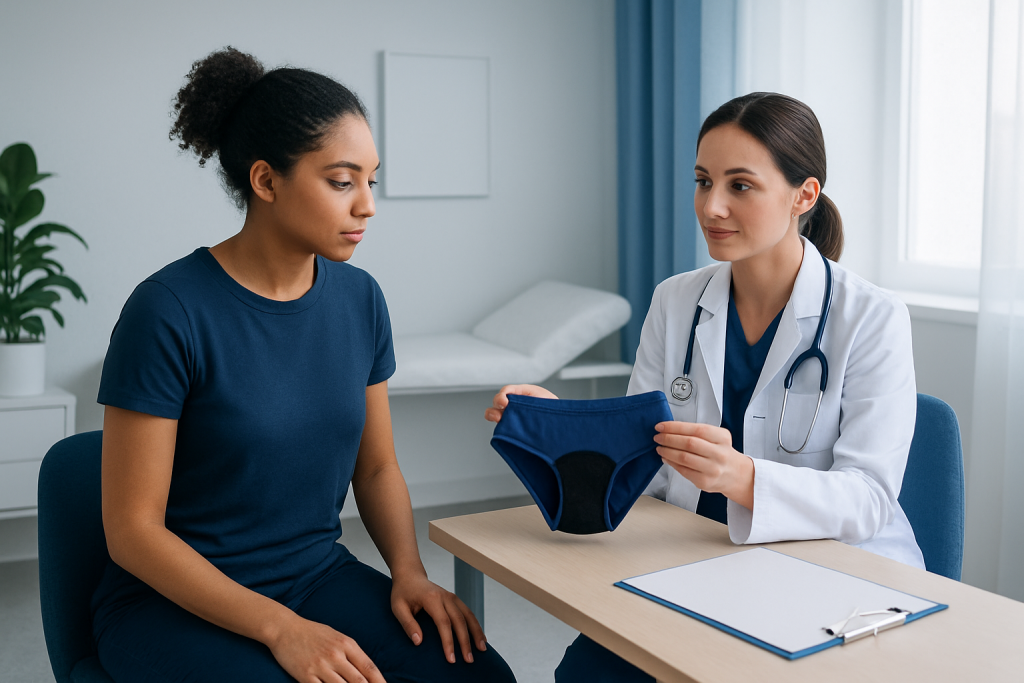
The best period panties depend on flow level, daily routine, and personal comfort. Product labels often describe absorbency in general terms such as light, moderate, or heavy. For spotting or very light flow, a slimmer style may be enough. For overnight use or heavier days, people often prefer fuller coverage with a larger absorbent area extending toward the back.
Fabric and fit matter because they affect both comfort and performance. A snug but not tight fit helps keep the absorbent layers close to the body and reduces shifting. Breathable fabrics may help limit dampness and irritation, while seams and waistbands should feel comfortable during sitting, walking, and sleep.
When comparing options, it can help to consider:
- Absorbency level for each day of the cycle
- Coverage style, such as bikini, brief, high-waist, or boyshort
- Daytime versus overnight design
- Breathability and softness of the inner lining
- Ease of washing and drying
- Whether the underwear is intended for menstrual flow only or also for light bladder leaks
If leaks happen despite using the expected absorbency, the issue may be fit, timing of changes, or flow that is heavier than expected. Consistently needing the highest absorbency or soaking through quickly can be a reason to discuss menstrual bleeding with a gynecologist.
How to use period panties safely and comfortably
Most people use period panties in the same way as regular underwear, but timing and planning help. A fresh pair is usually most comfortable when put on at the start of the day or before sleep, and changed when it becomes damp, saturated, or uncomfortable. If using them as backup with another product, they can provide reassurance during heavier flow or on days when the timing of a period is uncertain.
Comfort improves when the skin stays as dry as possible. Sitting in wet underwear for long periods may increase irritation, odor, or chafing, especially during exercise or warm weather. Carrying a spare pair and a small waterproof pouch can be practical when away from home.
People with sensitive skin, eczema, vulvar irritation, or recurrent infections may need to pay extra attention to fabric feel, detergents, and moisture. Unscented laundry products are often better tolerated. If burning, itching, rash, or unusual discharge develops, it is sensible to stop using the product temporarily and seek medical advice if symptoms persist.
Cleaning and care: why hygiene matters
Good care helps period panties remain effective and hygienic. Most products are rinsed in cool water after use, then washed according to the manufacturer’s instructions. Cool or lukewarm water is commonly preferred because hot water may set stains and can affect some fabrics. Thorough drying is important before wearing or storing them again.
Fabric softeners, bleach, and harsh detergents may reduce absorbency or irritate sensitive skin. A gentle wash cycle and air drying are often recommended, although specific care instructions vary by product. Following the label can help preserve the layered structure that allows the underwear to absorb and contain fluid.
Signs that a pair may need replacing include persistent odor after washing, loss of absorbency, thinning fabric, damage to seams, or repeated leaking despite proper use. If there is concern about recurring irritation, a clinician may evaluate whether skin sensitivity, infection, or another gynecologic issue is contributing. In some cases, assessment with a gynecology check-up may be helpful.
Common concerns: leaks, odor, irritation, and heavy bleeding
Leaks are often related to absorbency mismatch, delayed changing, or poor fit. Wearing a style that matches the heaviest part of the cycle, especially overnight, can reduce accidents. If leakage happens mainly at the front or back, a different cut or wider absorbent panel may work better.
A mild menstrual odor can be normal, but strong or unusual odor is not something period panties should simply hide. Odor accompanied by itching, burning, unusual discharge, or pelvic discomfort may suggest infection or another condition that needs assessment. These symptoms deserve attention rather than repeated product changes.
Skin irritation may happen from friction, trapped moisture, fragrances, or detergent residue. A breathable product, prompt changing, and gentle laundry practices often help. If symptoms continue, a doctor may evaluate for causes such as dermatitis, fungal infection, or bacterial imbalance.
Heavy menstrual bleeding is an important separate issue. Passing large clots, bleeding for many days, needing to change products very frequently, or feeling faint and exhausted can suggest an underlying problem such as endometriosis, fibroids, hormone imbalance, or anemia. Diagnostic testing such as pelvic ultrasound or blood work may be recommended depending on symptoms.
When to seek medical care
Medical care is appropriate when menstrual symptoms seem different from a person’s usual pattern, interfere with daily life, or cause concern. Period panties can help manage bleeding, but they should not delay evaluation of significant pain, unusual bleeding, or signs of infection. Early assessment can clarify whether symptoms are part of a normal cycle or linked to a treatable condition.
It is sensible to contact a doctor if any of the following occur:
- Bleeding that soaks through protection much faster than usual
- Periods that suddenly become much heavier, longer, or more painful
- Bleeding between periods, after sex, or after menopause
- Severe cramps, pelvic pressure, or pain with intercourse
- Dizziness, shortness of breath, marked fatigue, or pale skin
- Fever, foul-smelling discharge, rash, or persistent genital irritation
A clinician may ask about cycle timing, clotting, pain, medications, contraception, pregnancies, and family history. Evaluation can include an examination, laboratory tests, or imaging. Depending on the findings, care may involve lifestyle guidance, medication, or procedures such as hysteroscopy when investigating abnormal uterine bleeding.
For international patients who need evaluation or treatment, Acibadem International’s multidisciplinary specialists and JCI-accredited hospitals provide diagnosis and care for gynecologic conditions in a coordinated setting.
Frequently asked questions
Can period panties replace pads or tampons?
They can for some people, especially on light or moderate-flow days, depending on the product’s absorbency. Others prefer to use them as backup with a tampon or menstrual cup, particularly during heavier flow or overnight.
How often should period panties be changed?
They should be changed when they feel wet, uncomfortable, or close to saturated. The exact timing depends on flow level, absorbency, activity, and whether they are being used alone or with another menstrual product.
Are period panties hygienic?
Yes, when they are used correctly and washed thoroughly according to the manufacturer’s instructions. Prompt changing, proper rinsing, and complete drying help reduce odor, skin irritation, and fabric breakdown.
Can period panties cause infections?
Period panties do not usually cause infection on their own, but prolonged moisture, friction, or poor washing practices can contribute to irritation. If itching, burning, unusual discharge, or a strong odor develops, medical advice is recommended.
Do period panties help with very heavy periods?
They may help manage heavy flow or provide backup protection, but they do not treat the cause of heavy bleeding. If bleeding is unusually heavy, prolonged, or associated with dizziness, fatigue, or severe pain, a doctor should evaluate it.
Can teenagers use period panties?
Yes, many teenagers find them practical and comfortable, especially when periods are new or somewhat unpredictable. They can be used alone for light flow or as backup while a young person learns which menstrual products feel best.
References
- American College of Obstetricians and Gynecologists
- World Health Organization
- National Health Service
- Office on Women's Health
- Mayo Clinic
This article is for general information only and is not a substitute for professional medical advice. Please consult a qualified doctor about your individual situation.
Explore treatments in Turkey — costs, top hospitals & a free quote
JCI-accredited · board-certified surgeons · reply within 24h
Add us as a Preferred Source to see more of our trusted health content across Google Search, AI Overviews and Discover.