Peripheral Vertigo vs Central Vertigo: Why the Cause Matters

Peripheral vertigo usually begins in the inner ear, while central vertigo starts in the brain or nervous system. Peripheral vertigo is more common and often causes intense spinning, nausea, and positional dizziness.
Key Takeaways
- Peripheral vertigo usually begins in the inner ear, while central vertigo starts in the brain or nervous system.
- Peripheral vertigo is more common and often causes intense spinning, nausea, and positional dizziness.
- Central vertigo may be less dramatic in sensation but can occur with neurological symptoms such as double vision, weakness, or trouble speaking.
- Doctors use the symptom pattern, physical examination, hearing tests, and sometimes brain imaging to find the cause.
- Prompt medical evaluation is important when vertigo is sudden, severe, persistent, or accompanied by other neurological warning signs.
Peripheral and central vertigo can feel similar, but they come from different parts of the body and may need very different care. Understanding the cause helps guide diagnosis, treatment, and how urgently medical attention is needed.
Overview: What Is the Difference?
Vertigo is the false sensation that a person or the surroundings are moving, often described as spinning, tilting, swaying, or being pulled to one side. It is not a disease itself but a symptom that can result from several conditions affecting balance. The most important first step is identifying whether the problem is coming from the inner ear or from the brain and nervous system.
Peripheral vertigo begins in the vestibular system of the inner ear or the vestibular nerve, which carries balance signals to the brain. Common examples include benign paroxysmal positional vertigo (BPPV), vestibular neuritis, labyrinthitis, and Ménière disease. These conditions can feel very intense, but many are treatable and not life-threatening.
Central vertigo starts in the brainstem, cerebellum, or other parts of the central nervous system that process balance. Possible causes include migraine, stroke, multiple sclerosis, tumors, or other neurological disorders. Central vertigo is less common than peripheral vertigo, but it matters greatly because some causes need urgent medical care.
Although the two types can overlap in symptoms, the pattern usually offers clues. Peripheral vertigo often produces sudden spinning, nausea, and worsening with head movement. Central vertigo is more likely to occur with additional neurological symptoms or unusual eye movement patterns, which is why careful assessment by a qualified doctor is so important.
Symptoms: How They May Feel Different
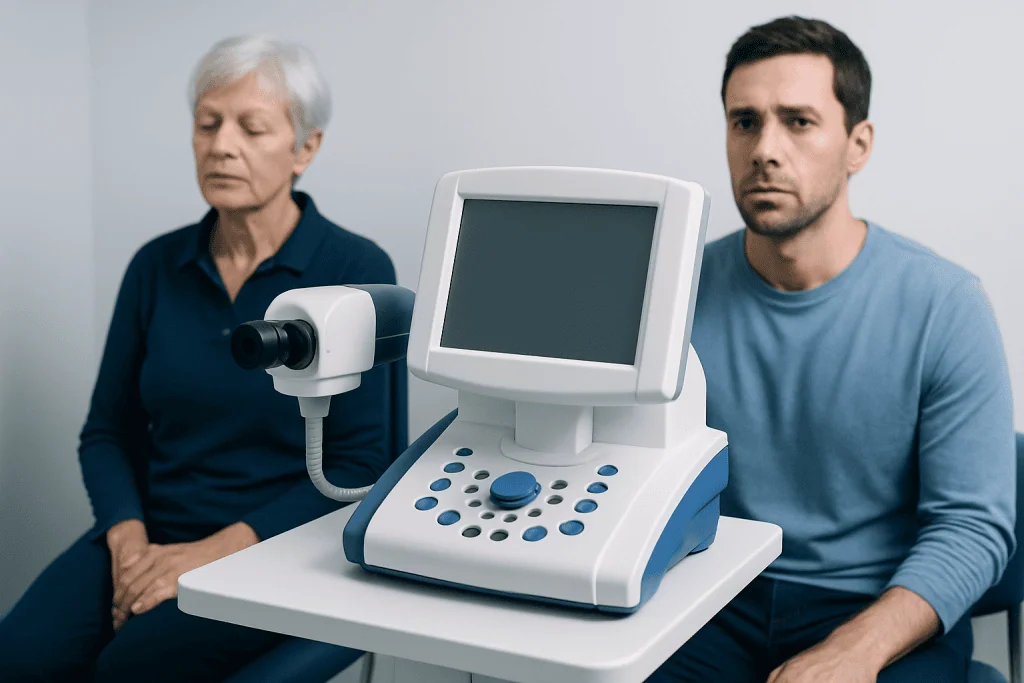
Both peripheral and central vertigo can cause dizziness, imbalance, nausea, vomiting, motion sensitivity, and difficulty walking. People may say they feel as if the room is spinning, they are rocking on a boat, or they cannot keep their balance. Because the sensation is subjective, doctors usually rely on the full symptom picture rather than one description alone.
Peripheral vertigo often starts suddenly and can be quite intense. It is commonly triggered or worsened by turning in bed, looking up, bending over, or changing head position. Hearing-related symptoms such as ear fullness, ringing in the ear, or hearing loss may also point toward an inner ear cause, especially in disorders such as labyrinthitis or Ménière disease.
Central vertigo may be less strongly linked to head position and may not always create a dramatic spinning sensation. Instead, a person may describe unsteadiness, veering to one side, or difficulty coordinating movement. Warning signs that raise concern for a central cause include double vision, slurred speech, weakness, numbness, severe headache, trouble swallowing, loss of coordination, or new difficulty walking.
Eye movements called nystagmus can also help distinguish the cause. In peripheral vertigo, nystagmus often follows a typical pattern and may lessen when the eyes fix on a target. In central vertigo, nystagmus may behave differently and suggest that the brain’s balance pathways are involved. This is one reason bedside examination is such a valuable part of assessment.
Causes and Risk Factors

The most common causes of peripheral vertigo involve the inner ear. BPPV happens when tiny calcium crystals move into a part of the inner ear where they do not belong, leading to brief episodes of spinning with position changes. Vestibular neuritis is thought to result from inflammation of the vestibular nerve, while labyrinthitis affects both balance and hearing. Ménière disease can cause episodes of vertigo together with fluctuating hearing loss, tinnitus, and ear pressure.
Other peripheral causes include ear infections, head injury, certain medications that can affect the inner ear, and less commonly structural problems involving the ear. People may be more likely to develop peripheral vertigo if they have had recent viral illness, migraine, trauma, older age, or previous episodes of dizziness. Some patients with recurrent positional symptoms may later be diagnosed with BPPV.
Central vertigo has a wider range of causes because many brain conditions can disrupt balance pathways. These include vestibular migraine, reduced blood flow to the back part of the brain, stroke or transient ischemic attack, multiple sclerosis, brain tumors, seizures, and degenerative neurological disorders. In some cases, central vertigo may be one of the earliest clues to a neurological condition.
Risk factors for central vertigo depend on the underlying illness. Stroke-related vertigo is more likely in people with high blood pressure, diabetes, smoking history, high cholesterol, heart rhythm problems, or vascular disease. Migraine-related vertigo may occur in people with a personal or family history of migraine. Because the causes are so different, the same symptom of vertigo can require very different treatment plans.
How Doctors Diagnose the Cause
Diagnosis begins with a careful history. A doctor will ask when the vertigo started, how long each episode lasts, whether it is triggered by movement, and whether there are hearing changes, headache, recent infection, or neurological symptoms. This conversation is often the key to narrowing the likely cause before any tests are ordered.
The physical examination typically includes checking eye movements, balance, walking, hearing, and a focused neurological exam. In suspected BPPV, a positional maneuver such as the Dix-Hallpike test may reproduce symptoms and reveal a characteristic pattern of nystagmus. In emergency settings, specialists may use specific bedside assessments to help distinguish a peripheral vestibular problem from a possible central cause.
Additional testing depends on the findings. Hearing tests can be useful when ear symptoms are present. Vestibular function testing may evaluate how well the inner ear balance organs are working. If the doctor suspects a central cause, especially stroke, tumor, or demyelinating disease, brain imaging such as MRI may be recommended. In some cases, CT scan is used urgently, especially in emergency evaluation.
Because dizziness can be complex, diagnosis sometimes involves more than one specialist, including neuro-otology, neurology, ENT, and radiology. If symptoms fit a migraine pattern, a doctor may also assess for vestibular migraine. The goal is not only to label the symptom as vertigo, but to identify the exact mechanism behind it.
Treatment Options for Peripheral and Central Vertigo
Treatment depends entirely on the cause. Peripheral vertigo from BPPV is often treated with repositioning maneuvers that guide displaced inner ear crystals back to the correct location. Vestibular neuritis may improve with time and supportive care, while labyrinthitis may also require attention to hearing symptoms. Ménière disease management may include lifestyle changes and medication strategies recommended by a specialist.
Medicines can sometimes help reduce nausea or severe motion sensation for short periods, but they do not treat every underlying cause and are not always the best long-term solution. For people with lingering imbalance after an inner ear disorder, vestibular rehabilitation can help the brain adapt and improve stability. This is a structured therapy program focused on gaze, balance, and movement exercises.
Central vertigo treatment is directed at the neurological condition responsible. Vestibular migraine may respond to migraine management, trigger control, and preventive treatment. If vertigo is due to stroke or another urgent neurological problem, immediate hospital care is needed. Brain tumors, multiple sclerosis, and other disorders each require a specific care plan guided by the relevant specialist.
In selected cases, further treatment may include detailed neurological evaluation or procedures tailored to the cause. For example, people whose vertigo reflects broader neurological disease may need specialist follow-up, and some conditions are evaluated alongside services such as neurology rehabilitation. Near the end of the care pathway, a center such as Acibadem International may coordinate diagnosis and treatment through multidisciplinary specialists and JCI-accredited hospitals for international patients.
Prevention and Self-Care
Not every form of vertigo can be prevented, but some practical steps may reduce triggers and help recovery. People with positional vertigo may benefit from moving carefully when getting out of bed, especially during active symptoms. Staying hydrated, eating regularly, and avoiding sudden head movements during a flare can also make episodes easier to manage.
When vertigo is linked to migraine, prevention often focuses on regular sleep, stress management, hydration, and avoiding personal triggers such as missed meals or certain foods. People with Ménière disease may be advised to limit salt and discuss other lifestyle measures with their doctor. If a medication seems to trigger dizziness, it should not be stopped suddenly without medical guidance, but it should be reviewed promptly.
Balance safety is an important part of self-care for both peripheral and central vertigo. Using handrails, removing trip hazards, keeping rooms well lit, and avoiding driving during active episodes can help prevent falls and injuries. Older adults and anyone with repeated imbalance may benefit from a professional falls-risk assessment.
Persistent dizziness should not be managed only at home. Self-care can support recovery, but it should not replace proper diagnosis, especially if symptoms are new, severe, or unusual. Vertigo that keeps returning deserves a medical review so the underlying cause is not missed.
When to See a Doctor
A doctor should evaluate vertigo that is new, recurrent, severe, or interfering with daily life. Medical assessment is also important when vertigo lasts longer than expected, happens repeatedly, or is associated with hearing loss, tinnitus, ear pain, or recent infection. Even when the cause is likely peripheral, treatment can often reduce symptoms and improve recovery.
Urgent care is especially important if vertigo appears together with symptoms that suggest a central nervous system problem. These include sudden weakness, numbness, trouble speaking, double vision, severe unsteady walking, fainting, chest pain, or a new severe headache. These features can point to stroke or another serious neurological disorder and should not be ignored.
People with known risk factors for stroke should be particularly cautious about sudden dizziness that feels different from prior episodes. Likewise, dizziness after head injury, new hearing loss in one ear, or persistent vomiting may need prompt evaluation. Early diagnosis often helps avoid complications and ensures that the right specialist is involved from the start.
Because peripheral vertigo and central vertigo can overlap, it is not always possible for a patient to tell the difference alone. A trained clinician can use the symptom pattern, examination findings, and targeted tests to determine what is most likely and what level of urgency is needed. Reassuringly, many causes of vertigo are manageable once identified.
Frequently asked questions
What is the main difference between peripheral vertigo and central vertigo?
Peripheral vertigo comes from the inner ear or vestibular nerve, while central vertigo comes from the brain or central nervous system. The distinction matters because central causes may include conditions that need urgent neurological evaluation.
Is peripheral vertigo more common than central vertigo?
Yes, peripheral vertigo is generally more common. Common examples include BPPV, vestibular neuritis, labyrinthitis, and Ménière disease.
Can vertigo be a sign of stroke?
Yes, in some cases vertigo can be related to stroke, especially when it appears suddenly with other neurological symptoms. Warning signs include weakness, double vision, trouble speaking, severe imbalance, or a new severe headache.
Does hearing loss suggest peripheral or central vertigo?
Hearing loss more often points toward a peripheral cause because the inner ear is involved in both hearing and balance. However, hearing symptoms should still be assessed by a doctor to determine the exact condition.
How do doctors test for vertigo?
Doctors usually begin with a detailed history and physical examination, including eye movement and balance testing. Depending on the findings, they may also use hearing tests, vestibular tests, and imaging such as MRI or CT.
Can vertigo go away on its own?
Some forms of peripheral vertigo do improve on their own over time, especially after an acute inner ear problem. Even so, recurring or severe vertigo should be evaluated so the cause is confirmed and appropriate treatment is offered.
References
- World Health Organization
- National Institute on Deafness and Other Communication Disorders
- National Institute of Neurological Disorders and Stroke
- American Academy of Otolaryngology–Head and Neck Surgery
- American Academy of Neurology
This article is for general information only and is not a substitute for professional medical advice. Please consult a qualified doctor about your individual situation.
Vertigo in Turkey — costs, top hospitals & a free quote
JCI-accredited · board-certified surgeons · reply within 24h
Add us as a Preferred Source to see more of our trusted health content across Google Search, AI Overviews and Discover.