Phonomotor Treatment: How It Works, Results and What to Expect
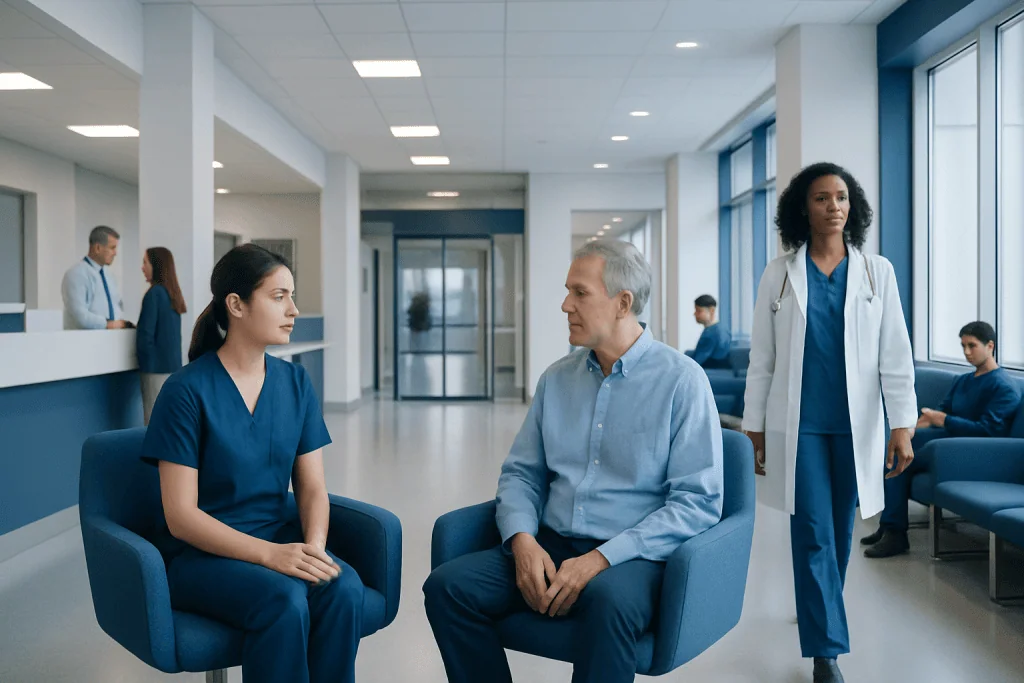
Phonomotor treatment practices the sound patterns of language to support word retrieval and spoken communication. It may be considered for people with aphasia after stroke or another acquired brain injury, depending on their communication profile.
Key Takeaways
- Phonomotor treatment practices the sound patterns of language to support word retrieval and spoken communication.
- It may be considered for people with aphasia after stroke or another acquired brain injury, depending on their communication profile.
- Treatment involves repeated listening, speaking, reading, and sound-manipulation exercises rather than medication or surgery.
- Progress varies widely and can include more accurate naming, clearer speech-sound production, and stronger confidence in communication.
- Aphasia therapy is often most useful when it is tailored to personal goals and continued over time with practice outside sessions.
Phonomotor treatment is a structured speech-language therapy that helps some people with aphasia reconnect speech sounds with spoken words. It is individualized, usually combined with other rehabilitation approaches, and works best when guided by a qualified speech-language therapist.
Overview: What Is Phonomotor Treatment?
Phonomotor treatment is a type of speech-language therapy used for aphasia, a communication disorder caused by injury to language networks in the brain. It is designed to strengthen phonological processing: the ability to hear, recognize, organize, and produce the individual sounds that make up words. By rebuilding access to these sound patterns, the approach may help a person retrieve and say words more successfully.
The therapy is not a cure for the brain injury that caused aphasia. Instead, it is a rehabilitation method that aims to support the brain’s remaining language networks and its capacity to adapt through practice. It is commonly considered after stroke, but may also be relevant after traumatic brain injury, brain surgery, or other neurological conditions when a speech-language assessment identifies sound-based language difficulties.
Phonomotor treatment is usually delivered by a speech-language therapist as part of a broader aphasia rehabilitation plan. The plan may also include work on naming, understanding spoken language, reading, writing, conversation, and communication strategies for daily life.
How Phonomotor Treatment Works
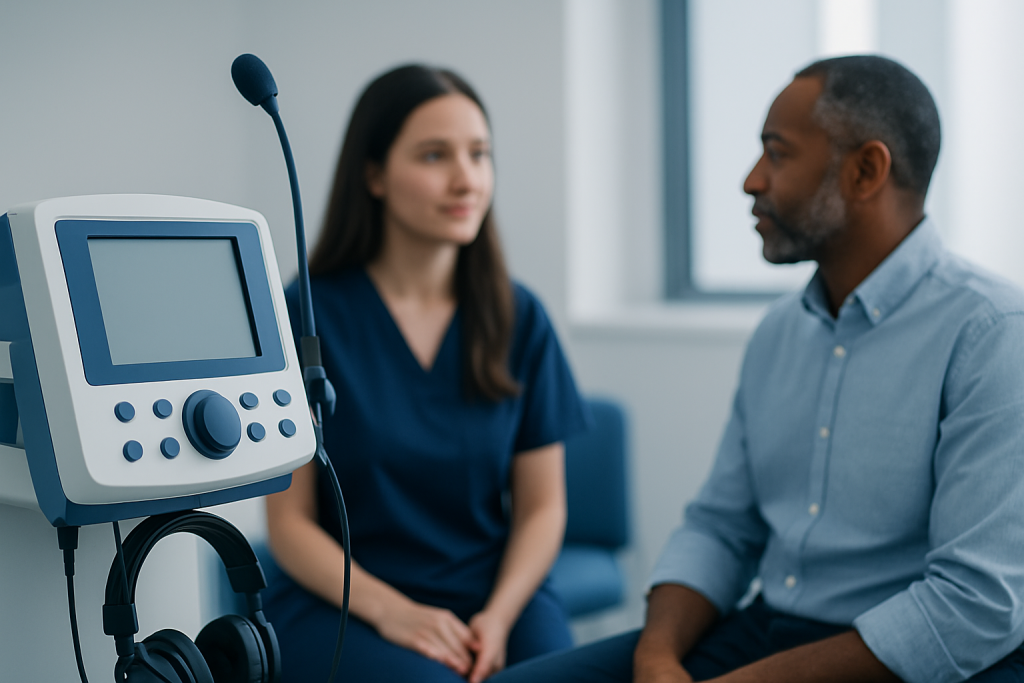
Words are built from speech sounds, often called phonemes. In aphasia, a person may know what they want to say but have trouble accessing the sounds or sound sequence needed to produce the word. For example, they may substitute one sound for another, leave sounds out, or be unable to retrieve the word at all. Phonomotor treatment focuses directly on these building blocks of spoken language.
During practice, the therapist may ask the person to listen carefully to a speech sound, repeat it, identify whether two sounds are the same or different, or match a sound to a letter. As therapy advances, activities may involve combining sounds into simple syllables, separating sounds within a word, changing one sound to make a new word, or using sound cues to help retrieve a pictured object’s name.
The repeated, carefully graded practice is intended to make sound representations more available during real communication. Although the exercises can be structured, the therapist should connect them to meaningful words and practical goals, such as naming family members, ordering food, explaining symptoms, or participating in conversation.
Who May Be a Candidate for Phonomotor Therapy?

Phonomotor treatment may be appropriate for adults with aphasia who have difficulty processing or producing speech sounds. A speech-language therapist evaluates this through conversation, naming tasks, listening tasks, repetition, reading, and other language assessments. The evaluation also considers hearing, vision, attention, memory, fatigue, motor speech skills, and emotional wellbeing.
It can be used across different stages of recovery, including after a recent stroke and in chronic aphasia. However, the timing, session length, therapy intensity, and expected goals should be individualized. People with severe aphasia may begin with simpler listening and sound-recognition tasks, while those with milder aphasia may use phonological work to improve word-finding in more complex speech.
Not every person with aphasia needs the same approach. Some people benefit more from therapies centered on semantic meaning, script practice, gesture, communication devices, reading, writing, or partner training. A comprehensive rehabilitation team can determine whether sound-based treatment fits the person’s particular pattern of strengths and difficulties.
What Happens During the Procedure?
Phonomotor treatment is noninvasive and takes place in speech-language therapy sessions. Before treatment begins, the therapist establishes a baseline by identifying which sounds, words, and communication situations are difficult. Together, the person and therapist set practical goals, such as naming everyday items more reliably or participating more easily in short conversations.
Early sessions commonly use simple sound activities. The person may listen to a sound, watch the therapist’s mouth movements, repeat the sound, compare it with another sound, or link it with a written letter. The therapist provides feedback and adjusts the task so it is challenging but achievable.
Later work usually moves from individual sounds to combinations of sounds and words. Activities may include blending sounds into syllables, identifying the first or last sound of a word, manipulating sounds to create another word, and using phonological cues during picture naming. Home exercises may be recommended to reinforce learning, but they should be realistic, clearly explained, and adapted to the person’s energy level.
For people whose aphasia follows stroke, phonomotor exercises may be one component of a broader stroke recovery program. Medical assessment and rehabilitation planning are important because aphasia can occur alongside weakness, swallowing difficulties, cognitive changes, or mood symptoms that also need support.
Benefits, Limitations and Possible Challenges
The potential benefit of phonomotor treatment is improved access to speech sounds, which may support word retrieval and spoken language. Some people notice more accurate naming, fewer sound errors, or greater ability to use sound cues when they become stuck on a word. Improvements may also carry over to unpracticed words, although this varies between individuals.
Research supports phonological approaches as one option within aphasia rehabilitation, but no single therapy is best for every person. Results depend on the cause, location, and extent of brain injury; the type and severity of aphasia; time since injury; therapy intensity; general health; and opportunities to communicate in daily life. It is important to set goals based on functional communication rather than expecting identical results for everyone.
There are no surgical or medication-related risks from the therapy itself. The main challenges can be mental fatigue, frustration, or emotional distress when language tasks are difficult. Sessions should include rest breaks, encouragement, and an appropriate level of difficulty. If low mood, anxiety, or withdrawal affects rehabilitation, psychological support and family involvement can be valuable parts of care.
Recovery Timeline and How Long Treatment Lasts
Aphasia recovery does not follow a fixed timetable. Language may improve most rapidly in the first weeks and months after a stroke or brain injury, when medical stabilization and natural recovery occur alongside rehabilitation. Meaningful gains can still happen months or years later, particularly with focused, goal-oriented practice.
Phonomotor treatment is commonly offered in a series of sessions, with frequency determined by the person’s needs, endurance, rehabilitation setting, and access to care. Some people participate in intensive blocks of treatment, while others have regular sessions over a longer period. The therapist reviews progress and changes activities when a goal has been met or when another strategy is likely to be more useful.
Recovery also continues between appointments. Practicing agreed exercises, using communication strategies in everyday situations, and involving supportive family members or friends may reinforce therapy. However, practice should not become overwhelming; quality, consistency, and relevance to the person’s life are more important than pushing through fatigue.
What Is the Most Effective Treatment for Aphasia?
There is no universally most effective treatment for aphasia because aphasia is not one single condition. The most effective plan is one that matches the person’s language profile, goals, stage of recovery, and ability to take part in therapy. Assessment by a speech-language therapist is therefore essential.
Evidence-based options may include impairment-focused language therapies, such as phonological or semantic treatments; intensive practice for naming or speech production; melodic or rhythm-based approaches for selected people; reading and writing therapy; conversation-based therapy; and training in gestures, drawing, writing, or communication devices. Education for family members and communication partners is also important because supportive conversation techniques can improve everyday participation.
For some people, the best plan combines several methods. A therapist may use phonomotor exercises to strengthen access to sounds while also teaching practical ways to communicate a message when a word does not come easily. Rehabilitation should be reviewed regularly and adjusted as needs change.
When to Seek Medical Care
Sudden trouble speaking, understanding speech, finding words, reading, or writing may be a sign of stroke and needs urgent emergency assessment. Other possible stroke signs include facial drooping, arm weakness or numbness, severe dizziness, loss of balance, sudden vision changes, or a sudden severe headache. Emergency services should be contacted immediately; symptoms should not be monitored at home to see if they improve.
People with known aphasia should seek medical review if communication suddenly worsens, new neurological symptoms appear, or swallowing, mobility, cognition, or behavior changes. These changes may have causes that need prompt treatment. Ongoing problems with language after a stroke or brain injury also warrant referral to a speech-language therapist and rehabilitation clinician.
Acibadem International’s multidisciplinary specialists and JCI-accredited hospitals support diagnosis and rehabilitation planning for international patients with aphasia and related neurological conditions. Individual recommendations should always follow a clinician’s assessment of the underlying cause and rehabilitation needs.
Frequently asked questions
Can you fully recover from global aphasia?
Some people with global aphasia make substantial improvements, but full recovery is not possible for everyone. Recovery depends on the cause and extent of brain injury, overall health, early medical care, rehabilitation, and time. Speech-language therapy can improve communication skills and help a person use alternative ways to express needs and participate in daily life.
What are the treatment options for phonomotor aphasia?
Phonomotor treatment is not a diagnosis; it is a therapy approach that may be used when aphasia involves difficulty with speech sounds and word retrieval. Other options can include naming therapy, semantic therapy, conversation therapy, reading and writing rehabilitation, gesture or drawing strategies, and communication devices. A speech-language therapist selects methods according to the individual’s aphasia profile and goals.
What is the most effective treatment for aphasia?
No single therapy is most effective for every person with aphasia. The most suitable treatment is personalized after a detailed language and communication assessment. Many people benefit from a combination of direct language therapy, practical communication strategies, family training, and regular opportunities to communicate.
How long does aphasia treatment usually last?
Aphasia treatment may continue for weeks, months, or longer, depending on the person’s needs and progress. Therapy is often most intensive during early rehabilitation, but people can continue to benefit in later stages as well. The schedule should be reviewed regularly to ensure it remains useful, manageable, and aligned with meaningful communication goals.
Is phonomotor treatment painful or invasive?
No. Phonomotor treatment is a noninvasive speech-language therapy involving listening, speaking, reading, and structured language exercises. It should not cause physical pain, although language work can be tiring or frustrating at times, especially early in recovery.
Can phonomotor treatment be done at home?
A therapist may provide home practice to support treatment, such as sound-listening or word-building exercises. Home practice is most helpful when it follows an individualized program and is completed at a comfortable pace. It does not replace a professional assessment or ongoing guidance from a speech-language therapist.
References
- American Speech-Language-Hearing Association
- National Institute on Deafness and Other Communication Disorders
- National Institute of Neurological Disorders and Stroke
- American Stroke Association
- World Stroke Organization
This article is for general information only and is not a substitute for professional medical advice. Please consult a qualified doctor about your individual situation.
Explore treatments in Turkey — costs, top hospitals & a free quote
JCI-accredited · board-certified surgeons · reply within 24h
Add us as a Preferred Source to see more of our trusted health content across Google Search, AI Overviews and Discover.