Photic Sneeze Reflex: An Evidence-Based Guide for Patients

The photic sneeze reflex causes sneezing after sudden exposure to bright light, especially sunlight. It is generally harmless and does not mean a person is allergic to light.
Key Takeaways
- The photic sneeze reflex causes sneezing after sudden exposure to bright light, especially sunlight.
- It is generally harmless and does not mean a person is allergic to light.
- The exact mechanism is not fully understood, but it may involve overlapping nerve pathways between the eyes and nose.
- Dark sunglasses, a brimmed hat and avoiding abrupt light changes may help reduce episodes.
- Medical advice is appropriate if sneezing is new, severe, persistent or accompanied by concerning nasal, eye or breathing symptoms.
The photic sneeze reflex is an involuntary urge to sneeze that occurs when a person is suddenly exposed to bright light, such as sunlight. It is usually a harmless inherited trait rather than an allergy or illness, although it can create safety concerns in situations such as driving.
What Is the Photic Sneeze Reflex?
The photic sneeze reflex is a brief, involuntary sneezing response triggered by bright light. A person may sneeze once or several times when walking outdoors into sunlight, looking toward a bright sky, leaving a dark building, or encountering a strong artificial light. It is also sometimes called light-induced sneezing, sun sneezing, or ACHOO syndrome, short for autosomal dominant compelling helio-ophthalmic outburst syndrome.
For most people, this response is a normal variation in how the nervous system processes sudden light exposure. It is not an infection, and it does not mean the person has an allergy to sunlight. The reflex commonly begins in childhood or early adulthood and may remain relatively consistent over time, although its frequency can vary with season, weather, and individual sensitivity.
Researchers have suggested that the reflex may affect a meaningful minority of people, but estimates differ between studies and populations. Because many people regard occasional light-triggered sneezing as unremarkable, it may not always be reported or formally studied.
Why Bright Light Can Trigger a Sneeze
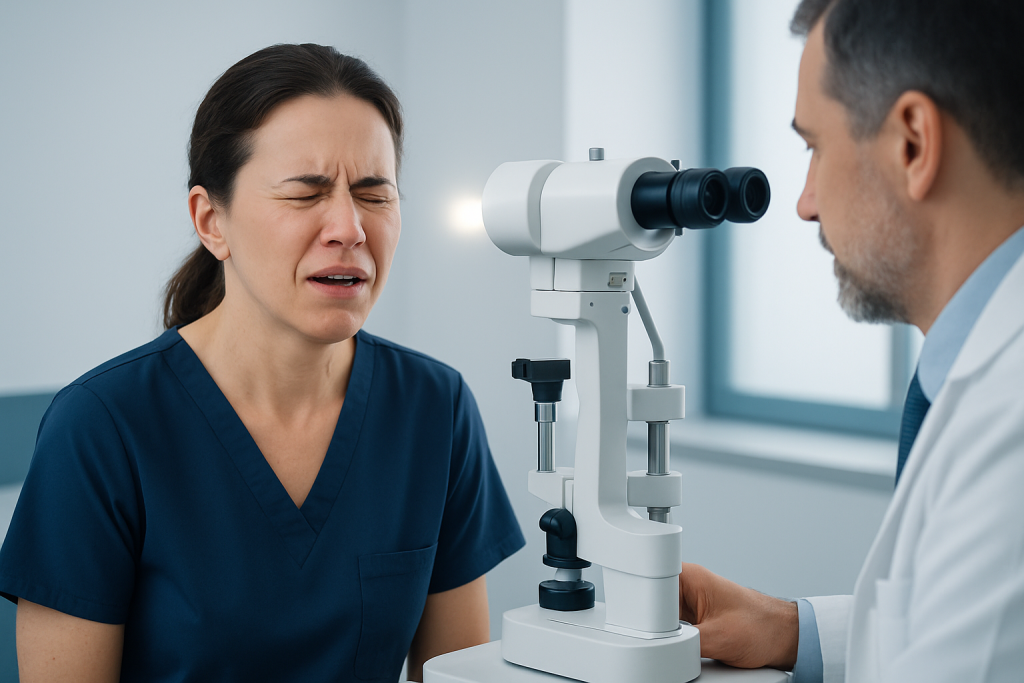
Sneezing is a protective reflex. Usually, it begins when the lining of the nose detects an irritant, such as dust, mucus, smoke, an allergen, or an infection. Sensory nerves send messages to areas of the brain that coordinate a forceful expulsion of air through the nose and mouth.
In the photic sneeze reflex, the trigger begins in the eyes rather than the nose. Bright light causes the pupils to constrict rapidly. One leading explanation is that signals traveling through the optic nerve and nearby facial sensory pathways may overlap or activate neighboring circuits, including branches of the trigeminal nerve that carry sensation from the face and nose. This may create a sneeze signal even when there is no nasal irritant.
The exact biological pathway has not been fully established. Another possibility is that sudden activation of the autonomic nervous system, which controls automatic functions such as pupil size and nasal secretions, contributes to the response. These theories help explain why a rapid change from dim to bright light often triggers sneezing more readily than steady light exposure.
Symptoms and Typical Patterns

The main symptom is a sudden sneeze or cluster of sneezes shortly after exposure to bright light. The response often occurs within seconds. Sunlight is a classic trigger, but reflections from water, snow, pale surfaces, vehicle windshields, camera flashes, bright examination lights, and powerful indoor lighting may also cause symptoms in susceptible people.
Some people notice a tickling sensation in the nose, watery eyes, or a brief feeling that a sneeze is about to happen. These sensations can occur as part of the normal sneeze process. Unlike allergic rhinitis, the photic sneeze reflex does not typically cause ongoing nasal congestion, repeated itching, persistent runny nose, or symptoms that continue after the bright-light exposure ends.
The number of sneezes varies widely. One person may have a single sneeze only occasionally, while another may sneeze several times every time they move into bright sunlight. The reflex itself should not cause fever, facial pain, thick discolored mucus, wheezing, chest tightness, or a long-lasting loss of smell. Such symptoms point to another possible cause and deserve clinical assessment.
Is It Genetic or Related to Allergies?
The photic sneeze reflex appears to run in families in some cases. The term ACHOO syndrome includes “autosomal dominant” because early observations suggested that a person with the trait may pass a tendency for it to their children. However, the genetics are likely more complex than a single gene in many families, and research has not identified one definitive cause for every person.
It is important to distinguish this reflex from allergies. Seasonal allergies can make a person sneeze outdoors because pollen, mold spores, or other airborne allergens irritate the nose. In contrast, photic sneezing occurs specifically after a sudden change in brightness and can happen even in clean environments with no pollen exposure. A person can have both conditions, which may make the pattern less obvious.
Other causes of recurrent sneezing include viral respiratory infections, nonallergic rhinitis, irritant exposure, medication effects, and structural or inflammatory nasal conditions. If the trigger is uncertain, keeping a short record of when symptoms happen, where they occur, and what accompanies them can help a clinician distinguish light-induced sneezing from other nasal symptoms.
How the Photic Sneeze Reflex Is Diagnosed
In most cases, diagnosis is based on a person’s description of a clear and repeatable pattern: sneezing promptly after moving into bright light, with few or no symptoms at other times. There is no routine blood test, scan, or specialized test needed to confirm the photic sneeze reflex. A healthcare professional may ask about family history, allergy symptoms, medicines, nasal irritation, and the circumstances in which sneezing occurs.
Testing is usually considered only when symptoms suggest another condition. For example, persistent congestion or itching may lead to allergy evaluation, while recurrent sinus pain, nosebleeds, or a one-sided blocked nose may require an examination by an ear, nose and throat specialist. A clinician may also assess the eyes if bright light causes pain, redness, reduced vision, or significant sensitivity beyond a brief sneeze response.
People should not deliberately stare at the sun or intense lights to test whether they have this reflex. Looking directly at the sun can damage the retina, even if it does not feel painful at the time. A reliable history is safer and more useful than intentional exposure.
Practical Management and Everyday Safety
Because the photic sneeze reflex is usually harmless, treatment is not generally required. Management focuses on reducing unexpected episodes and limiting situations in which a sneeze could interfere with safety. The simplest approach is to reduce sudden glare when moving from darker surroundings into a bright environment.
Helpful measures may include:
- Wearing sunglasses that provide appropriate ultraviolet protection outdoors.
- Using a brimmed hat or visor to reduce direct overhead light.
- Pausing briefly at a doorway or in a shaded area to allow the eyes to adjust before entering strong sunlight.
- Keeping vehicle sun visors clean and using them appropriately to reduce glare.
- Avoiding direct gaze toward the sun, reflections, or very bright light sources.
Extra caution is sensible when driving, cycling, using machinery, climbing stairs, or performing work that requires steady attention. If a person recognizes the early sensation of a sneeze while driving, they should maintain control of the vehicle, slow down when safe, and avoid actions that take their hands or focus away from the road. Sneezing should not be suppressed forcefully by pinching the nose and closing the mouth, as this can create pressure in the ears and upper airways.
When to Seek Medical Care
Occasional sneezing in bright light without other symptoms generally does not require medical treatment. However, a person should speak with a qualified healthcare professional if light-triggered sneezing is new, becoming much more frequent, disruptive at work or school, or creating a safety risk. An assessment can help identify allergies, nasal inflammation, medication effects, or another explanation that may be treatable.
Medical care is also appropriate if sneezing occurs with persistent nasal blockage, frequent nosebleeds, facial pressure, fever, a prolonged runny nose, reduced sense of smell, eye pain, marked redness, vision changes, wheezing, or shortness of breath. Urgent evaluation is needed for severe breathing difficulty, swelling of the lips or tongue, sudden vision loss, or symptoms following an eye injury.
For people whose symptoms need further assessment, Acibadem International’s multidisciplinary specialists and JCI-accredited hospitals diagnose and treat nasal, allergy, eye, and neurological concerns for international patients. A clinician can advise whether the pattern is consistent with the photic sneeze reflex and whether any additional evaluation is needed.
Frequently asked questions
Is the photic sneeze reflex dangerous?
The reflex itself is usually not dangerous and does not damage the nose, eyes, or brain. Its main concern is situational: an unexpected sneeze can briefly distract someone who is driving, cycling, operating equipment, or performing another safety-sensitive activity.
Why do I sneeze when I go outside in the sun?
A sudden increase in brightness can trigger a neural reflex in some people. Signals involved in pupil constriction may stimulate nearby facial sensory pathways that are linked to sneezing. This is different from sneezing caused by pollen, although both can occur outdoors.
Is photic sneezing an allergy to sunlight?
No. The photic sneeze reflex is not considered an allergy to sunlight. It is a nervous-system response to bright light, whereas allergies involve an immune response to substances such as pollen, dust mites, or animal dander.
Can the photic sneeze reflex be inherited?
It often appears to run in families, suggesting a genetic contribution. The exact inheritance pattern and genes involved are not fully understood, so having a parent with the reflex does not guarantee that a child will have it.
Can sunglasses prevent light-induced sneezing?
Sunglasses may reduce episodes by decreasing the amount of bright light entering the eyes, particularly during abrupt transitions into sunlight. They may not prevent every sneeze, but they can be a practical strategy when used with a hat, visor, or gradual adjustment to brighter conditions.
Should a person take antihistamines for photic sneezing?
Antihistamines are not usually needed for photic sneezing alone because the reflex is not typically caused by histamine or an allergy. They may be useful only when a clinician identifies coexisting allergic symptoms, such as itching, congestion, or recurrent runny nose.
References
- National Institutes of Health
- American Academy of Ophthalmology
- American Academy of Allergy, Asthma & Immunology
- Merck Manual Consumer Version
- Cleveland Clinic
This article is for general information only and is not a substitute for professional medical advice. Please consult a qualified doctor about your individual situation.
Explore treatments in Turkey — costs, top hospitals & a free quote
JCI-accredited · board-certified surgeons · reply within 24h
Add us as a Preferred Source to see more of our trusted health content across Google Search, AI Overviews and Discover.