

Physical Medicine and Rehabilitation: What PM&R Doctors Do

PM&R doctors are physicians who help patients restore function and quality of life after injury, illness, or disability. Treatment plans are personalized and may include exercise therapy, medications, injections, assistive devices, and coordinated rehabilitation care.
Key Takeaways
- PM&R doctors are physicians who help patients restore function and quality of life after injury, illness, or disability.
- Treatment plans are personalized and may include exercise therapy, medications, injections, assistive devices, and coordinated rehabilitation care.
- Physiatrists often work with physical therapists, occupational therapists, speech therapists, pain specialists, and surgeons.
- PM&R can help with back pain, stroke recovery, sports injuries, nerve problems, arthritis, spinal cord injury, and many other conditions.
- The goal is not only pain relief, but also better mobility, independence, and participation in daily life.
Physical medicine and rehabilitation, also called PM&R or rehabilitation medicine, focuses on improving movement, function, comfort, and independence. PM&R doctors, known as physiatrists, diagnose and treat conditions that affect the muscles, nerves, bones, brain, and daily functioning.
Overview: What Is Physical Medicine and Rehabilitation?
Physical medicine and rehabilitation is a medical specialty focused on helping people function as well as possible after an injury, illness, surgery, or chronic condition. It is often called PM&R, rehabilitation medicine, or physiatry. Rather than treating only one symptom or one body part, this specialty looks at the whole person, including movement, strength, sensation, pain, balance, communication, and ability to manage daily activities.
Doctors in this field are called physiatrists. They are medical doctors who evaluate how a health problem affects a person’s body and everyday life. A physiatrist may care for someone recovering from a stroke, living with chronic back pain, returning to activity after an orthopedic injury, or adapting to a long-term neurologic condition.
The main goals of PM&R are to reduce pain, improve physical function, support independence, and enhance quality of life. In some cases, rehabilitation helps a person recover skills they temporarily lost. In others, it helps them adapt safely and effectively to permanent changes in function.
What PM&R Doctors Do
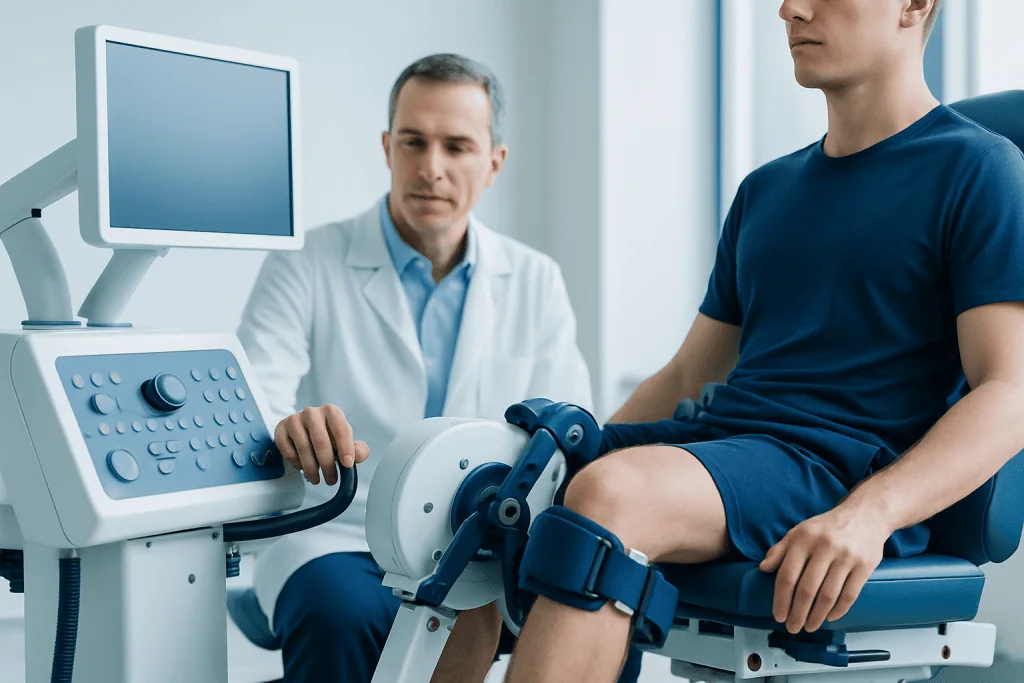
A PM&R doctor begins by understanding the patient’s symptoms, medical history, physical limitations, and personal goals. For one person, the goal may be returning to work. For another, it may be walking more comfortably, dressing independently, managing pain, or improving speech and swallowing after a neurologic event.
Physiatrists diagnose and treat conditions involving muscles, joints, bones, nerves, spinal structures, and the brain’s control of movement. They may assess weakness, numbness, balance problems, spasticity, coordination changes, musculoskeletal pain, and difficulties with mobility or self-care. Their training allows them to connect these symptoms to a broader rehabilitation plan.
They also coordinate care among different specialists and therapists. A PM&R doctor often works closely with physical therapy, occupational therapy, speech and language therapy, neurology, orthopedics, pain medicine, and primary care. This team-based approach is especially important when recovery is complex or when a person has more than one medical issue affecting function.
In some situations, physiatrists perform procedures as part of treatment. These may include joint or soft tissue injections, nerve-related injections, spasticity management, and electrodiagnostic studies such as nerve conduction testing and electromyography. The exact plan depends on the diagnosis and on what is most likely to improve comfort and function safely.
Conditions Commonly Managed in PM&R

PM&R doctors care for a wide range of conditions. Some are short-term and follow an injury or surgery, while others are chronic and require long-term support. The specialty includes both musculoskeletal rehabilitation and neurologic rehabilitation, making it useful for people with many different needs.
Common reasons to see a physiatrist include neck pain, low back pain, arthritis, sports injuries, tendon problems, nerve compression, and recovery after fractures or joint surgery. PM&R is also central to care after stroke, brain injury, spinal cord injury, amputations, and disorders that affect movement or muscle control.
Other patients may need rehabilitation because of deconditioning after a serious illness, cancer treatment, prolonged hospitalization, or age-related mobility decline. Some are referred for chronic pain that affects sleep, walking, work, or daily routines. When needed, a physiatrist may recommend further evaluation for related conditions such as spinal cord injury or stroke as part of a broader rehabilitation pathway.
- Back and neck pain
- Joint and soft tissue injuries
- Stroke and brain injury recovery
- Spinal cord injury and nerve disorders
- Arthritis and chronic musculoskeletal pain
- Balance, gait, and mobility problems
- Spasticity and muscle stiffness
- Post-surgical rehabilitation
Symptoms and Signs That May Lead to a PM&R Evaluation
Many people are referred to PM&R because pain or weakness is interfering with daily life. Common symptoms include difficulty walking, climbing stairs, lifting objects, getting dressed, using the hands, or standing comfortably for long periods. Others may notice limited joint motion, recurring injuries, numbness, tingling, poor balance, or fatigue during routine tasks.
Some symptoms appear after a clear event such as surgery, a fall, a sports injury, or hospitalization. Others develop gradually, as with chronic back pain, overuse problems, or neurologic disease. In children and older adults, rehabilitation needs may look different and can involve developmental, mobility, or safety concerns rather than pain alone.
A PM&R assessment is also helpful when recovery is slower than expected. If a person is not regaining strength, movement, or independence after treatment elsewhere, rehabilitation medicine may identify practical steps to improve function. This can include exercises, devices, pain management, home adaptations, or a more coordinated treatment plan.
How PM&R Doctors Diagnose Functional Problems
Diagnosis in PM&R starts with a detailed clinical evaluation. The physiatrist asks how symptoms began, what activities are affected, what treatments have already been tried, and what goals matter most to the patient. They then perform a focused physical examination that may assess posture, gait, strength, reflexes, flexibility, sensation, coordination, and joint motion.
Unlike a visit focused only on pain, a rehabilitation assessment often looks at how the body performs during real-life tasks. A doctor may ask how far the patient can walk, whether they can safely transfer from bed to chair, how they manage work demands, or whether they are at risk of falls. This helps shape a plan that is medically appropriate and meaningful for daily life.
When necessary, the physiatrist may request imaging tests, laboratory work, or specialized studies to clarify the cause of symptoms. Electrodiagnostic testing can help evaluate nerve and muscle disorders. Depending on the problem, the doctor may also coordinate with specialists in neurology, orthopedics and traumatology, or other departments.
Treatment Options in Rehabilitation Medicine
PM&R treatment is individualized. Two people with the same diagnosis may need very different plans depending on their age, physical condition, lifestyle, work, and goals. In many cases, treatment combines symptom relief with targeted therapy to rebuild strength, mobility, coordination, and endurance.
Therapy programs are a cornerstone of rehabilitation. Physical therapy may focus on movement, balance, flexibility, and strength. Occupational therapy helps patients regain skills for daily life such as dressing, bathing, writing, or using tools at work. Speech and language therapy may be included when communication, cognition, or swallowing is affected. Some patients also benefit from braces, splints, mobility aids, or adaptive equipment.
Medical treatment can include pain-relieving medicines, anti-inflammatory approaches, spasticity treatment, and image-guided or targeted injections when appropriate. For certain diagnoses, a physiatrist may recommend more specialized interventions such as stem cell therapy only when clinically suitable and available within a wider care plan, or referral for robotic rehabilitation to support repetitive, structured movement training in selected neurologic or mobility-related cases.
When a person’s needs are complex, inpatient or outpatient rehabilitation may be recommended. Inpatient rehabilitation provides intensive therapy and medical monitoring, while outpatient care offers structured therapy over time with the person returning home each day. The best setting depends on the severity of symptoms, safety needs, and expected pace of recovery.
Prevention, Self-care, and Living Well With Functional Limitations
Not every condition can be prevented, but many rehabilitation principles support long-term health. Staying physically active within a doctor’s guidance helps maintain strength, flexibility, cardiovascular fitness, and joint function. Good posture, safe lifting habits, ergonomic workspaces, and appropriate footwear may also reduce strain and help prevent reinjury.
Self-care is an important part of rehabilitation success. Patients often do best when they follow home exercise programs consistently, pace activities, and communicate openly about what is or is not helping. Managing sleep, stress, nutrition, and body weight can also influence recovery, pain, and energy levels.
For people living with chronic disability or long-term neurologic or musculoskeletal conditions, adaptation is just as important as recovery. Simple changes such as grab bars, mobility aids, seating adjustments, or energy-conservation strategies can improve safety and independence. Near the end of the care journey, some patients choose centers such as Acibadem International, where multidisciplinary specialists in JCI-accredited hospitals diagnose and treat rehabilitation needs for international patients.
When to See a Doctor
It is reasonable to see a doctor if pain, weakness, numbness, poor balance, or reduced mobility is limiting normal activities or not improving. Medical advice is also important when symptoms follow an injury, surgery, stroke, or hospitalization and function is not returning as expected. Early rehabilitation can sometimes prevent avoidable complications such as stiffness, falls, deconditioning, or loss of independence.
Urgent medical care is needed for warning signs such as sudden weakness, new loss of bladder or bowel control, severe unexplained pain, chest pain, trouble breathing, or signs of a possible stroke. Rehabilitation medicine can be very helpful, but emergency symptoms should be assessed right away through appropriate emergency services.
Even when symptoms are not urgent, a PM&R consultation may offer a clearer path forward. Patients often benefit from a plan that explains the cause of symptoms, realistic recovery goals, and practical next steps for improving function safely over time.
Frequently asked questions
What does a PM&R doctor do?
A PM&R doctor, or physiatrist, evaluates and treats problems that affect movement, comfort, and everyday function. The doctor focuses on helping patients reduce pain, improve mobility, and regain independence after injury, illness, surgery, or disability.
Is a physiatrist the same as a physical therapist?
No. A physiatrist is a medical doctor who diagnoses conditions, coordinates rehabilitation care, prescribes treatment, and may perform certain procedures. A physical therapist provides therapeutic exercises and movement-based treatment as part of the rehabilitation plan.
What conditions are treated in physical medicine and rehabilitation?
PM&R can help with back and neck pain, sports injuries, arthritis, nerve problems, stroke recovery, brain injury, spinal cord injury, balance problems, and chronic pain. It also supports recovery after surgery or prolonged hospitalization.
Do PM&R doctors perform procedures?
Yes, some do. Depending on training and the patient’s needs, a physiatrist may perform injections, spasticity treatments, and electrodiagnostic tests such as electromyography and nerve conduction studies.
When should someone see a PM&R specialist?
A PM&R specialist may be helpful when pain, weakness, limited movement, or difficulty with daily activities is not improving. Referral is also common after stroke, surgery, serious injury, or hospital stays when rehabilitation is needed.
Can PM&R help even if a condition is chronic?
Yes. PM&R is not only for short-term recovery. It can also help people with long-term conditions manage symptoms, preserve function, adapt safely, and maintain quality of life.
References
- World Health Organization
- American Academy of Physical Medicine and Rehabilitation
- National Institute of Neurological Disorders and Stroke
- National Institute of Arthritis and Musculoskeletal and Skin Diseases
- Centers for Disease Control and Prevention
This article is for general information only and is not a substitute for professional medical advice. Please consult a qualified doctor about your individual situation.
Explore treatments in Turkey — costs, top hospitals & a free quote
JCI-accredited · board-certified surgeons · reply within 24h
Add us as a Preferred Source to see more of our trusted health content across Google Search, AI Overviews and Discover.

More from the Health Library

Related Specialists

Dr. Birol Sarkut
Emergency Service
Assoc. Prof. Dr. Kamer Dere
Treatment of Pain Algology
Dr. Fatma Erbay Apaydın
Infectious Diseases & Clinical Microbiology
Assoc. Prof. Dr. Bahar Temur
Cardiovascular Surgery