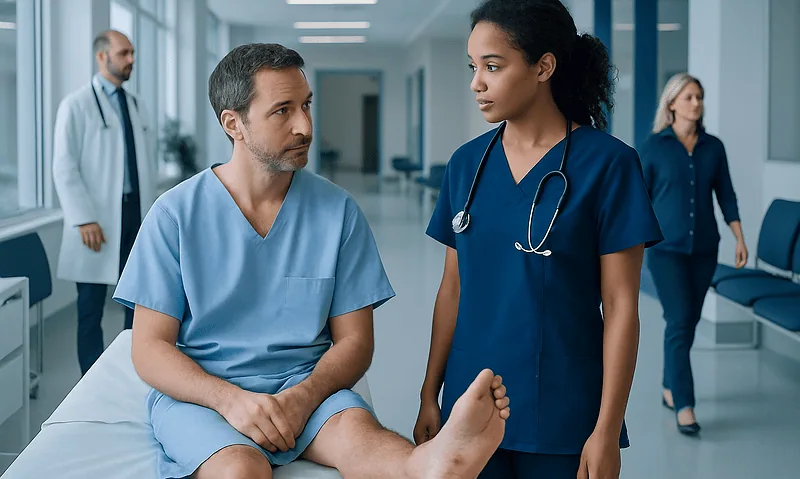
Physical Therapy Dance Medicine: How It Works, Results and What to Expect
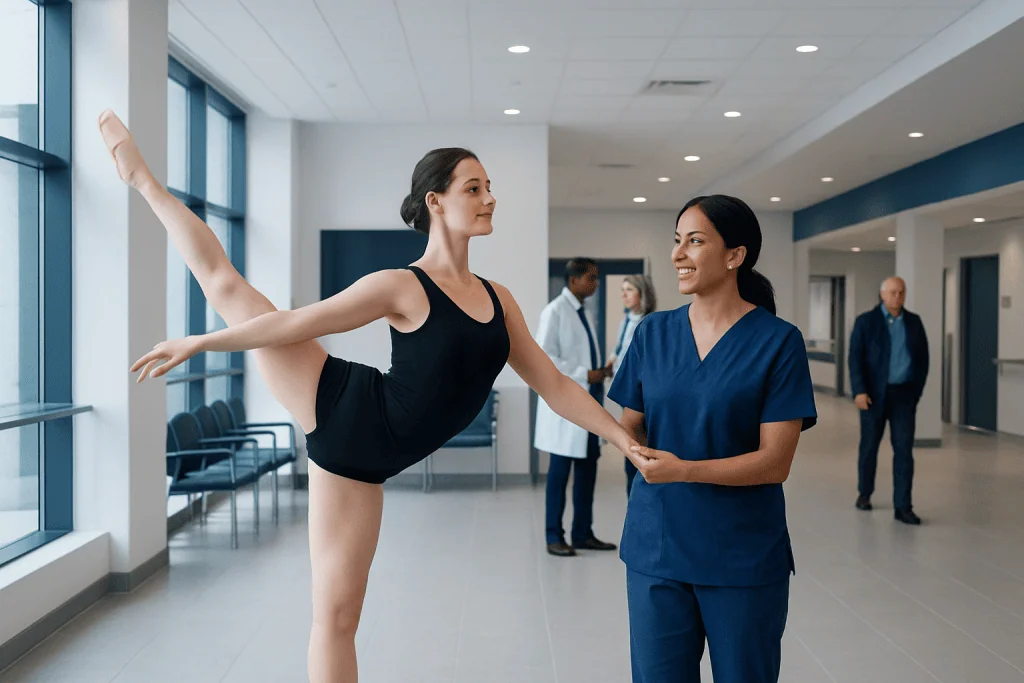
Dance medicine physical therapy combines standard rehabilitation with an understanding of dance technique, training loads, and performance demands. Assessment often includes movement observation, strength and balance testing, flexibility, and review of footwear, flooring, rehearsal schedules, and nutrition-related concerns.
Key Takeaways
- Dance medicine physical therapy combines standard rehabilitation with an understanding of dance technique, training loads, and performance demands.
- Assessment often includes movement observation, strength and balance testing, flexibility, and review of footwear, flooring, rehearsal schedules, and nutrition-related concerns.
- Progress varies by injury, but meaningful improvements in pain, confidence, and function may begin within weeks when the program is followed consistently.
- Dance rehabilitation should support a gradual return to class, rehearsal, and performance rather than an abrupt return after pain improves.
- Persistent pain, swelling, weakness, locking, numbness, or inability to bear weight should be assessed by a qualified clinician.
Physical therapy dance medicine is a specialized form of rehabilitation that evaluates a dancer’s movement demands, injury history, strength, flexibility, control, and technique-related loading. It helps dancers of all levels recover from injury, improve movement capacity, and return to dance with a plan tailored to their style and goals.
Overview: What Is Physical Therapy Dance Medicine?
Physical therapy dance medicine is rehabilitation designed around the physical and artistic demands of dance. It is delivered by a physiotherapist who understands how dancers move, train, and perform, often working alongside orthopedists, sports medicine doctors, nutrition professionals, and mental health specialists when needed. The aim is not simply to reduce pain; it is to restore safe, efficient movement for the dancer’s individual goals.
Dancers may place high and repetitive demands on the feet, ankles, knees, hips, spine, and core. Turnout, jumps, pointe work, floor work, flexibility requirements, and long rehearsal schedules can all influence an injury and recovery. Dance-focused physical therapy considers these details while using evidence-based rehabilitation methods such as therapeutic exercise, movement retraining, manual therapy when appropriate, education, and progressive return-to-sport principles.
This approach can be useful for recreational dancers, students, pre-professional performers, and professionals across ballet, contemporary, ballroom, jazz, hip-hop, folk dance, and other styles. It is also valuable for dancers who do not have a diagnosed injury but want guidance after recurring symptoms or during a return to training following time away.
How Physical Therapy Dance Medicine Works
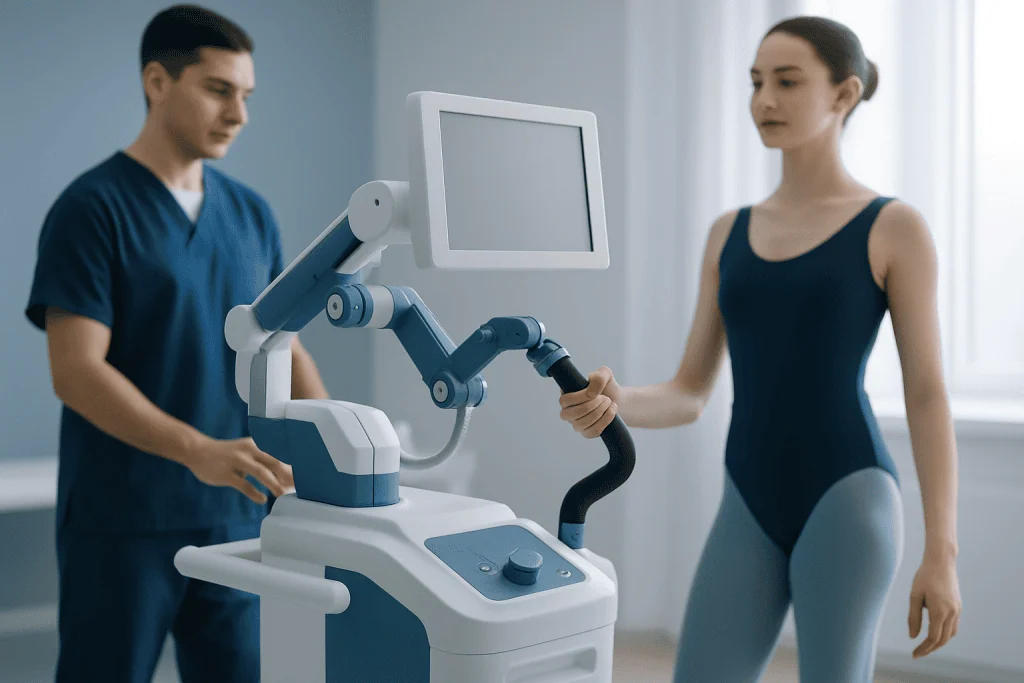
Dance medicine physical therapy begins by identifying why symptoms developed and what activities currently provoke them. A clinician may ask about the onset of symptoms, prior injuries, training volume, rehearsal and performance schedule, recent changes in intensity, sleep, recovery, footwear, and the specific movements that feel limited or painful. This helps distinguish a temporary overload problem from a condition requiring imaging, medical review, or a more protected recovery plan.
The physical assessment typically examines range of motion, muscle strength, joint control, balance, coordination, landing mechanics, and walking or running patterns where relevant. The therapist may also observe dance-specific tasks, such as plié, relevé, single-leg balance, turnout control, jumping, or a modified portion of choreography. Observation is used thoughtfully and respectfully, with the goal of understanding loading patterns rather than judging artistic ability.
A care plan may include progressive strengthening for the feet, calves, hips, and trunk; mobility work where there is a true limitation; balance and proprioception exercises; graded jumping and landing drills; and education about activity modification. The plan is regularly adjusted according to symptoms, function, and the dancer’s response to increasing load. For broader physical therapy and rehabilitation, goals may include returning to daily activities as well as dance participation.
Who May Benefit and What Conditions Does Dance Therapy Treat?

In this context, “dance therapy” can mean two different services. Dance/movement therapy is a mental health approach that uses movement within psychotherapy. Physical therapy dance medicine, by contrast, is a musculoskeletal rehabilitation service for dancers. A dance-focused physiotherapist treats physical symptoms and movement limitations, while referring to appropriate mental health professionals when psychological support would be helpful.
Physical therapy dance medicine may support recovery from common dance-related problems, including ankle sprains, Achilles tendon pain, calf strains, shin pain, patellofemoral knee pain, hip pain, low back pain, shoulder overuse injuries, and muscle strains. It can also be part of care for overuse concerns such as tendinopathy or stress-related bone injuries, although suspected bone stress injury needs timely medical assessment and may require a period of reduced weight-bearing or dance activity.
It may also help dancers with recurrent instability, reduced flexibility after an injury, poor landing control, reduced turnout control, or pain that appears after an increase in training. Some dancers benefit from a preventive assessment before intensive training periods. Conditions involving significant swelling, deformity, fever, unexplained weakness, nerve symptoms, or severe pain need medical evaluation before a return-to-dance plan is started.
What Happens During Assessment and Treatment?
The first appointment usually includes a detailed discussion and physical examination. The dancer should bring relevant imaging reports, previous treatment information, and a clear description of their training schedule if possible. Comfortable clothing that allows the clinician to observe the affected area and movement is useful; dancers may be asked to bring their usual footwear or dance shoes when appropriate.
After assessment, the therapist explains the likely contributing factors, the working diagnosis or rehabilitation focus, and the recommended next steps. If symptoms suggest a fracture, serious tendon injury, infection, nerve involvement, or another condition outside routine physiotherapy care, the therapist may recommend medical review, imaging, or referral to an orthopedic specialist. This coordinated approach helps ensure rehabilitation is based on an accurate diagnosis.
Treatment sessions commonly involve active exercise and education rather than passive care alone. A dancer may learn how to modify class participation, use a pain-monitoring strategy, warm up more effectively, and progress exercises at home. As symptoms improve, rehabilitation becomes more specific: for example, moving from basic calf strength to single-leg relevés, controlled jumps, directional changes, and dance-style practice.
For injuries involving joints, tendons, or bone, the rehabilitation plan may be coordinated with orthopedics and traumatology specialists. This is particularly important when pain persists despite appropriate load modification, when there has been acute trauma, or when a dancer is preparing to return after a confirmed structural injury.
How Long Does It Take to See Results From Physical Therapy?
Some people notice early changes in pain, confidence, movement awareness, or daily function within a few sessions or a few weeks. However, the time needed to achieve a stable return to dance depends on the diagnosis, how long symptoms have been present, tissue healing needs, training demands, sleep and recovery, and consistency with the rehabilitation plan. A mild strain may improve sooner than a stress injury, significant tendon problem, or recovery after surgery.
Progress is rarely perfectly linear. Symptoms can temporarily increase after a new exercise, longer rehearsal, or return to jumping, especially when the body is adapting to more load. The therapist uses these responses to adjust intensity and avoid both under-loading and over-loading the recovering area. A temporary reduction in dance participation does not necessarily mean a dancer is losing progress; it may be part of a safer progression.
Return to full performance is usually based on more than pain reduction. The dancer should be able to meet functional requirements such as strength, endurance, balance, and repeated dance-specific movements with acceptable symptoms and control. Clear milestones help make return-to-dance decisions more practical and less dependent on a single “good day.”
How Do You Know if Physical Therapy Is Working?
Physical therapy is working when meaningful function improves over time. This may include less pain during daily activities or dance, greater ankle or hip control, better tolerance for rehearsal, improved confidence with jumps or turns, and a reduced need to compensate through other body parts. The most relevant measure is whether the dancer can gradually do more of the movements that matter to them with safe mechanics and manageable symptoms.
Therapists also use repeatable measures, such as range of motion, strength testing, balance tasks, hop or jump testing when suitable, and dance-specific movement observation. These findings help show whether the body is tolerating greater load, even if the dancer still has some symptoms. Regular reassessment allows the program to progress rather than remaining at the same exercise level for too long.
It is important to communicate honestly if pain is worsening, new symptoms appear, exercises feel impossible, or the plan does not fit the dancer’s schedule. Rehabilitation should be individualized. If expected progress is not occurring, the clinician may reassess the diagnosis, investigate contributing factors, or recommend additional medical evaluation.
Benefits, Limits, Risks, and Recovery Timeline
The potential benefits of dance-focused rehabilitation include improved strength, movement control, load tolerance, and understanding of how to manage training demands. It can help dancers return to class and performance in stages, rather than relying on complete rest followed by an abrupt return. Education about recovery, technique-related loading, and pacing can also reduce the chance of repeating the same overload pattern.
Physical therapy is generally low risk when it is individualized and progressed appropriately. Temporary muscle soreness or mild symptom fluctuation can occur as activity increases. Exercises should not cause severe, sharp, escalating, or persistent pain. A dancer should tell the therapist about swelling, bruising, catching or locking of a joint, instability, numbness, tingling, or symptoms that do not settle as expected.
A typical recovery plan moves through phases: calming symptoms and protecting injured tissue when needed; restoring movement and basic strength; building single-leg control, endurance, and impact tolerance; and then returning to dance-specific skills, rehearsals, and performances. The timing of each phase differs between individuals. Continuing selected strength and control exercises after return can support long-term resilience.
Acibadem International’s multidisciplinary specialists and JCI-accredited hospitals can assess musculoskeletal concerns and coordinate rehabilitation for international patients when specialist care is needed.
What Hormone Is Released When You Dance?
Dancing and other enjoyable physical activity can stimulate the release of several brain chemicals involved in mood, motivation, and stress response. These may include endorphins, which are associated with reduced pain perception and a sense of well-being, as well as dopamine and serotonin pathways that contribute to reward and mood regulation. The effects differ from person to person and are influenced by intensity, environment, music, social connection, and overall health.
Dance should not be viewed as a replacement for medical or mental health treatment when a person has persistent depression, anxiety, disordered eating, or another health concern. However, enjoyable movement can be a positive part of a wider well-being plan when it is safe and appropriate for the individual’s physical condition.
For an injured dancer, the goal is to preserve the benefits of movement without aggravating the injury. A physiotherapist can often suggest modified conditioning or alternative activities while a dancer rebuilds the capacity needed for their usual style and training level.
When to Seek Medical Care
A dancer should seek prompt medical assessment after an acute injury with severe pain, visible deformity, inability to bear weight, major swelling, a popping sensation followed by loss of function, or suspected fracture or dislocation. Urgent care is also appropriate for fever with a painful, swollen joint; a cold, pale, or numb limb; or new loss of bowel or bladder control with severe back symptoms.
Non-urgent medical review is recommended for pain that lasts more than several days despite reducing aggravating activity, pain that repeatedly returns with training, night pain, progressive weakness, numbness or tingling, or focal bone tenderness. Early assessment is particularly important for possible stress injuries, because continuing impact activity may worsen them.
It is sensible to consult a qualified clinician before returning to full dance after a significant injury or surgery. A structured plan can account for clinical healing, functional testing, and the specific demands of the dancer’s technique, schedule, and performance goals.
Frequently asked questions
What is physical therapy dance medicine?
Physical therapy dance medicine is a rehabilitation approach for dancers that combines standard physiotherapy with knowledge of dance movements, training patterns, and performance demands. It helps address injury, pain, reduced movement control, and return-to-dance planning.
How long does it take to see results from physical therapy?
Some dancers notice early improvements in symptoms or movement within a few weeks, but the overall timeline depends on the injury and the demands of their dance activity. A safe return to full dancing may take longer because strength, control, and impact tolerance need to be rebuilt progressively.
What conditions does dance therapy treat?
Dance-focused physical therapy can help with musculoskeletal problems such as ankle sprains, tendon pain, muscle strains, knee pain, hip pain, low back pain, and overuse injuries. Dance/movement therapy is different: it is a psychotherapy approach that uses movement to support emotional well-being.
How do you know if physical therapy is working?
Signs of progress include improved ability to walk, train, rehearse, or perform with less pain and better control. A therapist may also document improvements in strength, balance, range of motion, and dance-specific tasks over repeated visits.
What hormone is released when you dance?
Dancing may stimulate endorphins and influence dopamine and serotonin pathways, which can support feelings of enjoyment and well-being. These effects vary, and dance is not a substitute for medical or mental health care when treatment is needed.
Can a dancer continue classes during physical therapy?
Many dancers can continue selected elements of class, depending on the diagnosis and symptom severity. A physiotherapist may recommend modifying jumps, pointe work, turns, floor work, or rehearsal duration while maintaining safe conditioning and technique practice.
References
- American Physical Therapy Association
- International Association for Dance Medicine & Science
- American Academy of Orthopaedic Surgeons
- National Institute of Arthritis and Musculoskeletal and Skin Diseases
- World Health Organization
This article is for general information only and is not a substitute for professional medical advice. Please consult a qualified doctor about your individual situation.
Explore treatments in Turkey — costs, top hospitals & a free quote
JCI-accredited · board-certified surgeons · reply within 24h
Add us as a Preferred Source to see more of our trusted health content across Google Search, AI Overviews and Discover.