

Physical Therapy: Early Signs, Risk Factors, and How It Is Treated
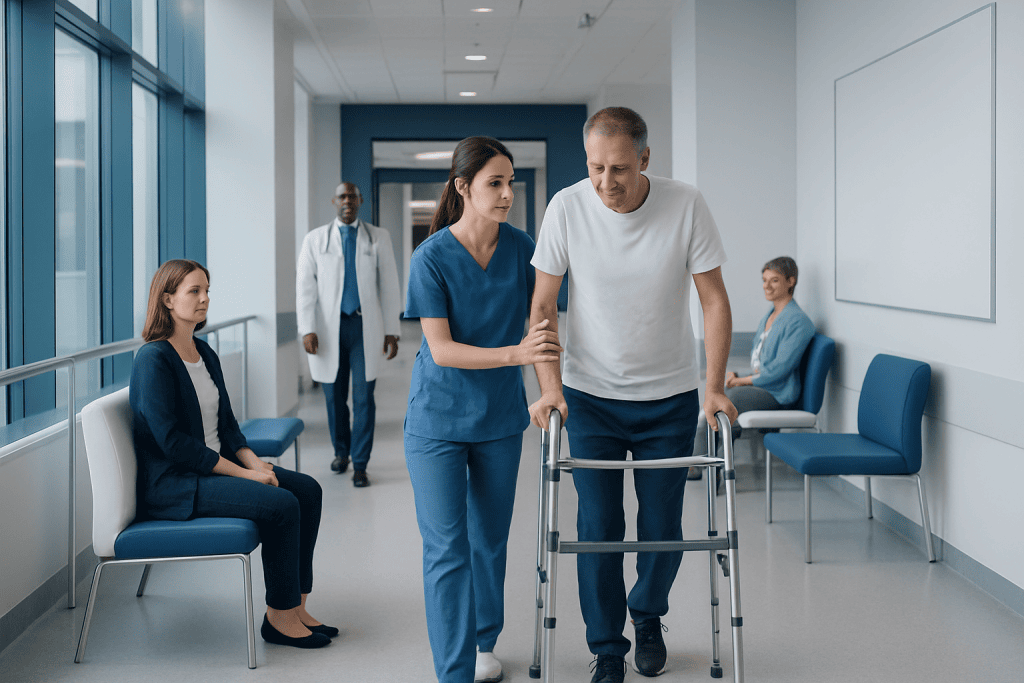
Physical therapy focuses on restoring movement, function, and independence. It may help with pain, stiffness, weakness, balance problems, and recovery after surgery or illness.
Key Takeaways
- Physical therapy focuses on restoring movement, function, and independence.
- It may help with pain, stiffness, weakness, balance problems, and recovery after surgery or illness.
- Treatment often combines exercise, manual techniques, education, and home-based strategies.
- Early assessment can support safer recovery and help prevent long-term movement problems.
- A physical therapist adjusts the plan over time based on goals, symptoms, and progress.
Physical therapy is a treatment approach that helps people move better, reduce pain, and regain strength, balance, and daily function. It is commonly used after injury, surgery, neurological conditions, or chronic musculoskeletal problems, with a plan tailored to each person’s needs.
Overview: What physical therapy is and who it helps
Physical therapy is a healthcare treatment that aims to improve movement, reduce pain, and support recovery after injury, surgery, illness, or chronic physical limitations. It uses a personalized plan that may include guided exercises, hands-on techniques, posture and movement training, and advice for daily activities. The goal is not only symptom relief, but also better function and a safer return to work, sport, or routine life.
Although many people associate physical therapy with sports injuries, it has a much wider role. It may be recommended for back and neck pain, joint stiffness, muscle weakness, balance problems, stroke recovery, arthritis, and rehabilitation after orthopedic or neurological treatment. It can also support breathing control, mobility after hospitalization, and long-term management of conditions that affect strength or coordination.
Physical therapy is usually provided by a licensed physical therapist, sometimes working with rehabilitation physicians, orthopedic specialists, neurologists, or pain experts. The treatment plan is tailored to the person’s age, diagnosis, goals, activity level, and general health. In many cases, starting therapy early can help prevent deconditioning, protect healing tissues, and improve confidence with movement.
Early signs that physical therapy may be helpful
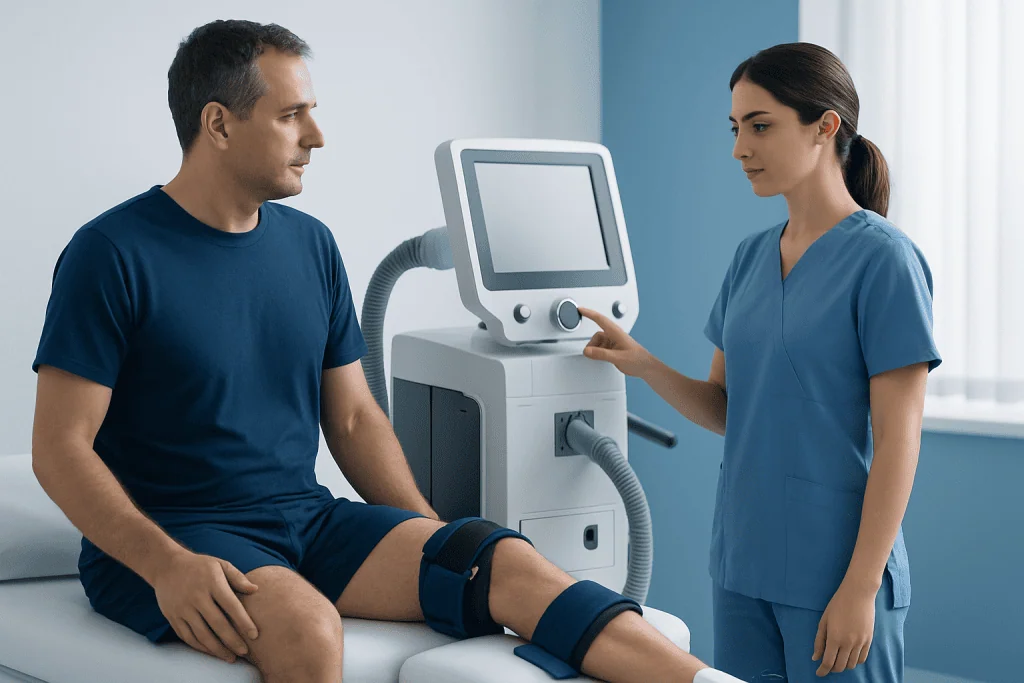
Physical therapy is not a disease, so it does not have symptoms of its own. Instead, there are signs that someone may benefit from it. One of the earliest clues is pain or stiffness that begins to limit normal activities, such as walking, climbing stairs, reaching overhead, turning the neck, or getting up from a chair. Difficulty returning to usual activity after an injury or flare-up is another common sign.
People may also notice weakness, poor balance, reduced endurance, or a feeling that one side of the body is not working as well as before. After surgery, a person might struggle with swelling, reduced joint motion, or fear of moving the affected area. Following a stroke or neurological illness, signs such as altered gait, coordination problems, or trouble with transfers can suggest a need for structured rehabilitation.
Other situations include recurrent injuries, pain that returns with the same activity, or compensatory movements such as limping, guarding, or overusing another body part. In children and older adults, delayed motor skills, frequent falls, or loss of independence in daily tasks may also prompt referral. These early signs do not always mean a serious condition, but they can indicate that professional assessment could help restore function more efficiently.
- Pain with movement that does not improve as expected
- Stiffness or reduced flexibility affecting daily tasks
- Weakness after injury, surgery, or illness
- Balance problems, dizziness with movement, or falls
- Difficulty walking, climbing stairs, or returning to exercise
Common reasons people need physical therapy
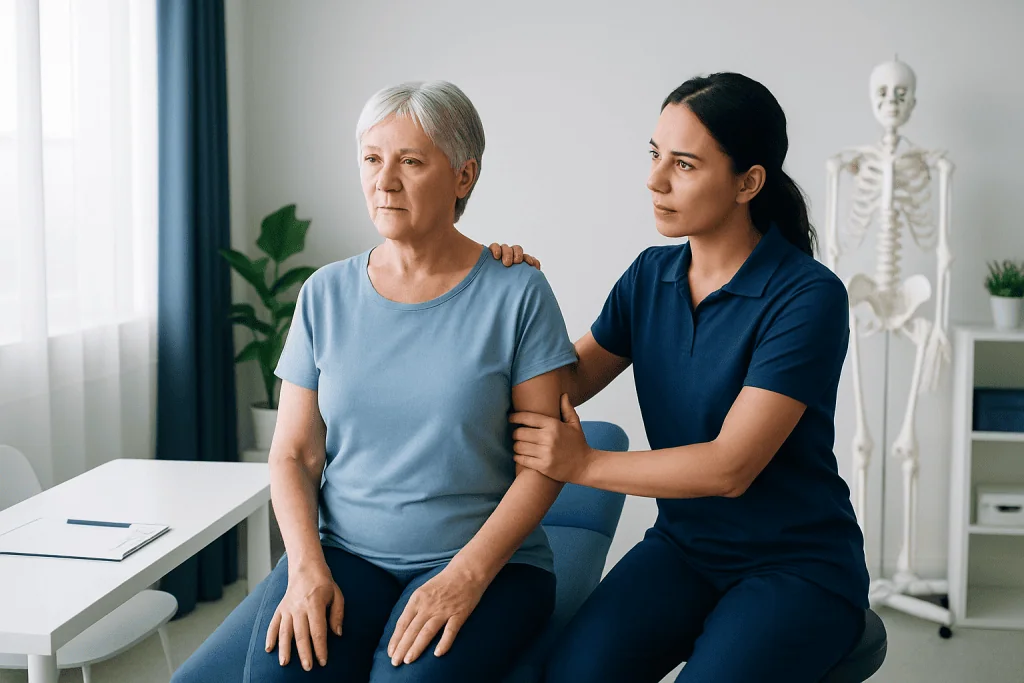
Physical therapy may be recommended for many different health concerns. Musculoskeletal problems are among the most common reasons, including back pain, neck pain, shoulder injuries, tendon problems, arthritis, and recovery from fractures or ligament injuries. It is often an important part of care for herniated disc-related pain, movement restriction, and return to normal activity.
It also plays a major role after surgery. People recovering from joint replacement, spinal procedures, fracture repair, or ligament reconstruction may need physical therapy to rebuild strength, improve range of motion, and learn safe movement patterns. In these cases, rehabilitation can work alongside knee replacement or hip replacement care plans to support function and mobility over time.
Neurological and balance-related conditions are another major area. Therapy may help after stroke, spinal cord injury, multiple sclerosis, Parkinsonian movement problems, or prolonged hospitalization. It can also support people with chronic pain syndromes, workplace injuries, sports injuries, or age-related decline in strength and confidence. In many situations, therapy is used not only for recovery, but also to prevent complications such as falls, contractures, or loss of conditioning.
Risk factors for needing physical therapy
Several factors make it more likely that a person will need physical therapy at some point. Injury is one of the clearest examples, whether from sports, exercise, work-related strain, traffic accidents, or falls. Surgery is another common trigger, especially procedures involving the joints, bones, spine, or nervous system. A period of immobilization, bed rest, or hospitalization can quickly lead to weakness and reduced endurance, making rehabilitation important.
Chronic medical conditions also increase the need for therapy. Arthritis, osteoporosis, diabetes-related nerve problems, obesity, and neurological disorders can affect movement quality and physical function. Repetitive activities, poor ergonomics, and prolonged sitting may contribute to muscle imbalances, posture-related pain, and overuse injuries. Older adults are at increased risk because aging can affect strength, balance, reaction time, and flexibility.
Some people are more likely to need ongoing or repeat therapy rather than a short course. This includes those with demanding physical jobs, previous injuries, unresolved movement patterns, or chronic pain that has reduced activity for a long time. Identifying these risk factors early can help clinicians recommend exercises, movement changes, and supportive rehabilitation before disability becomes more limiting.
How physical therapists assess movement and function
The first physical therapy visit usually begins with a detailed discussion about symptoms, medical history, activity demands, and personal goals. The therapist may ask when the problem started, what makes it better or worse, and how it affects sleep, walking, work, exercise, or self-care. This conversation helps shape a plan that is realistic and relevant to the person’s daily life.
The physical examination often includes posture review, joint range of motion, muscle strength testing, flexibility, balance, gait analysis, and functional tasks such as standing, bending, reaching, or climbing steps. For neurological concerns, the therapist may check coordination, sensation, reflexes, and transfer ability. Standardized outcome measures are sometimes used to track pain, disability, endurance, or fall risk over time.
In some cases, physical therapy assessment is one part of a broader diagnostic process. The therapist may work with physicians who use imaging or specialist evaluation when needed, especially if there are red flags such as severe trauma, rapidly worsening weakness, or symptoms suggesting a condition like scoliosis or spinal nerve compression. A careful assessment helps identify not only where pain is felt, but also which movement patterns may be contributing to it.
How physical therapy is treated in practice
Physical therapy treatment is usually a combination of active rehabilitation and education. Exercise is a central part of care and may include stretching, strengthening, stability work, balance drills, walking practice, endurance training, and gradual return-to-activity programs. The exact program depends on the diagnosis and the person’s goals, such as lifting a child, returning to sport, or walking safely without support.
Hands-on treatment may also be used when appropriate. This can include joint mobilization, soft tissue techniques, assisted stretching, and movement guidance to reduce stiffness and improve comfort. Therapists often teach posture correction, body mechanics, and practical strategies for sitting, sleeping, lifting, or working at a desk. Home exercise programs are important because regular practice between visits often shapes long-term results.
Some people benefit from multidisciplinary care. For example, those recovering from major joint problems may combine therapy with orthopedic treatment such as robotic knee replacement surgery rehabilitation pathways, while others may need pain medicine review, occupational therapy, or neurological follow-up. Progress is typically reviewed over time, and the program is adjusted as pain decreases, mobility improves, or new goals emerge.
Supportive methods such as heat, ice, electrical stimulation, taping, or assistive devices may be used in selected cases, but they are usually not the main focus. Modern physical therapy generally emphasizes helping people move with more confidence, strength, and control rather than relying only on passive treatments. A successful plan should feel individualized, progressive, and aligned with the person’s everyday needs.
Self-care, prevention, and getting the most from therapy
Physical therapy often works best when clinic-based treatment is paired with self-care at home. Following the prescribed exercise program, pacing activities, and protecting healing tissues are all important. Good sleep, hydration, and overall nutrition can also support recovery, especially after surgery or periods of illness. For many people, consistency matters more than intensity.
Prevention strategies depend on the cause of the problem, but some broad principles apply widely. Regular physical activity helps maintain strength, flexibility, and balance. Warm-up before sport, ergonomic workstations, safe lifting habits, and well-fitted footwear may lower the risk of strain or repeat injury. For older adults, home safety measures and balance training can help reduce fall risk.
It is also helpful to know that some discomfort during rehabilitation can be normal, while sharp or clearly worsening pain should be discussed. Patients should tell their therapist if symptoms change, exercises feel too difficult, or daily function is declining. Near the end of treatment, many people transition to a maintenance routine so the gains from therapy continue after formal sessions have finished.
For international patients who need coordinated rehabilitation, Acibadem International’s multidisciplinary specialists and JCI-accredited hospitals diagnose and treat movement, orthopedic, and neurological conditions with individualized care plans.
When to seek medical care
A doctor or physical therapist should be consulted when pain, weakness, stiffness, or balance problems interfere with normal activities or do not improve as expected. Medical review is also important after surgery, fractures, sports injuries, or hospital stays if movement remains limited. Early evaluation can help clarify whether therapy is appropriate and whether other tests or treatments are needed.
Prompt medical attention is especially important if symptoms are sudden, severe, or accompanied by warning signs. These may include numbness, loss of bladder or bowel control, chest pain, shortness of breath, fever, unexplained swelling, or rapidly worsening weakness. Such symptoms may point to a condition that needs urgent assessment rather than routine rehabilitation.
People do not need to wait until a problem becomes disabling before asking for help. If walking, work tasks, exercise, sleep, or self-care are being affected, a structured rehabilitation plan may improve safety and quality of life. A qualified clinician can help identify the cause and guide the next steps.
Frequently asked questions
What is physical therapy used for?
Physical therapy is used to improve movement, reduce pain, and restore function after injury, surgery, illness, or chronic physical limitations. It is commonly recommended for joint and muscle problems, balance difficulties, neurological recovery, and rehabilitation after hospitalization.
Is physical therapy the same as exercise?
Not exactly. Exercise is a major part of physical therapy, but treatment also includes assessment, movement training, education, and sometimes hands-on techniques or assistive strategies. The program is designed around a specific medical need and functional goal.
How long does physical therapy take to work?
The timeline varies depending on the condition, severity, overall health, and how consistently the plan is followed. Some people notice early improvement within a few sessions, while others need a longer rehabilitation period after surgery or neurological illness.
Can physical therapy help chronic pain?
Yes, it can help many people with chronic pain by improving strength, flexibility, posture, and movement patterns. It does not cure every cause of pain, but it may reduce pain intensity and improve confidence and daily function over time.
Does physical therapy hurt?
Some exercises or movements may cause mild temporary discomfort, especially early in recovery, but treatment should not feel harmful or uncontrolled. Patients should tell the therapist if pain is sharp, severe, or clearly worsening so the plan can be adjusted safely.
Do I need physical therapy after surgery?
Many people do, especially after orthopedic, spine, or neurological procedures. Physical therapy can help restore joint motion, rebuild strength, improve walking and balance, and guide a safer return to normal activity.
References
- World Health Organization
- American Physical Therapy Association
- National Institute of Neurological Disorders and Stroke
- National Institute of Arthritis and Musculoskeletal and Skin Diseases
- Centers for Disease Control and Prevention
This article is for general information only and is not a substitute for professional medical advice. Please consult a qualified doctor about your individual situation.
Joint and spine care in Turkey — expert assessment & treatment
JCI-accredited · board-certified surgeons · reply within 24h
Add us as a Preferred Source to see more of our trusted health content across Google Search, AI Overviews and Discover.

More from the Health Library

Related Specialists

Assoc. Prof. Dr. Çağlar Ruhi
Nephrology
Prof. Dr. Salih Serdar Erturan
Pulmonology
Assoc. Prof. Dr. Berkin Toker
Orthopedic Surgery & Traumatology
Dr. Mustafa Engin Çakmakçı
Otorhinolaryngology