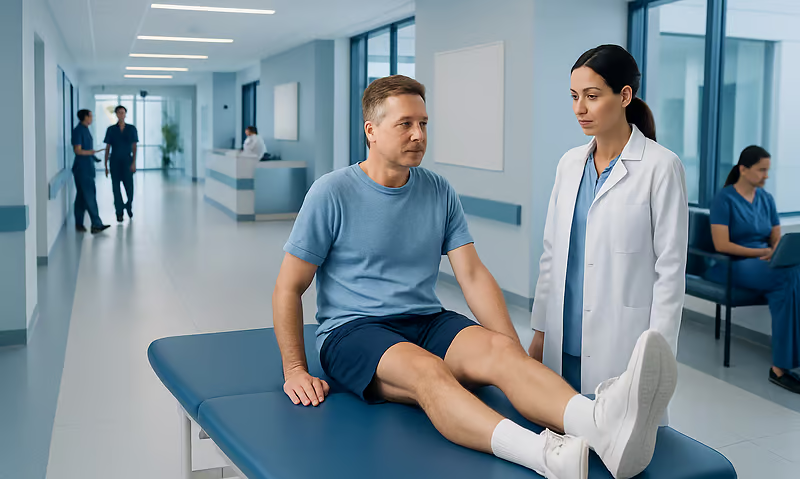
Physiotherapy After Knee Replacement: Exercises and Recovery Milestones
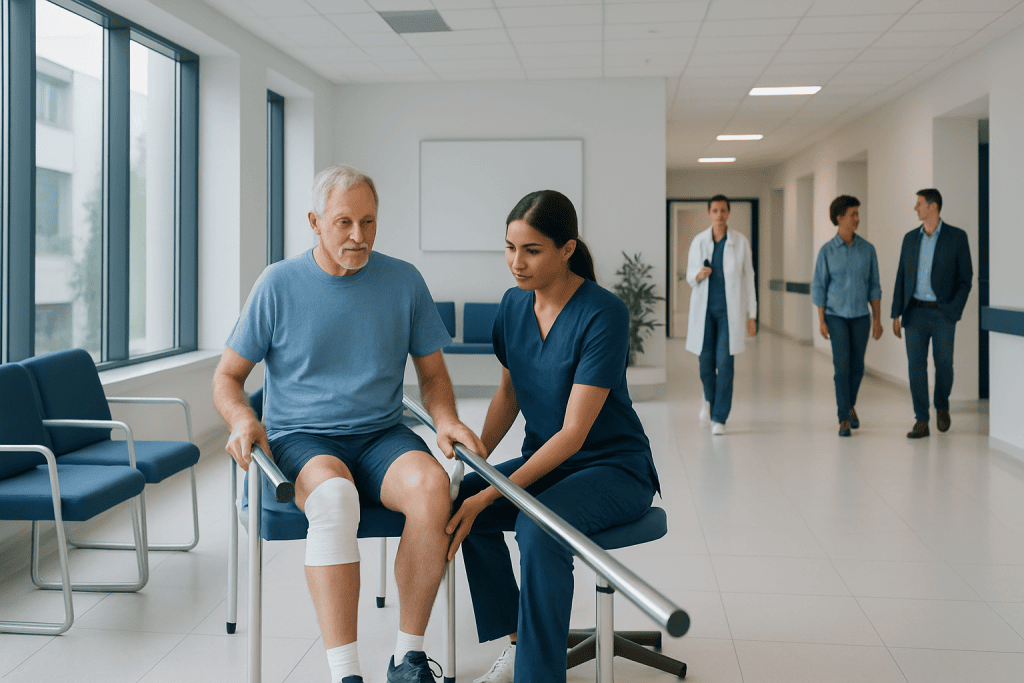
Early movement after knee replacement is important, but exercises should be done exactly as instructed by the healthcare team. Recovery milestones vary by age, general health, pre-surgery fitness, pain control and whether there are any complications.
Key Takeaways
- Early movement after knee replacement is important, but exercises should be done exactly as instructed by the healthcare team.
- Recovery milestones vary by age, general health, pre-surgery fitness, pain control and whether there are any complications.
- Common goals include reducing swelling, improving knee bending and straightening, walking safely and gradually returning to daily activities.
- Warning signs such as increasing redness, calf pain, chest pain, fever or sudden worsening pain should be reported promptly.
- Long-term success depends on consistent home exercises, safe activity choices and regular follow-up with the orthopedic and rehabilitation team.
Physiotherapy after knee replacement helps restore knee movement, strength, balance and confidence in daily activities. A structured rehabilitation plan, guided by the surgical and physiotherapy team, supports safe progress through each stage of recovery.
Overview
Knee replacement surgery, also called knee arthroplasty, is performed to replace damaged joint surfaces with artificial components. It is commonly recommended when knee arthritis or joint damage causes pain, stiffness and reduced mobility that no longer respond well to non-surgical treatment. Physiotherapy after knee replacement is a key part of recovery because the new joint needs guided movement, muscle strengthening and functional retraining.
Rehabilitation usually begins very soon after surgery, often on the same day or the next day, depending on the person’s condition and the surgeon’s instructions. The first goals are simple but important: helping the patient get out of bed safely, start walking with support, reduce stiffness and learn how to protect the knee. Over time, therapy progresses toward better range of motion, stronger leg muscles, improved balance and a more natural walking pattern.
Every recovery plan should be individualized. A person who was active before surgery may progress differently from someone with long-term weakness, heart or lung disease, diabetes, obesity or other joint problems. The physiotherapist and orthopedic team adjust the program according to pain, swelling, wound healing, knee movement, strength and overall safety.
Recovery Milestones After Knee Replacement
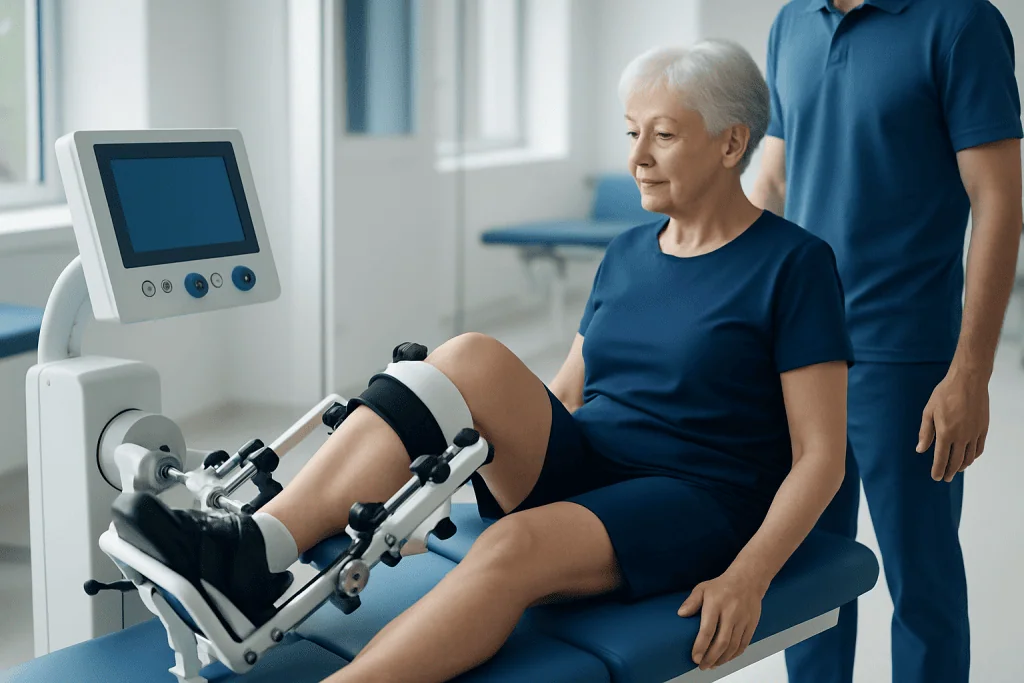
Recovery after knee replacement is usually measured in milestones rather than fixed deadlines. Many patients stand and take a few steps with a walker or crutches in the hospital, then continue exercises at home or in an outpatient rehabilitation setting. The early phase focuses on safe transfers, walking short distances, controlling swelling and achieving good knee straightening.
During the first several weeks, the patient is often working toward bending the knee enough for sitting, standing from a chair, getting in and out of bed and using stairs with guidance. The ability to walk longer distances usually improves gradually as pain and swelling decrease. Some people may still need a walking aid for several weeks, while others progress sooner; the correct timing should be decided by the care team.
By the later recovery phase, rehabilitation commonly emphasizes endurance, balance, stair confidence and return to routine activities such as shopping, household tasks and gentle recreational exercise. Full recovery can continue for many months as strength, flexibility and confidence improve. It is normal for progress to feel uneven at times, especially after a busy day, but persistent decline should be discussed with a doctor or physiotherapist.
Early Physiotherapy Exercises
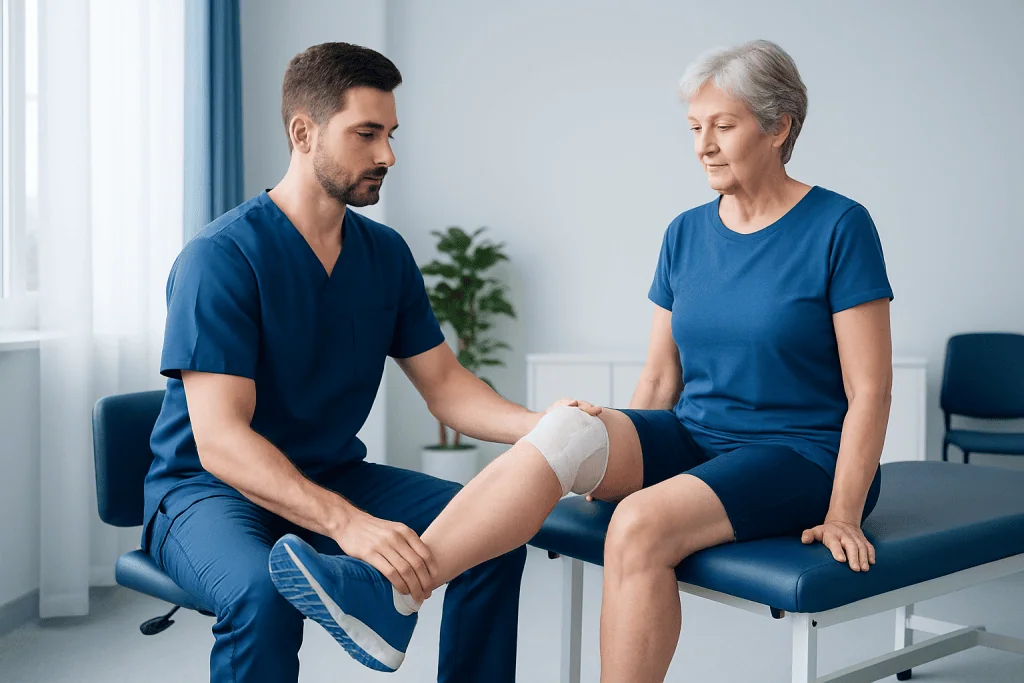
Early knee replacement exercises are designed to improve circulation, reduce stiffness and gently activate the muscles around the knee and hip. They should be performed only as instructed, especially in the first days after surgery. Pain should be manageable during exercise; sharp pain, sudden swelling or a feeling that something is wrong should be reported.
Common early exercises may include ankle pumps, thigh muscle tightening, gentle knee bending while lying or sitting, and straightening the knee fully with the leg supported as advised. These movements may look simple, but they help prevent stiffness and support safer walking. Breathing exercises and frequent position changes may also be recommended in the hospital to support general recovery.
Examples of commonly prescribed early exercises include:
- Ankle pumps: Moving the feet up and down to encourage circulation.
- Quadriceps sets: Tightening the front thigh muscle while keeping the knee straight.
- Heel slides: Sliding the heel toward the body to gently bend the knee.
- Knee extension practice: Encouraging the knee to straighten as advised by the therapist.
- Short walks: Walking with the recommended aid and supervision when needed.
Strength, Balance and Walking Training
As healing progresses, physiotherapy becomes more active. Strengthening exercises usually target the quadriceps, hamstrings, hip muscles and calf muscles because these muscle groups support the knee during standing, walking and stair climbing. Weakness is common after surgery, and rebuilding strength is essential for a stable, confident gait.
Walking training is another central part of total knee replacement rehabilitation. A physiotherapist teaches the patient how to use a walker, crutches or cane correctly, how much weight to place through the operated leg, and how to avoid limping habits. When it is safe, the patient may gradually transition to a less supportive aid and eventually to walking without one.
Balance and functional exercises may be introduced when the knee is ready. These can include supported standing weight shifts, step practice, sit-to-stand exercises and controlled stair training. The aim is not only to strengthen the knee but also to restore confidence in everyday movements, such as turning, reaching, carrying light objects and walking on different indoor surfaces.
Pain, Swelling and Stiffness Management
Some pain, warmth, swelling and stiffness are expected after knee replacement, particularly after exercise or activity. These symptoms should gradually improve, although swelling can fluctuate for a period of time. Good pain and swelling control helps the patient participate more effectively in physiotherapy and sleep more comfortably.
The healthcare team may recommend a combination of prescribed pain medicines, cold therapy, leg elevation, gentle movement and activity pacing. Medicines should be taken only as directed, and patients should inform their doctor about allergies, stomach problems, kidney disease, blood thinners or other medications. Ice or cold packs should be used safely with a barrier to protect the skin.
Stiffness is best managed with regular, gentle motion rather than long periods of immobility. However, doing too much too soon may increase swelling and discomfort. A helpful approach is to balance short activity periods with rest, elevate the leg when advised, and follow the home exercise program consistently rather than forcing aggressive movements.
Safety at Home and Daily Activities
Preparing the home environment can make recovery safer and less stressful. Clear walkways, remove loose rugs, improve lighting and keep commonly used items within easy reach. A stable chair with armrests, a raised toilet seat if recommended, and safe shower arrangements may reduce strain and fall risk during the early weeks.
Daily activities should be resumed gradually. Patients are usually taught how to get in and out of bed, sit down and stand up, use stairs and enter a car safely. Driving, returning to work and resuming travel depend on the operated side, use of pain medication, reaction time, mobility, job demands and the surgeon’s clearance.
Low-impact activities are generally preferred after knee replacement once the doctor approves them. Walking, stationary cycling, swimming or water exercises may be suitable for many people. High-impact activities or contact sports may place unnecessary stress on the artificial joint and should be discussed with the orthopedic surgeon before participation.
When to See a Doctor
Follow-up appointments are important to monitor wound healing, knee movement, implant position and overall recovery. Patients should contact their healthcare team if they notice symptoms that are unusual, worsening or concerning. Early advice can help prevent minor issues from becoming more difficult to manage.
Medical attention should be sought promptly for increasing redness, drainage from the wound, fever, chills, sudden worsening pain, new inability to bear weight, or a marked increase in swelling. Calf pain, unusual calf swelling, shortness of breath, chest pain or coughing blood require urgent assessment because they may suggest a blood clot or another serious condition.
Patients should also seek guidance if progress seems to stop for a prolonged period, if the knee cannot straighten or bend as expected, or if fear of movement is limiting recovery. Acibadem International’s multidisciplinary orthopedic and rehabilitation specialists, within JCI-accredited hospitals, diagnose and treat knee replacement patients including international patients, with rehabilitation plans tailored to clinical needs.
Long-Term Recovery and Self-Care
Physiotherapy after knee replacement does not end when the patient can walk around the house. Long-term recovery depends on maintaining strength, flexibility and healthy movement habits. Continuing a home exercise program, staying active and following medical advice can help protect the new joint and support overall mobility.
Weight management, good nutrition, blood sugar control for people with diabetes, smoking cessation and treatment of other medical conditions can support healing and general joint health. Patients should also protect themselves from falls by wearing supportive shoes, using handrails and avoiding slippery surfaces. Any dental or surgical procedures should be discussed with healthcare providers if there are questions about infection prevention.
Most importantly, patients should view rehabilitation as a gradual partnership with their care team. Small improvements in bending, straightening, walking distance and confidence can add up over time. A steady, safe approach is usually more effective than rushing recovery or comparing progress with someone else’s experience.
Frequently asked questions
When does physiotherapy start after knee replacement?
Physiotherapy often starts in the hospital on the day of surgery or the next day, depending on the patient’s condition and the surgeon’s instructions. Early therapy usually includes getting out of bed, walking with support and learning gentle exercises. The exact timing should always be guided by the clinical team.
How often should knee replacement exercises be done?
Exercise frequency varies according to the stage of recovery and the individual plan. Many patients are advised to do short sessions several times a day in the early phase, but the exact program should come from the physiotherapist. Exercises should not be forced through severe pain.
Is pain during physiotherapy normal?
Mild to moderate discomfort can be normal after knee replacement, especially when the knee is stiff or swollen. However, sharp pain, sudden worsening pain, new instability or symptoms that do not settle with rest should be reported. Good pain control helps patients move more safely and effectively.
When can a patient walk without a cane or walker?
The timing depends on strength, balance, pain control, knee movement and the ability to walk without limping. Some patients progress within weeks, while others need a walking aid for longer. It is safer to stop using an aid only when the physiotherapist or doctor confirms readiness.
What is the most important exercise after knee replacement?
There is no single exercise that is best for everyone. Early recovery usually focuses on knee straightening, gentle bending, thigh muscle activation and safe walking. The most important plan is the one prescribed for the patient’s specific surgery, health status and recovery stage.
Can too much exercise slow recovery after knee replacement?
Yes, doing too much too soon can increase swelling, pain and fatigue. Rehabilitation should challenge the knee gradually without causing a major flare-up. If swelling or pain significantly worsens after activity, the exercise plan may need adjustment by the physiotherapist.
How long does full recovery take after knee replacement?
Many daily activities improve within the first several weeks, but strength, flexibility and confidence can continue to improve for months. Full recovery varies between individuals and depends on health, fitness before surgery, complications and adherence to rehabilitation. Regular follow-up helps ensure progress remains safe and appropriate.
References
- American Academy of Orthopaedic Surgeons
- American Physical Therapy Association
- National Institute for Health and Care Excellence
- Mayo Clinic
- World Health Organization
This article is for general information only and is not a substitute for professional medical advice. Please consult a qualified doctor about your individual situation.
Joint and spine care in Turkey — expert assessment & treatment
JCI-accredited · board-certified surgeons · reply within 24h
Add us as a Preferred Source to see more of our trusted health content across Google Search, AI Overviews and Discover.