

Pimple in Anus — Explained by Medical Evidence, Not Myths
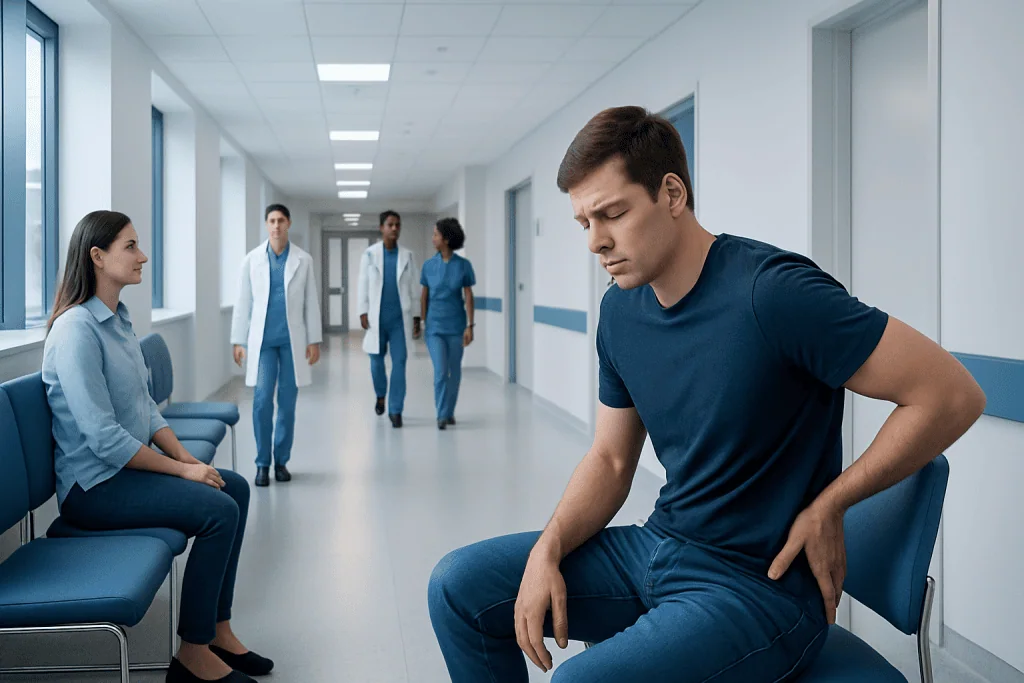
A pimple in anus is a symptom description, not a diagnosis. Many anal-area bumps are benign, but some may be hemorrhoids, fissures, cysts, warts, or an abscess.
Key Takeaways
- A pimple in anus is a symptom description, not a diagnosis.
- Many anal-area bumps are benign, but some may be hemorrhoids, fissures, cysts, warts, or an abscess.
- Pain, swelling, pus, fever, bleeding, or a bump that does not improve should be evaluated by a doctor.
- Self-care should focus on gentle hygiene, avoiding squeezing, and reducing friction or constipation.
- Treatment depends on the cause and may range from observation to medicines or a minor procedure.
A pimple in anus usually refers to a small bump on or around the anal area, and it is not always a true acne pimple. Common causes include irritation, ingrown hairs, blocked glands, hemorrhoids, skin conditions, or infection, so the best next step depends on the bump’s appearance, pain level, and how long it lasts.
Overview: what a pimple in anus usually means
A pimple in anus usually means a small bump felt at or near the anal opening. In many cases, it is not acne in the usual sense. The skin around the anus is different from facial skin, and bumps there are more often related to friction, trapped hair, blocked glands, hemorrhoids, minor skin infections, or inflammation.
Because several conditions can look similar, the appearance alone does not always reveal the cause. A tender red lump may suggest a skin infection or developing abscess, while a soft swollen bump may be a hemorrhoid. A tiny bump with itching could relate to irritation, dermatitis, or a viral lesion such as an anal wart.
This is why medical evaluation is sometimes helpful, especially if the bump is painful, growing, draining, or recurring. A careful exam can distinguish common concerns such as hemorrhoids from conditions that need prompt treatment, including an abscess or fistula.
Common signs and symptoms to notice
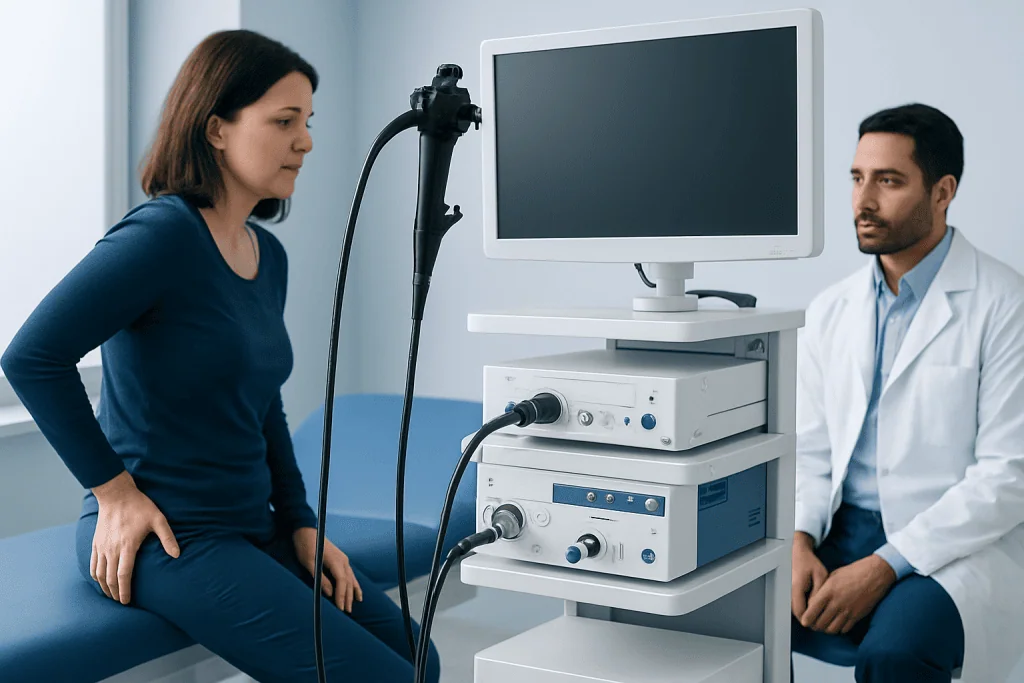
The symptom pattern offers useful clues. Some people notice a small raised spot only during washing or bowel movements. Others feel pain when sitting, wiping, or passing stool. Itching, burning, tenderness, swelling, moisture, or a feeling of pressure can also occur.
If the bump is due to irritation or a blocked follicle, it may be mildly sore and remain localized. If infection is involved, the area may become red, warm, more painful, and swollen over a short period. Pus or drainage can sometimes appear. Bleeding may happen if the overlying skin is irritated, if there is a fissure, or if a hemorrhoid is present.
It can help to notice whether symptoms are linked with shaving, sweating, constipation, diarrhea, prolonged sitting, recent illness, or sexual activity. Timing matters too. A bump that improves within days is different from one that stays for weeks, repeatedly returns, or enlarges.
- Pain or throbbing
- Itching or burning
- Bleeding with wiping or bowel movements
- Pus, moisture, or unpleasant drainage
- Swelling, redness, or warmth
- A lump that persists or comes back
Possible causes: not all bumps are pimples
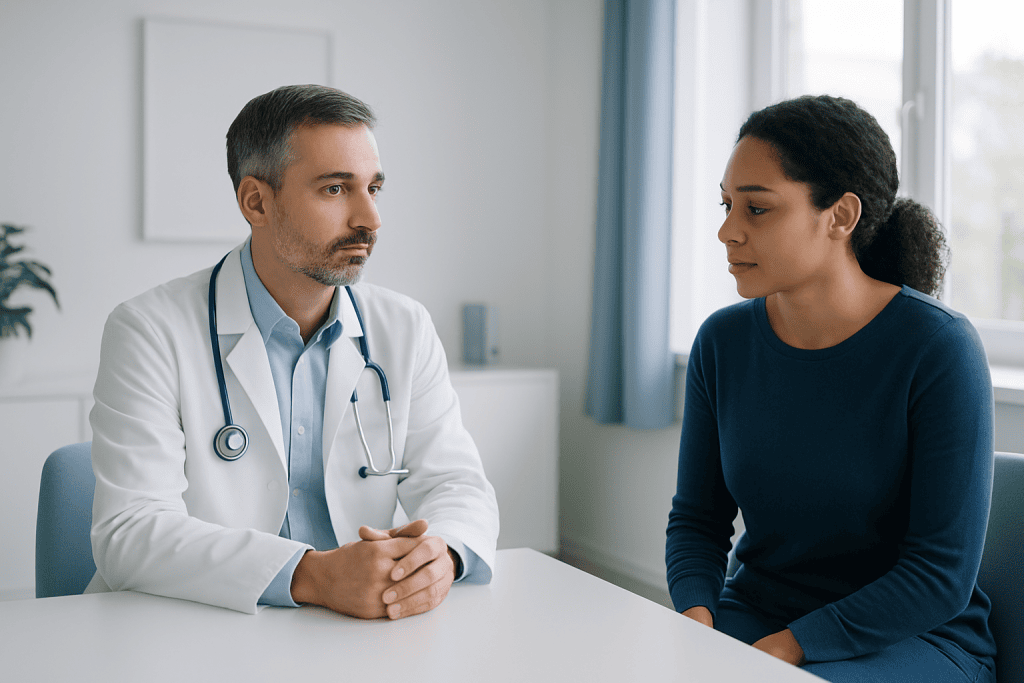
Several conditions can cause a bump near the anus. A common minor cause is folliculitis, which is inflammation of a hair follicle. This can happen after shaving, sweating, friction from tight clothing, or bacterial irritation. Ingrown hairs can create a pimple-like spot that may be red and tender.
Blocked glands or small cysts can also form around the anal area. These may feel like firm round lumps under the skin. Some become inflamed or infected. Skin conditions such as eczema, contact dermatitis, hidradenitis suppurativa, and psoriasis may also produce irritation, bumps, or soreness in the area.
Other causes are not true skin pimples at all. External hemorrhoids can feel like soft or tender bumps. An anal fissure may cause a small skin tag or swollen area nearby. Viral infections such as HPV can cause anal warts, which may feel rough or clustered. A painful swollen lump with fever or pus raises concern for an anal abscess, which may require prompt care and can be linked with an underlying anal fistula.
Less commonly, sexually transmitted infections, inflammatory bowel disease, or rarely skin and anal cancers may first appear as persistent lesions. For that reason, any unexplained anal-area bump that does not improve should be professionally assessed rather than assumed to be harmless.
Risk factors and what can make it worse
Skin around the anus is exposed to moisture, friction, and repeated irritation, so even minor triggers can lead to bumps. Tight clothing, heavy sweating, prolonged sitting, incomplete cleaning after bowel movements, and harsh wiping can all aggravate the area. Fragranced soaps, wet wipes, and new hygiene products can trigger contact irritation in sensitive skin.
Constipation and straining increase pressure in the anal region and can contribute to hemorrhoids or fissures. Frequent diarrhea can also inflame the skin and make bumps more noticeable. People who shave or wax the area may be more prone to ingrown hairs and folliculitis.
Certain health conditions can raise risk as well. Diabetes, immune suppression, obesity, inflammatory bowel disease, and some chronic skin disorders can make infections or recurrent inflammation more likely. If bumps are frequent or involve draining tunnels or scarring, a doctor may consider broader causes rather than treating each episode as an isolated pimple.
How doctors diagnose a bump in the anal area
Diagnosis begins with a medical history and gentle physical examination. A doctor usually asks about pain, bleeding, fever, bowel habits, drainage, skin care products, previous similar bumps, and any related digestive or skin symptoms. This conversation can often narrow the possibilities before any testing is needed.
Visual inspection may be enough to identify common causes such as a hemorrhoid, skin irritation, wart, or infected follicle. In some cases, a clinician may perform a digital rectal exam or use a small lighted instrument to inspect the anal canal if internal disease is suspected. This is especially relevant when there is bleeding, a deep painful lump, or concern about a fissure, abscess, or other rectal problem.
Additional tests are only used when appropriate. A sample may be taken if an infection is suspected, and imaging may be considered if a deeper abscess or fistula is possible. If symptoms suggest another condition, doctors may also evaluate for related disorders such as Crohn’s disease. When further evaluation is needed, tools such as colonoscopy or endoscopic assessment may help clarify the cause of bleeding or associated bowel symptoms.
Treatment options based on the cause
Treatment depends on what the bump actually is. For a mild irritated follicle or ingrown hair, doctors usually recommend avoiding squeezing, keeping the area clean and dry, and reducing friction. Warm sitz baths may ease discomfort. If a bacterial skin infection is present, topical or oral medicines may be used depending on severity.
Hemorrhoids, fissures, and irritation from constipation are managed differently. Increasing fiber, drinking enough fluids, using gentle cleansing methods, and avoiding straining are often central parts of care. If the problem is a thrombosed external hemorrhoid, persistent symptoms may sometimes require office-based treatment or a colorectal evaluation, including options related to hemorrhoid treatment.
An anal abscess generally needs urgent medical attention because antibiotics alone are often not enough; drainage is commonly required. Recurrent infection may lead doctors to check for a fistula or underlying bowel disease. Warts, cysts, hidradenitis, and chronic inflammatory skin conditions each have specific treatment paths, so self-diagnosis can delay proper care.
Near the end of the care pathway, some patients may benefit from coordinated review by colorectal, dermatology, or gastroenterology specialists. Acibadem International’s multidisciplinary specialists and JCI-accredited hospitals diagnose and treat anal and digestive conditions for international patients when advanced evaluation is needed.
Self-care, prevention, and habits that help
Most people can support healing by protecting the skin barrier and reducing local irritation. Gentle washing with lukewarm water is usually enough. Fragranced soaps, scrubs, and vigorous rubbing may worsen inflammation. After washing, the area should be patted dry rather than rubbed.
Loose breathable underwear and avoiding long periods in sweaty clothing can reduce friction and moisture. If shaving seems to trigger bumps, stopping or changing hair-removal habits may help. For bowel-related irritation, preventing constipation is important. Fiber-rich foods, adequate hydration, and regular bathroom habits can make stools easier to pass and reduce strain.
It is best not to pop, squeeze, or pick at an anal bump. Doing so can push bacteria deeper, increase pain, or cause bleeding. Over-the-counter products should be used carefully because some creams can irritate sensitive skin or mask a condition that needs medical care.
- Clean gently and keep the area dry
- Avoid tight clothing and prolonged moisture
- Do not squeeze or puncture the bump
- Reduce straining by supporting healthy bowel habits
- Seek advice before using repeated topical treatments
When to seek medical care
Medical attention is appropriate if the bump is very painful, enlarging, or associated with fever, chills, or pus. These features can suggest an abscess or another infection that should not be treated at home alone. Prompt evaluation is also important if there is severe pain with bowel movements, significant bleeding, or difficulty passing stool.
A doctor should also assess any bump that lasts more than a couple of weeks, repeatedly returns, or is associated with unexplained weight loss, change in bowel habits, or ongoing rectal bleeding. People with diabetes, immune suppression, inflammatory bowel disease, or a history of anal disease should have a lower threshold for getting checked.
While many anal-area bumps are treatable and not dangerous, persistent or unusual lesions deserve a clear diagnosis. Early evaluation can relieve symptoms sooner and rule out conditions that need targeted care.
Frequently asked questions
Is a pimple in anus usually serious?
Often, it is not serious and may come from irritation, an ingrown hair, or a minor blocked gland. However, some anal-area bumps are hemorrhoids, abscesses, warts, or other conditions that need different treatment. Persistent, painful, or draining bumps should be checked by a clinician.
Can a hemorrhoid look like a pimple?
Yes. An external hemorrhoid can feel like a bump near the anus and may be tender, swollen, or itchy. Unlike a skin pimple, a hemorrhoid comes from swollen veins rather than a hair follicle or oil gland.
Should a person pop or squeeze a bump near the anus?
No. Squeezing can worsen inflammation, spread infection, and increase pain or bleeding. Because the cause is often uncertain, it is safer to keep the area clean and let a doctor assess it if it does not improve.
How can someone tell if it is an abscess instead of a simple pimple?
An abscess is more likely to cause increasing pain, swelling, redness, warmth, and sometimes fever or pus drainage. The pain may feel deep or throbbing rather than mild surface irritation. Suspected abscesses should be evaluated promptly because they often need drainage.
What home care is reasonable while waiting to see a doctor?
Gentle cleansing with water, keeping the area dry, wearing loose clothing, and taking warm sitz baths may help with comfort. Avoid harsh soaps, repeated wiping, and over-treating the area with multiple creams. If symptoms worsen, medical review should not be delayed.
Can sexually transmitted infections cause a bump around the anus?
Yes. Some sexually transmitted infections can cause sores, warts, or inflamed lesions around the anus. Because these can resemble other conditions, testing and examination may be needed for an accurate diagnosis and proper treatment.
References
- American Society of Colon and Rectal Surgeons
- National Institute of Diabetes and Digestive and Kidney Diseases
- American Academy of Dermatology
- Centers for Disease Control and Prevention
- Mayo Clinic
This article is for general information only and is not a substitute for professional medical advice. Please consult a qualified doctor about your individual situation.
Hair transplant in Turkey — costs, graft counts & a free assessment
JCI-accredited · board-certified surgeons · reply within 24h
Add us as a Preferred Source to see more of our trusted health content across Google Search, AI Overviews and Discover.

More from the Health Library

Related Specialists

Fzt. Mehmet Sabah Ateş
Physical Medicine & Rehabilitation
Assoc. Prof. Dr. Hilmi Kodaz
Medical Oncology
Ody. Ece Ataç Geriş
Audiology
Assoc. Prof. Dr. Enver Mahir Gülcan
Pediatrics