Pitting Edema: An Evidence-Based Guide for Patients

Pitting edema means swollen tissue leaves a temporary indentation after pressure is applied. It most often affects the feet, ankles, and lower legs, but it can occur in other areas.
Key Takeaways
- Pitting edema means swollen tissue leaves a temporary indentation after pressure is applied.
- It most often affects the feet, ankles, and lower legs, but it can occur in other areas.
- Common causes include venous insufficiency, heart, kidney, or liver disease, certain medicines, pregnancy, and prolonged sitting or standing.
- Evaluation focuses on the pattern of swelling, other symptoms, medical history, examination, and targeted tests.
- Treatment depends on the underlying cause and may include lifestyle steps, compression, medication review, or treatment of heart, kidney, liver, or vein problems.
- Urgent medical assessment is needed if swelling appears suddenly, affects one leg, or comes with chest pain, shortness of breath, fever, or severe pain.
Pitting edema is a type of swelling in which pressing a finger into the skin leaves a brief dent. It usually happens because extra fluid collects in the tissues, and the cause can range from standing for long periods to medical conditions affecting the veins, heart, kidneys, liver, or lymphatic system.
What Is Pitting Edema?
Pitting edema is swelling caused by fluid collecting in the body’s tissues. The term “pitting” refers to what happens when gentle pressure is applied to the swollen area: a small dent remains for a short time before the skin returns to normal. This finding helps clinicians describe the type of swelling, but it does not by itself identify the cause.
This kind of swelling is most common in the feet, ankles, and lower legs because gravity encourages fluid to settle in dependent parts of the body. It can also affect the hands, arms, or the lower back in people who spend long periods lying down. The swelling may be mild and temporary, or it may be more persistent depending on the reason for the fluid buildup.
Pitting edema is a sign rather than a disease. In some people, it is related to everyday factors such as sitting on a long flight, eating very salty foods, or standing for many hours. In others, it can point to an underlying medical problem involving circulation, the heart, kidneys, liver, veins, or medications. Understanding the context is the key to deciding whether it is harmless, needs monitoring, or requires prompt medical care.
How to Recognize the Symptoms
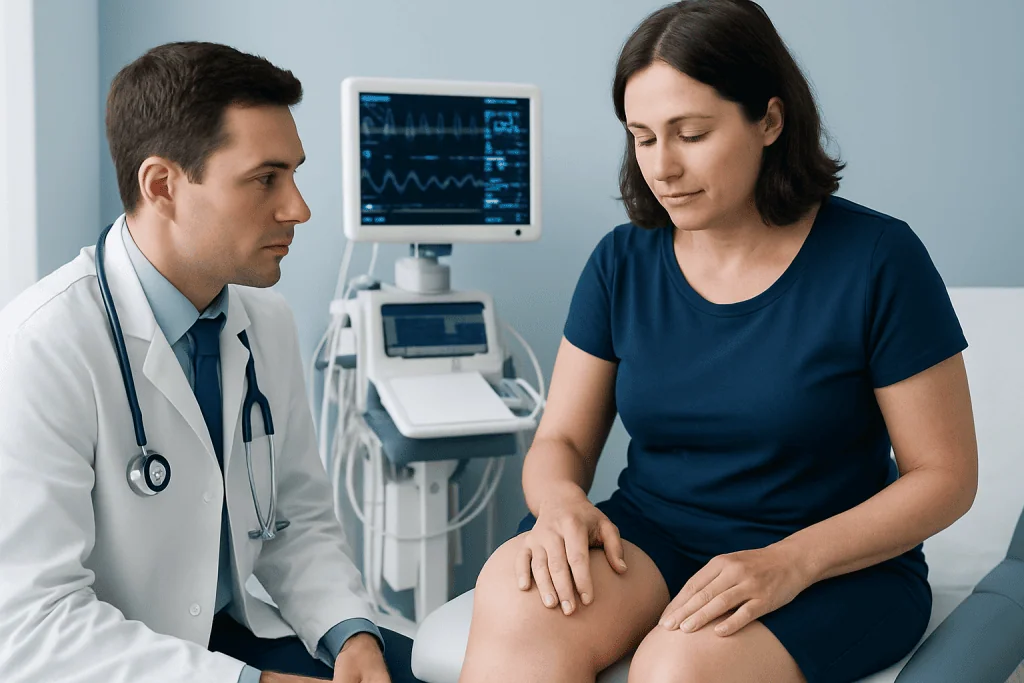
The main feature of pitting edema is visible or noticeable swelling. The skin may look stretched or shiny, and socks, shoes, rings, or clothing may suddenly feel tighter than usual. When a finger is pressed gently into the swollen area for several seconds, it leaves a temporary indentation.
People often notice the swelling later in the day, especially after sitting or standing for long periods. It may improve overnight or after elevating the legs. Both legs are commonly affected when the cause is general fluid retention or venous problems, while swelling in only one leg can suggest a more localized issue that deserves careful assessment.
Other symptoms depend on the cause. Someone with vein-related swelling may also have aching, heaviness, visible varicose veins, or skin color changes around the ankles. If the swelling is related to heart, kidney, or liver problems, there may be fatigue, shortness of breath, reduced exercise tolerance, changes in urination, abdominal swelling, or unexplained weight gain.
- Swelling of the feet, ankles, legs, hands, or arms
- A temporary dent after pressing the skin
- Tight or heavy feeling in the affected area
- Shiny or stretched skin
- Shoes, socks, or rings fitting more tightly
- Possible associated symptoms such as breathlessness, pain, redness, or fatigue
Why Pitting Edema Happens
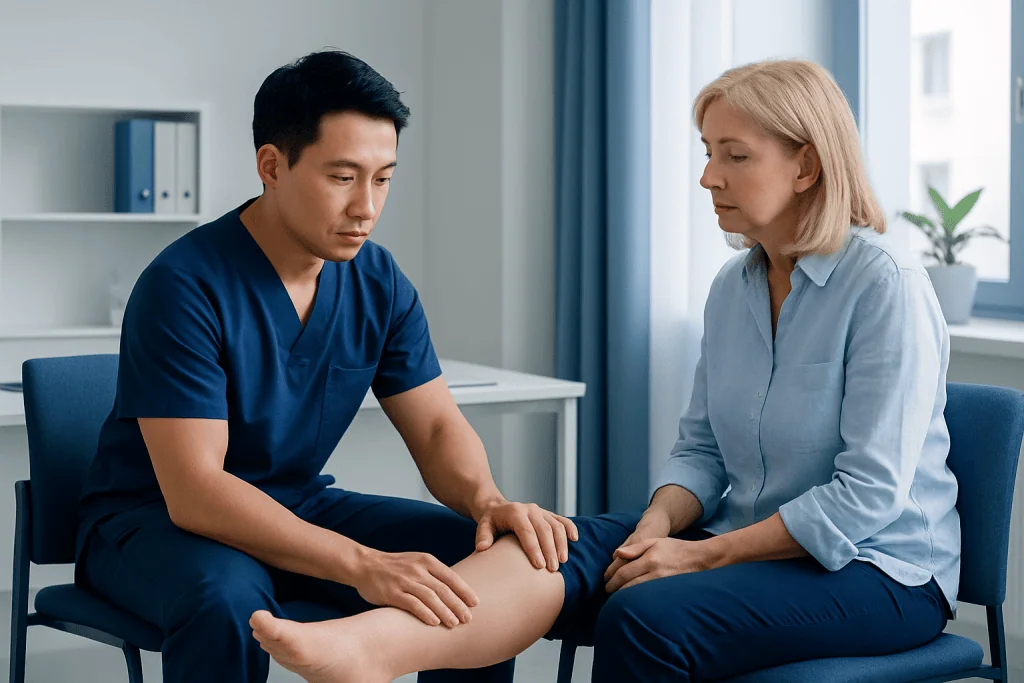
Fluid normally moves in and out of the tiny blood vessels in the tissues. Pitting edema develops when more fluid leaves the vessels than the body can reabsorb or drain away. This can happen because of increased pressure in the veins, reduced levels of proteins that help keep fluid in the bloodstream, inflammation, blockage of lymphatic drainage, or changes in kidney salt and water handling.
Common non-emergency causes include prolonged standing or sitting, hot weather, pregnancy, and a high-salt diet. Some medicines can also contribute, including certain blood pressure drugs, anti-inflammatory medicines, steroids, hormones, and some diabetes medications. In these cases, swelling may be gradual and usually affects both sides.
Medical causes are broad. Problems with the veins in the legs can make it harder for blood to return upward, leading to fluid pooling; this is often seen in varicose veins or chronic venous insufficiency. Conditions affecting the heart may reduce the body’s ability to circulate blood effectively, while kidney disease can interfere with salt and water balance, and liver disease can lower protein levels and increase pressure in abdominal veins. Lymphedema can also cause swelling, although it is often less clearly pitting over time than classic fluid edema.
Sudden swelling in one leg can be especially important because it may be caused by a blood clot in a deep vein. That pattern needs urgent medical evaluation. Swelling with redness, warmth, fever, or severe tenderness may suggest infection or inflammation, while swelling with shortness of breath may signal a heart or lung emergency.
Risk Factors and Patterns Doctors Look For
Several factors make pitting edema more likely. Increasing age, obesity, pregnancy, reduced mobility, and long periods of sitting or standing can all contribute. People with a history of heart disease, kidney disease, liver disease, thyroid disorders, venous disease, or prior blood clots may also be at higher risk.
Doctors pay close attention to the pattern of swelling. Bilateral swelling that gradually worsens over days or weeks often suggests a systemic cause such as medication effects, venous insufficiency, or heart, kidney, or liver disease. Unilateral swelling, especially if new and painful, raises concern for a clot, injury, or infection in the affected limb.
The time course also matters. Swelling that comes and goes with travel, heat, or prolonged standing may be less concerning than swelling that steadily worsens, spreads, or is associated with other symptoms. Associated signs such as breathlessness, chest discomfort, foamy urine, decreased urination, jaundice, abdominal swelling, or skin breakdown help narrow the possible causes and guide testing.
How Pitting Edema Is Diagnosed
Diagnosis starts with a detailed history and physical examination. A clinician asks when the swelling began, whether it affects one side or both, whether it changes during the day, and what other symptoms are present. A medication review is very important because a recently started or adjusted medicine may be contributing.
During the examination, the clinician checks the degree of swelling, looks for pitting, and examines the skin for color changes, ulcers, warmth, tenderness, or varicose veins. The heart, lungs, abdomen, and pulses are also assessed because pitting edema can be a clue to broader circulation or organ-related problems.
Tests are chosen based on the likely cause rather than used routinely for everyone. Blood tests may evaluate kidney function, liver function, protein levels, thyroid function, and other markers. Urine tests can show protein loss. If a clot is suspected, an ultrasound of the leg veins is commonly used. In some cases, an echocardiogram or other cardiac testing may be recommended to assess how well the heart is working. If symptoms suggest cardiovascular disease, evaluation may include care pathways related to heart disease.
This step-by-step approach helps distinguish temporary swelling from swelling caused by a condition that needs treatment. Because pitting edema has many possible causes, self-diagnosis is often unreliable, especially if the swelling is new, severe, or unexplained.
Treatment Options for Pitting Edema
Treatment focuses on the underlying cause. If swelling is related to lifestyle factors, practical measures such as leg elevation, regular movement, and reducing excess dietary salt may be enough. If a medicine is contributing, a doctor may review whether an alternative is appropriate. People should not stop prescribed medication without medical advice.
Compression stockings are often helpful for swelling caused by venous insufficiency, prolonged standing, or chronic leg swelling. They work by supporting the veins and reducing fluid accumulation in the lower legs. Proper fit matters, and compression may not be suitable for everyone, especially people with certain circulation problems, so medical guidance is useful.
When edema is linked to a specific condition, treatment may target that problem directly. For example, care may include management of vein-related swelling, adjustment of heart or kidney treatment plans, or treatment for liver disease. Diuretic medicines may be appropriate in selected situations, particularly when fluid retention is related to heart, kidney, or liver conditions, but they are not the right solution for every type of swelling.
If a blood clot is suspected or confirmed, urgent treatment is needed because this is a potentially serious cause of one-sided swelling. In more complex cases, specialists may be involved, such as cardiology, nephrology, hepatology, vascular surgery, or internal medicine. Near the end of evaluation and treatment planning, some patients may benefit from multidisciplinary assessment, including centers such as Acibadem International, where JCI-accredited hospitals care for international patients with circulatory and systemic causes of edema.
Self-care and Prevention
Many people can reduce mild pitting edema with simple daily habits. Moving the ankles and calf muscles regularly helps push blood and fluid back toward the heart. On long journeys, standing up, stretching, and walking when possible can make a meaningful difference. Elevating the legs above heart level for short periods may also reduce dependent swelling.
Salt intake can influence how much fluid the body retains, so limiting heavily salted processed foods may help in some cases. Maintaining a healthy weight, staying physically active, and managing long-term conditions such as high blood pressure, diabetes, or kidney disease can also reduce the likelihood of recurrent swelling. Skin care matters too, because stretched skin is more vulnerable to dryness, irritation, and breakdown.
Self-care is not a substitute for medical evaluation when the cause is unclear. Persistent swelling, swelling with pain, or swelling associated with shortness of breath, chest discomfort, or a marked decline in exercise tolerance should not be managed at home alone. For people with known vein problems, clinicians may recommend supportive measures or procedures such as treatment for venous insufficiency when conservative steps are not enough.
When to Seek Medical Care
Medical advice is appropriate if pitting edema is new, persistent, worsening, or unexplained. A routine appointment is also a good idea if swelling keeps returning, affects daily comfort, or is accompanied by skin changes, weight gain, or reduced exercise tolerance. Professional assessment helps identify whether the swelling is due to a manageable lifestyle factor or an underlying medical problem.
Prompt or urgent care is needed if swelling develops suddenly, especially in one leg, or if it comes with redness, warmth, severe pain, fever, chest pain, fainting, or shortness of breath. These features can suggest a blood clot, infection, or a heart or lung problem that should be evaluated without delay. In some situations, doctors may investigate for conditions related to deep vein thrombosis treatment if the swelling pattern raises concern.
People who already have heart, kidney, or liver disease should contact their doctor if swelling rapidly increases, if they gain weight unexpectedly over a short period, or if breathing becomes more difficult. Clear communication about changes in symptoms often helps clinicians adjust treatment earlier and may prevent complications.
Frequently asked questions
Is pitting edema always serious?
No. Pitting edema can happen after prolonged sitting, standing, travel, pregnancy, or a salty meal, and sometimes it improves with rest and leg elevation. However, it can also be a sign of heart, kidney, liver, or vein problems, so persistent or unexplained swelling should be assessed by a doctor.
What does a pitting edema test look like?
A clinician or patient gently presses a finger into the swollen skin for a few seconds and then releases. If a small dent remains briefly before the skin returns to normal, the swelling is described as pitting.
Why is my swelling worse at the end of the day?
Gravity causes fluid to collect in the lower legs and feet during long periods of sitting or standing. This is why edema often becomes more noticeable later in the day and may improve overnight or after elevating the legs.
Can dehydration cause pitting edema?
Dehydration is not a common direct cause of pitting edema. Swelling is more often related to fluid retention, vein problems, or conditions affecting the heart, kidneys, or liver, although body fluid balance can be complex in some illnesses.
Do compression stockings help pitting edema?
They often help when swelling is related to venous insufficiency, prolonged standing, or chronic leg swelling. A clinician should advise on the right strength and fit, because compression is not suitable for every person.
When should one-sided leg swelling be treated as urgent?
One-sided swelling deserves prompt attention if it is sudden, painful, red, warm, or associated with shortness of breath or chest pain. These symptoms can suggest a blood clot or another urgent condition that needs medical evaluation.
References
- National Heart, Lung, and Blood Institute
- National Institute of Diabetes and Digestive and Kidney Diseases
- American Heart Association
- Mayo Clinic
- Merck Manual Consumer Version
This article is for general information only and is not a substitute for professional medical advice. Please consult a qualified doctor about your individual situation.
Explore treatments in Turkey — costs, top hospitals & a free quote
JCI-accredited · board-certified surgeons · reply within 24h
Add us as a Preferred Source to see more of our trusted health content across Google Search, AI Overviews and Discover.
Check your numbers in seconds
BMI, calories, due date, blood pressure and 30+ more clinical calculators — free, instant, doctor-reviewed ranges.

More from the Health Library

Related Specialists
Prof. Dr. Tayfun Karahasanoğlu
General Surgery
Dr. Sinem Altunyuva Usta
Pediatric Cardiology
Prof. Dr. Fuat Bilgen
Cardiovascular Surgery
Dr. Evis Ertaş
Gynecology & Obstetrics