Pituitary Gland: What Patients Need to Know

The pituitary gland is often called the body's master gland because it regulates other hormone-producing glands. Pituitary problems may cause symptoms such as headaches, vision changes, fatigue, menstrual changes, infertility, or unexpected growth changes.
Key Takeaways
- The pituitary gland is often called the body's master gland because it regulates other hormone-producing glands.
- Pituitary problems may cause symptoms such as headaches, vision changes, fatigue, menstrual changes, infertility, or unexpected growth changes.
- Pituitary disorders include hormone overproduction, hormone deficiency, and noncancerous pituitary tumors.
- Diagnosis usually involves hormone blood tests and imaging, especially MRI of the pituitary region.
- Treatment depends on the cause and may include monitoring, medication, surgery, radiation therapy, or hormone replacement.
The pituitary gland is a small gland at the base of the brain that helps control many of the body’s hormones. When it is not working properly, it can affect growth, metabolism, fertility, stress response, and overall wellbeing, but many pituitary conditions can be diagnosed and treated effectively.
Overview: what the pituitary gland does
The pituitary gland is a pea-sized structure located at the base of the brain, just behind the bridge of the nose. Although it is small, it has a major role in health because it releases hormones that influence growth, reproduction, metabolism, stress response, and water balance. For many patients, understanding the pituitary gland starts with one key idea: it acts as a central messenger between the brain and the body’s hormone systems.
The gland works closely with the hypothalamus, an area of the brain that sends signals telling the pituitary when to release hormones. In turn, the pituitary helps regulate the thyroid gland, adrenal glands, ovaries, testes, and other tissues. Because of this broad influence, pituitary disorders can cause symptoms in many different parts of the body rather than one single, obvious problem.
The pituitary has two main parts: the anterior pituitary and the posterior pituitary. The anterior part makes hormones such as growth hormone, prolactin, thyroid-stimulating hormone, adrenocorticotropic hormone, luteinizing hormone, and follicle-stimulating hormone. The posterior part stores and releases hormones made in the hypothalamus, including antidiuretic hormone and oxytocin.
When the pituitary gland is affected by a tumor, inflammation, injury, blood supply problem, or another disorder, it may produce too much hormone, too little hormone, or press on nearby structures such as the optic nerves. That is why pituitary conditions can involve both hormone-related symptoms and neurological symptoms such as headaches or visual disturbance.
How pituitary gland problems may affect the body
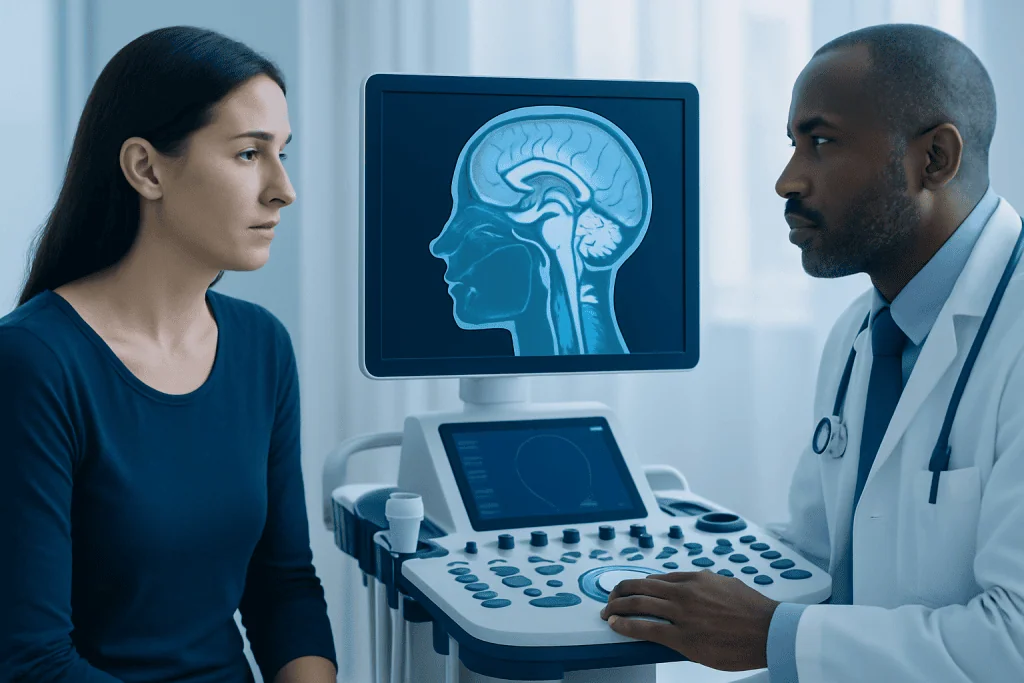
Pituitary gland problems do not look the same in every patient. Some disorders develop slowly and cause subtle symptoms over months or years, while others appear more suddenly. The effects depend on which hormone is involved and whether the gland is overactive, underactive, or enlarged by a growth.
Too much prolactin may lead to irregular periods, milk discharge from the breasts, or fertility problems. Excess growth hormone can cause enlarged hands and feet or changes in facial features in adults, a condition known as acromegaly. Too much cortisol stimulation from the pituitary can contribute to features of Cushing syndrome, such as weight gain around the trunk, easy bruising, and muscle weakness.
When the pituitary does not make enough hormones, symptoms may be more general and can include tiredness, feeling cold, low blood pressure, reduced sexual function, menstrual changes, or difficulty maintaining normal energy. In children and adolescents, pituitary hormone problems may affect growth or puberty.
A pituitary mass may also cause symptoms because of pressure on nearby tissues. The most common examples are persistent headaches and changes in side vision. These symptoms do not always mean a serious problem, but they are important enough to discuss with a doctor, especially if they are new, progressive, or combined with other hormonal changes.
Common symptoms and warning signs

Symptoms related to the pituitary gland can be broad because hormones influence many organs. Some people are diagnosed after a specific complaint, such as infertility or loss of periods, while others are evaluated for headaches, abnormal lab tests, or an incidental finding on a scan done for another reason.
Possible symptoms include:
- Headaches
- Blurred vision or loss of side vision
- Unexplained fatigue or weakness
- Changes in weight or appetite
- Irregular menstrual periods or absent periods
- Reduced libido or erectile dysfunction
- Difficulty becoming pregnant
- Milk discharge from the breasts when not breastfeeding
- Excessive thirst and frequent urination
- Growth changes in children or enlargement of hands, feet, or facial features in adults
Not every symptom means there is a pituitary disorder. Many of these complaints can also occur with thyroid disease, stress, medication side effects, menopause, and other common conditions. Still, a pattern of hormone-related changes, especially when more than one symptom occurs together, can point toward a pituitary cause.
Patients should also know that some pituitary disorders are found before symptoms become severe. Blood tests, eye examinations, or brain imaging may suggest a problem early, allowing treatment before complications develop.
Causes and risk factors
The most common pituitary problems are benign, meaning noncancerous, pituitary adenomas. These growths may produce hormones or may be nonfunctioning, meaning they do not release excess hormone but can still cause symptoms if they enlarge. A diagnosis of a pituitary tumor can sound alarming, but many of these tumors grow slowly and are treatable with careful follow-up or targeted therapy.
Other causes include inflammation, infection, bleeding into the pituitary, reduced blood supply, prior surgery or radiation to the brain, and traumatic brain injury. Rarely, inherited conditions can increase the risk of pituitary tumors or multiple endocrine gland disorders. Certain medications may also affect hormone levels and make a pituitary disorder seem more or less likely.
In some patients, the issue is not a tumor but reduced pituitary function, called hypopituitarism. This can happen after damage to the gland or the hypothalamus and may lead to low levels of several hormones at once. The pattern of hormone deficiency helps doctors identify which parts of the gland are affected.
Because the pituitary works in a network, nearby endocrine disorders can overlap with pituitary disease. For example, symptoms may resemble thyroid or adrenal conditions, which is why doctors often evaluate the broader hormone system rather than one hormone alone.
How doctors diagnose pituitary disorders
Diagnosis begins with a careful medical history and physical examination. Doctors ask about symptoms such as menstrual changes, fertility concerns, sexual health, thirst, weight change, headaches, and vision problems. They also review medications and family history because these details can help interpret hormone test results accurately.
Blood tests are central to diagnosis. Depending on the symptoms, testing may include levels of prolactin, cortisol, thyroid hormones, growth hormone-related markers, sex hormones, and other pituitary-regulated hormones. Sometimes urine tests or dynamic hormone tests are needed to see how the body responds over time rather than at a single moment.
Imaging is often important, especially magnetic resonance imaging. MRI gives detailed pictures of the pituitary gland and surrounding structures, helping doctors identify tumors, enlargement, or other abnormalities. If vision symptoms are present, formal visual field testing may also be recommended because the optic nerves run very close to the pituitary.
In many cases, diagnosis involves more than one specialist. Endocrinologists, neuroradiologists, ophthalmologists, and neurosurgeons may all contribute to the evaluation. This team approach helps distinguish between conditions that need monitoring and those that need more active treatment.
Treatment options and long-term management
Treatment depends on the exact diagnosis. Some pituitary findings require only observation with repeat imaging and hormone testing, especially if the lesion is small and not causing symptoms. Others need medication, surgery, radiation therapy, hormone replacement, or a combination of approaches.
For hormone-secreting tumors, medication may be the first treatment in selected cases, particularly prolactin-producing tumors. Hormone replacement may be needed when the pituitary is underactive and cannot produce enough of the hormones the body needs. The goal is to restore balance, relieve symptoms, and protect long-term health such as bone strength, blood pressure, and reproductive function.
If a tumor is large, affecting vision, or not responding to medication, surgery may be recommended. Many pituitary tumors are treated with neurosurgery using minimally invasive approaches through the nose when appropriate. In some situations, radiation therapy may be used to control remaining tumor tissue or reduce the chance of regrowth.
Follow-up is an important part of care because pituitary conditions can change over time. Patients may need periodic blood tests, repeat scans, and symptom reviews even after successful treatment. Near the end of the care journey, some international patients choose centers such as Acibadem International, where multidisciplinary specialists in JCI-accredited hospitals evaluate and treat complex pituitary disorders.
Living well with a pituitary condition
For many patients, day-to-day management matters as much as the diagnosis itself. Keeping follow-up appointments, taking prescribed medicines consistently, and reporting new symptoms early can make a meaningful difference. Because hormones affect energy, mood, sleep, weight, and fertility, treatment may take time to fine-tune, and regular communication with the care team is helpful.
Self-care should focus on overall health rather than unproven hormone-boosting products. A balanced diet, regular physical activity, good sleep habits, and stress management can support wellbeing, but they do not replace medical treatment for a true pituitary disorder. Patients should be cautious with supplements or online remedies that promise to “reset hormones,” as these may interfere with tests or medications.
It can also help to keep a record of symptoms, menstrual cycles, headaches, vision changes, thirst, or medication effects. This information may help doctors recognize patterns and adjust treatment. People receiving hormone replacement should ask how and when to take medicines and whether illness, surgery, or travel changes the plan.
Emotional support matters too. Hormonal disorders can affect mood, body image, fertility plans, and everyday confidence. Talking with a healthcare professional, counselor, or support network can make coping easier while treatment is underway.
When to seek medical care
A person should seek medical care if there are ongoing symptoms that could suggest a pituitary gland problem, especially headaches with vision changes, unexplained milk discharge, irregular periods, infertility, unusual growth changes, or persistent fatigue with other hormone-related symptoms. While these signs may have many causes, they deserve professional evaluation rather than self-diagnosis.
Urgent medical attention is important for sudden severe headache, sudden vision loss, confusion, fainting, or symptoms of dehydration with excessive urination and thirst. These symptoms can have several causes, but they may occasionally signal a pituitary emergency or another serious neurological condition.
People already diagnosed with a pituitary disorder should contact their doctor if symptoms worsen, treatment side effects appear, or they miss important medications. This is especially relevant for patients taking hormone replacement, as abrupt changes can affect the body’s ability to respond to illness or stress.
Early assessment often leads to clearer answers and more treatment choices. In many cases, what begins as a confusing group of symptoms can be explained with a structured endocrine evaluation and managed effectively over time.
Frequently asked questions
What is the pituitary gland and why is it important?
The pituitary gland is a small gland at the base of the brain that helps control the body’s hormone system. It influences growth, thyroid function, fertility, stress response, and water balance by sending signals to other glands and tissues.
Can a pituitary gland disorder cause headaches?
Yes, some pituitary disorders can cause headaches, especially if a pituitary tumor is large enough to press on nearby structures. However, headaches are common and do not always mean there is a pituitary problem, so other symptoms and proper testing are important.
Are pituitary tumors usually cancerous?
Most pituitary tumors are benign, which means they are not cancerous. Even so, they can still cause symptoms by changing hormone levels or pressing on nearby tissues, so they may need monitoring or treatment.
How do doctors test for pituitary gland problems?
Doctors usually start with blood tests to measure hormone levels and may add urine testing or specialized hormone stimulation tests. MRI is commonly used to look closely at the pituitary gland and check for a tumor or other structural change.
Can pituitary gland problems affect fertility?
Yes, they can. Pituitary hormone imbalances may interfere with ovulation, menstrual cycles, sperm production, libido, and other processes involved in reproduction, but treatment often helps improve hormonal balance and fertility potential.
Is surgery always needed for a pituitary disorder?
No, surgery is not always necessary. Some pituitary disorders are treated with medication, hormone replacement, or careful observation, while surgery is usually reserved for selected tumors causing significant symptoms or not responding to other treatments.
References
- National Institute of Diabetes and Digestive and Kidney Diseases
- National Institute of Neurological Disorders and Stroke
- Endocrine Society
- American Association of Clinical Endocrinology
- Mayo Clinic
This article is for general information only and is not a substitute for professional medical advice. Please consult a qualified doctor about your individual situation.
Medical weight-loss options in Turkey — costs & eligibility
JCI-accredited · board-certified surgeons · reply within 24h
Add us as a Preferred Source to see more of our trusted health content across Google Search, AI Overviews and Discover.
Check your numbers in seconds
BMI, calories, due date, blood pressure and 30+ more clinical calculators — free, instant, doctor-reviewed ranges.