Pleurisy — Explained by Medical Evidence, Not Myths

Pleurisy usually causes sharp chest pain that gets worse when breathing in, coughing, or sneezing. It is not a disease on its own but a symptom of pleural inflammation caused by infection, autoimmune disease, blood clots, trauma, or other conditions.
Key Takeaways
- Pleurisy usually causes sharp chest pain that gets worse when breathing in, coughing, or sneezing.
- It is not a disease on its own but a symptom of pleural inflammation caused by infection, autoimmune disease, blood clots, trauma, or other conditions.
- Doctors diagnose pleurisy by combining symptom history, a physical exam, and tests such as chest imaging and blood work.
- Treatment depends on the cause and may include pain relief, antibiotics, anti-inflammatory medicines, or treatment of related lung and heart conditions.
- Urgent medical evaluation is important for chest pain with shortness of breath, fever, low oxygen, or sudden severe symptoms.
Pleurisy is inflammation of the pleura, the thin tissue layers that line the lungs and chest wall. It often causes sharp chest pain that worsens with breathing, but the condition itself is a sign of an underlying problem, so diagnosis focuses on finding and treating the cause.
Overview: What Pleurisy Means
Pleurisy is inflammation of the pleura, the two thin layers of tissue that help the lungs move smoothly inside the chest. One layer covers the lungs and the other lines the inside of the chest wall. When these layers become inflamed, they can rub against each other and cause a characteristic sharp pain, often called pleuritic chest pain.
The pain of pleurisy is usually felt when a person takes a deep breath, coughs, sneezes, or changes position. Some people notice it on one side of the chest, while others may feel discomfort in the shoulder or upper back. The symptom can be mild and short-lived, or more intense depending on the cause.
Pleurisy is best understood as a clinical sign rather than a single disease. Many different problems can irritate the pleura, including viral infections, pneumonia, autoimmune disorders, a blood clot in the lung, chest injury, or fluid around the lungs. Because of this, effective care does not stop at easing pain; it also requires identifying what triggered the inflammation.
This evidence-based approach helps separate pleurisy from common myths. Pleurisy is not always caused by a cold, and it is not simply “lung pain.” It is a symptom with a range of possible explanations, some minor and some urgent, so careful assessment matters.
How Pleurisy Feels: Symptoms and Related Signs
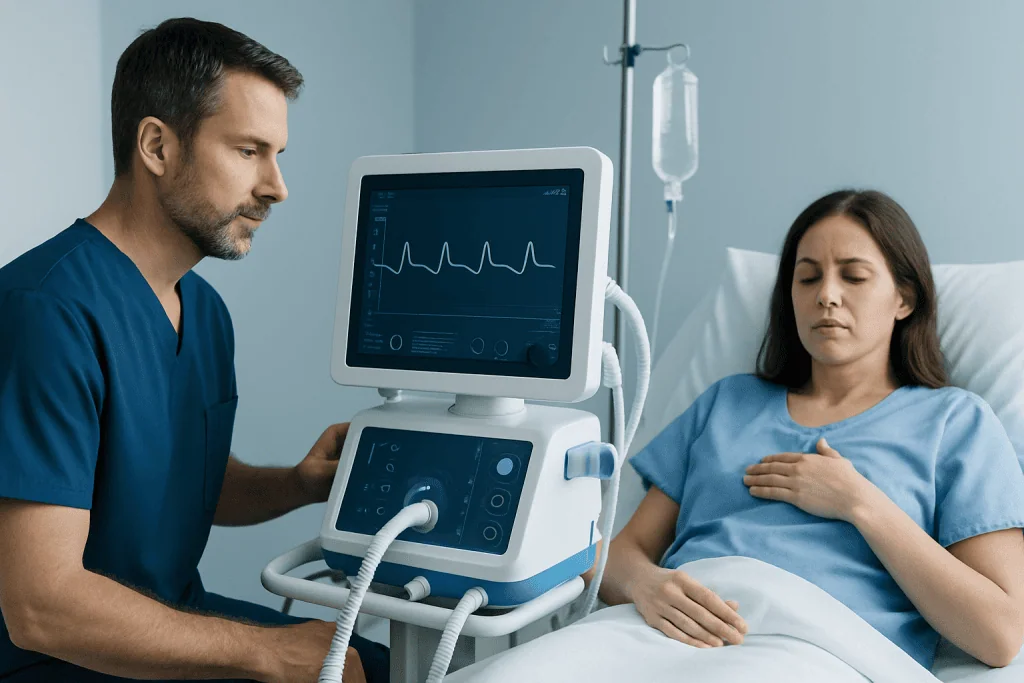
The hallmark symptom of pleurisy is sudden or gradual chest pain that feels sharp, stabbing, or catching. It usually becomes worse with deep breathing and may intensify with coughing, laughing, sneezing, or twisting the body. Many people find they breathe more shallowly to avoid discomfort.
Other symptoms can depend on the underlying cause. If pleurisy is linked to a respiratory infection, there may also be fever, cough, fatigue, or chills. If there is associated fluid around the lungs, a person may feel chest heaviness or increasing shortness of breath rather than sharp pain alone.
Some people have symptoms that point to another condition affecting the lungs or heart. For example, a person with lung cancer may develop pleuritic pain because of irritation of the pleura, while a person with a blood clot in the lung may have sudden breathlessness and chest pain. In other cases, autoimmune diseases such as lupus or rheumatoid arthritis may cause repeated pleural inflammation.
- Sharp chest pain that worsens with breathing
- Pain with coughing or sneezing
- Shortness of breath or shallow breathing
- Cough, fever, or chills
- Shoulder or back pain related to breathing
- A rubbing sound heard by a doctor with a stethoscope, called a pleural friction rub
Why Pleurisy Happens: Causes and Risk Factors
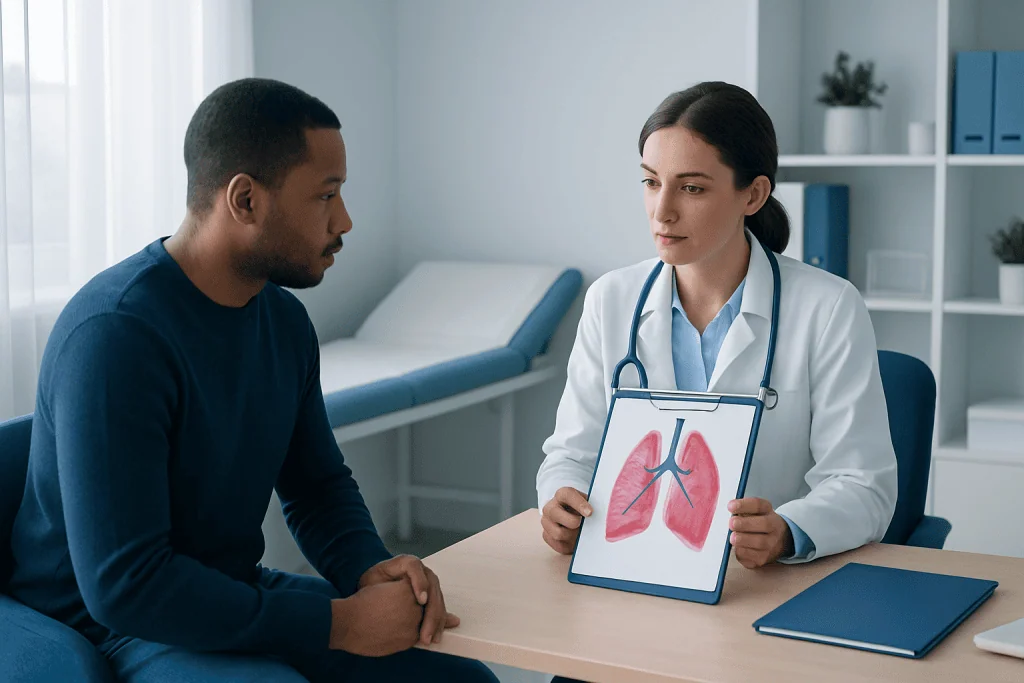
Pleurisy develops when the pleura become irritated or inflamed. Viral infections are a common cause, especially after a respiratory illness. Bacterial pneumonia can also inflame the pleura, and when infection spreads into the pleural space, it may lead to a more serious collection of infected fluid that needs prompt treatment.
Not all causes are infectious. A pulmonary embolism, which is a blood clot in the lung, can cause sudden pleuritic chest pain and shortness of breath. Autoimmune conditions such as lupus and rheumatoid arthritis may trigger pleural inflammation as part of a wider inflammatory process. Chest trauma, rib fractures, certain medications, and recent surgery can also irritate the pleural lining.
Some people develop pleurisy because of fluid, tumors, or other lung conditions that affect the space around the lungs. For example, pneumonia is a well-known cause, and inflammation may improve only after the infection is fully treated. Less commonly, pancreatitis, kidney failure, or inherited inflammatory disorders can contribute.
Risk factors depend on the underlying condition, but they may include recent viral or bacterial infection, smoking, prolonged immobility, cancer, autoimmune disease, recent chest surgery, and a history of blood clots. Understanding these factors helps guide the next steps in testing and treatment.
How Doctors Diagnose Pleurisy
Diagnosis begins with a detailed history of the pain. Doctors usually ask when the pain started, whether it is worse with breathing, and whether there are symptoms such as fever, cough, shortness of breath, leg swelling, recent travel, or a history of autoimmune disease. The pattern of symptoms often gives important clues to the cause.
During the physical exam, a clinician listens to the chest and looks for signs of infection, low oxygen, or reduced breath sounds. In some cases, a pleural friction rub can be heard with a stethoscope. Because chest pain has many possible causes, the evaluation may also include checking the heart and circulation.
Tests are chosen based on the likely cause. A chest X-ray may show pneumonia, fluid around the lungs, or other abnormalities. Blood tests can look for infection or inflammation. Ultrasound or CT imaging may be helpful if fluid, a clot, or another structural problem is suspected. If fluid is present, the care team may recommend thoracentesis to remove and analyze a sample.
Since chest pain can sometimes be urgent, doctors may also use an ECG, oxygen measurement, and clot-related tests when appropriate. The goal is not only to confirm pleural inflammation but to identify dangerous causes early and avoid missing a heart or lung emergency.
Treatment Options: Relieving Pain and Treating the Cause
Treatment for pleurisy depends on what is causing it. Pain relief is often an important first step because discomfort can make breathing shallow and tiring. Doctors commonly recommend anti-inflammatory medicines when appropriate, along with rest, hydration, and follow-up. However, the main treatment must address the underlying illness rather than the pain alone.
If a bacterial infection is responsible, antibiotics may be needed. When pleurisy is related to a viral illness, care is often supportive while symptoms gradually improve. If the problem is caused by an autoimmune condition, the treatment plan may include medicines that calm inflammation under specialist supervision. A pulmonary embolism requires urgent medical treatment to reduce the clotting risk.
Some people develop a pleural effusion, meaning extra fluid collects between the pleural layers. In that situation, drainage may be needed both to ease breathing and to determine the cause. Depending on the findings, doctors may use imaging-guided procedures or, in selected cases, bronchoscopy or other respiratory evaluations to investigate related lung disease.
When pleurisy is linked to a broader chest condition, treatment may involve coordinated care across specialties. For example, clinicians may investigate persistent or unexplained symptoms with advanced respiratory assessment and imaging, and they may consider options such as lung cancer treatment if a tumor is found to be contributing. Near the end of the care pathway, centers such as Acibadem International can support international patients through multidisciplinary evaluation in JCI-accredited hospitals.
Self-care, Recovery, and Prevention
Recovery from pleurisy varies with the cause. Some viral cases improve within days to a few weeks, while symptoms related to pneumonia, autoimmune disease, or fluid around the lungs may last longer and require closer monitoring. Following the treatment plan and attending any recommended follow-up appointments are important, especially if imaging or lab tests need to be repeated.
At home, self-care should focus on comfort and safe recovery. Rest can help during the acute phase, but prolonged inactivity is not ideal unless a doctor advises it. Staying hydrated, avoiding smoking, and taking medicines exactly as prescribed can support healing. If breathing exercises are recommended, they should be done gently and consistently.
Prevention is mostly about reducing the risk of the conditions that cause pleurisy. Vaccination against certain respiratory infections, prompt treatment of pneumonia, good control of autoimmune disease, and reducing blood clot risk after surgery or long travel can all help. People who smoke may benefit from support to stop, since smoking increases the risk of several lung problems that can involve the pleura.
It is also helpful to keep perspective. Pleurisy itself often improves once the cause is identified and treated. The most important preventive step is not ignoring chest pain that changes with breathing, especially if it is new, severe, or accompanied by breathlessness.
When to Seek Medical Care
Any new chest pain deserves medical attention, especially when it is sharp and worsens with breathing. Even though pleurisy can be caused by a mild viral illness, similar symptoms can also occur with pneumonia, a collapsed lung, or a blood clot in the lung. A doctor can help distinguish between these possibilities.
Urgent assessment is especially important if chest pain comes with shortness of breath, fever, coughing up blood, fainting, bluish lips, rapid heartbeat, or pain and swelling in one leg. These features may point to a more serious cause that should not be managed at home.
People should also arrange medical review if symptoms persist, keep returning, or are associated with unexplained weight loss, known autoimmune disease, cancer, or recent chest injury or surgery. Children, older adults, pregnant people, and those with chronic lung or heart disease may need a lower threshold for evaluation.
In general, it is safer to have pleuritic chest pain assessed than to assume it is minor. Early diagnosis can relieve symptoms sooner and, when necessary, allow prompt treatment of the condition behind the inflammation.
Frequently asked questions
Is pleurisy an infection?
Not always. Pleurisy means inflammation of the pleura, and infection is only one possible cause. Viral illnesses, bacterial pneumonia, autoimmune diseases, blood clots, and chest injury can all lead to pleuritic pain.
What does pleurisy pain feel like?
It usually feels sharp, stabbing, or catching and gets worse when a person breathes in deeply, coughs, or sneezes. Some people notice the pain mainly on one side of the chest, and others feel it in the shoulder or upper back.
Can pleurisy go away on its own?
Sometimes it can, especially when it is caused by a mild viral infection. However, because pleurisy can also be linked to serious conditions, persistent or severe symptoms should be evaluated by a doctor rather than watched at home.
How is pleurisy different from pneumonia?
Pleurisy describes inflammation of the lining around the lungs, while pneumonia is an infection in the lung tissue itself. Pneumonia can cause pleurisy, so the two may occur together, but they are not the same condition.
Do all people with pleurisy have fluid around the lungs?
No. Some people have pleural inflammation without any significant fluid buildup. Others develop a pleural effusion, which may cause more pressure, breathlessness, or a need for drainage and testing.
When should someone worry about pleurisy symptoms?
Medical care is important right away if chest pain is severe or comes with shortness of breath, fever, coughing up blood, fainting, or low oxygen symptoms. These signs can suggest a more urgent cause such as pneumonia, pulmonary embolism, or another serious chest condition.
This article is for general information only and is not a substitute for professional medical advice. Please consult a qualified doctor about your individual situation.
Explore treatments in Turkey — costs, top hospitals & a free quote
JCI-accredited · board-certified surgeons · reply within 24h
Add us as a Preferred Source to see more of our trusted health content across Google Search, AI Overviews and Discover.

More from the Health Library

Hypovolemic Shock: An Evidence-Based Guide for Patients

Bipap — Explained by Medical Evidence, Not Myths

Signs your vasectomy grow back together: Symptoms, Causes, and Treatment — Complete Patient Guide

Would You Date Someone with Herpes Poll: An Evidence-Based Guide for Patients

Gtc Seizure: An Evidence-Based Guide for Patients