Pluvicto Therapy: How It Works, Results and What to Expect

Pluvicto is a PSMA-targeted radioligand therapy for selected people with advanced metastatic prostate cancer. Eligibility depends on PSMA PET imaging, previous treatments, blood test results, kidney function and overall health.
Key Takeaways
- Pluvicto is a PSMA-targeted radioligand therapy for selected people with advanced metastatic prostate cancer.
- Eligibility depends on PSMA PET imaging, previous treatments, blood test results, kidney function and overall health.
- Treatment is usually given by intravenous infusion in repeated cycles, with monitoring before and after each cycle.
- Response is assessed using symptoms, PSA trends, blood tests and imaging; a PSA result alone does not tell the whole story.
- Pluvicto can extend survival for some eligible patients, but it is not considered a cure for metastatic prostate cancer.
- Common effects include fatigue, dry mouth, nausea and lowered blood cell counts; the care team monitors for more serious complications.
Pluvicto therapy is a targeted radioactive treatment used for some people with PSMA-positive metastatic castration-resistant prostate cancer after other treatments have been tried. It delivers radiation directly to prostate cancer cells that display the PSMA protein, aiming to delay progression, reduce tumor activity and support quality of life.
Overview: What Is Pluvicto Therapy?
Pluvicto therapy is a type of targeted radiation treatment for certain people with metastatic castration-resistant prostate cancer. It is used when prostate cancer has spread beyond the prostate, continues to grow despite treatments that lower testosterone, and shows a target called prostate-specific membrane antigen (PSMA) on imaging. The medicine’s generic name is lutetium Lu 177 vipivotide tetraxetan.
Pluvicto combines a molecule that attaches to PSMA with a radioactive isotope called lutetium-177. After entering the bloodstream, it seeks out and binds to many prostate cancer cells. It then releases radiation over a very short distance, damaging the cancer cells while limiting exposure to surrounding healthy tissue.
This treatment is not suitable for every person with advanced prostate cancer. It is usually considered as part of a wider care plan led by specialists in medical oncology, nuclear medicine, urology, radiation oncology and supportive care. It may be discussed alongside other approaches for prostate cancer.
How Pluvicto Works in the Body
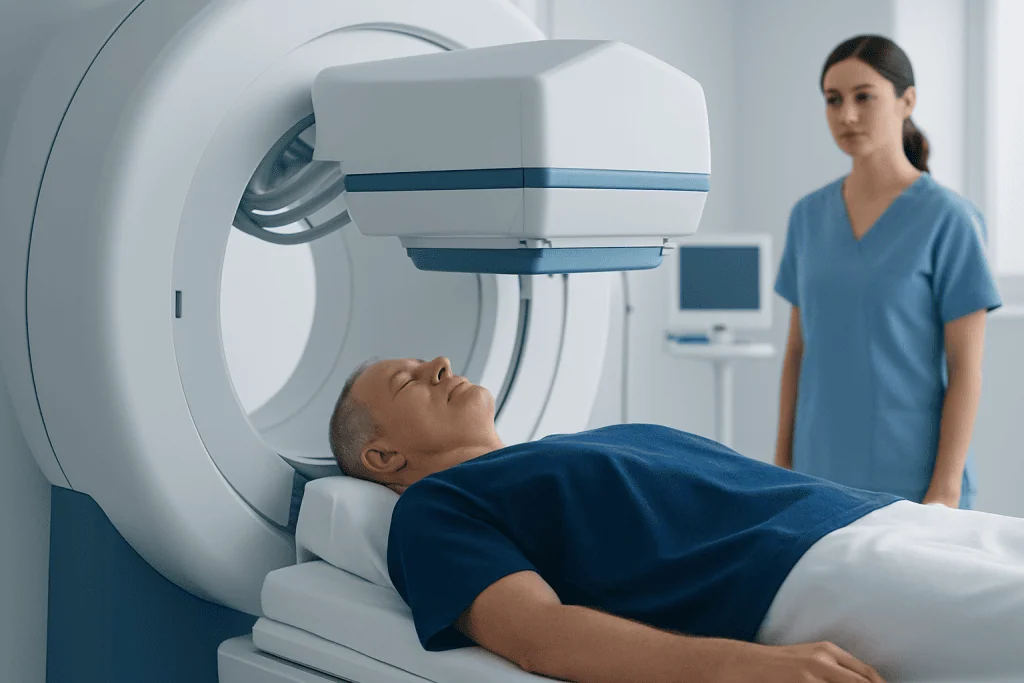
To understand Pluvicto how it works, it helps to separate the targeting step from the radiation step. PSMA is a protein commonly present in high amounts on prostate cancer cells, especially in advanced disease. The non-radioactive part of Pluvicto is designed to recognize PSMA and attach to these cells.
Once attached, lutetium-177 emits beta radiation. This radiation travels only a short distance, so its main effect is concentrated around PSMA-positive cancer cells and nearby tumor tissue. Radiation can damage cancer-cell DNA, making it harder for the cells to divide and survive.
PSMA is not found only in prostate cancer. Small amounts may be present in some normal tissues, including salivary glands, kidneys and parts of the intestine. This helps explain why dry mouth and certain blood or kidney-related effects need monitoring during treatment. A PSMA PET scan is essential because it shows whether enough cancer sites have the target for the treatment to be useful.
Who May Be a Candidate for Pluvicto Therapy?

Pluvicto is generally considered for adults with metastatic castration-resistant prostate cancer whose disease is PSMA-positive on an approved PSMA PET scan. “Castration-resistant” means the cancer has continued to progress despite treatment to keep testosterone at very low levels. Hormone-suppressing therapy is usually continued during Pluvicto treatment unless the treating clinician advises otherwise.
The exact eligibility criteria can vary by country, regulatory approval and the person’s earlier treatments. The oncology team reviews whether the patient has received appropriate prior therapies, such as androgen-receptor pathway medicines and, in many cases, chemotherapy. Newer evidence and local guidance may allow use at different points in the treatment pathway for some patients.
Before recommending therapy, clinicians also consider blood counts, bone marrow reserve, kidney and liver function, symptoms, other health conditions, current medicines and everyday functioning. Some people may not be suitable if their cancer has little or no PSMA uptake, if they have severely reduced bone marrow function, or if medical risks outweigh the expected benefit. A full assessment also helps identify whether chemotherapy or other treatment options may be appropriate.
Pluvicto Therapy Protocol: What Happens During Treatment?
The Pluvicto therapy protocol begins with specialist evaluation, PSMA PET imaging and baseline blood tests. Patients may also have other scans to assess the extent of disease. The team explains the expected benefits, possible side effects, radiation-safety instructions and practical arrangements for the day of treatment.
Pluvicto is given through a vein, usually as a short intravenous infusion in a nuclear medicine department. The administration itself is commonly brief, but the full visit can take several hours because of preparation, checks before treatment and observation afterward. This is the usual answer to questions about Pluvicto treatment time: the infusion is relatively short, while appointment length and follow-up monitoring take longer.
How often Pluvicto is given depends on the prescribed schedule and individual tolerance. A commonly used regimen involves treatment cycles several weeks apart, often up to six cycles, although the treating team may delay, modify or stop treatment based on blood tests, side effects, disease response or changing goals of care.
Because the medicine contains radiation, patients receive individualized instructions about hydration, toileting, hand hygiene, laundry and close contact with others for a limited period after each dose. These precautions are practical and temporary. They are designed to reduce unnecessary radiation exposure to family members and caregivers.
Benefits, Results and How Response Is Measured
Pluvicto can slow cancer growth in appropriately selected patients. In clinical studies of people with previously treated PSMA-positive metastatic castration-resistant prostate cancer, adding lutetium-177 PSMA-targeted therapy to standard care improved the time before disease progression and improved overall survival compared with standard care alone. It can also delay worsening of symptoms for some people.
How do you know if Pluvicto is working? Clinicians look at the full picture rather than one result. They monitor pain, energy, appetite, physical functioning and need for pain medicine, along with PSA blood tests, blood counts and imaging. A falling PSA can be encouraging, but PSA may fluctuate and does not always match what is happening on scans or how a person feels.
What is the success rate of Pluvicto? There is no single success rate because outcomes differ according to tumor biology, PSMA expression, prior treatments, extent of spread, bone marrow health and overall condition. Some people have a meaningful reduction in PSA or tumor activity, while others have stable disease for a time or do not respond. The treating team can provide a more individualized outlook based on scans and clinical findings.
Follow-up appointments help identify both response and side effects early. Treatment decisions may be adjusted if the cancer progresses, side effects become difficult to manage, or another therapy becomes more suitable. Supportive treatments, including pain management and care for bone health, remain important throughout advanced cancer care.
Can Pluvicto Cure Metastatic Prostate Cancer?
Can Pluvicto cure metastatic prostate cancer? Pluvicto is not currently considered a cure for metastatic prostate cancer. Metastatic disease means cancer cells have spread to distant parts of the body, and treatment usually focuses on controlling the cancer for as long as possible, extending life when possible, relieving symptoms and maintaining quality of life.
Even without being curative, an effective treatment can be valuable. For some eligible patients, Pluvicto can reduce cancer activity, lower PSA levels, delay progression and improve or stabilize cancer-related symptoms. The degree and duration of benefit vary widely between individuals.
How long can Pluvicto extend life? In a major trial of heavily pretreated patients, the treatment improved median overall survival by several months compared with standard care alone. Median results describe groups of people, not an individual prediction: some people live less time and others considerably longer. The best person-specific discussion considers scan findings, overall health, symptoms, blood results and available treatment options.
Side Effects, Recovery and Everyday Care
Most people return home after their treatment visit, with no lengthy hospital recovery period required. Mild fatigue can occur in the days after an infusion, and some people need to pace activities, rest more often and arrange practical support. Many can continue some usual daily activities, depending on symptoms and their overall health.
Common side effects include tiredness, dry mouth, nausea, changes in appetite, constipation or diarrhea. Pluvicto can also lower red blood cells, white blood cells and platelets because radiation may affect bone marrow. Regular blood tests are therefore an important part of safe treatment.
Less common but potentially serious concerns include significant anemia, infection risk from low white blood cells, bleeding or bruising from low platelets, and kidney effects. Patients should report new or worsening symptoms promptly rather than waiting for the next cycle. Drinking fluids as advised, maintaining oral care, eating regular nourishing meals when possible and following the radiation-safety guidance can support recovery.
Acibadem International’s multidisciplinary specialists and JCI-accredited hospitals assess and treat eligible international patients with advanced prostate cancer, including through Pluvicto therapy, with care plans tailored to clinical needs.
When to Seek Medical Care
Patients receiving Pluvicto should contact their oncology or nuclear medicine team promptly if they develop fever, chills, unusual bleeding, widespread bruising, severe or persistent nausea or vomiting, marked weakness, shortness of breath, confusion, or a major reduction in urine output. These symptoms may have many causes, but they need timely assessment during cancer treatment.
New severe bone pain, sudden back pain with leg weakness or numbness, loss of bladder or bowel control, or rapidly worsening mobility requires urgent medical assessment. In people with metastatic prostate cancer, these symptoms can occasionally indicate pressure on the spinal cord and should not be managed at home.
Regularly scheduled blood tests and visits should be kept even when a patient feels well. Questions about medication changes, supplements, dental procedures, planned travel or close contact with children or pregnant people should be discussed with the care team, which can give guidance tailored to the treatment cycle and local radiation-safety regulations.
Frequently asked questions
How is Pluvicto administered?
Pluvicto is administered into a vein by a trained nuclear medicine team. The infusion itself is usually short, but the full appointment includes preparation, safety checks and post-treatment instructions, so it may take several hours.
How many Pluvicto treatments are usually needed?
Treatment is commonly planned as repeated cycles separated by several weeks, often for up to six cycles. The number actually received depends on response, blood test results, side effects and the treating clinician’s assessment.
Does a PSA rise mean Pluvicto is not working?
Not necessarily. PSA trends can provide useful information, but they must be interpreted with symptoms, imaging results and other laboratory tests. The oncology team will assess repeated results rather than making decisions from one PSA value alone.
Will Pluvicto make someone radioactive to others?
After treatment, a small amount of radiation can leave the body through urine and other body fluids. The care team provides temporary instructions about hygiene, toilet use, hydration and close contact, which help protect others while the radioactivity declines.
What are the most common Pluvicto side effects?
Fatigue, dry mouth, nausea and changes in blood counts are among the more common effects. Blood tests before and between cycles help the team identify anemia, low white blood cells or low platelets early.
Can Pluvicto be combined with other prostate cancer treatments?
Many patients continue testosterone-lowering treatment while receiving Pluvicto. Whether other anticancer medicines can be used at the same time depends on the individual treatment plan, prior therapies, safety considerations and local clinical guidance.
References
- U.S. Food and Drug Administration
- European Medicines Agency
- National Cancer Institute
- American Cancer Society
- Society of Nuclear Medicine and Molecular Imaging
This article is for general information only and is not a substitute for professional medical advice. Please consult a qualified doctor about your individual situation.
Oncology care in Turkey — second opinion and treatment plan
JCI-accredited · board-certified surgeons · reply within 24h
Add us as a Preferred Source to see more of our trusted health content across Google Search, AI Overviews and Discover.

More from the Health Library



Related Specialists

Fzt. Gülşah Kalaycı
Physical Medicine & Rehabilitation
Prof. Dr. Dilaver Özturan
Otorhinolaryngology
Özge Bölükbaşı
Physical Medicine & Rehabilitation
Assoc. Prof. Dr. Emrah Erdal
Cardiology