Pneumonectomy: Candidacy, Procedure Steps, and Recovery Timeline
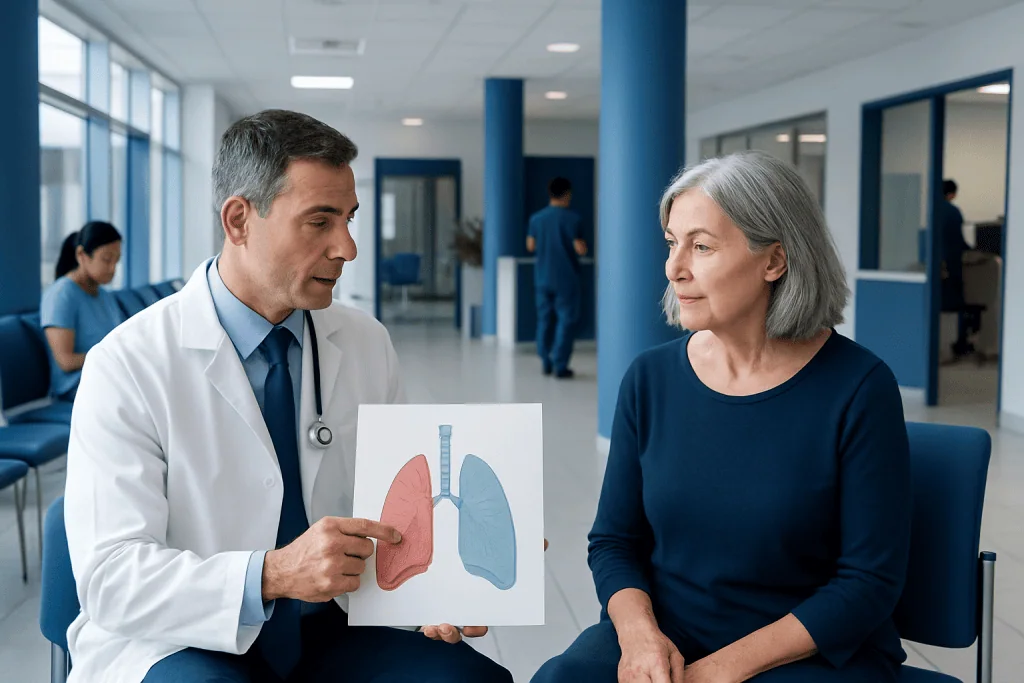
A pneumonectomy removes one whole lung and is usually considered only when other lung-sparing options are not suitable. Before surgery, doctors assess lung function, heart health, and the exact extent of disease to decide whether a person is a safe candidate.
Key Takeaways
- A pneumonectomy removes one whole lung and is usually considered only when other lung-sparing options are not suitable.
- Before surgery, doctors assess lung function, heart health, and the exact extent of disease to decide whether a person is a safe candidate.
- Recovery often happens in stages, with a hospital stay followed by gradual improvement in breathing, strength, and daily activity over weeks to months.
- Possible benefits include removing disease completely, while risks include infection, bleeding, blood clots, irregular heart rhythm, and breathing complications.
- Pulmonary rehabilitation, pain control, breathing exercises, and smoking cessation can support recovery and long-term lung health.
Pneumonectomy is an operation that removes an entire lung when disease cannot be safely treated with a smaller lung surgery. It is most often used for certain lung cancers, but it may also be considered for major injury, severe infection, or irreversible lung damage in carefully selected patients.
Overview: what a pneumonectomy is and why it is done
Pneumonectomy is surgery to remove an entire lung. It is usually recommended only when a disease affects so much of one lung that smaller operations, such as removing a lobe or segment, are unlikely to work well or leave enough healthy tissue behind. In modern practice, doctors generally try to preserve as much lung as possible, so a pneumonectomy is considered a major but selective treatment.
The most common reason for pneumonectomy is lung cancer that is limited to one side of the chest but cannot be removed with a smaller operation. It may also be used for severe lung destruction from infection, major trauma, congenital abnormalities, or certain rare tumors. In some people, the surgery can offer the best chance of complete disease removal or symptom relief.
Because a person can live with one lung, the body gradually adapts after surgery. Even so, this operation changes breathing capacity, exercise tolerance, and recovery needs. For that reason, the decision is based not only on the disease itself but also on how well the remaining lung and the heart are expected to function afterward.
Who may be a candidate for pneumonectomy
Good candidacy for pneumonectomy depends on a careful balance between need and safety. Surgeons consider whether the disease is fully or largely confined to one lung, whether complete removal is realistic, and whether the person can tolerate life with the remaining lung. This evaluation is often done by a multidisciplinary team that may include thoracic surgeons, pulmonologists, anesthesiologists, oncologists, and cardiologists.
In cancer care, candidacy often depends on tumor size, location, spread to nearby structures, and whether lymph nodes are involved. A tumor close to the main airway or major blood vessels may make a smaller resection impossible. In this setting, a pneumonectomy may be discussed alongside other options such as lung cancer treatment and a detailed staging workup for lung cancer.
Doctors also review a person’s overall health. Important factors include age-related resilience, smoking history, chronic lung disease, heart disease, diabetes, kidney function, nutrition, and physical fitness. Severe shortness of breath at baseline, very low lung reserve, or significant heart strain may make the procedure too risky or may lead doctors to recommend a different approach.
Preoperative testing commonly includes breathing tests, blood tests, heart evaluation, and imaging such as CT scans or PET imaging when appropriate. Some people also have a bronchoscopy to look inside the airways, or a perfusion scan to estimate how much work each lung is doing. These tests help predict how well the person may function after surgery.
How the pneumonectomy procedure works: step by step
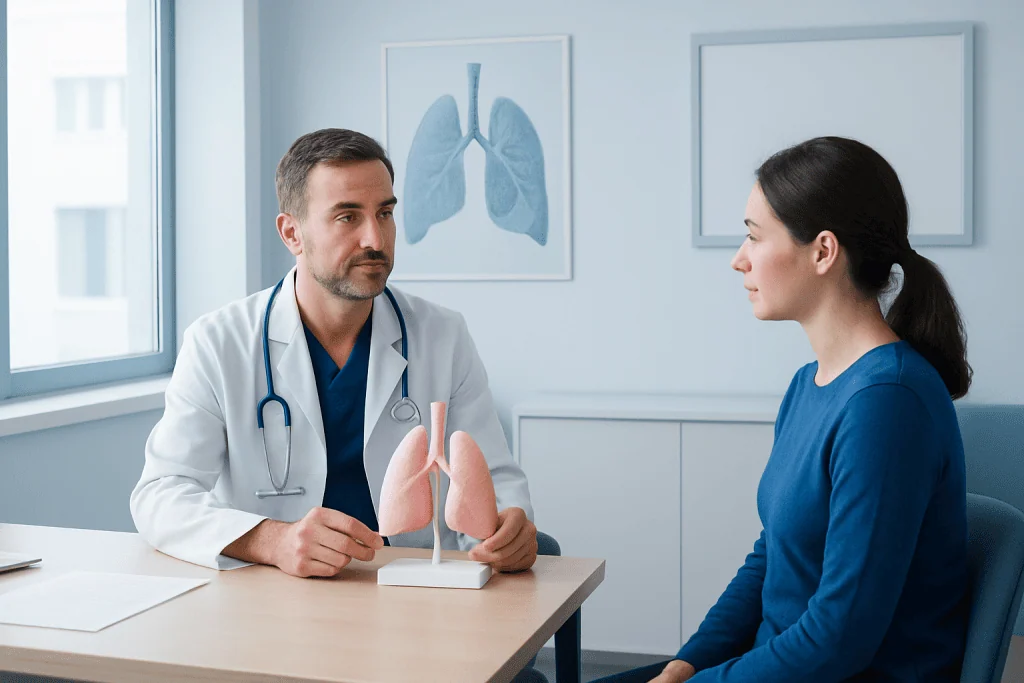
A pneumonectomy is performed under general anesthesia, so the patient is asleep and pain-free during the operation. After positioning and sterile preparation, the surgeon accesses the chest through an incision, most often between the ribs. In selected cases, minimally invasive methods may play a role in staging or limited parts of the operation, but full lung removal is still a complex thoracic procedure.
The surgeon carefully identifies and controls the major structures that connect the lung to the body: the pulmonary artery, pulmonary veins, and the main bronchus. These are divided and sealed or stapled in a planned order. Once the lung is detached, it is removed, and the surgical team checks for bleeding, the condition of the bronchial stump, and the safety of surrounding tissues before closing the chest.
There are different forms of the operation. A standard pneumonectomy removes one lung, while an extrapleural pneumonectomy is a more extensive procedure used in highly selected situations and may remove nearby lining tissues as well. The exact method depends on the disease, anatomy, and the surgeon’s judgment.
After surgery, the person is monitored closely in a recovery unit or intensive care setting. Pain control, breathing support, oxygen levels, fluid balance, and heart rhythm are watched carefully. Early movement, coughing, and guided breathing exercises begin soon after surgery because they help lower the risk of pneumonia and other complications. In centers offering advanced thoracic surgery, postoperative care is planned as carefully as the operation itself.
Benefits, risks, and possible complications
The main benefit of pneumonectomy is that it can remove disease that may not be treatable with a smaller operation. For some people with localized cancer, it may offer the most direct route to complete surgical removal. In non-cancer conditions, it may reduce severe symptoms, recurrent infection, or life-threatening damage in a lung that no longer functions well.
At the same time, pneumonectomy is a major surgery with significant risks. Possible short-term complications include bleeding, wound infection, pneumonia, blood clots, persistent pain, and reactions related to anesthesia. Irregular heart rhythms, especially atrial fibrillation, can also occur after chest surgery.
Breathing-related complications are especially important because the body must adapt to one remaining lung. Doctors watch for low oxygen levels, fluid shifts, respiratory failure, and problems involving the bronchial stump. Rare but serious complications can include a bronchopleural fistula, empyema, or severe strain on the heart and circulation.
Risk is not the same for every patient. It is influenced by the side of surgery, the amount of healthy lung remaining, smoking status, preexisting lung disease, infection risk, heart function, and the need for additional treatments such as chemotherapy or radiation. A detailed discussion with the care team helps patients and families weigh expected benefits against possible harms in a realistic way.
Recovery timeline after pneumonectomy
Recovery after pneumonectomy happens gradually rather than all at once. In the first days after surgery, the focus is on breathing safely, controlling pain, preventing infection, and getting out of bed with assistance. Many patients remain in the hospital for several days, though the exact length depends on age, baseline health, and whether any complications arise.
During the first few weeks at home, tiredness and shortness of breath with exertion are common. Walking, gentle activity, and prescribed breathing exercises help rebuild strength. Pain usually improves with time, but some chest discomfort, numbness, or a pulling sensation around the incision can last longer and should be discussed during follow-up visits if it interferes with sleep or movement.
By about one to three months, many people notice steadier progress in stamina and daily activity. However, exercise tolerance may remain lower than before surgery, especially for climbing stairs or brisk walking. The body continues adapting over time, and pulmonary rehabilitation may be recommended to improve conditioning, breathing technique, and confidence with activity.
Longer-term recovery varies widely. Some people return to many normal routines, while others need ongoing adjustments if they had underlying chronic lung disease or cancer treatment in addition to surgery. Follow-up appointments are important to monitor healing, review pathology results when relevant, check breathing status, and plan the next steps of care, including rehabilitation support when needed.
Self-care and lifestyle after living with one lung
Life after pneumonectomy often involves learning how to protect the remaining lung. The most important step is not smoking and avoiding secondhand smoke. Patients are also usually advised to keep up with recommended vaccinations, including influenza and other vaccines their doctor suggests, because respiratory infections can be more serious with reduced lung reserve.
Regular physical activity is helpful, but it should be increased gradually. Many people benefit from structured breathing exercises, posture work, and guided conditioning. Eating well, staying hydrated, and maintaining a healthy weight may also support breathing and recovery, since severe weight loss or significant weight gain can make activity more difficult.
It is sensible to reduce exposure to dust, chemical fumes, and air pollution whenever possible. People who work in environments with inhaled irritants may need individualized advice before returning to the job. Travel, sports, and daily routines are often still possible, but they should be resumed with medical guidance, especially if oxygen is needed or recent treatment has been intensive.
Near the end of treatment planning, some patients seek care in centers that can coordinate surgery, oncology, pulmonology, and recovery services in one place. Acibadem International’s multidisciplinary specialists and JCI-accredited hospitals diagnose and treat conditions that may require pneumonectomy for international patients when appropriate.
When to seek medical care
Anyone who is being evaluated for pneumonectomy should contact a doctor promptly if symptoms worsen before surgery. Concerning changes include increasing shortness of breath, chest pain, coughing up blood, fever, or rapid decline in strength. These symptoms may reflect progression of the underlying disease or another urgent problem that needs quick assessment.
After surgery, medical advice should be sought right away for fever, worsening cough, increasing breathlessness, severe chest pain, new swelling in a leg, fainting, palpitations, or drainage problems at the incision site. Blue lips, confusion, or sudden inability to breathe comfortably are emergency signs and need immediate attention.
Regular follow-up is also part of safe care, even when recovery seems to be going well. Questions about returning to work, driving, lifting, travel, oxygen use, or ongoing symptoms are best discussed with the surgical team or respiratory specialist. People recovering after cancer surgery may also need ongoing surveillance and coordination with oncology services.
Frequently asked questions
Can a person live a normal life after a pneumonectomy?
Many people can live independently and return to a wide range of daily activities after a pneumonectomy. However, breathing capacity is reduced, so endurance may be lower, especially during strenuous activity. Recovery and long-term function depend on overall health, the condition of the remaining lung, and whether other treatments are needed.
How long does it take to recover from a pneumonectomy?
Initial recovery usually takes several weeks, and fuller recovery often continues over a few months. Energy levels, pain, and shortness of breath generally improve in stages rather than immediately. Some people need pulmonary rehabilitation to help rebuild stamina and breathing confidence.
Why would a doctor choose pneumonectomy instead of a smaller lung surgery?
Doctors prefer lung-sparing surgery whenever it can treat the disease safely and effectively. A pneumonectomy may be chosen when the disease involves central airways or major blood vessels, or when too much of one lung is affected for a smaller resection to be useful. The goal is to remove disease completely while keeping the patient safe.
What tests are done before a pneumonectomy?
Preoperative evaluation often includes CT imaging, pulmonary function tests, blood work, and heart assessment such as an ECG or echocardiogram when needed. Some patients also have bronchoscopy, PET imaging, or a lung perfusion scan. These tests help doctors estimate surgical risk and predict how well the remaining lung will work.
What are the most common risks after pneumonectomy?
Common concerns after surgery include infection, bleeding, blood clots, irregular heart rhythm, and breathing difficulties. Doctors also monitor for pneumonia, fluid-related problems, and issues with the airway closure inside the chest. Careful monitoring, early movement, and breathing exercises are important parts of prevention.
Will someone need oxygen permanently after a pneumonectomy?
Not everyone needs long-term oxygen after a pneumonectomy. Some patients need oxygen only for a short period during recovery, while others may need it longer if they had poor lung function before surgery or develop complications. The decision is based on oxygen levels, symptoms, and medical follow-up.
References
- American Cancer Society
- National Cancer Institute
- American Thoracic Society
- Society of Thoracic Surgeons
- National Heart, Lung, and Blood Institute
This article is for general information only and is not a substitute for professional medical advice. Please consult a qualified doctor about your individual situation.
Explore treatments in Turkey — costs, top hospitals & a free quote
JCI-accredited · board-certified surgeons · reply within 24h
Add us as a Preferred Source to see more of our trusted health content across Google Search, AI Overviews and Discover.