Polyp Removal From the Uterus: When It Is Recommended and What Recovery Is Like

Uterine polyps are growths in the lining of the uterus and are often noncancerous. Removal is commonly recommended for abnormal bleeding, infertility evaluation, larger polyps, or concern about abnormal cells.
Key Takeaways
- Uterine polyps are growths in the lining of the uterus and are often noncancerous.
- Removal is commonly recommended for abnormal bleeding, infertility evaluation, larger polyps, or concern about abnormal cells.
- Most uterine polyps are removed with hysteroscopy, which allows diagnosis and treatment at the same time.
- Recovery is usually mild, with light cramping and spotting for a few days.
- A pathology review after removal helps confirm whether the polyp is benign or needs further follow-up.
Uterine polyp removal is a common procedure used to treat symptoms such as abnormal bleeding or to investigate polyps that may affect fertility or need closer evaluation. In most cases, recovery is relatively quick, and many people return to normal activities within a short time.
Overview: What uterine polyp removal means
Uterine polyp removal is a procedure used to take out polyps from the inner lining of the uterus, also called the endometrium. These growths are often called endometrial polyps. They are usually benign, meaning noncancerous, but they can sometimes cause symptoms or need testing to rule out abnormal changes.
Polyps may be very small or larger and can appear singly or as more than one growth. Some are discovered when a person is being evaluated for irregular bleeding, while others are found during fertility testing or pelvic imaging done for another reason. In many cases, treatment depends on symptoms, age, menopausal status, and the appearance of the polyp on imaging or hysteroscopy.
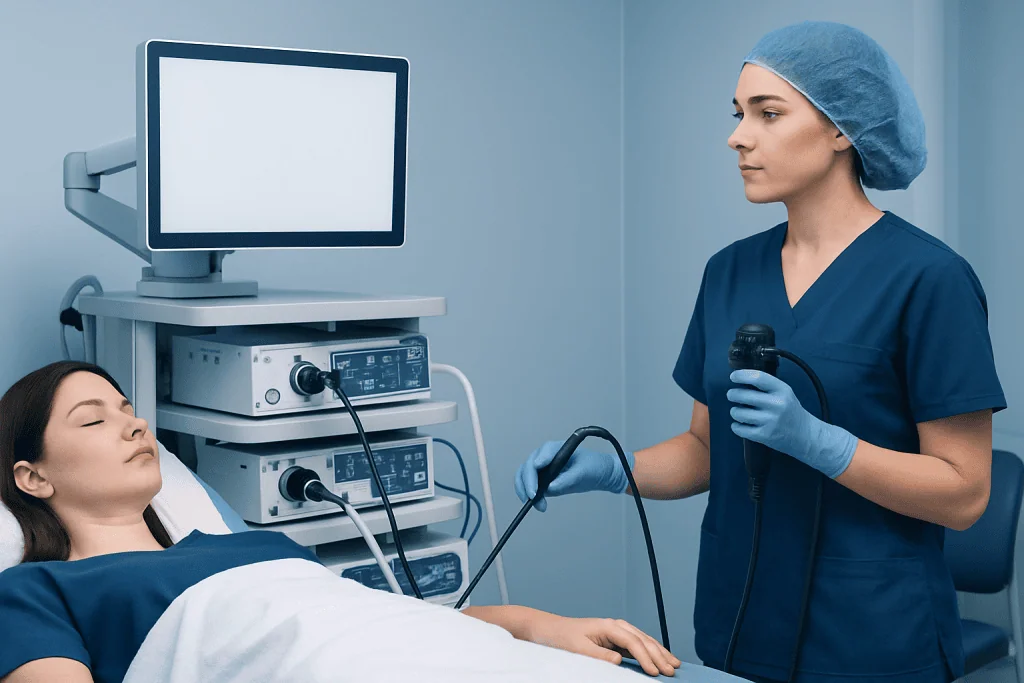
The most common way to remove a uterine polyp is hysteroscopic polypectomy. In this procedure, a thin camera is passed through the cervix into the uterus so the doctor can see the polyp directly and remove it. This approach is often preferred because it is targeted, avoids incisions, and allows both diagnosis and treatment in the same session.
Symptoms and signs that may lead to treatment
Some uterine polyps cause no symptoms at all. When symptoms do occur, the most common one is abnormal uterine bleeding. This may include bleeding between periods, heavier periods than usual, periods that last longer than expected, or bleeding after menopause.
Other people may notice spotting after sexual intercourse or unpredictable menstrual cycles. In some cases, a polyp can contribute to difficulty becoming pregnant or may be found during an evaluation for miscarriage or fertility concerns. Although uterine polyps are not always the cause, they can interfere with the normal uterine environment in certain patients.
Symptoms that may prompt a doctor to investigate include:
- Bleeding between periods
- Very heavy menstrual bleeding
- Bleeding after menopause
- Spotting when not expecting a period
- Possible fertility problems
- Persistent abnormal bleeding despite other treatment
Because these symptoms can also happen with other conditions, such as fibroids, hormone-related changes, or uterine cancer, a proper medical evaluation is important rather than assuming a polyp is the cause.
When uterine polyp removal is recommended

Doctors do not always recommend immediate removal for every uterine polyp. Small, symptom-free polyps in younger patients may sometimes be monitored, especially if they were found incidentally and there are no concerning features. However, removal is often advised when the polyp is causing symptoms or when its nature needs to be confirmed.
Common reasons for uterine polyp removal include abnormal bleeding, bleeding after menopause, infertility evaluation, recurrent pregnancy loss workup, a large polyp, or imaging findings that suggest the tissue should be examined more closely. Removal is also often recommended if the polyp persists over time or returns after previous treatment.
Age and menopausal status matter because the chance of abnormal or precancerous change is generally higher after menopause than during the reproductive years. Even so, most polyps remain benign. A doctor will look at the whole picture, including symptoms, ultrasound findings, medical history, and individual risk factors before recommending the best next step.
In people with heavy bleeding or other uterine symptoms, the doctor may also evaluate for related conditions such as uterine fibroids or hormonal causes before deciding on treatment.
Causes and risk factors
The exact cause of uterine polyps is not always clear, but they are thought to be influenced by hormones, especially estrogen, which stimulates the lining of the uterus. Polyps form when a small area of the endometrium grows more than the surrounding tissue.
They can occur at any adult age but are more commonly found in people in their 40s and 50s and around the time of perimenopause. Some are diagnosed after menopause, especially when bleeding leads to investigation. Risk may also be higher in people with obesity, high blood pressure, or those taking certain medicines that affect estrogen activity.
Other factors that can play a role include:
- Perimenopause or menopause
- Hormonal fluctuations
- A history of abnormal uterine bleeding
- Use of certain hormone-related medications
- Conditions linked to excess estrogen exposure
Having a risk factor does not mean a person will develop polyps, and many people who do have polyps have no clear reason for them. A gynecologist can help determine whether a polyp is likely to be harmless or whether removal and laboratory testing would be the safest option.
How diagnosis is made before removal
Diagnosis often begins with a medical history and pelvic evaluation, especially if a person reports unexpected bleeding. The doctor will ask about the pattern of bleeding, menstrual cycles, menopause, medications, pregnancy history, and any symptoms such as pelvic discomfort or fertility concerns.
Transvaginal ultrasound is commonly used to look at the lining of the uterus and identify a possible polyp. In some cases, saline infusion sonography may be used to improve the view by placing sterile fluid into the uterus during ultrasound. This can help show whether there is a focal growth inside the cavity.
Hysteroscopy gives the most direct view because it allows the doctor to look inside the uterus using a slender camera. If a polyp is seen, it can often be removed during the same procedure. Some patients may also have an endometrial biopsy, particularly if there is abnormal bleeding after menopause or other concern that the uterine lining needs more complete assessment.
The removed tissue is usually sent to a pathology laboratory. This step is important because it confirms whether the growth is a benign polyp or whether there are hyperplastic, precancerous, or rarely cancerous changes that require additional care.
Treatment options and what the procedure is like
The main treatment for a symptomatic uterine polyp is hysteroscopic removal. During hysteroscopic polypectomy, a doctor places a thin instrument through the vagina and cervix into the uterus. This makes it possible to see the polyp directly and remove it with small instruments, often without any external incision. This is commonly part of hysteroscopy care.
The procedure may be done in an outpatient setting, day procedure unit, or operating room depending on the size and number of polyps, the patient’s medical history, and the type of anesthesia or pain control needed. Some people have local anesthesia or light sedation, while others may have short general anesthesia. The choice depends on comfort, complexity, and the treatment plan recommended by the care team.
Less commonly, if bleeding is severe or there are broader uterine concerns, a doctor may discuss other treatment approaches. In selected cases, management may overlap with treatment planning for gynecology conditions affecting the uterus more generally. If a pathology result shows more serious abnormality, further treatment is based on the exact findings and individual health needs.
Medication alone does not usually remove a uterine polyp, although medicines may sometimes help manage bleeding temporarily. The advantage of hysteroscopic treatment is that it removes the tissue and allows laboratory examination at the same time.
Recovery after uterine polyp removal
Recovery after uterine polyp removal is usually straightforward. Many people go home the same day and can return to light daily activities within a day or two, depending on how they feel and whether sedation or anesthesia was used. Mild cramping, light spotting, and some fatigue are common for a short time afterward.
It is often recommended to avoid intercourse, tampons, or placing anything in the vagina for a limited period after the procedure, according to the doctor’s instructions. This supports healing and may reduce infection risk. Showering is usually fine, but activity guidance varies depending on the details of the procedure and any other treatment that was done at the same time.
Patients should contact their doctor if they develop heavy bleeding, fever, worsening pain, foul-smelling discharge, dizziness, or any symptom that feels unusual or severe. These problems are not common, but prompt advice is important if they occur. Follow-up is also important to review the pathology result and discuss whether further care is needed.
Many people want to know when they can try to conceive after removal. The answer depends on the individual situation, including the size and location of the polyp, the condition of the uterine lining, and whether fertility treatment is planned. A gynecologist or fertility specialist can provide tailored advice, and some patients may go on to need IVF treatment or other fertility support if there are additional factors involved.
Prevention, follow-up, and when to see a doctor
There is no guaranteed way to prevent uterine polyps, because they are often related to hormonal influences that cannot be fully controlled. Still, paying attention to menstrual changes and seeking evaluation for abnormal bleeding can help detect polyps and other uterine conditions early. Routine gynecologic care is especially important during perimenopause and after menopause.
After removal, some people will never have another polyp, while others may develop new polyps over time. Whether follow-up imaging is needed depends on symptoms, age, pathology findings, and reproductive plans. If bleeding returns, a repeat evaluation may be recommended rather than assuming it is from the same cause.
A person should arrange medical review if they have bleeding after menopause, bleeding between periods, very heavy or prolonged periods, trouble becoming pregnant, or recurring spotting that is not explained. A doctor can help clarify whether symptoms are due to a polyp or another condition and recommend the most appropriate treatment.
For patients seeking evaluation or treatment across borders, Acibadem International’s multidisciplinary specialists and JCI-accredited hospitals diagnose and treat uterine conditions, including hysteroscopic polyp removal, for international patients.
Frequently asked questions
Are uterine polyps usually cancerous?
Most uterine polyps are benign. However, some can contain abnormal, precancerous, or rarely cancerous cells, which is why removal and pathology testing may be recommended in certain situations. Risk tends to be higher after menopause or when bleeding is unusual.
Is uterine polyp removal painful?
Many patients feel only mild discomfort, and pain control is tailored to the procedure setting and the individual. Some have local anesthesia, sedation, or short general anesthesia. Mild cramping afterward is common and usually improves within a short time.
How long does recovery take after uterine polyp removal?
Recovery is often quick, with many people returning to normal light activities within a day or two. Light spotting and mild cramping can continue for several days. The exact timeline depends on the size of the polyp, the type of procedure, and whether anesthesia was used.
Can uterine polyps affect fertility?
They can in some cases, especially if a polyp changes the shape of the uterine cavity or affects implantation. Not every polyp causes fertility problems, but removal may be recommended during infertility evaluation. A fertility specialist can advise whether the polyp is likely to be contributing.
Can uterine polyps come back after removal?
Yes, uterine polyps can recur, although not everyone will develop them again. Follow-up depends on symptoms, pathology results, and personal risk factors. If abnormal bleeding returns, a doctor may recommend another evaluation.
When should someone call a doctor after the procedure?
A doctor should be contacted for heavy bleeding, fever, worsening pelvic pain, faintness, or foul-smelling discharge after removal. These symptoms may suggest a complication and should not be ignored. It is also important to attend follow-up to discuss pathology results.
References
- American College of Obstetricians and Gynecologists
- National Health Service
- Mayo Clinic
- Merck Manual Consumer Version
- Royal College of Obstetricians and Gynaecologists
This article is for general information only and is not a substitute for professional medical advice. Please consult a qualified doctor about your individual situation.
IVF & fertility treatment in Turkey — success rates and costs
JCI-accredited · board-certified surgeons · reply within 24h
Add us as a Preferred Source to see more of our trusted health content across Google Search, AI Overviews and Discover.
Check your numbers in seconds
BMI, calories, due date, blood pressure and 30+ more clinical calculators — free, instant, doctor-reviewed ranges.