Polypectomy: How It Works, Recovery, and What to Expect

Polypectomy removes abnormal tissue growths called polyps, often during a colonoscopy or another endoscopic procedure. Many polyps are benign, but some can change over time, so removal may help prevent future complications including cancer.
Key Takeaways
- Polypectomy removes abnormal tissue growths called polyps, often during a colonoscopy or another endoscopic procedure.
- Many polyps are benign, but some can change over time, so removal may help prevent future complications including cancer.
- The exact technique depends on the polyp’s size, shape, and location.
- Recovery is usually quick, though mild bloating, cramping, or spotting can occur depending on the type of procedure.
- Serious complications are uncommon but can include bleeding, infection, or perforation in some procedures.
- Follow-up depends on pathology results and the type of polyp that was removed.
Polypectomy is a medical procedure used to remove polyps, which are abnormal tissue growths that can develop in places such as the colon, stomach, uterus, nose, or cervix. In many cases, it is done during an endoscopic exam and helps confirm a diagnosis, ease symptoms, and lower the risk that some polyps could become cancerous over time.
Overview: what a polypectomy is and why it is done
A polypectomy is a procedure that removes a polyp, which is a small growth arising from the lining of an organ or body passage. Polyps can occur in several areas, including the colon, stomach, uterus, cervix, and nasal passages. Many are noncancerous, but some can bleed, cause symptoms, or carry a risk of developing into cancer over time.
The procedure is often performed at the same time as a diagnostic examination. For example, during a colonoscopy, a doctor may find and remove a colon polyp immediately rather than scheduling a separate procedure. This can make care more efficient and may reduce the need for additional testing or treatment later.
Polypectomy is not one single technique. Instead, it is a broad term that includes different removal methods based on the polyp’s location, size, and appearance. Small polyps may be removed with biopsy forceps, while larger ones may need a wire snare, electrocautery, or more advanced endoscopic approaches.
For many patients, the main reason for polypectomy is prevention. This is especially true in the colon, where removing certain precancerous polyps can lower the risk of colon cancer. In other settings, polypectomy may be done to reduce bleeding, pressure, blockage, or irritation, or to learn exactly what kind of tissue is present.
Who may need a polypectomy
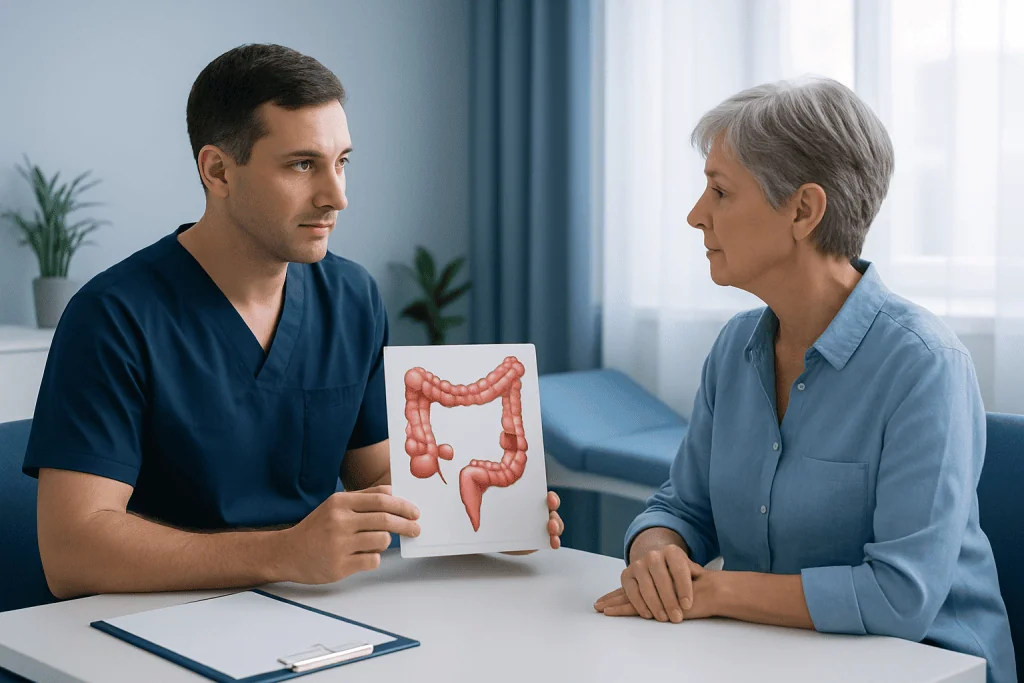
A person may be advised to have a polypectomy when a doctor identifies a polyp on screening, imaging, or direct examination. Sometimes the growth is found after symptoms such as rectal bleeding, changes in bowel habits, abnormal uterine bleeding, nasal blockage, pelvic pressure, or unexplained anemia. In other cases, there are no symptoms at all, and the polyp is discovered during routine screening.
Candidacy depends on more than simply finding a polyp. The clinician considers the person’s age, symptoms, medical history, medicines, bleeding risk, and whether the growth appears suitable for endoscopic or minimally invasive removal. Some polyps can be removed safely in an outpatient setting, while others may require a more specialized procedure or surgery.
In the digestive tract, polyps are commonly assessed by gastroenterologists. A patient who has polyps found during colonoscopy or upper endoscopy may have them removed during the same session if it is safe to do so. In gynecology, uterine or cervical polyps may be removed if they are causing bleeding, affecting fertility evaluation, or need tissue analysis. In ear, nose, and throat care, removal may be recommended for persistent nasal obstruction or recurrent sinus symptoms.
Not every polyp needs the same approach. Very large, broad-based, or difficult-to-reach polyps may need referral to a specialist with advanced endoscopic training or, less commonly, an operation in the operating room. The goal is to choose the safest method that fully removes the abnormal tissue while protecting the surrounding healthy tissue.
How polypectomy works: step by step
The exact steps vary by body area, but the overall process follows a similar pattern. First, the medical team confirms the location of the polyp and reviews preparation, medicines, allergies, and any bleeding risks. Depending on the type of procedure, the patient may receive local anesthesia, sedation, or general anesthesia.
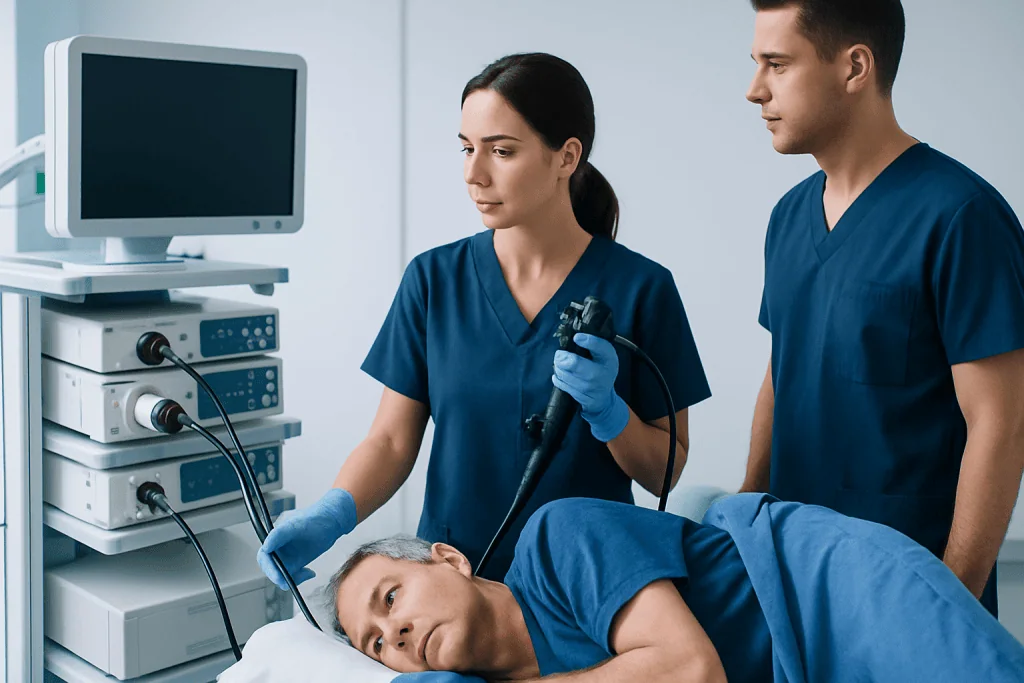
During an endoscopic polypectomy, a thin flexible instrument with a camera is guided to the area of interest. Through the scope, the doctor passes small tools to grasp, cut, or loop around the polyp. A snare may be placed around the base of the polyp and tightened to remove it. In some cases, electric current is used to cut tissue and reduce bleeding at the same time.
Larger or flatter polyps may require additional steps. Fluid can be injected under the lesion to lift it away from deeper layers before removal, making the procedure safer. The doctor may remove the polyp in one piece or in sections, depending on its size and shape. If there is any bleeding, clips, cautery, or other hemostatic tools may be used to control it before the procedure ends.
After removal, the tissue is usually sent to a laboratory for microscopic examination. This pathology report helps show whether the polyp was benign, precancerous, or cancerous, and whether the margins appear completely treated. In digestive cases, patients who need advanced endoscopy techniques may be referred for removal of complex lesions that cannot be managed with a simple snare approach.
Types of polypectomy and where they are used
Polypectomy techniques are tailored to the organ involved. In the colon and stomach, common options include cold forceps removal for very small polyps, cold snare polypectomy for many small to medium lesions, and hot snare polypectomy when electrocautery is used. More advanced methods, such as endoscopic mucosal resection, may be considered for larger superficial growths.
In gynecology, uterine polyps are often removed during hysteroscopy, which allows the doctor to look directly inside the uterus and use fine instruments to detach the polyp. Cervical polyps may sometimes be removed in the office with simple instruments if they are small and easily reached. These procedures can help investigate or treat abnormal bleeding and may support care planning in related conditions such as uterine polyps.
In the nose, a polypectomy may be part of treatment for chronic inflammation and blocked sinus drainage. Removal can improve airflow and symptoms, although long-term care may still be needed to manage the underlying inflammation. In some patients, more extensive sinus treatment is considered when nasal polyps are linked to chronic sinus disease.
The choice of method depends on safety and effectiveness rather than convenience alone. Important factors include whether the polyp has a stalk, how deep it appears to extend, whether there are multiple polyps, and whether complete removal is possible without damaging surrounding tissue. This individualized planning is one reason specialist evaluation matters.
Benefits, risks, and possible complications
The main benefit of polypectomy is that it removes abnormal tissue before it can continue causing problems. Depending on the location, this may reduce bleeding, irritation, blockage, or discomfort. In the colon especially, removal of certain adenomatous or serrated polyps is an important step in cancer prevention.
Another benefit is diagnostic clarity. Once a polyp is removed, pathologists can examine it under a microscope to determine its exact type. This information helps guide follow-up. It can show whether no further treatment is needed, whether surveillance should be repeated sooner, or whether more extensive treatment should be considered.
Like any procedure, polypectomy has risks. The most common concerns are bleeding and temporary discomfort. In gastrointestinal procedures, there is also a small risk of perforation, meaning a hole in the wall of the organ. The risk may be higher with larger polyps, difficult locations, blood-thinning medicines, or more complex techniques.
Other possible issues include infection, incomplete removal, or side effects related to sedation or anesthesia. Most complications are uncommon, and many can be managed promptly if recognized early. Patients are usually given clear instructions about what symptoms to watch for after the procedure, such as heavy bleeding, worsening pain, fever, fainting, or persistent vomiting.
Recovery timeline and what to expect after polypectomy
Recovery after polypectomy is often straightforward, but it depends on where the polyp was removed and how extensive the procedure was. After a colon or stomach polypectomy, many people go home the same day once sedation wears off. Mild bloating, gas, or cramping can happen for a short time, especially after endoscopic procedures that use air or carbon dioxide.
Some patients notice light bleeding or spotting, depending on the site of removal. This can be expected in certain cases, such as after uterine or cervical polyp removal, but heavy bleeding is not typical and should be reported. Most people can return to light daily activities within a day, although the doctor may advise avoiding strenuous activity, alcohol, driving after sedation, or certain medicines for a short period.
The recovery timeline also includes waiting for pathology results. This usually takes several days, though timing varies by facility. Those results are central to next steps because they determine whether the polyp was benign, precancerous, or showed cancerous change, and whether repeat examination is needed.
Follow-up is especially important after digestive polypectomy. A person who has had polyps removed may need another surveillance examination at an interval based on the number, size, and type of polyps found. In selected cases, advanced gastroenterology care may be recommended for ongoing monitoring, symptom assessment, or treatment planning.
Self-care after the procedure and ways to lower future risk
After polypectomy, patients should follow the instructions given by their care team. These may include dietary advice, guidance on fluids, temporary activity limits, and medicine instructions. If sedatives were used, rest is usually recommended for the remainder of the day, and someone else may need to drive the patient home.
It is also important to understand that removing one polyp does not always prevent new polyps from forming later. For that reason, follow-up appointments and recommended surveillance testing should not be skipped. In the colon, routine screening remains one of the best ways to find and remove new growths before they cause symptoms.
General healthy habits may also help support long-term digestive and overall health. These include not smoking, limiting alcohol, staying physically active, maintaining a healthy weight, and eating a balanced diet rich in fiber, fruits, vegetables, and whole grains when medically appropriate. These measures do not replace medical follow-up, but they can be part of an overall prevention plan.
If the polyp was related to an underlying condition, ongoing treatment may be needed. For example, nasal polyps may return if inflammation is not controlled, and uterine polyps may require gynecologic follow-up if abnormal bleeding continues. In complex cases, Acibadem International’s multidisciplinary specialists at JCI-accredited hospitals evaluate and treat international patients with coordinated endoscopic, surgical, and pathology support.
When to seek medical care
Medical advice should be sought if symptoms suggest a polyp may be present or if a screening test has found one. Signs that deserve evaluation can include rectal bleeding, black stools, unexplained anemia, persistent abdominal symptoms, abnormal uterine bleeding, bleeding after menopause, chronic nasal blockage, or recurrent sinus pressure. Many of these symptoms can have causes other than polyps, but they still warrant professional assessment.
After a polypectomy, urgent medical care may be needed for severe abdominal pain, heavy or ongoing bleeding, fever, chills, shortness of breath, chest pain, fainting, or repeated vomiting. These symptoms do not always mean a serious complication has occurred, but they should not be ignored.
Patients should also contact their doctor if they have questions about medicine use after the procedure, especially blood thinners, diabetes medicines, or pain relievers. A care team can explain what is expected during recovery and when normal activities can safely resume.
Anyone with a personal or family history of polyps, colorectal cancer, hereditary cancer syndromes, or inflammatory bowel disease should discuss screening and follow-up timing with a qualified clinician. Early evaluation often makes treatment simpler and supports better long-term prevention.
Frequently asked questions
Is polypectomy the same as a colonoscopy?
No. A colonoscopy is an examination of the inside of the colon, while a polypectomy is the removal of a polyp that may be found during that examination. Many polypectomies are done during colonoscopy, but polyps can also be removed from other areas such as the uterus, stomach, or nose.
Does polypectomy hurt?
Most patients feel little or no pain during the procedure because sedation, anesthesia, or local numbing is commonly used. Some mild cramping, bloating, or soreness afterward can happen, depending on the location and technique. The care team usually explains what level of discomfort is normal for that specific procedure.
How long does it take to recover from a polypectomy?
Many people recover within a day or two after a simple endoscopic polypectomy, although this varies by the type of polyp removed and the body area involved. More complex removals may require a longer recovery period and closer follow-up. Pathology results may also take several days and are an important part of the recovery process.
Can polyps come back after polypectomy?
A removed polyp usually does not grow back if it has been completely excised, but new polyps can form over time. That is why follow-up examinations may be recommended. The schedule depends on the number, size, and type of polyps, as well as personal risk factors.
Is polypectomy safe?
Polypectomy is generally considered safe, especially when performed by experienced clinicians using appropriate techniques. Complications such as bleeding or perforation are uncommon but possible. The risk level depends on the size and location of the polyp, the type of removal used, and the patient’s overall health.
Why is the removed polyp sent to a lab?
Laboratory analysis shows what type of cells are in the polyp and whether there are any precancerous or cancerous changes. This information helps doctors decide if treatment is complete or if additional follow-up is needed. It is one of the most important parts of the procedure.
References
- National Cancer Institute
- American Society for Gastrointestinal Endoscopy
- Centers for Disease Control and Prevention
- National Institute of Diabetes and Digestive and Kidney Diseases
- American College of Obstetricians and Gynecologists
This article is for general information only and is not a substitute for professional medical advice. Please consult a qualified doctor about your individual situation.
Persistent digestive symptoms? Get evaluated in Turkey
JCI-accredited · board-certified surgeons · reply within 24h
Add us as a Preferred Source to see more of our trusted health content across Google Search, AI Overviews and Discover.

More from the Health Library



Related Specialists

Gülçin Selen Akgün
Physical Medicine & Rehabilitation
Dr. Mohammad Youssef Halak Fattal
Emergency Service
Assoc. Prof. Dr. Emel Kabakoğlu Ünsür
Pediatrics
Dr. İlayda Uysal
Dermatology