Poop with White Mucus Looks Like Mold: A Complete Medical Overview

White or clear material on stool is often intestinal mucus, which can look stringy, cloudy, jelly-like, or mold-like. Temporary mucus may occur with constipation, dietary changes, or a short-lived gastrointestinal infection.
Key Takeaways
- White or clear material on stool is often intestinal mucus, which can look stringy, cloudy, jelly-like, or mold-like.
- Temporary mucus may occur with constipation, dietary changes, or a short-lived gastrointestinal infection.
- Irritable bowel syndrome, inflammatory bowel disease, food intolerance, and some infections can cause more noticeable mucus.
- Stool color, bowel-habit changes, abdominal symptoms, and duration help guide the cause.
- Blood in stool, black stool, severe pain, fever, dehydration, or unexplained weight loss require prompt medical advice.
Poop with white mucus that looks like mold is usually mucus produced by the intestine, rather than actual mold growing in the stool. A small amount may occur temporarily, but persistent mucus or mucus with pain, blood, diarrhea, fever, or weight loss should be assessed by a healthcare professional.
What Does Poop With White Mucus That Looks Like Mold Mean?
Poop with white mucus that looks like mold is usually not mold. The bowel naturally makes mucus to lubricate and protect its lining, and a small amount can pass unnoticed in stool. When more mucus is present, it may appear as white, off-white, clear, cloudy, stringy, jelly-like, or fuzzy-looking material coating the stool or floating in the toilet water.
One isolated episode without other symptoms is often not serious. Mucus may become more visible when stool moves slowly through the colon, during a mild digestive upset, or after a temporary change in diet. However, recurrent or increasing mucus deserves attention, especially when it occurs with diarrhea, constipation, urgency, cramping, or a change in usual bowel habits.
True mold does not typically develop inside the digestive tract and then appear on a freshly passed bowel movement. What appears mold-like is more commonly mucus mixed with stool, undigested food residue, toilet-paper fibers, or material already present in the toilet. A clinician can help clarify the cause if the finding continues.
How Intestinal Mucus Can Look
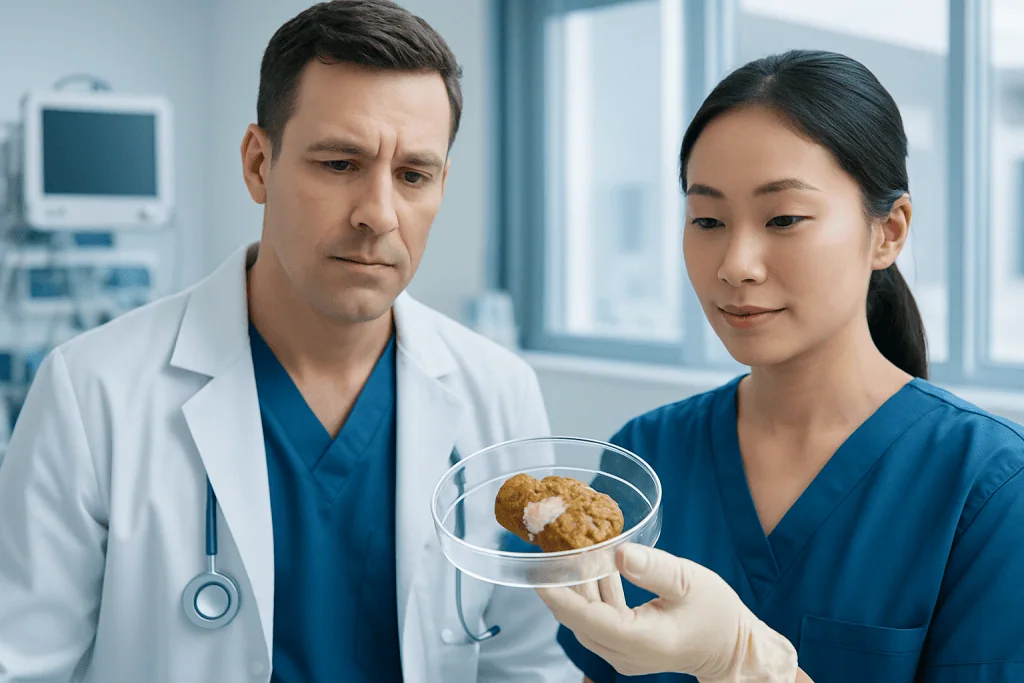
The appearance of mucus can vary from person to person. It may form thin white strands, slippery patches on the outside of stool, soft clumps, or a cloudy film in the water. It may also be mixed into loose stool, making it more noticeable than it would be with a formed bowel movement.
White or pale mucus is different from pale, clay-colored stool. Mucus is usually a separate coating or gel-like material, while an entire stool that is persistently pale may indicate reduced bile reaching the intestine. Yellow mucus can occur with rapid stool transit or inflammation, while green stool is often related to food, bile, or rapid movement through the bowel. Color alone cannot confirm a diagnosis.
It can be useful to note whether the mucus is new, how often it occurs, and whether it is linked to certain foods, medications, travel, illness, stress, or changes in bowel frequency. These details can help a healthcare professional decide whether testing is needed.
Common Causes of White Mucus in Stool

Constipation is a common and usually manageable reason for visible mucus. When stool remains in the colon longer, the bowel may produce additional mucus to help it pass. Straining, hard stools, infrequent bowel movements, and a feeling of incomplete emptying can support constipation as a possible explanation.
A short-term infection of the stomach and intestines can also lead to mucus, particularly when it causes diarrhea, cramps, nausea, or fever. Viral illnesses are common, but bacterial and parasitic infections may be considered depending on symptoms, food exposures, recent travel, contaminated water exposure, or contact with someone who is ill.
Irritable bowel syndrome (IBS) may cause visible whitish mucus along with recurrent abdominal discomfort and changes in stool frequency or consistency. IBS does not damage the bowel, but its symptoms can affect daily life. Learn more about irritable bowel syndrome and how it is evaluated.
Less commonly, mucus can result from inflammation in the bowel, including inflammatory bowel disease such as ulcerative colitis or Crohn’s disease. These conditions may cause ongoing diarrhea, urgency, abdominal pain, fatigue, rectal bleeding, or weight loss. Food intolerances, diverticular disease, anal irritation, and certain medications can also contribute to bowel changes and mucus.
Symptoms That Help Put Mucus in Context
Mucus is best interpreted together with other symptoms rather than on its own. A single small amount without discomfort may simply be a temporary bowel response. In contrast, mucus that repeatedly accompanies diarrhea, blood, cramping, or urgency may point to a condition that needs medical evaluation.
Healthcare professionals commonly ask about the following accompanying features:
- New constipation, persistent diarrhea, or alternating bowel habits
- Abdominal pain, bloating, nausea, or rectal urgency
- Bright red blood, maroon blood, or black, tar-like stool
- Fever, vomiting, fatigue, reduced appetite, or unintentional weight loss
- Recent antibiotic use, travel, illness exposure, or changes in diet
It is also important to distinguish mucus from other material. Undigested food, especially fibrous vegetables, can look stringy. Some supplements and medicines can alter stool texture. Discharge from the rectum, including pus-like material, should be assessed promptly, particularly if there is pain, fever, swelling, or bleeding.
How Doctors Evaluate Ongoing Mucus in Stool
A doctor will begin with a symptom history and may ask about bowel patterns, diet, recent infections, family history of digestive disease, medication use, and any warning symptoms. A physical examination may include an abdominal examination and, when appropriate, an examination of the rectal area.
Testing is not always necessary for a brief, mild episode. If symptoms persist or there are concerning features, a clinician may recommend stool tests for infection or inflammation, blood tests, or other investigations. These tests can help identify dehydration, anemia, inflammation, infection, or other contributors to digestive symptoms.
Depending on the situation, a gastroenterologist may advise a colonoscopy or another examination of the bowel. Colonoscopy evaluation can allow the doctor to inspect the colon and collect small tissue samples when needed. It is particularly useful when symptoms are prolonged, bleeding is present, inflammatory bowel disease is suspected, or screening is appropriate based on age and risk factors.
Practical Self-Care While Monitoring Symptoms
For mild, short-lived mucus without warning signs, maintaining hydration and observing bowel habits may be reasonable. Regular meals, adequate fluids, gradual increases in dietary fiber when constipation is present, and gentle physical activity can support bowel regularity. Fiber should be increased gradually because a sudden increase may worsen gas or bloating in some people.
During diarrhea or an acute stomach upset, fluids and electrolytes are especially important. Simple foods may be easier to tolerate temporarily, but prolonged restrictive diets are not usually necessary without medical guidance. Avoiding alcohol, very fatty meals, and foods that clearly aggravate symptoms may help while the bowel settles.
Keeping a brief symptom diary can be helpful. Record stool appearance, frequency, pain, foods, stress, medications, and any fever or bleeding. People should not start antibiotics, anti-diarrheal medicines, laxatives, or elimination diets solely because of mucus without discussing persistent symptoms with a qualified healthcare professional.
When to Seek Medical Care
Medical advice should be sought if white mucus in stool continues for more than a few days, returns frequently, or is accompanied by a meaningful change in bowel habits. A non-urgent appointment is appropriate for recurrent mucus, ongoing constipation or diarrhea, persistent bloating, or abdominal discomfort that does not improve.
Prompt medical assessment is important for blood in the stool, black or tar-like stool, severe or worsening abdominal pain, fever, repeated vomiting, signs of dehydration, fainting, or unexplained weight loss. Infants, older adults, pregnant people, and individuals with weakened immune systems may need earlier assessment when diarrhea or possible infection occurs.
Acibadem International’s multidisciplinary specialists and JCI-accredited hospitals assess digestive symptoms and provide individualized evaluation and treatment for international patients. The most appropriate next step depends on the person’s symptoms, medical history, and examination findings.
Frequently asked questions
Is white mucus in poop normal?
A small amount of clear or white mucus can be normal because the intestines produce mucus to protect and lubricate their lining. It is more noticeable in some bowel movements, especially during constipation or a brief digestive upset. Persistent or increasing mucus should be discussed with a healthcare professional.
Can mucus in stool really be mold?
Actual mold growing inside a freshly passed stool is unlikely. Mold-like material is more often intestinal mucus, undigested food fibers, or debris from the toilet environment. If the appearance repeatedly occurs, a clinician can help determine its source.
Can IBS cause white mucus in stool?
Yes. IBS can cause visible mucus, often with abdominal discomfort, bloating, diarrhea, constipation, or alternating bowel habits. IBS is diagnosed after a clinician considers symptoms and rules out other causes when appropriate.
Does white mucus in stool mean infection?
Not always. Infections can cause mucus, particularly when diarrhea, cramps, fever, nausea, or recent exposure risks are present, but constipation and IBS are also common causes. Stool testing may be used when an infection is suspected.
When is mucus in stool a warning sign?
Mucus is more concerning when it occurs with blood, black stool, fever, significant pain, persistent diarrhea, dehydration, or unintentional weight loss. These symptoms should be evaluated promptly. Emergency care may be needed for severe pain, fainting, heavy bleeding, or signs of significant dehydration.
Should a person take a photo of unusual stool for the doctor?
A photo can sometimes help describe an intermittent finding that may not be present during an appointment, provided it is stored privately and shared only with the healthcare team. Written notes about timing, color, consistency, associated symptoms, diet, and medications are also useful. A photo does not replace medical assessment or testing when symptoms are concerning.
This article is for general information only and is not a substitute for professional medical advice. Please consult a qualified doctor about your individual situation.
Medical weight-loss options in Turkey — costs & eligibility
JCI-accredited · board-certified surgeons · reply within 24h
Add us as a Preferred Source to see more of our trusted health content across Google Search, AI Overviews and Discover.

More from the Health Library

Boldo Tea Benefits — Explained by Medical Evidence, Not Myths

Apgar Score: A Complete Medical Overview

Abdominal quadrants: Symptoms, Causes, and Treatment — Complete Patient Guide

Ear Pressure — Explained by Medical Evidence, Not Myths

Native Americans: A Complete Medical Overview