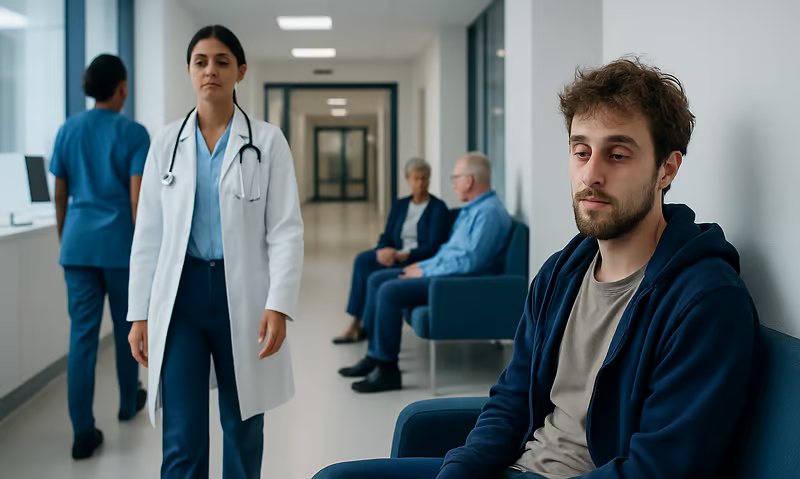
Native Americans: A Complete Medical Overview
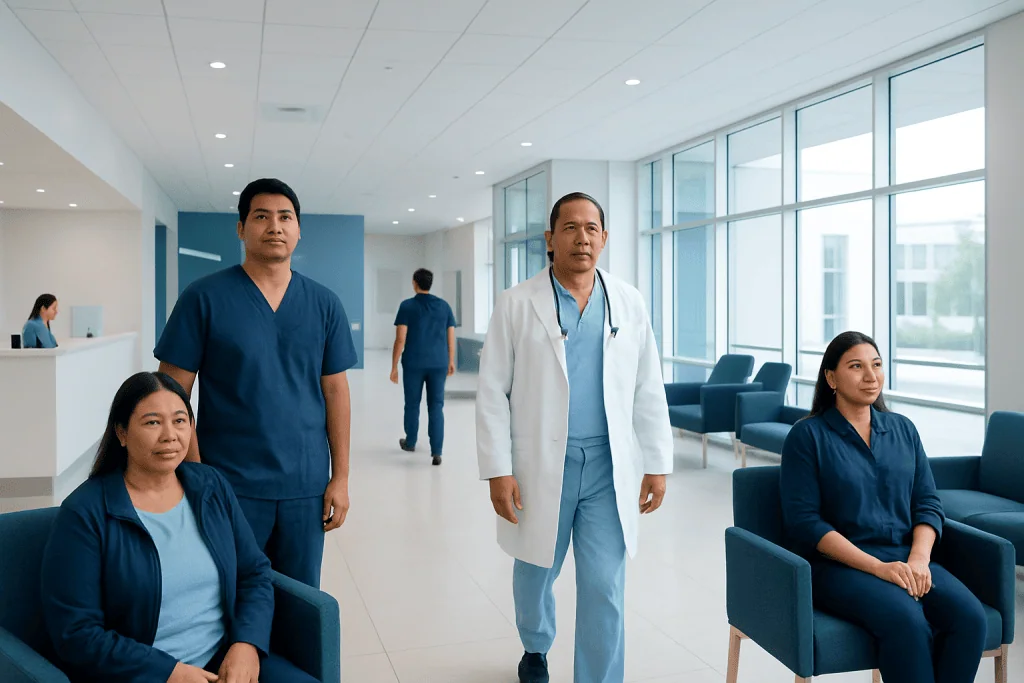
Native Americans are culturally diverse communities and should never be treated as one uniform group. Health outcomes are shaped by social conditions, access to care, environment, trauma history, and community resources as well as biology.
Key Takeaways
- Native Americans are culturally diverse communities and should never be treated as one uniform group.
- Health outcomes are shaped by social conditions, access to care, environment, trauma history, and community resources as well as biology.
- Common areas of concern include diabetes, heart disease, some cancers, mental health conditions, substance use disorders, and barriers to preventive care.
- Culturally respectful, trauma-informed, and community-centered healthcare can improve trust and long-term outcomes.
- Regular screenings, vaccination, healthy lifestyle habits, and timely medical care remain important for prevention and early diagnosis.
Native Americans are the Indigenous peoples of the United States, including many distinct tribes, nations, and communities with unique histories, languages, and health traditions. A medical overview focuses not on a single disease, but on the health patterns, risks, strengths, and care needs that can affect Native American individuals and families.
Overview
Native Americans are the Indigenous peoples of the United States, including American Indian, Alaska Native, and many tribal and village communities. From a medical perspective, the topic is best understood as a public health and healthcare access issue rather than a single diagnosis. Health patterns among Native Americans are influenced by culture, geography, income, food access, housing, education, environmental exposures, historical trauma, and the availability of trusted healthcare services.
It is important to avoid broad assumptions. Native American communities are highly diverse, with different languages, traditions, diets, and living environments. Some people live in urban areas with access to large health systems, while others live in rural or remote communities where preventive care, specialty care, imaging, and emergency services may be harder to reach.
Many Native American communities show strong protective factors, including close family structures, cultural continuity, traditional knowledge, and community-based healing practices. These strengths can support mental well-being, resilience, and healthier lifestyles when they are respected within care plans. Good healthcare for Native Americans is usually care that is evidence-based, culturally informed, and centered on the patient’s goals and community context.
Why Health Outcomes May Differ
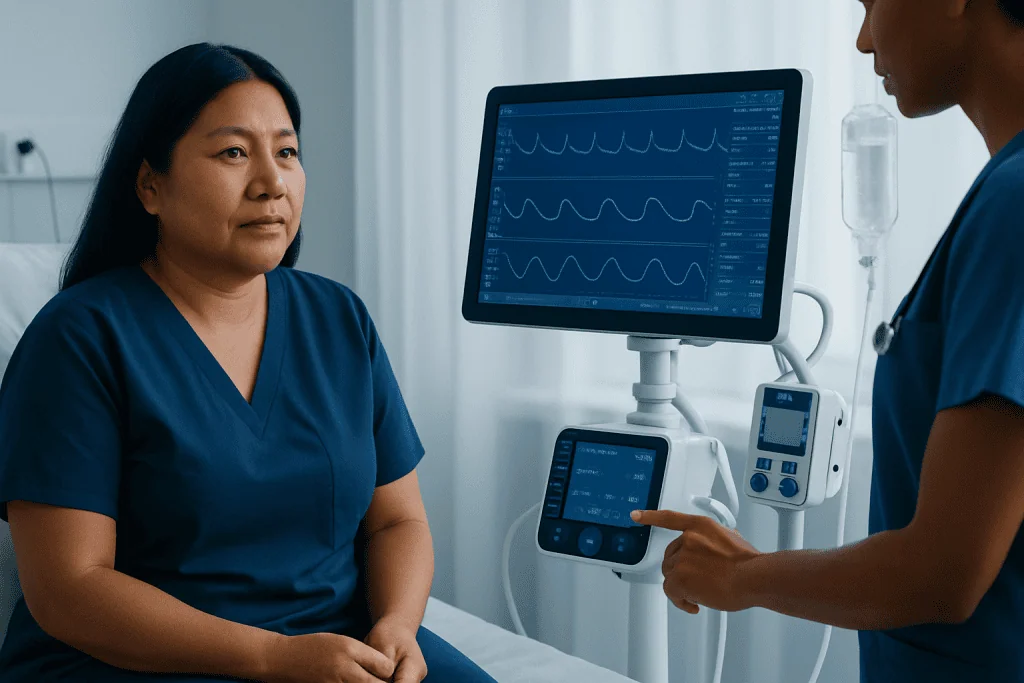
Differences in health outcomes among Native Americans do not come from identity alone. They are linked to the social determinants of health, which include stable housing, clean water, education, transportation, employment, access to nutritious food, and the ability to see a doctor early rather than only in emergencies. When these supports are limited, preventable illness may become more common or harder to manage.
Historical and intergenerational trauma may also affect health. Forced displacement, family separation, loss of land, disruption of cultural practices, and discrimination can contribute to chronic stress. Long-term stress is associated with higher risks of depression, anxiety, sleep problems, substance use, high blood pressure, and metabolic disease.
Geographic isolation can delay diagnosis and treatment. A person may need to travel long distances for specialist care such as cancer treatment, advanced imaging, or surgery. Limited continuity of care may make it harder to follow up on abnormal tests, refill medications, or receive regular screening for conditions such as diabetes and hypertension.
Trust also matters. Some Native American patients may have had negative healthcare experiences or may worry that their beliefs will not be respected. Clear communication, shared decision-making, and respect for cultural practices can help improve patient comfort and long-term engagement with care.
Common Health Concerns
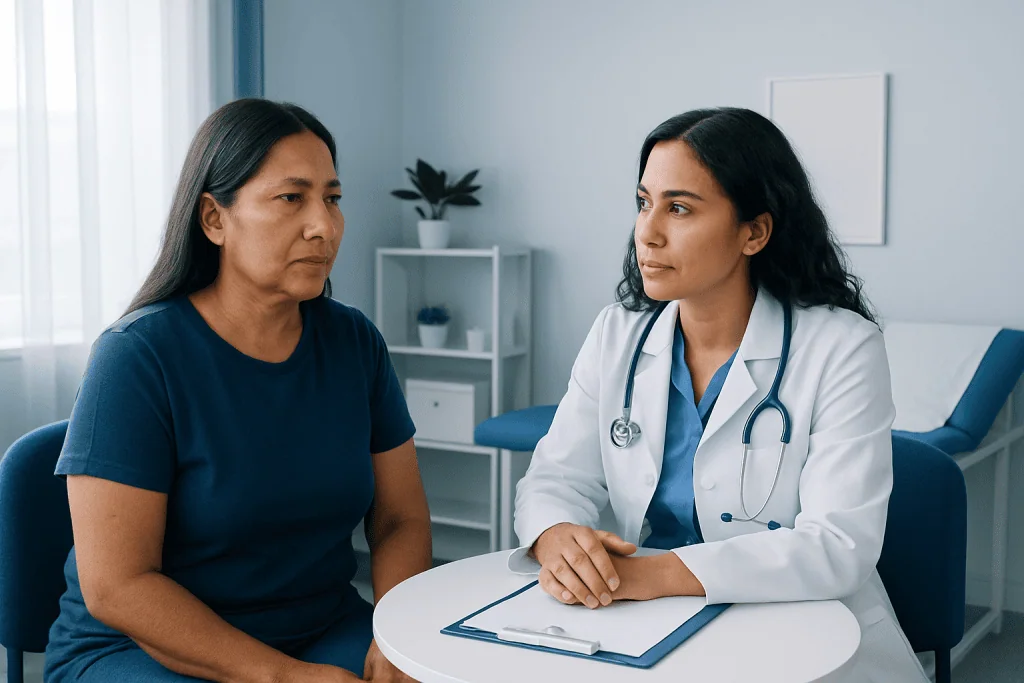
Native American communities may face higher burdens of certain chronic diseases, although patterns differ by tribe, region, age, and living conditions. Conditions often discussed in public health research include type 2 diabetes, obesity, high blood pressure, heart disease, kidney disease, liver disease, and some cancers. These concerns are tied to a mix of genetic susceptibility, food systems, physical activity opportunities, stress, and access to preventive services.
Mental health is another important area. Depression, anxiety, trauma-related symptoms, and grief can affect people of all ages. Some communities are also affected by higher rates of alcohol misuse, opioid use disorder, or other substance-related conditions. Early support, counseling, and culturally responsive treatment can be very helpful, especially when combined with family and community resources.
Infectious diseases and environmental health risks may also be relevant, especially where housing is crowded or infrastructure is limited. Preventive care such as vaccination, maternal care, dental care, vision checks, and management of chronic illness remains essential. Screening for high blood pressure and cholesterol problems can help identify silent risks before complications develop.
Children, pregnant women, and older adults may have specific needs. Pediatric care can focus on growth, immunization, asthma, nutrition, and developmental support. Pregnancy care includes blood pressure monitoring, diabetes screening, anemia checks, and support for healthy birth outcomes. Older adults may need assessment for mobility, hearing, memory, balance, and medication safety.
Symptoms and Warning Signs That Deserve Attention
Because this topic covers overall health rather than one illness, symptoms vary widely. In general, warning signs that should not be ignored include unexplained weight loss, ongoing fatigue, chest pain, shortness of breath, severe headaches, fainting, persistent abdominal pain, blood in the stool or urine, unusual bleeding, or a new lump. These can be linked to many different conditions and deserve proper assessment.
Signs of poorly controlled chronic disease can also appear gradually. Examples include frequent urination, excessive thirst, numbness in the feet, blurred vision, swelling in the legs, severe heartburn, reduced exercise tolerance, or wounds that heal slowly. These symptoms may suggest diabetes, circulation problems, kidney disease, or digestive disorders and should be evaluated by a qualified clinician.
Mental health symptoms are equally important. Persistent sadness, loss of interest, panic, irritability, hopelessness, sleep changes, changes in appetite, or increasing use of alcohol or drugs are not signs of personal weakness. They are health concerns that can improve with support. Any thoughts of self-harm, suicide, or harm to others need urgent professional help.
- Seek emergency care for chest pain, stroke symptoms, severe breathing trouble, serious injury, seizure, or loss of consciousness.
- Arrange prompt medical review for persistent fever, dehydration, severe pain, or symptoms that are worsening.
- Do not delay care if a child, pregnant person, or older adult seems significantly unwell.
Diagnosis, Screening, and Preventive Care
Diagnosis begins with a careful history, physical examination, and discussion of symptoms, family history, lifestyle, medications, and social factors. For Native American patients, this conversation may be more helpful when it also considers access to food, transportation, housing, stress, and community support. A doctor may recommend blood tests, urine tests, blood pressure checks, imaging, or referrals depending on the concern.
Routine screening is especially important because many chronic diseases develop quietly. Adults may need screening for high blood pressure, diabetes, cholesterol disorders, colorectal cancer, breast cancer, cervical cancer, and depression based on age, sex, family history, and risk factors. Kidney function tests may be useful in people with diabetes or hypertension. In some situations, advanced evaluation such as check-up and screening services can support earlier detection.
Preventive care also includes vaccines, dental visits, eye examinations, hearing checks, and regular pediatric care. Pregnancy-related screening can identify gestational diabetes, preeclampsia, anemia, and infections early. For patients with symptoms such as chronic cough, abdominal pain, or unexplained weight loss, imaging and specialist review may be needed to rule out conditions including lung cancer or digestive disease.
Good screening plans are individualized. They should fit the person’s age, health history, current symptoms, and preferences. When possible, continuity with the same primary care clinician can improve follow-up and help patients feel more comfortable asking questions.
Treatment and Supportive Care
Treatment depends on the specific condition identified. Chronic illnesses such as diabetes, high blood pressure, asthma, depression, or kidney disease often improve with a combination of regular follow-up, medications when needed, nutrition support, physical activity, sleep care, and stress management. The goal is usually long-term control, prevention of complications, and better quality of life.
Many patients benefit from team-based care. A primary care doctor may work with nurses, dietitians, mental health professionals, pharmacists, endocrinologists, cardiologists, or rehabilitation specialists. When symptoms suggest a neurological or vascular problem, more specialized care may be recommended, such as stroke treatment after an acute event or rehabilitation support afterward.
Mental health and substance use treatment can include counseling, trauma-informed therapy, medication when appropriate, peer support, and family involvement. Care often works best when it respects cultural values and, if the patient wishes, allows space for traditional healing practices alongside standard medical treatment. Integrating support systems can improve adherence and emotional well-being.
Near the end of a care pathway, some patients may also need specialty evaluation abroad or in a tertiary center. Acibadem International’s multidisciplinary specialists and JCI-accredited hospitals diagnose and treat a wide range of chronic and complex conditions for international patients, with care tailored to the individual diagnosis and overall health needs.
Healthy Living, Community Strengths, and Self-Care
Self-care for Native Americans follows the same medical principles used for any population, but the most effective plan is one that is realistic, culturally respectful, and sustainable. A balanced eating pattern, regular movement, adequate sleep, stress reduction, tobacco avoidance, limited alcohol use, and taking medicines as prescribed are core habits that protect long-term health.
Food choices can be especially sensitive because many communities have experienced disruption of traditional food systems. Whenever possible, practical steps may include cooking more at home, choosing high-fiber foods, reducing sugary drinks, and planning regular meals to support blood sugar control. Physical activity can include walking, strength training, sports, dance, or other forms of movement that fit daily life and personal preference.
Community strengths matter. Family support, elders, cultural identity, language, ceremony, and connection to land can all support mental and physical health. These are not replacements for medical care, but they may improve coping, motivation, and resilience. For many people, a care plan works best when it honors both clinical evidence and personal values.
Keeping up with routine appointments is also part of self-care. It can help to track blood pressure, blood sugar, symptoms, medications, and upcoming screenings. Small, consistent changes are often more effective than extreme short-term efforts.
When to Seek Medical Care
Medical care should be sought promptly for symptoms that are severe, sudden, or persistent. Examples include chest pain, weakness on one side of the body, difficulty speaking, new confusion, severe shortness of breath, heavy bleeding, high fever that does not improve, dehydration, or a significant injury. These symptoms can signal an emergency and should not wait.
A non-emergency appointment is appropriate for ongoing tiredness, changes in mood, poor sleep, unexplained weight change, frequent urination, swelling, stomach problems, chronic pain, or any symptom that is affecting daily life. Regular care is also important for people with a family history of diabetes, heart disease, cancer, or kidney disease, even if they feel well.
Children, pregnant people, and older adults often need earlier assessment because health problems can become serious more quickly in these groups. Anyone who is struggling with alcohol, drugs, depression, panic, or thoughts of self-harm should seek professional help as soon as possible. When in doubt, contacting a doctor, urgent care service, or emergency department is the safest choice.
Frequently asked questions
Who are Native Americans in a medical context?
In healthcare, Native Americans refers broadly to the Indigenous peoples of the United States, including many American Indian and Alaska Native communities. Medically, this topic focuses on health patterns, access to care, and prevention rather than a single disease.
Do Native Americans have the same health risks as everyone else?
Yes, Native Americans can develop the same common health conditions seen in any population, such as diabetes, heart disease, cancer, asthma, and depression. However, risk may be increased or decreased by social conditions, geography, environmental exposures, family history, and access to preventive care.
Why are health disparities discussed so often for Native Americans?
Health disparities are discussed because some Native American communities experience higher rates of preventable disease and barriers to timely care. These differences are linked to broader factors such as poverty, transportation, food access, housing, discrimination, and historical trauma, not to identity alone.
What preventive care is especially important?
Regular blood pressure checks, diabetes screening, cholesterol testing, vaccinations, cancer screening, dental care, eye exams, and mental health assessment are all important. The best schedule depends on age, symptoms, personal risk factors, and family history.
Can traditional healing practices be used with standard medical treatment?
In many cases, yes. Patients may wish to incorporate cultural or traditional healing practices alongside medical care, and this can be discussed openly with a qualified clinician to make sure the overall plan remains safe and coordinated.
When should someone seek urgent medical help?
Urgent help is needed for chest pain, stroke-like symptoms, trouble breathing, severe injury, seizure, fainting, or thoughts of self-harm. Persistent fever, dehydration, worsening pain, or symptoms that rapidly change also deserve prompt medical attention.
References
- Centers for Disease Control and Prevention
- Indian Health Service
- National Institutes of Health
- World Health Organization
- Substance Abuse and Mental Health Services Administration
This article is for general information only and is not a substitute for professional medical advice. Please consult a qualified doctor about your individual situation.
Explore treatments in Turkey — costs, top hospitals & a free quote
JCI-accredited · board-certified surgeons · reply within 24h
Add us as a Preferred Source to see more of our trusted health content across Google Search, AI Overviews and Discover.
Check your numbers in seconds
BMI, calories, due date, blood pressure and 30+ more clinical calculators — free, instant, doctor-reviewed ranges.