Poor Blood Circulation in Head Symptoms: Common Causes, Related Conditions, and When to See a Doctor

Sudden one-sided weakness, facial drooping, speech difficulty, severe balance problems or vision loss can be signs of stroke and require emergency care. Dizziness, headache and tiredness are common symptoms with many possible explanations and do not by themselves confirm reduced brain blood flow.
Key Takeaways
- Sudden one-sided weakness, facial drooping, speech difficulty, severe balance problems or vision loss can be signs of stroke and require emergency care.
- Dizziness, headache and tiredness are common symptoms with many possible explanations and do not by themselves confirm reduced brain blood flow.
- Conditions affecting the heart, blood vessels, blood pressure or carotid arteries can increase the risk of impaired blood flow to the brain.
- A clinician may use a neurological examination, blood tests, heart testing and imaging to identify the cause.
- Managing blood pressure, diabetes, cholesterol, smoking and physical inactivity can lower the risk of vascular disease and stroke.
Poor blood circulation in the head is not usually a diagnosis by itself. It is a common way of describing symptoms that may occur when blood flow to the brain is briefly or persistently reduced, but similar symptoms can also have many other causes.
Overview: What Does Poor Blood Circulation in the Head Mean?
Poor blood circulation in head symptoms is a non-medical phrase often used to describe dizziness, lightheadedness, fainting, blurred vision, confusion, headache, weakness or difficulty concentrating. In clinical care, the concern is whether there may be reduced blood flow to part of the brain, known as cerebral hypoperfusion or ischemia. The brain depends on a steady oxygen-rich blood supply, so a sudden disruption can become an emergency.
However, many symptoms attributed to “poor circulation” are nonspecific. Dehydration, anxiety, migraine, inner-ear conditions, medication effects, low blood pressure, anemia, low blood sugar and sleep problems can all cause similar experiences. A healthcare professional can help distinguish a temporary, less serious cause from a problem involving the brain, heart or blood vessels.
Symptoms that start suddenly are especially important. A transient ischemic attack (TIA), sometimes called a “mini-stroke,” causes temporary neurological symptoms due to a short-lived interruption of blood flow. Even if symptoms resolve, prompt assessment is important because a TIA may warn of a future stroke.
Symptoms That May Need Prompt Assessment
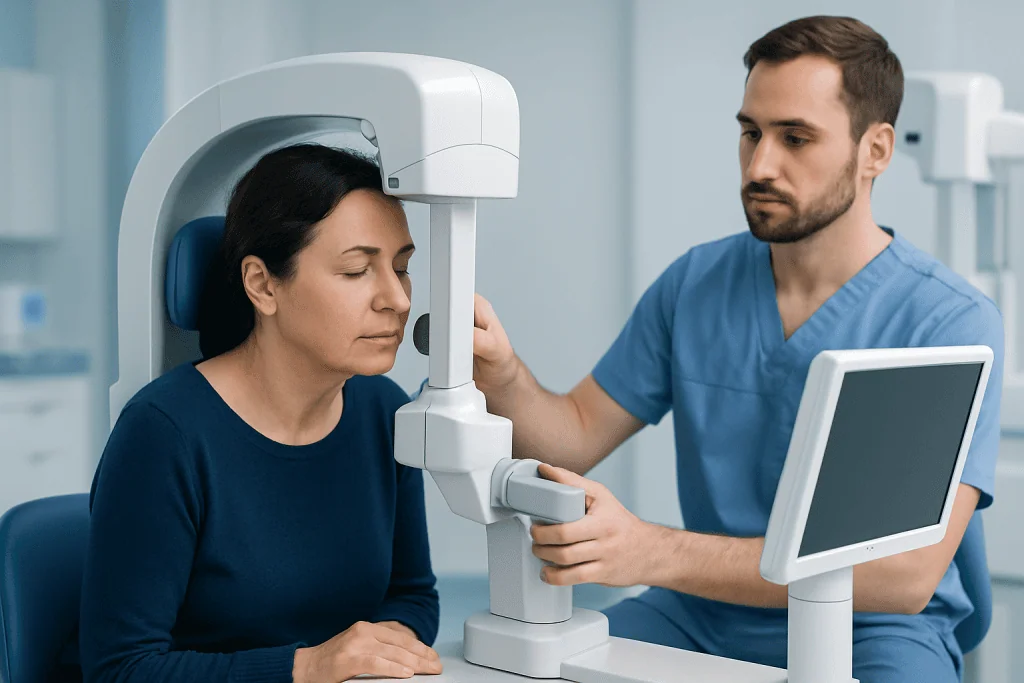
The symptoms of reduced blood flow to the brain depend on which area is affected and how quickly blood flow changes. They may be brief and reversible, or they may persist. A person should not try to diagnose the cause based on symptoms alone, particularly when symptoms are new, sudden or clearly different from usual.
Potential neurological symptoms include:
- Sudden weakness, numbness or tingling in the face, arm or leg, especially on one side
- New trouble speaking, understanding words, reading or writing
- Sudden loss of vision, double vision or a curtain-like shadow over vision
- New difficulty walking, loss of balance, poor coordination or severe dizziness
- Confusion, fainting, unusual drowsiness or a sudden change in alertness
- A sudden severe headache, particularly if it is unlike prior headaches
Some people experience more general symptoms, such as feeling lightheaded when standing, fatigue, a “foggy” feeling or reduced concentration. These symptoms may be related to blood pressure changes or other health conditions, but they are not specific signs of poor circulation in the brain. Their pattern, duration, triggers and accompanying symptoms help guide evaluation.
Common Causes and Related Conditions

Blood flow to the brain can be affected by conditions that narrow, block or damage arteries, or by problems that reduce the amount of blood the heart pumps. Atherosclerosis, the buildup of fatty deposits in artery walls, can narrow blood vessels over time. If a clot forms or travels to the brain, it can cause an ischemic stroke.
Carotid artery disease involves narrowing of the large arteries in the neck that help supply the brain. It may cause no symptoms until a TIA or stroke occurs. Learn more about carotid artery disease and the ways it can be assessed when clinically appropriate.
Other possible causes include very low blood pressure, irregular heart rhythms such as atrial fibrillation, heart failure, severe dehydration, major blood loss, severe anemia and certain valve disorders. A sudden fall in blood pressure can reduce blood flow temporarily, particularly when a person stands up quickly. This is sometimes called orthostatic hypotension.
Not every condition involving the head is a circulation disorder. Migraine can cause visual changes, dizziness, numbness or speech symptoms, while inner-ear disorders commonly cause vertigo and imbalance. Because these symptoms overlap with neurological emergencies, new or sudden symptoms should be assessed without delay.
Risk Factors for Reduced Blood Flow to the Brain
Some risk factors for stroke and vascular disease can be changed, while others cannot. Older age, a family history of early cardiovascular disease and a previous TIA or stroke may increase risk. Risk also rises with certain medical conditions, including high blood pressure, diabetes, high cholesterol, atrial fibrillation, sleep apnea and kidney disease.
Smoking or tobacco use, limited physical activity, an eating pattern high in salt or saturated fats, heavy alcohol use and obesity can contribute to vascular risk. These factors can affect blood pressure, cholesterol, blood sugar and the health of blood vessel walls. Risk is often influenced by several factors together rather than one factor alone.
Pregnancy, recent surgery, prolonged immobility and some inherited or acquired clotting conditions can raise the chance of blood clots in selected people. Certain medicines may also contribute to dizziness or low blood pressure. A clinician should review symptoms alongside medical history and medications rather than assuming that circulation is the cause.
How Doctors Evaluate These Symptoms
Evaluation begins with the timing and nature of symptoms. A clinician may ask when symptoms began, whether they were sudden or gradual, how long they lasted, what the person was doing at the time and whether there was weakness, speech difficulty, chest discomfort, palpitations or fainting. A neurological examination checks speech, vision, strength, sensation, coordination and walking.
Depending on the situation, tests may include blood pressure measurements while sitting and standing, blood tests, an electrocardiogram (ECG), heart rhythm monitoring, ultrasound of the carotid arteries, echocardiography, computed tomography (CT) or magnetic resonance imaging (MRI). CT or MRI can help identify stroke, bleeding and other brain conditions. Vascular imaging can assess arteries supplying the brain.
If a TIA or stroke is suspected, assessment is time-sensitive. Treatment decisions may depend on the exact time symptoms started, imaging findings and medical history. For suspected stroke symptoms, emergency services are safer than driving oneself to a clinic or waiting for symptoms to pass.
Treatment Options Depend on the Cause
Treatment for poor blood circulation in the head focuses on the underlying cause and on preventing complications. In an acute stroke or TIA evaluation, clinicians may use brain and blood-vessel imaging, monitor vital signs and address factors such as abnormal heart rhythm, blood pressure or blood sugar. Specific treatments are selected individually and may include medicines to prevent clotting, procedures to restore blood flow or treatment for another identified cause.
When narrowing of a carotid artery is significant and linked to symptoms, specialist evaluation may consider procedures such as carotid endarterectomy or other interventions. The most appropriate approach depends on the degree and location of narrowing, symptoms, overall health and imaging results.
For long-term prevention, clinicians may recommend medication to manage blood pressure, cholesterol, diabetes or an abnormal heart rhythm. They may also discuss antiplatelet or anticoagulant medicines when appropriate. These medicines should only be started, stopped or changed under medical guidance because they are not suitable for everyone.
Acibadem International’s multidisciplinary specialists and JCI-accredited hospitals evaluate neurological and vascular conditions, including stroke-related concerns, for international patients. Individual care plans are based on timely assessment, imaging findings and a person’s wider health needs.
Prevention and Everyday Self-Care
Many vascular risk factors can be improved over time. Regular blood pressure checks and appropriate management of diabetes and cholesterol are central to reducing stroke risk. People with atrial fibrillation or other heart conditions should attend follow-up appointments and take prescribed medicines as directed.
A heart-healthy routine generally includes regular physical activity appropriate for the individual, a diet rich in vegetables, fruit, legumes, whole grains and healthy protein sources, and limiting highly processed foods, excess salt and trans fats. Stopping smoking is one of the most important steps for blood vessel health. A clinician can recommend support options for quitting.
Staying adequately hydrated, rising slowly from bed or a chair and discussing recurrent dizziness with a clinician may help when symptoms are related to low blood pressure. It is important not to self-treat ongoing neurological symptoms with supplements or unproven “circulation” remedies, as this can delay proper diagnosis.
When to Seek Medical Care
Call emergency services immediately for sudden face drooping, arm weakness, speech problems, sudden vision loss, severe new dizziness with trouble walking, fainting with neurological symptoms or a sudden severe headache. These may be signs of stroke or another emergency. Note the time the person was last known to be well, and do not give food, drink or medications unless directed by emergency professionals.
Urgent medical assessment is also appropriate if symptoms have resolved after a few minutes or hours. A TIA can be a warning sign and needs prompt evaluation even when the person feels completely back to normal.
Non-emergency appointments are appropriate for recurrent lightheadedness, persistent headaches, gradual changes in concentration, palpitations or dizziness triggered by standing, especially when symptoms interfere with daily activities. A qualified doctor can review possible causes and determine whether referral to a neurologist, cardiologist or vascular specialist is needed.
Frequently asked questions
Can poor blood circulation in the head cause dizziness?
Dizziness can occur when blood pressure drops or when blood flow to the brain is temporarily reduced. However, dizziness is more commonly linked to causes such as inner-ear disorders, dehydration, migraine, medication effects or anxiety. Sudden dizziness with weakness, speech changes, vision changes or difficulty walking requires emergency assessment.
What are the warning signs of a stroke?
Common warning signs include sudden facial drooping, weakness or numbness on one side, speech difficulty, confusion, sudden vision changes, loss of balance and a severe new headache. These symptoms may appear alone or together. Emergency services should be called immediately, even if symptoms improve.
Can anxiety feel like poor circulation in the head?
Anxiety can cause lightheadedness, tingling, a sense of unreality, headache and difficulty concentrating, often through changes in breathing and stress responses. These symptoms can feel concerning, but anxiety should not be assumed to be the cause of a new neurological symptom. A clinician can help rule out medical causes when symptoms are persistent, severe or sudden.
Can low blood pressure reduce blood flow to the brain?
Yes, a significant drop in blood pressure can cause lightheadedness, blurred vision, weakness or fainting because the brain briefly receives less blood. This can happen with dehydration, standing up quickly, certain medicines or medical conditions. Repeated episodes, falls or fainting should be discussed with a healthcare professional.
Is a headache a sign of poor blood circulation in the head?
Most headaches are not caused by reduced blood flow to the brain. Tension-type headaches, migraine, infections, dehydration and medication overuse are among the more common causes. A sudden, extremely severe headache or a headache with neurological symptoms needs urgent medical evaluation.
How is reduced blood flow to the brain diagnosed?
Diagnosis depends on the symptoms and suspected cause. A clinician may perform a neurological examination and order tests such as blood work, an ECG, carotid ultrasound, CT, MRI or heart rhythm monitoring. Testing is chosen to identify or exclude stroke, artery narrowing, heart-related causes and other conditions.
References
- American Stroke Association
- National Institute of Neurological Disorders and Stroke
- Centers for Disease Control and Prevention
- National Heart, Lung, and Blood Institute
- World Health Organization
This article is for general information only and is not a substitute for professional medical advice. Please consult a qualified doctor about your individual situation.
Explore treatments in Turkey — costs, top hospitals & a free quote
JCI-accredited · board-certified surgeons · reply within 24h
Add us as a Preferred Source to see more of our trusted health content across Google Search, AI Overviews and Discover.
Check your numbers in seconds
BMI, calories, due date, blood pressure and 30+ more clinical calculators — free, instant, doctor-reviewed ranges.