Poor Ovarian Response in IVF: Causes, Protocol Changes, and Next Steps

Poor ovarian response is not a personal failure; it is usually related to ovarian reserve, age, previous ovarian surgery, genetics, or individual sensitivity to stimulation medicines. AMH, antral follicle count, age, and previous IVF results help estimate likely response, but they cannot predict pregnancy with certainty.
Key Takeaways
- Poor ovarian response is not a personal failure; it is usually related to ovarian reserve, age, previous ovarian surgery, genetics, or individual sensitivity to stimulation medicines.
- AMH, antral follicle count, age, and previous IVF results help estimate likely response, but they cannot predict pregnancy with certainty.
- Protocol changes may include different stimulation schedules, medication types, trigger strategies, or embryo laboratory techniques such as ICSI when appropriate.
- Some add-on treatments have mixed evidence, so decisions should be individualized and discussed with a fertility specialist.
- Even when egg numbers are low, a carefully planned cycle may still produce embryos; in some situations, alternative options such as embryo banking or donor eggs may be discussed.
Poor ovarian response in IVF describes a cycle in which the ovaries produce fewer follicles or eggs than expected after fertility medications. Understanding ovarian reserve, personal risk factors, and possible protocol adjustments helps patients and doctors plan the next step with more clarity.
Overview
Poor ovarian response means that the ovaries develop fewer follicles or yield fewer eggs than expected during an IVF stimulation cycle. In practical terms, a person may need more medication, may have only a small number of mature follicles, or may retrieve very few eggs at egg collection. This can be emotionally difficult, but it is a recognized medical situation that fertility teams assess and manage regularly.
It is important to distinguish poor ovarian response from low ovarian reserve. Ovarian reserve refers to the estimated number of remaining eggs, often assessed with blood tests and ultrasound. Poor response describes what actually happens during stimulation. The two often overlap, but they are not identical: some people with reassuring tests still respond less than expected, while others with low reserve may still produce usable eggs.
In IVF treatment, the goal is not simply to collect the largest possible number of eggs. The aim is to obtain mature eggs that can fertilize and develop into healthy embryos. For some patients, even one or two eggs can be meaningful, while others may benefit from changing strategy before starting another cycle.
Symptoms and How Poor Response Is Recognized

Poor ovarian response usually does not cause day-to-day symptoms. Most people first learn about it during fertility testing or while being monitored in an IVF cycle. Ultrasound may show fewer growing follicles than expected, and blood estrogen levels may rise more slowly than anticipated because fewer follicles are producing hormones.
During a cycle, the fertility team tracks follicle size, hormone levels, and medication response. If only a small number of follicles develop despite appropriate stimulation, the doctor may discuss whether to continue, adjust medication, convert the cycle to another treatment approach, or cancel and restart with a different plan. These decisions depend on age, previous results, sperm factors, medication dose, and the patient’s goals.
Common signs during IVF monitoring may include:
- Low antral follicle count on baseline ultrasound.
- Slow or limited follicle growth during stimulation.
- Lower-than-expected estradiol levels for the dose of medication used.
- Retrieval of fewer eggs than expected.
- Few mature eggs or fewer embryos available for transfer or freezing.
Causes and Risk Factors
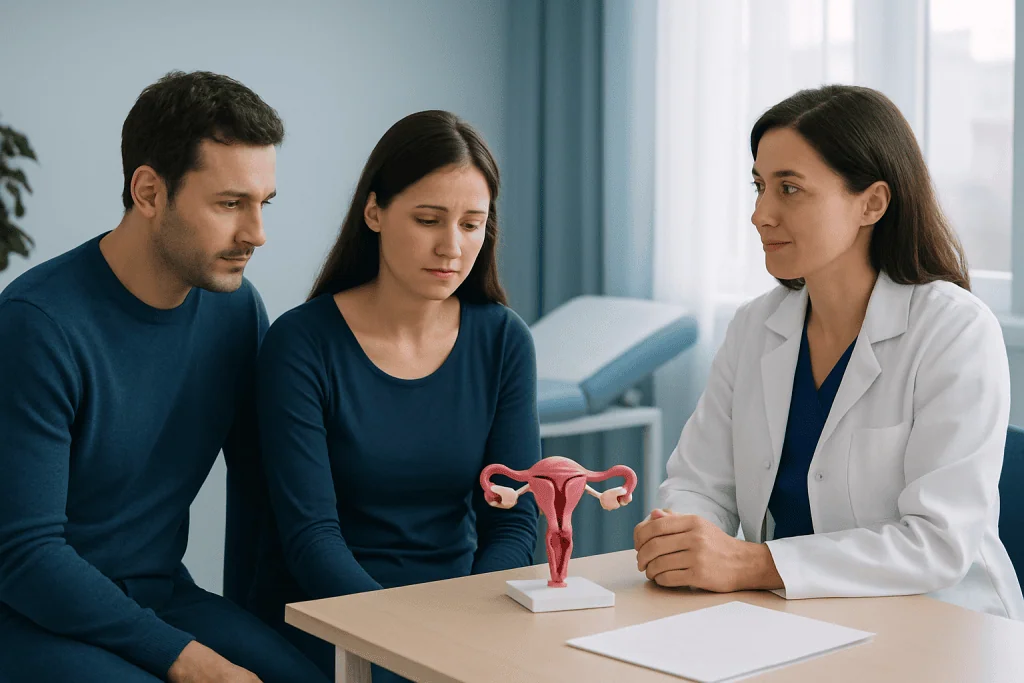
The most common reason for poor ovarian response is reduced ovarian reserve, which becomes more frequent with increasing age. Egg quantity naturally declines over time, and egg quality also changes with age. However, younger people can also have reduced reserve or a lower-than-expected response, so age is only one part of the assessment.
Other risk factors include previous ovarian surgery, endometriosis involving the ovaries, chemotherapy or pelvic radiation, autoimmune conditions, smoking, and certain genetic factors such as fragile X premutation. A family history of early menopause may also be relevant. Some people have no clear cause, even after appropriate testing.
Hormonal and metabolic conditions can influence ovarian response in different ways. For example, polycystic ovary syndrome usually causes a high follicle count and a risk of over-response rather than poor response, but treatment still needs individual planning. A full female infertility evaluation helps the doctor understand whether the main issue is ovarian reserve, ovulation, tubal factors, uterine factors, sperm factors, or a combination.
Diagnosis and Ovarian Reserve Testing
Doctors assess poor ovarian response using both pre-cycle testing and the results of previous stimulation cycles. No single test can fully predict the chance of pregnancy, but several tools help estimate how the ovaries may respond. The most commonly used markers are anti-Müllerian hormone, called AMH, and antral follicle count, called AFC.
AMH is a blood test that reflects the number of small developing follicles. AFC is measured by transvaginal ultrasound, usually early in the menstrual cycle, by counting small follicles in both ovaries. Follicle-stimulating hormone, or FSH, and estradiol measured early in the cycle may also provide information, especially when interpreted together.
Fertility specialists may also classify patients using internationally recognized frameworks, such as the Bologna criteria or the POSEIDON approach. These systems consider age, ovarian reserve tests, and previous egg yield. Their purpose is not to label a patient, but to guide counseling and choose a stimulation strategy that fits the individual situation.
Protocol Changes After a Poor Response
After a poor response, the next IVF plan should be reviewed in detail rather than repeated automatically. The doctor may look at the starting dose, total dose, type of gonadotropin medication, timing of stimulation, follicle growth pattern, trigger timing, and egg maturity at retrieval. Sometimes a small adjustment is enough; in other cases, a different protocol may be recommended.
Possible changes include an antagonist protocol, a microdose flare protocol, estrogen or progesterone priming before stimulation, a different balance of FSH and LH activity, or a modified trigger strategy. Some patients may be candidates for mild stimulation, which uses lower medication doses, while others may benefit from conventional stimulation. Higher doses are not always better; beyond a certain point, increasing medication may add cost and side effects without improving egg numbers.
For selected patients, fertility teams may discuss double stimulation, sometimes called DuoStim, in which eggs are collected from both the follicular and luteal phases within one menstrual cycle. This approach may be considered when time is important, such as in advanced reproductive age or before urgent medical treatment, but it is not necessary for everyone.
When only a few eggs are retrieved, laboratory decisions become especially important. If sperm quality is reduced or the number of eggs is very limited, ICSI may be considered to support fertilization by injecting a single sperm into a mature egg. The decision depends on the couple’s history, sperm testing, egg maturity, and embryology laboratory recommendations.
Treatment Options and Next Steps
The next step after poor ovarian response depends on whether eggs were retrieved, whether fertilization occurred, embryo quality, age, ovarian reserve, and the number of previous attempts. If embryos are available, the team may recommend transfer or freezing depending on embryo development, uterine readiness, and the overall treatment plan. If no eggs or embryos were obtained, the focus shifts to reviewing the cycle and deciding whether another attempt is reasonable.
Some patients may consider embryo or egg banking over several cycles. This means collecting and freezing embryos or eggs from more than one retrieval before planning transfer. It can be helpful when each cycle produces only a small number of eggs, although it requires time, financial planning, and careful counseling about realistic expectations.
Adjuvant treatments such as DHEA, coenzyme Q10, growth hormone, aspirin, or other supplements are sometimes discussed for poor responders. Evidence for these approaches is mixed, and benefits are not guaranteed. Patients should avoid starting hormones, supplements, or herbal products without medical guidance, especially because some may interfere with treatment or be unsafe in pregnancy.
For some individuals or couples, alternative family-building options may be part of the discussion. These may include using donor eggs, donor embryos, or considering adoption, depending on personal values and local laws. A fertility specialist can explain which options are medically appropriate and legally available in the country where treatment is provided.
Prevention, Self-Care, and Emotional Support
There is no proven way to restore ovarian reserve once it has declined, but general health can support fertility treatment and pregnancy preparation. Stopping smoking, limiting alcohol, maintaining a healthy weight, treating thyroid or prolactin disorders, and managing chronic conditions such as diabetes or autoimmune disease can improve overall reproductive health. Patients should also tell their doctor about all medicines and supplements they use.
Timing matters. People who already know they have low AMH, low AFC, a history of ovarian surgery, endometriosis, or a family history of early menopause should seek fertility advice earlier rather than waiting many months. For patients not ready for pregnancy, fertility preservation may be discussed before ovarian reserve declines further, although success varies and depends strongly on age and egg number.
The emotional impact of poor ovarian response can be significant. Feelings of disappointment, frustration, guilt, or fear are common and understandable. Counseling, support groups, and open communication with the fertility team can help patients make decisions without feeling rushed or alone.
When to See a Doctor
A person should consider seeing a fertility specialist if pregnancy has not occurred after 12 months of regular unprotected intercourse, or after 6 months if the woman is 35 or older. Earlier evaluation is recommended for those with irregular periods, known endometriosis, previous ovarian surgery, chemotherapy exposure, recurrent pregnancy loss, or a known low AMH or low AFC result.
Patients who have already had an IVF cycle with few follicles, few eggs, no mature eggs, or no embryos should request a structured cycle review. Helpful questions include: What was the expected response based on testing? Were the eggs mature? Was fertilization normal? Would a different protocol be reasonable? Are sperm, uterine, or genetic factors also contributing?
Acibadem International’s multidisciplinary fertility specialists and JCI-accredited hospitals evaluate and treat infertility for international patients, including people with poor ovarian response, using individualized diagnostic and treatment planning. As with any fertility care, the most appropriate next step should be decided after consultation with a qualified doctor who can review the complete medical history and previous cycle records.
Frequently asked questions
Does poor ovarian response mean IVF cannot work?
No. Poor ovarian response means fewer eggs are obtained than expected, but IVF may still lead to embryos and pregnancy in some patients. The chance depends on age, egg quality, sperm factors, embryo development, and previous treatment history.
Is low AMH the same as infertility?
Low AMH suggests a lower number of remaining eggs, but it does not prove that pregnancy is impossible. AMH is more useful for predicting response to stimulation than for predicting natural conception in every individual. A fertility specialist interprets AMH together with age, ultrasound findings, and medical history.
Can increasing IVF medication produce more eggs?
Sometimes adjusting the dose helps, but very high doses do not always improve egg numbers in poor responders. The ovary can only recruit follicles that are available in that cycle. Doctors may change the type, timing, or combination of medications rather than simply increasing the dose.
Should an IVF cycle be cancelled if only a few follicles grow?
Not always. If a few follicles are growing well, some patients choose to continue because even one mature egg may be valuable. Cancellation may be considered when the expected benefit is very low or when restarting with a different plan is likely to be more appropriate.
Do supplements improve poor ovarian response?
Some supplements are marketed for egg quality or ovarian response, but scientific evidence is mixed and not definitive. Patients should discuss any supplement with their doctor before use. This is especially important during IVF because supplements can interact with medicines or may not be safe in early pregnancy.
What can be done after repeated poor IVF responses?
The fertility team may review ovarian reserve tests, stimulation protocols, egg maturity, fertilization, embryo development, and sperm factors. Options may include a different protocol, embryo banking, mild stimulation, double stimulation in selected cases, or discussion of donor eggs where legally available. The best plan depends on the patient’s age, goals, health, and previous results.
References
- European Society of Human Reproduction and Embryology
- American Society for Reproductive Medicine
- National Institute for Health and Care Excellence
- World Health Organization
- International Committee for Monitoring Assisted Reproductive Technologies
This article is for general information only and is not a substitute for professional medical advice. Please consult a qualified doctor about your individual situation.
Hair transplant in Turkey — costs, graft counts & a free assessment
JCI-accredited · board-certified surgeons · reply within 24h
Check your numbers in seconds
BMI, calories, due date, blood pressure and 30+ more clinical calculators — free, instant, doctor-reviewed ranges.

Related Treatments
Related Conditions
More from the Health Library



Related Specialists

Prof. Dr. Bülent Tıraş
Gynecology & Obstetrics
Prof. Dr. Mete Güngör
Gynecology & Obstetrics
Prof. Dr. Faruk Suat Dede
Gynecology & Obstetrics
Prof. Dr. Tansu Küçük
Gynecology & Obstetrics