Post Concussion Syndrome: Diagnosis, Outlook, and Modern Treatment Approaches

Post concussion syndrome describes symptoms that persist after a concussion, even when standard scans are normal. Common symptoms include headache, dizziness, fatigue, sleep problems, mood changes, and trouble with memory or concentration.
Key Takeaways
- Post concussion syndrome describes symptoms that persist after a concussion, even when standard scans are normal.
- Common symptoms include headache, dizziness, fatigue, sleep problems, mood changes, and trouble with memory or concentration.
- Diagnosis is based on medical history, symptom pattern, and neurological assessment rather than a single test.
- Treatment is individualized and may include rest, rehabilitation, headache care, sleep support, and mental health support.
- Medical review is important if symptoms worsen, last longer than expected, or interfere with school, work, or daily life.
Post concussion syndrome is a set of symptoms that continue for weeks or months after a concussion. Most people improve with time, but proper diagnosis, symptom-guided treatment, and a gradual return to daily activities can support recovery.
Overview: what post concussion syndrome means
Post concussion syndrome is the term used when symptoms continue after a concussion, also called a mild traumatic brain injury. These symptoms can include headaches, dizziness, sensitivity to light or noise, fatigue, sleep disturbance, and difficulty with attention or memory. In many cases, routine brain scans are normal, but the symptoms are still real and can affect daily life.
A concussion briefly changes how the brain functions. For some people, the brain and body take longer to return to normal, especially when several symptoms overlap at the same time. Post concussion syndrome does not always reflect a severe structural injury; rather, it is usually understood as a recovery process that has become prolonged and more complex.
Recovery varies from person to person. Some improve within a few weeks, while others need a longer period of symptom management and rehabilitation. A careful, individualized approach is important because headaches, balance problems, sleep issues, mood symptoms, and neck pain may all contribute to how a person feels.
Symptoms and how they affect daily life
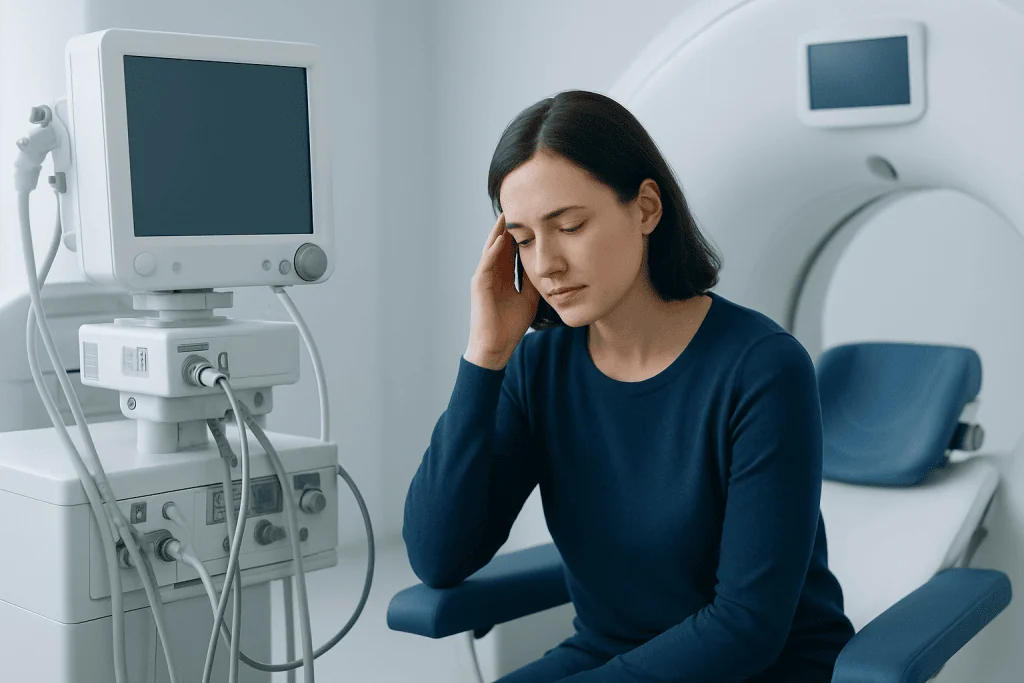
The symptoms of post concussion syndrome can involve physical, cognitive, emotional, and sleep-related changes. A person may feel mostly well at rest but notice symptoms become more obvious with reading, computer work, exercise, driving, busy environments, or stress. This fluctuating pattern is common.
Common symptoms include:
- Headache or pressure in the head
- Dizziness, poor balance, or motion sensitivity
- Nausea
- Blurred vision or light sensitivity
- Noise sensitivity
- Fatigue and low energy
- Difficulty concentrating, remembering, or processing information
- Sleep disturbance
- Irritability, anxiety, low mood, or feeling emotionally overwhelmed
These symptoms can affect school, work, family life, and exercise. For example, a student may struggle with prolonged reading, or an office worker may find screen time and multitasking more tiring than usual. It is also common for people to worry that they are not recovering normally, which can add to stress and make symptoms feel heavier.
Some symptoms may overlap with other conditions, including migraine, whiplash-related neck strain, vestibular dysfunction, sleep disorders, and anxiety or depression. This is one reason a detailed assessment matters: symptoms after concussion are often treatable, but treatment works best when the main drivers are identified.
Why it happens: causes and risk factors

There is no single cause of post concussion syndrome. Experts believe it usually reflects a combination of factors rather than one isolated problem. Temporary changes in brain function, disturbance in the balance and visual systems, headache pathways, sleep disruption, stress responses, and pain from the neck or jaw can all play a role.
Several factors may increase the chance of prolonged symptoms. These include a history of migraine, previous concussion, anxiety or depression, sleep problems, high symptom burden immediately after the injury, and returning to demanding physical or cognitive activity too quickly. Age, general health, and the type of injury may also influence recovery, although no one factor predicts the outcome with certainty.
It is important to note that persistent symptoms do not mean a person is exaggerating or that the brain is permanently damaged. In many people, the nervous system becomes more sensitive during recovery, so normal stimulation such as light, movement, stress, or mental effort may temporarily trigger symptoms. Addressing these triggers in a structured way can help calm that cycle.
Because persistent headache can be a central feature, doctors may also consider related conditions such as migraine when building a treatment plan. In some cases, symptoms may also overlap with recovery after other head conditions, and specialists may evaluate broader neurological causes to make sure nothing important is missed.
How doctors diagnose post concussion syndrome
Diagnosis begins with a clear history of the injury and the symptoms that followed. The doctor will usually ask when the concussion happened, whether there was loss of consciousness or amnesia, how symptoms changed over time, and what activities make them better or worse. They will also review headaches, sleep, mood, concentration, vision, balance, and any previous neurological or mental health conditions.
A neurological examination is an important next step. This may include checks of memory, attention, eye movements, balance, coordination, reflexes, strength, and sensation. Depending on the symptoms, assessment may also include vestibular testing, vision evaluation, neuropsychological screening, or examination of the neck, since cervical strain can contribute to headache and dizziness.
Brain imaging such as CT or MRI is not used to confirm post concussion syndrome itself, but it may be recommended if there are warning signs or an unusual recovery pattern. Imaging helps rule out other problems rather than proving the syndrome. When needed, doctors may use advanced evaluation through brain MRI or other tests to look for alternative explanations.
Diagnosis is often clinical, meaning it is based on the overall pattern rather than one laboratory result. This patient-centered approach allows treatment to focus on the symptoms that matter most in daily life, instead of relying only on whether a scan is normal.
Modern treatment approaches and rehabilitation
Treatment for post concussion syndrome is tailored to the person rather than following a single formula. The first goal is to identify the symptoms causing the greatest limitation. Headache may need one approach, dizziness another, and sleep or mood symptoms another. Most treatment plans combine education, pacing of activities, symptom-specific therapy, and follow-up.
Current care usually avoids both extremes: neither strict prolonged bed rest nor a rushed return to full activity is ideal. Instead, many specialists recommend a gradual return to mental and physical activity that stays below the level that strongly worsens symptoms. This helps the brain and body rebuild tolerance over time.
Symptom-guided options may include headache management, vestibular rehabilitation for dizziness and balance problems, vision therapy when eye movement or focusing issues are present, physical therapy for neck pain, sleep support, and counseling or psychological support for anxiety, low mood, or adjustment difficulties. Some people benefit from a coordinated plan involving neurology, rehabilitation medicine, neuropsychology, physical therapy, and other specialists. When clinically appropriate, structured neurological rehabilitation can support recovery in a targeted way.
If symptoms are severe, persistent, or complicated by recurring headaches, specialist care may be advised through services such as neurology evaluation or targeted assessment for dizziness and balance disorders. The aim is not only symptom relief but also a safe return to school, work, sport, driving, and regular routines.
Self-care, recovery habits, and outlook
Most people with post concussion syndrome gradually improve, although the timeline may be frustratingly uneven. Progress often happens in small steps rather than all at once. A good recovery plan focuses on symptom awareness, pacing, sleep, hydration, nutrition, gentle movement, and reducing unnecessary overload from screens, noise, or multitasking during flare-ups.
Helpful self-care strategies may include:
- Keeping a regular sleep and wake schedule
- Taking short, planned breaks instead of pushing through symptoms
- Returning to reading, screen time, and exercise gradually
- Staying hydrated and eating regular balanced meals
- Limiting alcohol and avoiding another head injury during recovery
- Tracking triggers such as stress, bright light, or prolonged concentration
It is often useful to think in terms of pacing rather than complete avoidance. Gentle activity, including light walking if approved by a clinician, may be better than complete inactivity for many people. However, any exercise plan should be individualized, especially if symptoms intensify with exertion.
Outlook is generally positive, especially when contributing factors are recognized early and managed well. Even when symptoms persist for months, many people improve with a structured plan. For those needing multidisciplinary assessment, Acibadem International’s specialists in JCI-accredited hospitals diagnose and treat concussion-related conditions for international patients.
When to seek medical care
Medical review is recommended if symptoms last longer than expected, interfere with work or school, or are getting worse instead of better. A doctor should also reassess anyone who develops new neurological symptoms, repeated vomiting, severe or escalating headache, seizures, confusion, fainting, weakness, slurred speech, or significant changes in behavior.
People with a history of repeated concussions, severe migraine, anxiety, depression, or balance problems may benefit from earlier specialist follow-up. Children, older adults, and people taking blood thinners also deserve careful assessment after a head injury. Follow-up matters because persistent symptoms may be driven by treatable issues such as vestibular dysfunction, sleep problems, or neck injury.
Urgent evaluation is especially important after a new head injury if the person seems difficult to wake, has worsening drowsiness, loses consciousness, or has one-sided weakness. In less urgent situations, a planned appointment with a qualified clinician can help clarify whether symptoms fit post concussion syndrome and what treatments are most appropriate.
Frequently asked questions
How long does post concussion syndrome last?
The timeline varies widely. Some people improve within a few weeks, while others have symptoms for several months or longer. Recovery often happens gradually, especially when treatment addresses the main symptom triggers.
Can post concussion syndrome happen even if a brain scan is normal?
Yes. Standard CT or MRI scans may be normal because post concussion syndrome often reflects changes in brain function rather than a visible structural injury. A normal scan does not mean the symptoms are not real.
What is the most common symptom of post concussion syndrome?
Headache is one of the most commonly reported symptoms. However, dizziness, fatigue, trouble concentrating, sleep problems, and sensitivity to light or noise are also very common and may overlap.
Is rest the best treatment for post concussion syndrome?
Short-term rest after a concussion is important, but prolonged complete rest is not usually the best long-term strategy. Many people recover better with a gradual, supervised return to activity that does not sharply worsen symptoms.
Can anxiety or stress make post concussion symptoms worse?
Yes. Stress, anxiety, poor sleep, and worry about recovery can increase symptom intensity and reduce coping capacity. This does not mean symptoms are psychological only; it means emotional health is one important part of recovery.
When should someone see a specialist for persistent symptoms after concussion?
A specialist assessment is useful when symptoms continue beyond the expected recovery period, significantly affect daily life, or include persistent headaches, dizziness, vision problems, or cognitive difficulties. Specialist care can also help if symptoms are complex or not improving with initial management.
References
- Centers for Disease Control and Prevention
- National Institute of Neurological Disorders and Stroke
- American Academy of Neurology
- Brain Injury Association of America
- Mayo Clinic
This article is for general information only and is not a substitute for professional medical advice. Please consult a qualified doctor about your individual situation.
Explore treatments in Turkey — costs, top hospitals & a free quote
JCI-accredited · board-certified surgeons · reply within 24h
Add us as a Preferred Source to see more of our trusted health content across Google Search, AI Overviews and Discover.