Post Polio Syndrome: Diagnosis, Outlook, and Modern Treatment Approaches

Post polio syndrome can develop many years after an earlier polio infection. Common features include new muscle weakness, unusual fatigue, pain, and reduced endurance.
Key Takeaways
- Post polio syndrome can develop many years after an earlier polio infection.
- Common features include new muscle weakness, unusual fatigue, pain, and reduced endurance.
- Diagnosis is clinical and often involves ruling out other causes of similar symptoms.
- Treatment does not reverse old nerve injury, but rehabilitation, energy management, and symptom control can help.
- Early evaluation is important when new weakness affects walking, breathing, swallowing, or safety.
Post polio syndrome is a condition that can appear decades after recovery from polio, causing new muscle weakness, fatigue, pain, or reduced stamina. It is not a new polio infection; instead, it is a late effect of earlier nerve damage, and care focuses on confirming the diagnosis, protecting function, and improving daily life.
Overview: what post polio syndrome means
Post polio syndrome is a group of new or worsening symptoms that appears years, and often decades, after a person recovered from poliomyelitis. The most common concerns are gradually increasing muscle weakness, tiredness that seems out of proportion to activity, muscle or joint pain, and lower physical endurance. For many people, the change is subtle at first, such as feeling less steady on stairs or needing more time to recover after routine tasks.
This condition is considered a late effect of past polio rather than a return of the original infection. The polio virus damaged certain nerve cells in the past, and over time some of the surviving nerve cells may no longer be able to meet the body’s demands. That can lead to fresh symptoms in muscles that were previously affected, and sometimes in muscles that seemed to recover well.
Post polio syndrome can affect mobility, independence, sleep, mood, and participation in work or family life. Even so, many people are able to remain active and maintain a good quality of life with the right assessment, pacing strategies, rehabilitation, and support. A careful evaluation is important because other neurological, orthopedic, or medical conditions can cause similar symptoms and may need different treatment.
Symptoms and how they may affect daily life
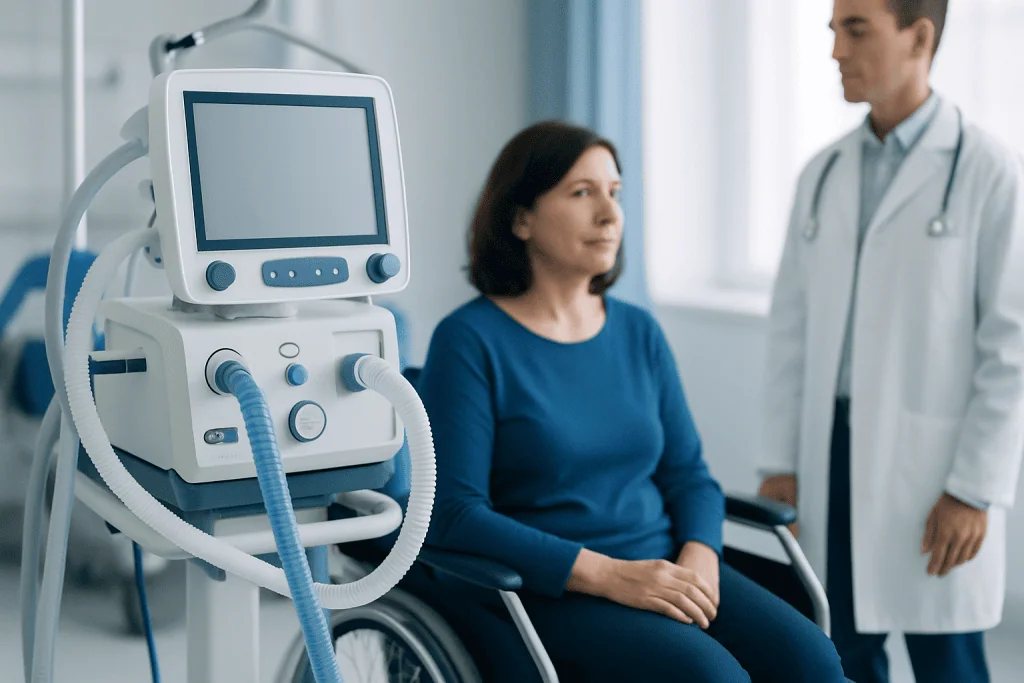
The symptoms of post polio syndrome vary from person to person. New weakness is often the most noticeable change. A person may find that a leg feels heavier, a hand tires more quickly, or a muscle group that used to compensate well no longer keeps up during daily activity. Symptoms usually develop gradually rather than suddenly.
Fatigue is also common and can be both physical and mental. Some people describe a deep sense of exhaustion after ordinary tasks, while others notice decreased stamina over weeks or months. Muscle and joint pain may happen because weakened muscles change the way the body moves, putting extra strain on joints, tendons, and surrounding tissues.
Other symptoms can include muscle atrophy, cramps, cold intolerance, sleep problems, and difficulty with balance. In some cases, weakness can affect breathing muscles or swallowing muscles, especially in people who had more severe polio in the past. These symptoms deserve prompt medical attention because they can increase the risk of falls, aspiration, poor sleep, or daytime shortness of breath.
- New or increasing muscle weakness
- Easy fatigability or reduced endurance
- Muscle pain or joint pain
- Muscle shrinking or loss of bulk
- Balance problems or falls
- Breathing, sleep, or swallowing difficulties in some patients
Why it happens: causes and risk factors

The exact biological process behind post polio syndrome is still being studied, but the leading explanation involves the long-term strain placed on surviving motor neurons. After the original polio infection, remaining nerve cells often took over some of the work of damaged cells by branching out to reinnervate muscle fibers. This adaptation can support recovery for many years, but over time those enlarged motor units may become less efficient or begin to fail, leading to renewed weakness.
Post polio syndrome does not mean the polio virus has become active again. It is also not contagious. Rather, it reflects the body’s long-term response to earlier nerve injury. Symptoms may become more noticeable with aging, reduced physical reserve, weight changes, or musculoskeletal wear and tear that has developed over time.
Several factors appear to be associated with a higher likelihood of developing post polio syndrome. These include a history of more severe original polio, greater functional recovery after the acute illness, and a long interval since the infection. However, risk is not fully predictable, and not everyone who had polio will develop this condition. Because symptoms overlap with other disorders, doctors also consider conditions such as arthritis, spinal disease, peripheral nerve disorders, and amyotrophic lateral sclerosis when evaluating new weakness.
How post polio syndrome is diagnosed
There is no single blood test that confirms post polio syndrome. Diagnosis is based on medical history, a pattern of new symptoms after a long stable period, physical examination, and tests to exclude other causes. A doctor will usually ask about the person’s original polio illness, previous level of function, when the new symptoms began, and how they affect work, walking, sleep, and self-care.
The examination often focuses on muscle strength, reflexes, posture, gait, joint alignment, and signs of overuse or imbalance. Depending on the symptoms, testing may include electromyography and nerve conduction studies to look at the health of nerves and muscles, pulmonary testing if breathing problems are suspected, sleep studies for sleep-disordered breathing, and imaging when spinal or joint disease is a concern. These tests do not diagnose post polio syndrome by themselves, but they help support the overall picture and rule out alternative explanations.
Because diagnosis can be nuanced, evaluation is often most useful when it is multidisciplinary. Neurology, rehabilitation medicine, orthopedics, pulmonology, and physical therapy may all contribute to understanding a person’s symptoms and setting realistic goals. When clinically appropriate, specialists may use advanced evaluation such as electromyography testing or neurological rehabilitation assessment as part of a broader care plan.
Modern treatment approaches and rehabilitation
There is no cure that reverses the original nerve damage in post polio syndrome, so treatment focuses on symptom relief, preserving function, and preventing overuse. The most effective care plans are individualized. What helps one person may not suit another, especially if symptoms involve both weakness and pain or if walking aids, work demands, and home safety issues all need attention.
Rehabilitation is central to management. Physical therapy may help identify which muscles can be exercised safely and which are at risk of overwork. Instead of pushing through fatigue, treatment often emphasizes gentle strengthening of selected muscles, stretching, posture work, balance training, and energy conservation. Occupational therapy can help with daily tasks, hand function, adaptive equipment, and strategies to reduce strain at home or work.
Bracing, shoe modifications, canes, walkers, or other mobility aids may improve safety and reduce joint stress. Pain treatment may involve activity modification, heat or cold, physical therapy techniques, and general pain-relief measures recommended by a clinician. If sleep-related breathing problems or respiratory muscle weakness are present, doctors may consider pulmonary support and further testing. In selected cases with structural problems, referral for orthopedic rehabilitation or evaluation by teams experienced in physical therapy and rehabilitation can be helpful.
Care also includes treating conditions that can worsen function, such as weight gain, arthritis, poor sleep, depression, or anxiety. Near the end of the care journey, some patients benefit from coordinated follow-up at centers that manage complex neurological conditions; Acibadem International’s multidisciplinary specialists and JCI-accredited hospitals provide diagnosis and treatment for international patients when this is needed.
Self-care, pacing, and long-term outlook
One of the most important principles in post polio syndrome is balancing activity and rest. Many people spent years learning to push through limitations, but overexertion can worsen symptoms. Pacing means planning the day to avoid exhausting peaks of activity, taking scheduled breaks, and alternating heavier tasks with lighter ones. This approach can reduce fatigue and help protect muscles from overuse.
Healthy lifestyle habits also matter. Adequate sleep, nutritious meals, hydration, and maintaining a weight that reduces stress on joints may make day-to-day function easier. Low-impact activity may be beneficial when guided by a professional, but exercise should be personalized. If a program causes prolonged fatigue, increased pain, or functional decline, it may need to be adjusted.
The outlook varies. Post polio syndrome is often slowly progressive, but the pace of change can differ widely. Many people remain stable for long periods, especially when they understand how to conserve energy, use the right supports, and address treatable contributors such as pain, poor sleep, or joint mechanics. Regular follow-up can help adapt the care plan as needs change over time.
When to seek medical care
Anyone with a history of polio who notices new weakness, increasing fatigue, or a clear drop in endurance should arrange a medical review, especially if symptoms have persisted for several weeks or are interfering with daily life. Early assessment can help confirm whether post polio syndrome is the cause or whether another condition needs treatment.
Medical attention is especially important if there are falls, worsening balance, significant pain, swallowing difficulties, loud snoring with daytime sleepiness, or shortness of breath. Sudden or rapidly worsening weakness should not be assumed to be post polio syndrome, because urgent problems such as stroke, spinal cord compression, or other neurological disorders may need immediate evaluation.
A doctor may refer the person to neurology, rehabilitation medicine, pulmonology, orthopedics, or sleep specialists based on the symptoms. Seeking care is not only about diagnosis; it can also open access to targeted therapies, mobility aids, home adaptations, and practical strategies that support independence and safety.
Frequently asked questions
Is post polio syndrome the same as getting polio again?
No. Post polio syndrome is not a new infection and does not mean the poliovirus has returned. It is considered a late effect of damage caused by the original polio illness many years earlier.
How long after polio can post polio syndrome appear?
It often appears decades after recovery from the original infection, commonly after a long period of relative stability. The exact timing varies from person to person, so any new weakness or unusual fatigue in a polio survivor should be discussed with a doctor.
Can exercise help post polio syndrome?
Exercise can help some people, but it needs to be carefully tailored. Overexertion may worsen fatigue or pain, so a clinician or rehabilitation specialist should guide the plan, usually focusing on gentle, low-impact activity and energy conservation.
Is there a cure for post polio syndrome?
There is no cure that reverses the underlying nerve injury. Treatment aims to improve symptoms, protect function, and support daily activities through rehabilitation, pacing, mobility aids, and management of pain, sleep, or breathing issues when present.
What tests are used to diagnose post polio syndrome?
Diagnosis is mainly based on the person’s history, symptoms, and physical examination. Doctors may use tests such as electromyography, imaging, breathing assessments, or sleep studies to rule out other causes and build a complete picture.
When is post polio syndrome an urgent problem?
Urgent evaluation is needed if there is sudden weakness, rapidly worsening symptoms, shortness of breath, choking, or frequent falls. These signs can indicate complications or another medical condition that needs prompt care.
References
- World Health Organization
- Centers for Disease Control and Prevention
- National Institute of Neurological Disorders and Stroke
- Mayo Clinic
- National Health Service
This article is for general information only and is not a substitute for professional medical advice. Please consult a qualified doctor about your individual situation.
Joint and spine care in Turkey — expert assessment & treatment
JCI-accredited · board-certified surgeons · reply within 24h
Add us as a Preferred Source to see more of our trusted health content across Google Search, AI Overviews and Discover.