Postpartum Anxiety: What Patients Need to Know

Postpartum anxiety involves ongoing fear, racing thoughts, physical tension, or panic that feels difficult to control after childbirth. It is different from normal new-parent worry because symptoms are more intense, last longer, and interfere with sleep, bonding, or daily functioning.
Key Takeaways
- Postpartum anxiety involves ongoing fear, racing thoughts, physical tension, or panic that feels difficult to control after childbirth.
- It is different from normal new-parent worry because symptoms are more intense, last longer, and interfere with sleep, bonding, or daily functioning.
- Risk can be higher with a personal or family history of anxiety, depression, trauma, sleep deprivation, pregnancy complications, or limited support.
- Diagnosis is based on symptoms, timing, and how much they affect daily life; a doctor may also rule out medical causes such as thyroid problems.
- Treatment may include therapy, support, sleep protection, practical help at home, and sometimes medication that is chosen carefully for pregnancy or breastfeeding.
Postpartum anxiety is persistent, hard-to-control worry that begins during pregnancy or after childbirth and goes beyond the usual stress of caring for a new baby. It is common, real, and treatable, and early support can help protect both the parent's well-being and family life.
Overview: what postpartum anxiety means
Postpartum anxiety is a pattern of excessive worry, fear, or nervous system overactivation that develops during pregnancy or in the weeks and months after childbirth. Many parents have understandable concerns about feeding, sleep, safety, and recovery. The difference is that postpartum anxiety feels persistent, overwhelming, and difficult to switch off, even when others offer reassurance.
It can affect emotional health, concentration, rest, appetite, and confidence in caring for a baby. Some people mainly notice constant “what if” thoughts, while others experience physical symptoms such as a racing heart, shakiness, stomach upset, shortness of breath, or panic attacks. Symptoms may appear suddenly or build gradually over time.
Postpartum anxiety is not a personal weakness and it does not mean someone is an unfit parent. It is a recognized perinatal mental health condition. With assessment and support, most people improve. Because anxiety after childbirth can overlap with postpartum depression and other mental health conditions, a professional evaluation is helpful when symptoms are affecting daily life.
How it differs from normal new-parent worry
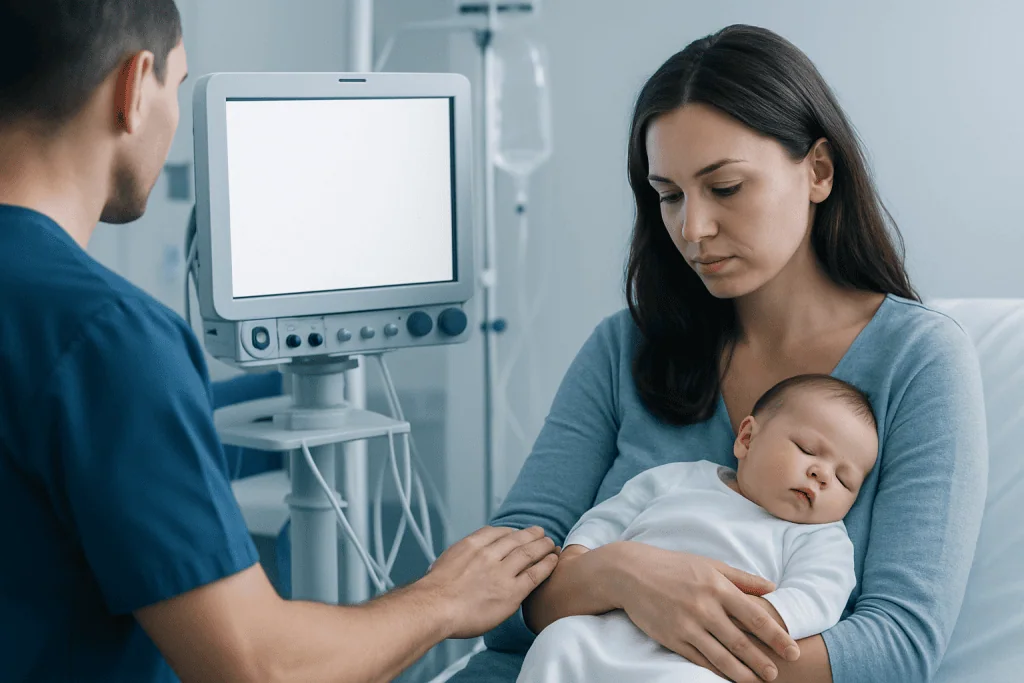
Nearly all new parents worry at times. Feeding schedules, crying, sleep patterns, and the baby’s health naturally bring new responsibilities and uncertainty. Usual worry tends to come and go, responds to reassurance, and does not consistently prevent rest or functioning.
Postpartum anxiety is different in its intensity and impact. Thoughts may become repetitive or intrusive, the body may stay in a constant “on alert” state, and it may feel impossible to relax even when the baby is safe. Some people repeatedly check the baby, avoid leaving the house, or struggle to sleep even when they have the chance.
Symptoms can also overlap with postpartum obsessive-compulsive symptoms, panic disorder, generalized anxiety, or trauma-related responses after a difficult pregnancy or birth. Intrusive thoughts can be deeply upsetting, but having unwanted thoughts does not mean a person will act on them. A trained clinician can help sort out the cause and recommend the right support plan.
Symptoms and daily effects

The signs of postpartum anxiety can be emotional, mental, and physical. They may begin during pregnancy, shortly after delivery, or later in the first year after birth. Symptoms can vary from mild to severe and may fluctuate depending on sleep, stress, and support.
Common symptoms include:
- Persistent or excessive worry about the baby, health, or everyday tasks
- Racing thoughts or a sense that the mind cannot slow down
- Feeling restless, keyed up, tense, or unable to relax
- Irritability, tearfulness, or feeling constantly on edge
- Trouble sleeping even when the baby is asleep
- Palpitations, chest tightness, dizziness, nausea, sweating, or trembling
- Panic attacks or sudden waves of intense fear
- Avoidance of visitors, travel, driving, or being alone with the baby because of fear
These symptoms can affect bonding, breastfeeding or feeding routines, relationships, work, and recovery after birth. Some people feel guilt because they think they should be enjoying the newborn period more. In reality, untreated anxiety can make ordinary parenting tasks feel much harder, which is one reason early help matters.
When low mood, hopelessness, loss of interest, or persistent sadness are also present, the picture may include depression as well as anxiety. Because postpartum mental health conditions often occur together, clinicians usually assess for both rather than focusing on one symptom alone.
Causes and risk factors
Postpartum anxiety does not have a single cause. It usually develops from a combination of biological, psychological, and social factors. After childbirth, hormone levels shift quickly, sleep is often disrupted, and daily routines change dramatically. These changes can increase vulnerability in someone who is already sensitive to stress or anxiety.
Risk can be higher in people who have a personal or family history of anxiety, panic attacks, depression, obsessive-compulsive disorder, or trauma. Other contributors may include a difficult pregnancy, infertility treatment, birth complications, premature delivery, a baby with medical needs, chronic stress, relationship strain, financial pressure, or limited social support.
Physical health conditions can also play a role. For example, thyroid problems, anemia, pain, medication effects, or substance use can mimic or worsen anxiety symptoms. Because of this, a medical review is useful if symptoms are new, severe, or accompanied by other physical changes.
Importantly, postpartum anxiety can affect any parent, including those who planned the pregnancy, feel deeply attached to the baby, and appear to be coping well from the outside. It is not caused by doing something wrong, and it can occur after any birth experience.
How doctors diagnose postpartum anxiety
Diagnosis starts with a conversation about symptoms, when they began, how often they happen, and how much they interfere with sleep, caregiving, work, or relationships. A doctor, obstetrician, family physician, pediatric clinician, or mental health professional may ask about previous anxiety or depression, birth experiences, trauma, substance use, and current support at home.
Screening questionnaires are often used to identify anxiety and depression in the perinatal period, but they are only part of the assessment. Clinicians also look for signs of panic disorder, obsessive-compulsive symptoms, trauma-related stress, or depression, because treatment may need to address more than one issue at the same time.
Depending on the symptoms, a doctor may recommend basic medical evaluation to rule out conditions that can contribute to anxiety, such as thyroid disease, anemia, infection, severe pain, or medication side effects. This can include a physical examination and, when appropriate, laboratory tests.
If symptoms include confusion, hallucinations, severe agitation, or thoughts of self-harm or harming the baby, urgent evaluation is needed right away. These symptoms require immediate medical attention and should not be managed alone at home.
Treatment options and recovery
Treatment for postpartum anxiety is individualized and depends on symptom severity, safety, breastfeeding plans, medical history, and personal preference. Many people improve with a combination of education, practical support, and psychotherapy. Cognitive behavioral therapy is commonly used to help identify worry patterns, reduce avoidance, and build coping skills. Some people also benefit from mindfulness-based approaches or trauma-focused therapy when the birth experience was distressing.
Protecting sleep is often an important part of treatment. Even modest improvements in uninterrupted rest can reduce anxiety symptoms. This may involve sharing nighttime duties when possible, accepting help from trusted family members, or setting up a simple care plan so the parent is not carrying every task alone.
Medication may be considered when symptoms are moderate to severe, last for weeks, or significantly affect function. A qualified doctor can discuss the benefits and potential risks during the postpartum period and, if relevant, while breastfeeding. Some families are also referred for psychotherapy or psychiatric evaluation and care when specialized support is needed.
Recovery is usually gradual rather than immediate. It can help to set realistic goals, such as sleeping a little better, leaving the house more comfortably, or reducing checking behaviors. Near the end of the care pathway, some international patients seek coordinated assessment through multidisciplinary teams; Acibadem International’s specialists in JCI-accredited hospitals diagnose and treat postpartum mental health concerns and related medical issues when appropriate.
Self-care and support strategies
Self-care does not replace medical treatment, but it can support recovery. The most helpful strategies are usually simple and practical rather than idealized. Regular meals, hydration, gentle movement when cleared after birth, and reducing overstimulation can all make anxiety easier to manage.
Many people benefit from a daily structure that includes one or two protected breaks, even if they are short. Loved ones can help by taking on specific tasks such as laundry, meals, school runs, or one feeding. Specific help is often more useful than general offers to “let me know if you need anything.”
Helpful habits may include:
- Limiting repetitive internet searches that increase fear
- Taking breaks from social media comparisons
- Practicing slow breathing or grounding exercises during anxious moments
- Keeping medical appointments and discussing symptoms honestly
- Accepting support from a partner, family, friends, or parent support group
- Reducing caffeine if it worsens jitteriness or sleep problems
If anxiety is linked to physical symptoms such as ongoing palpitations, chest discomfort, dizziness, or fatigue, a medical review may be needed. In some cases, clinicians coordinate with other specialties and may arrange tests or a broader medical check-up to look for contributing health issues.
When to seek medical care
It is wise to seek medical care if worry feels hard to control, symptoms last more than two weeks, sleep is poor even when there is time to rest, or anxiety interferes with feeding, bonding, leaving the house, or basic daily tasks. Help is also appropriate if loved ones notice that the parent seems constantly on edge, fearful, or unlike themselves.
Prompt assessment is especially important if panic attacks are recurring, symptoms are getting worse, or there is a history of anxiety, depression, bipolar disorder, or trauma. The same is true when physical symptoms such as severe palpitations, fainting, chest pain, or shortness of breath raise concern for a medical problem rather than anxiety alone.
Emergency help is needed right away if there are thoughts of self-harm, thoughts of harming the baby, severe confusion, hallucinations, or a break from reality. In these situations, a family member or trusted person should stay with the parent and contact emergency services or urgent medical care immediately.
Frequently asked questions
How long can postpartum anxiety last?
Postpartum anxiety can last for weeks or months, depending on its cause, severity, sleep disruption, and how quickly support begins. Many people improve significantly with treatment, practical help, and follow-up care. If symptoms are continuing or worsening, a medical review is important.
Can postpartum anxiety happen without postpartum depression?
Yes. Some people mainly experience excessive worry, panic, tension, or intrusive thoughts without a strong depressed mood. However, anxiety and depression can also happen together, so clinicians often screen for both.
Is postpartum anxiety common?
Anxiety symptoms in the perinatal period are common, and many parents experience them to some degree. What matters most is whether the symptoms are persistent, distressing, and interfering with daily life. If they are, professional help is appropriate.
Can breastfeeding parents receive treatment for postpartum anxiety?
Yes. Therapy is often an important first-line treatment, and when medication is needed, a doctor can discuss options in the context of breastfeeding. Treatment decisions are individualized to balance symptom relief, parent health, and infant considerations.
Are intrusive thoughts a sign that someone will harm their baby?
Not necessarily. Intrusive thoughts are unwanted, upsetting thoughts that many people with anxiety or obsessive-compulsive symptoms find frightening. They should be discussed with a qualified clinician, but their presence alone does not mean a person intends to act on them.
What kind of doctor should a person see for postpartum anxiety?
A person can start with an obstetrician, family doctor, primary care clinician, midwife, or mental health professional. These clinicians can assess symptoms, rule out medical contributors, and arrange treatment or referral if needed. Urgent symptoms should be evaluated immediately.
This article is for general information only and is not a substitute for professional medical advice. Please consult a qualified doctor about your individual situation.
Explore treatments in Turkey — costs, top hospitals & a free quote
JCI-accredited · board-certified surgeons · reply within 24h
Add us as a Preferred Source to see more of our trusted health content across Google Search, AI Overviews and Discover.

More from the Health Library

Anoxic Brain Injury — Explained by Medical Evidence, Not Myths

Mepron — Explained by Medical Evidence, Not Myths

Caffeine Pills: A Complete Medical Overview

Chia Versus Flax: What Patients Need to Know

Antiseptic for Spider Bite: A Complete Medical Overview