Postpartum Depression Recovery: Treatment, Support, and When Symptoms Ease

Postpartum depression is a treatable medical condition, not a personal failure. Recovery may take weeks to months and often improves step by step rather than all at once.
Key Takeaways
- Postpartum depression is a treatable medical condition, not a personal failure.
- Recovery may take weeks to months and often improves step by step rather than all at once.
- Treatment can include therapy, medication, sleep support, and help with daily caregiving.
- Early medical care can reduce symptom severity and improve bonding, functioning, and safety.
- Urgent help is needed for thoughts of self-harm, harming the baby, or symptoms of psychosis.
Postpartum depression recovery is possible, and most people improve with timely treatment, practical support, and close follow-up. Recovery does not always happen in a straight line, but understanding symptoms, treatment options, and expected timelines can make the process feel more manageable.
Overview of Postpartum Depression Recovery
Postpartum depression recovery refers to the healing process after depression develops during pregnancy or in the weeks and months after childbirth. It is more than the short-lived “baby blues,” which commonly cause tearfulness and mood swings for a few days after delivery. Postpartum depression is usually more intense, lasts longer, and can interfere with sleep, appetite, daily functioning, and the ability to enjoy time with the baby.
Recovery is possible, but it often happens gradually. Some people start to feel better within a few weeks of treatment, while others need several months of ongoing support. The timeline depends on symptom severity, prior mental health history, sleep deprivation, social support, medical factors, and how soon treatment begins.
It can help to think of recovery as a process rather than a single turning point. There may be better days and harder days, especially during periods of disrupted sleep, feeding challenges, or stress at home. Even so, steady improvement is common when postpartum depression is recognized and treated by a qualified health professional.
Symptoms and Signs During Recovery
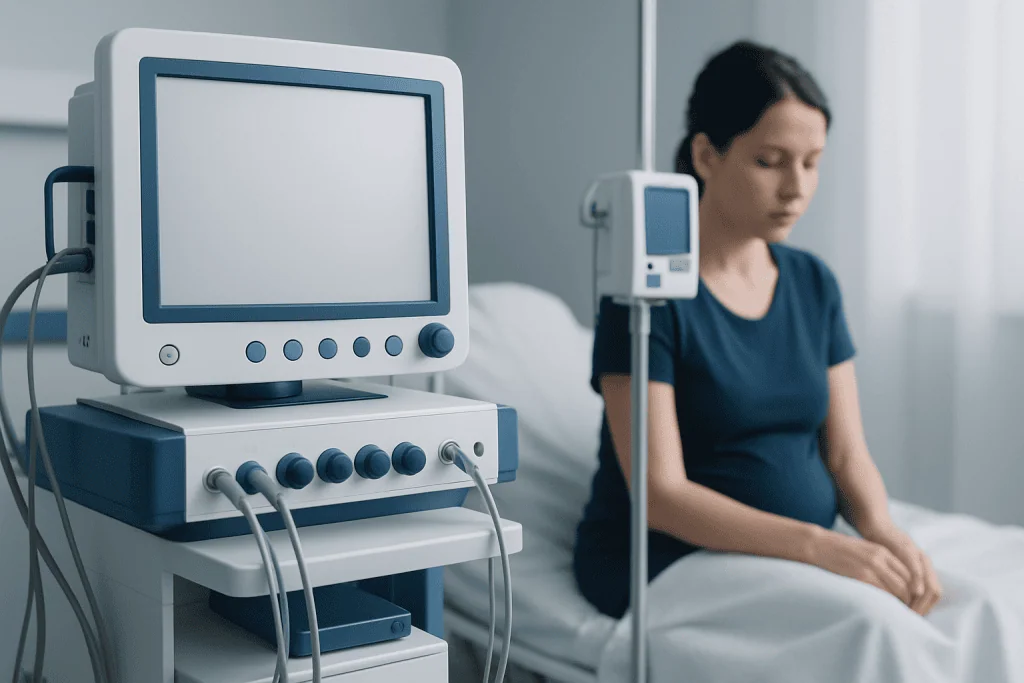
The symptoms of postpartum depression can include persistent sadness, frequent crying, irritability, guilt, anxiety, feeling overwhelmed, low energy, and loss of interest in usual activities. Some people have trouble bonding with their baby, while others feel numb rather than sad. Physical symptoms such as changes in appetite, poor concentration, and sleep problems are also common, although sleep can be difficult to judge in the newborn period.
As recovery begins, symptoms may not disappear at the same time. A person may first notice fewer crying spells, a little more patience, or improved ability to complete basic tasks. Later signs of progress can include better sleep when given the chance, stronger appetite, more interest in the baby, improved concentration, and less guilt or hopelessness.
Setbacks can happen without meaning treatment has failed. Stress, illness, breastfeeding challenges, relationship strain, and ongoing sleep loss can temporarily worsen symptoms. Families can support recovery by noticing changes over time rather than expecting immediate improvement.
- Common signs that recovery is moving forward include more stable mood, better daily functioning, and a growing sense of connection.
- Warning signs include worsening sadness, panic, inability to care for self or baby, or new thoughts of self-harm.
- If symptoms are severe or unusual, doctors may also assess for related conditions such as postpartum depression and, more urgently, postpartum psychosis.
Causes and Factors That Can Affect Recovery

Postpartum depression does not have a single cause. It is usually linked to a combination of rapid hormonal changes after birth, sleep disruption, physical recovery from pregnancy and delivery, emotional stress, and personal or family history of depression or anxiety. Difficult birth experiences, a baby needing intensive care, pain, feeding difficulties, and lack of practical support can also contribute.
Several factors may influence how quickly a person recovers. Earlier diagnosis often helps because treatment starts before symptoms become deeply disabling. Good support from a partner, family, friends, or community can make it easier to rest, attend appointments, and continue treatment. Managing contributing issues such as anemia, thyroid disorders, pain, or substance use may also improve overall recovery.
Recovery may take longer when symptoms are severe, when there has been previous depression or trauma, or when access to care is limited. This does not mean recovery is unlikely. It means a more structured and sustained treatment plan may be needed, sometimes involving mental health professionals, obstetric care, and the primary doctor working together.
How Postpartum Depression Is Diagnosed and Monitored
Diagnosis usually begins with a conversation about mood, sleep, thoughts, energy, anxiety, appetite, and daily functioning. A doctor, midwife, obstetrician, psychiatrist, or family physician may ask when symptoms started, how long they have lasted, and whether they are affecting bonding, feeding, or personal safety. Standard screening questionnaires are often used to help identify depression and track progress over time.
Medical evaluation is important because some physical conditions can mimic or worsen depressive symptoms. Depending on the situation, clinicians may check for thyroid problems, anemia, medication effects, pain, or other postpartum health concerns. The goal is not only to confirm depression but to understand the full picture that may be affecting recovery.
Monitoring continues after diagnosis. Follow-up visits help assess whether symptoms are easing, whether treatment side effects are manageable, and whether support at home is enough. If symptoms are complex or severe, a clinician may recommend assessment by psychiatry care as part of a broader postpartum mental health plan.
Treatment Options That Support Recovery
Treatment for postpartum depression is individualized. For many people, psychological therapy is the foundation of care. Talking therapies such as cognitive behavioral therapy and interpersonal therapy can help a person identify unhelpful thought patterns, process life changes, strengthen coping skills, and rebuild routines. Therapy can also support partners and family members in understanding how to help.
Medication may be recommended when symptoms are moderate to severe, when daily functioning is significantly affected, or when therapy alone is not enough. A doctor considers overall health, breastfeeding plans, prior response to antidepressants, and possible side effects before choosing a medication. These decisions are personal and should be made together with a qualified clinician.
Practical support matters just as much as formal treatment. Protected time for sleep, help with feeding and household tasks, regular meals, hydration, and opportunities to leave the house briefly can all support recovery. When needed, coordinated care may involve a psychologist, psychiatrist, obstetrician, pediatric team, and social worker. In some cases, doctors may also recommend psychotherapy or, for broader mood and sleep concerns, review by a sleep disorder treatment team if sleep problems are prominent and persistent.
Hospital-based care may be necessary if there are safety concerns, severe inability to function, or symptoms suggesting psychosis. Near the end of the care pathway, some international patients may seek evaluation in centers such as Acibadem International, where multidisciplinary specialists in JCI-accredited hospitals diagnose and treat postpartum mental health conditions.
Self-care, Family Support, and Daily Recovery Strategies
Self-care during postpartum depression recovery should be realistic, gentle, and practical. Rest is often one of the most important needs, so families are encouraged to help protect sleep whenever possible. This may include taking shifts with feeding, arranging help from trusted relatives, or simplifying household responsibilities for a period of time.
Nutrition, hydration, and movement can support recovery, although they are not substitutes for professional treatment. Eating regular meals, spending a short time outdoors, and doing light physical activity when medically safe may improve energy and mood. A person does not need to “do everything right” to recover; small consistent steps often matter more than ambitious plans.
Emotional support also plays a central role. Honest conversations with a partner, close friend, or support group can reduce shame and isolation. Families can help by listening without judgment, offering specific practical help, encouraging appointments, and avoiding comments that minimize the condition.
- Keep follow-up appointments and take prescribed treatment as directed.
- Accept help with meals, laundry, baby care, and errands.
- Limit pressure to host visitors or return quickly to usual routines.
- Track symptoms in a simple journal to notice gradual progress.
When Symptoms Usually Ease and When to Seek Help
Many people want to know exactly when postpartum depression will get better. There is no single timeline, but symptoms often begin to ease gradually after treatment starts. Some notice improvements in sleep, anxiety, or daily functioning within a few weeks, while fuller recovery may take several months. Continued support remains important even after symptoms improve, because early stopping of treatment can increase the chance of relapse.
Medical review is important if sadness, anxiety, or emotional numbness lasts beyond two weeks after birth, especially if symptoms are getting stronger instead of fading. A person should also contact a doctor if they are unable to care for themselves, feel disconnected from the baby in a distressing way, or cannot sleep even when they have the chance.
Urgent or emergency help is needed for thoughts of self-harm, thoughts of harming the baby, hearing or seeing things others do not, severe confusion, extreme agitation, or beliefs that feel out of touch with reality. These symptoms may suggest a psychiatric emergency and should never be managed alone at home. Prompt treatment can protect both parent and baby and supports a safer recovery.
Frequently asked questions
How long does postpartum depression recovery usually take?
Recovery time varies from person to person. Some people feel noticeable improvement within a few weeks of starting treatment, while others need several months of therapy, medication, and support. The most important step is early evaluation and ongoing follow-up.
Can postpartum depression go away on its own?
Mild symptoms may improve, but postpartum depression should not be left to chance. Professional support can shorten recovery, reduce suffering, and improve safety and daily functioning. If symptoms persist beyond two weeks or interfere with caring for self or baby, medical advice is important.
What is the difference between baby blues and postpartum depression?
Baby blues are common in the first days after birth and usually cause temporary tearfulness, emotional sensitivity, and mood changes that improve within about two weeks. Postpartum depression is more intense, lasts longer, and can affect sleep, appetite, bonding, and the ability to cope with daily life. A doctor can help distinguish between the two.
Is medication always needed for postpartum depression?
No. Some people improve with therapy, practical support, and close monitoring, especially when symptoms are mild to moderate. Medication may be advised when symptoms are more severe, long-lasting, or significantly affecting safety or functioning.
Can someone recover from postpartum depression while breastfeeding?
Yes. Many people receive effective treatment while breastfeeding. If medication is being considered, the prescribing doctor will weigh the benefits, possible risks, and individual feeding goals to choose the most appropriate plan.
What can partners and family members do to help?
Support is often most helpful when it is practical and nonjudgmental. Partners and relatives can assist with sleep, meals, baby care, transport to appointments, and emotional reassurance. They should also help seek urgent care if there are safety concerns or sudden severe symptoms.
References
- World Health Organization
- American College of Obstetricians and Gynecologists
- National Institute of Mental Health
- Centers for Disease Control and Prevention
- Royal College of Psychiatrists
This article is for general information only and is not a substitute for professional medical advice. Please consult a qualified doctor about your individual situation.
Depression in Turkey — costs, top hospitals & a free quote
JCI-accredited · board-certified surgeons · reply within 24h
Add us as a Preferred Source to see more of our trusted health content across Google Search, AI Overviews and Discover.