Posture Corrector Good — Explained by Medical Evidence, Not Myths
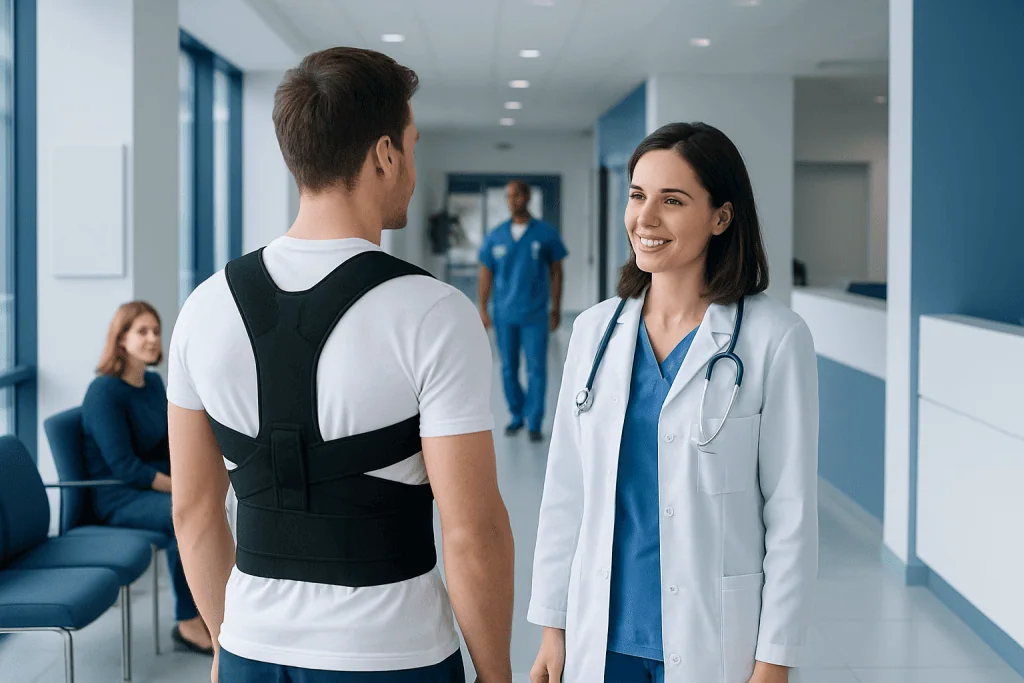
Posture correctors can increase body awareness, but their benefits are usually temporary. Wearing a brace for long periods may be uncomfortable and can encourage reliance on external support.
Key Takeaways
- Posture correctors can increase body awareness, but their benefits are usually temporary.
- Wearing a brace for long periods may be uncomfortable and can encourage reliance on external support.
- Regular movement, strengthening, ergonomic changes, and physical therapy are usually more useful for lasting improvement.
- Poor posture is not always the cause of neck, shoulder, or back pain; pain should be assessed in its wider context.
- New weakness, numbness, severe pain, injury-related symptoms, or changes in bladder or bowel control need prompt medical evaluation.
A posture corrector may be helpful as a short-term reminder to sit or stand differently, especially during selected activities. However, evidence does not show that it permanently corrects posture, strengthens the body on its own, or treats persistent pain without addressing underlying movement habits, muscle capacity, or medical causes.
Are posture correctors good?
A posture corrector can be useful for some people as a brief cue to notice slouching, rounded shoulders, or prolonged sitting. It may make upright positioning feel easier for a short time, particularly during desk work or while learning new movement habits. However, it is not a permanent solution for posture concerns and should not be viewed as a treatment for ongoing pain.
Medical evidence for posture braces and similar devices remains limited. They may change body position while worn, but there is little evidence that they create lasting correction after removal. The most sustainable approach usually combines regular movement, targeted strengthening, comfortable work setup, sleep and activity habits, and assessment by a qualified clinician when symptoms persist.
It is also helpful to remember that there is no single “perfect” posture. The body is designed to move, and a comfortable posture can vary between people and tasks. Rather than trying to hold one rigid position all day, the aim is usually to avoid prolonged discomfort and change positions regularly.
What a posture corrector can and cannot do
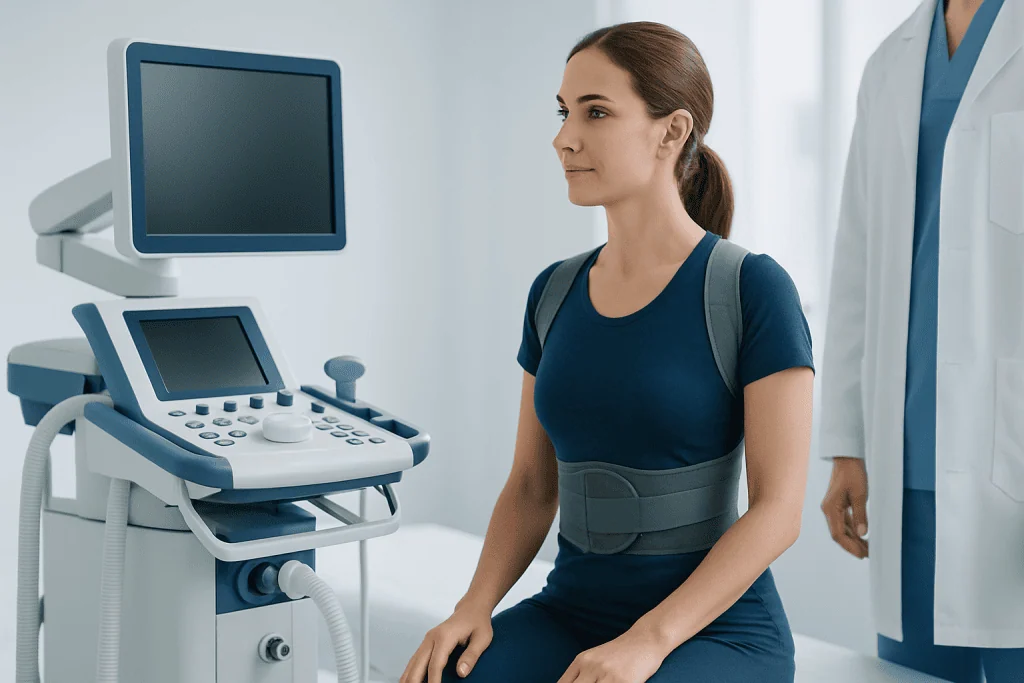
Most posture correctors are wearable straps, braces, garments, or electronic reminder devices. Strap-style products commonly pull the shoulders gently backward. Electronic devices may vibrate when the upper body remains in a chosen position for a period of time. Their main potential role is behavioral: they can make a person more aware of habitual positioning.
A device may be reasonable for short, planned periods if it is comfortable and does not restrict breathing or movement. For example, a person may use it briefly during computer work as a reminder to reset their position, take breaks, and relax their shoulders. It should not be tightened enough to force the body into an uncomfortable or exaggerated posture.
A posture corrector cannot reliably strengthen weakened muscles, restore normal joint movement, reverse spinal curvature, or diagnose the reason for pain. It also cannot replace an individualized rehabilitation plan. Someone with persistent neck, shoulder, or back symptoms may benefit more from a clinical evaluation and, when appropriate, physical therapy and rehabilitation.
Long, continuous wear is generally not a good goal. External support can make a person less attentive to active muscle control, and some users develop skin irritation, pressure discomfort, stiffness, or temporary soreness. The device should be removed if it causes pain, tingling, numbness, shortness of breath, rash, or worsening symptoms.
Posture, pain and common myths
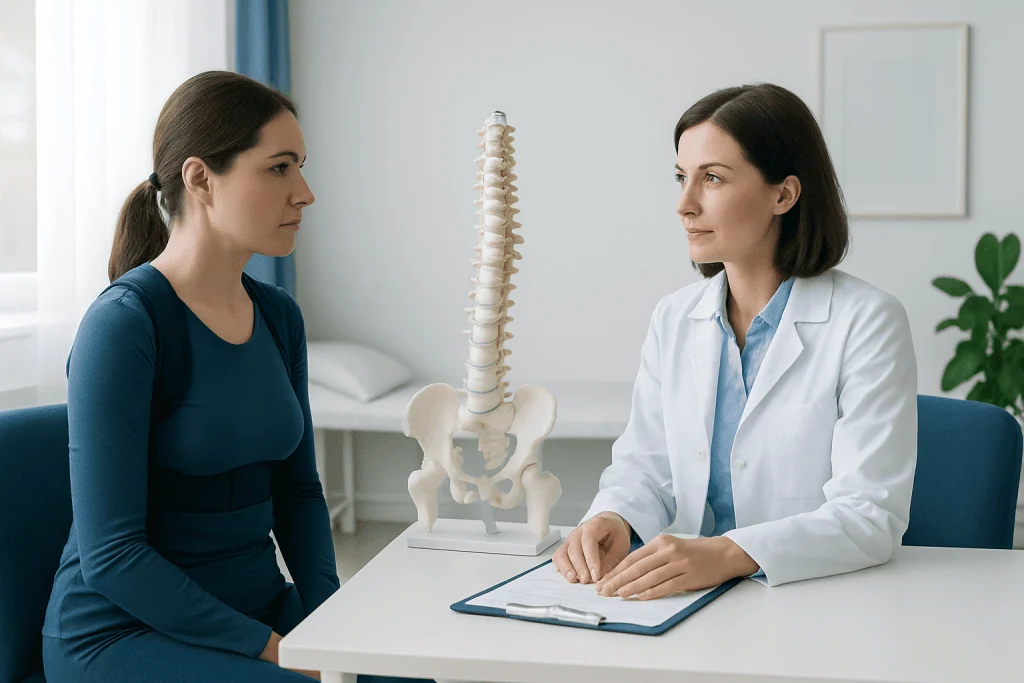
It is common to assume that slouching directly causes neck or back pain. In reality, pain is influenced by many factors, including previous injury, physical activity levels, muscle endurance, stress, sleep, workload, health conditions, and how long someone stays in one position. A rounded or relaxed posture is not automatically harmful, and an upright posture is not automatically pain-free.
One common myth is that people need to “keep their shoulders back” at all times. Holding the shoulders tightly back can itself create tension in the upper back and neck. A more practical strategy is to sit or stand in a relaxed, supported position, allow the shoulders to rest naturally, and change position frequently.
Another myth is that posture devices correct the spine. In adults, ordinary posture braces do not reshape the spine or correct structural spinal conditions. Conditions such as scoliosis require individualized medical assessment; bracing, when recommended, follows specific clinical criteria and is different from a retail posture corrector.
For people with pain, the most useful question is often not “Is my posture bad?” but “Which positions, activities, and durations make symptoms better or worse?” This approach helps guide realistic changes without creating unnecessary worry about normal body variation.
Who may benefit and who should be cautious
A posture corrector may suit an adult who has no significant symptoms and wants a temporary reminder during a specific task. It may also be used as one small part of a clinician-guided program for posture awareness. The device should feel light, adjustable, and tolerable, and it should never be used to push through pain.
People with a recent injury, significant spinal curvature, osteoporosis, inflammatory joint disease, shoulder instability, nerve symptoms, breathing conditions, or a history of chest or shoulder surgery should seek professional advice before using a brace. Children and teenagers should not use posture devices as a substitute for clinical assessment, particularly when there is visible asymmetry, pain, or a concern about spinal development.
Individuals with skin sensitivity should check the skin under straps regularly and avoid wearing a device over broken or irritated skin. A posture corrector should not be worn while sleeping unless specifically advised by a healthcare professional for a diagnosed condition.
If a person has ongoing back pain, an evaluation can help distinguish common mechanical symptoms from conditions that need more specific care. Specialist assessment may be appropriate for persistent symptoms associated with the spine, muscles, joints, or nerves.
Evidence-based ways to support comfortable posture
Lasting improvement is usually less about maintaining a fixed posture and more about improving movement confidence, physical capacity, and daily ergonomics. Regular walking, stretching, and strength exercises can support the muscles that help control the trunk, shoulders, and hips. Exercises should be adapted to the person’s symptoms, fitness level, and medical history.
For desk-based work, it can help to position the screen near eye level, keep frequently used items within easy reach, support the lower back if comfortable, and place the feet on the floor or a stable footrest. The best setup is one that allows the person to work without prolonged strain. Small adjustments and regular movement breaks are often more valuable than purchasing a device.
A useful routine may include standing, walking, or changing position every 30 to 60 minutes when possible. Gentle shoulder, neck, chest, hip, and upper-back movements may reduce stiffness after sustained activity. Strengthening programs often include exercises for the upper back, core, hips, and legs, but a physiotherapist can tailor these safely for people with pain or prior injury.
- Choose movement that is enjoyable enough to do consistently.
- Increase activity gradually rather than making sudden, demanding changes.
- Use a posture corrector only as an occasional reminder, not as all-day support.
- Stop any exercise or device use that causes sharp pain, numbness, or worsening symptoms.
How to use a posture corrector more safely
If someone chooses to try a posture corrector, it is sensible to begin with brief periods and assess comfort. The straps should be adjusted so they provide a gentle reminder rather than forcefully pulling the shoulders backward. Normal breathing, arm movement, and circulation should remain unrestricted.
It can be useful to pair the device with an active habit, such as taking a movement break when it is removed. This helps shift the focus from passive support to learning body awareness. Keeping a simple note of activities, symptoms, and comfort can also show whether the device is truly useful.
Do not continue use simply because a product claims to correct posture. If discomfort increases, the skin becomes irritated, or the device encourages rigid movement, it is best to stop using it. A healthcare professional can help identify safer alternatives based on the person’s needs.
For international patients seeking assessment of persistent musculoskeletal symptoms, Acibadem International’s multidisciplinary specialists and JCI-accredited hospitals provide diagnostic and treatment services tailored to the individual condition.
When to seek medical care
Medical advice is appropriate when neck, shoulder, or back pain lasts longer than a few weeks, repeatedly returns, interferes with work, sleep, walking, or daily activities, or does not improve with sensible self-care. A clinician can assess movement, strength, nerves, joints, and possible contributing factors, then recommend appropriate management.
Prompt medical assessment is important after a significant fall, collision, or other injury, especially if pain is severe or movement is limited. It is also important to seek urgent care for weakness, numbness that is persistent or spreading, difficulty walking, loss of coordination, unexplained fever, unexplained weight loss, or changes in bladder or bowel control.
Visible spinal asymmetry, a new curve in the back, or uneven shoulders should be checked, especially in a growing child or teenager. Early assessment can clarify whether the finding is a normal variation, a postural habit, or a condition needing follow-up.
Frequently asked questions
Can a posture corrector permanently fix posture?
A posture corrector is unlikely to permanently change posture on its own. It may provide a temporary reminder while it is worn, but lasting changes usually depend on movement habits, strength, work setup, and addressing any underlying symptoms or conditions.
How long should a posture corrector be worn?
There is no universal wear schedule, and longer use is not necessarily better. If a person chooses to use one, brief, comfortable periods are generally more appropriate than all-day wear, with regular movement and breaks. It should be removed if it causes discomfort, skin irritation, tingling, or restricted breathing.
Can posture correctors help back pain?
Some people may feel temporary support or increased awareness, but posture correctors are not proven treatments for ongoing back pain. Back pain has many possible contributors, so persistent or limiting symptoms should be assessed by a qualified clinician.
Is slouching always bad for the back?
No. A relaxed or slouched position is not automatically harmful, especially for short periods. Discomfort is more often related to staying in any one position for too long, reduced movement, or individual health factors rather than one posture alone.
What is better than a posture brace?
Regular movement, ergonomic adjustments, gradually building strength, and taking breaks are usually more helpful for long-term comfort. A physical therapist can provide an individualized plan when pain, stiffness, weakness, or movement concerns continue.
Should children use posture correctors?
A child or teenager with pain, uneven shoulders, a visible spinal curve, or concerns about posture should be assessed by a healthcare professional rather than relying on a retail device. Growth-related spinal concerns may need monitoring or condition-specific care.
References
- World Health Organization
- National Institute for Health and Care Excellence
- American Physical Therapy Association
- American Academy of Orthopaedic Surgeons
- National Institute of Arthritis and Musculoskeletal and Skin Diseases
This article is for general information only and is not a substitute for professional medical advice. Please consult a qualified doctor about your individual situation.
Joint and spine care in Turkey — expert assessment & treatment
JCI-accredited · board-certified surgeons · reply within 24h
Add us as a Preferred Source to see more of our trusted health content across Google Search, AI Overviews and Discover.

More from the Health Library

Jalapeno: A Complete Medical Overview

Anti Fungal Medicine for Oral Thrush: What Patients Need to Know

Normal Pressure Hydrocephalus — Explained by Medical Evidence, Not Myths

Drugs for Hair Fall: Procedure, Recovery and Results

Roughage — Explained by Medical Evidence, Not Myths