Pregnant Masturbing: A Complete Clinical Guide for Patients

Masturbation is usually safe throughout an uncomplicated pregnancy. An orgasm can cause brief uterine tightening, which is commonly harmless and different from labor contractions.
Key Takeaways
- Masturbation is usually safe throughout an uncomplicated pregnancy.
- An orgasm can cause brief uterine tightening, which is commonly harmless and different from labor contractions.
- Comfort, libido and genital sensitivity may change from trimester to trimester.
- Clean hands and sex toys, gentle technique and body-safe lubricant can reduce irritation and infection risk.
- Bleeding, fluid leakage, persistent painful contractions or severe pain need prompt medical assessment.
- People advised to avoid sex or orgasm should ask their obstetric clinician whether masturbation is appropriate.
Pregnant masturbing is generally safe for people with uncomplicated pregnancies. Masturbation and orgasm do not usually affect the baby, but a clinician may recommend avoiding sexual activity in certain higher-risk situations.
Pregnant Masturbing: Is It Safe?
Pregnant masturbing is usually safe when pregnancy is uncomplicated. It does not touch or injure the baby, who is protected inside the uterus by the amniotic sac, uterine muscles and cervix. Masturbation can be a normal part of sexual wellbeing during pregnancy, whether a person has a partner or not.
There is no universal “right” level of sexual desire in pregnancy. Some people notice increased arousal because of hormonal changes and greater blood flow to the pelvic area. Others have less interest because of nausea, fatigue, breast tenderness, stress, body changes or concerns about safety. All of these experiences can be normal.
The most important consideration is individual pregnancy risk. A midwife or obstetric clinician may advise avoiding vaginal penetration, orgasm, or all sexual activity in selected circumstances. Anyone who has been given pelvic-rest instructions should clarify whether external stimulation and masturbation are included in those instructions.
How Masturbation and Orgasm Can Feel During Pregnancy
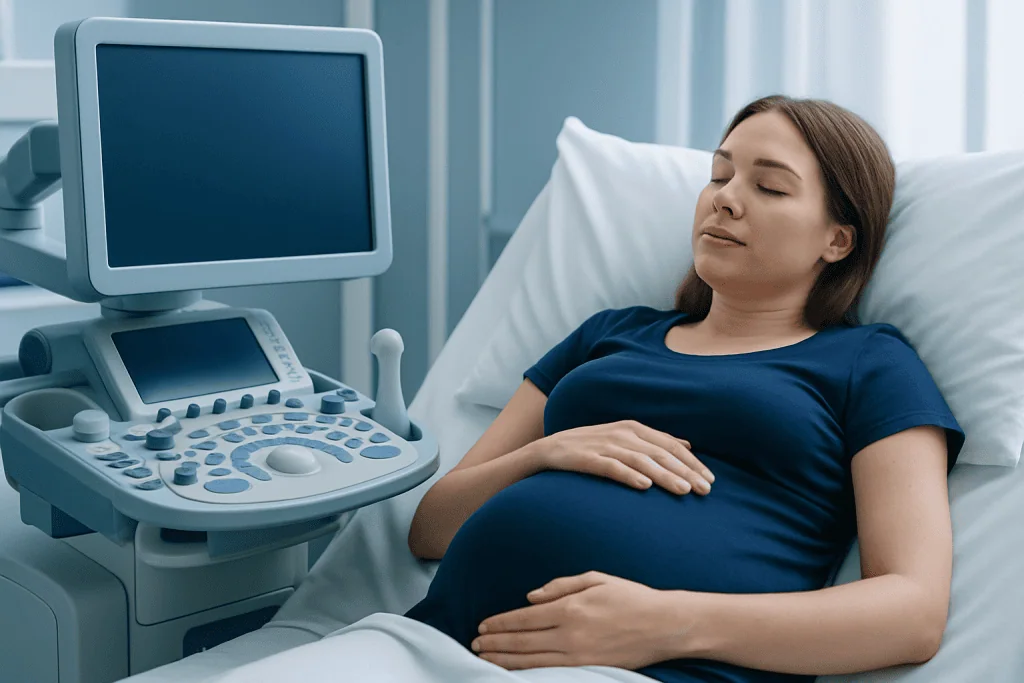
Pregnancy changes circulation, hormones and the pelvic floor. As a result, genital tissues may be more sensitive, lubrication may change, and orgasm may feel different than it did before pregnancy. Some people find masturbation more comfortable than penetrative sex, particularly as the abdomen grows or if certain positions are uncomfortable.
During or shortly after orgasm, the uterus may tighten or feel firm for a short time. This can happen because orgasm activates uterine and pelvic muscles, and it is usually temporary in a healthy pregnancy. These painless, irregular tightenings often settle with rest, hydration and a change of activity.
Occasionally, mild cramping or a sense of pelvic fullness can occur after orgasm. This should improve relatively quickly. Pain that is severe, does not settle, becomes rhythmic, or occurs with bleeding or fluid leakage is not something to ignore and should be discussed with a maternity care professional.
Potential Benefits and Emotional Wellbeing

For some pregnant people, masturbation may provide relaxation, pleasure and a sense of connection with their changing body. Orgasm can release chemicals associated with stress relief and wellbeing, and it may support sleep for some individuals. These effects vary widely and are not a medical treatment for anxiety, insomnia or pain.
It can also be a private way to explore comfort and intimacy when intercourse is not desired or is physically inconvenient. Sexual wellbeing is individual; choosing not to masturbate is equally normal. There is no need to continue any activity that feels uncomfortable, painful or emotionally unwelcome.
Open communication can be helpful for people who have a partner, particularly when pregnancy changes desire, comfort or expectations around sex. Concerns about intimacy, fear of harming the pregnancy or changes in sexual response can be discussed without embarrassment at routine prenatal appointments.
Practical Safety and Hygiene Considerations
Simple hygiene supports comfortable masturbation during pregnancy. Hands should be washed before touching the genital area. Sex toys should be cleaned according to the manufacturer’s instructions before and after use, and should not be shared unless they are properly cleaned and covered with a new condom between users.
Use only body-safe items designed for sexual use. Avoid inserting objects that are not intended for the vagina, as they may cause injury or be difficult to remove. If using a toy, choose a comfortable size, use gentle pressure, and stop if there is pain, bleeding or irritation. External stimulation is an option for people who prefer to avoid penetration.
Water- or silicone-based lubricants may reduce friction if vaginal dryness is present. Products with fragrances, warming ingredients or irritating additives may cause discomfort in sensitive tissue. If a person has an active vaginal infection, unexplained discharge, genital sores, or symptoms of a sexually transmitted infection, they should seek clinical advice before sexual activity.
- Avoid moving a toy or fingers from the anus to the vagina without washing first.
- Do not use air to blow into the vagina, as this is unsafe in pregnancy.
- Stop if activity causes ongoing discomfort, dizziness, bleeding or contractions.
When Masturbation May Not Be Recommended
In some pregnancies, a clinician may advise avoiding intercourse, vaginal penetration, orgasm, or sexual activity more broadly. This advice may be given after vaginal bleeding, with placenta previa later in pregnancy, when membranes have ruptured, or when there is concern about preterm labor or cervical opening. The recommendation depends on the specific situation, so it is important not to make assumptions.
For example, placenta previa means the placenta lies close to or covers the cervix and can be associated with bleeding. People diagnosed with placenta previa should follow their obstetric team’s instructions about pelvic rest and sexual activity. Similarly, anyone with signs or a history suggesting preterm birth should ask their maternity clinician what is safe for them.
Pregnancy care plans are individualized. A clinician can explain whether external masturbation is acceptable if penetration or orgasm has been restricted, and can offer alternatives for intimacy and comfort when sexual activity is temporarily not advised.
When to Seek Medical Care
Contact a maternity care team promptly for vaginal bleeding, a gush or ongoing trickle of fluid from the vagina, severe abdominal or pelvic pain, fever, or contractions that are painful, regular or becoming more frequent. These symptoms may have causes unrelated to masturbation, but they deserve assessment in pregnancy.
It is also sensible to seek advice for burning with urination, persistent itching, unusual discharge, genital sores, pain during sexual activity, or symptoms that do not improve after stopping. These may indicate irritation or an infection that can be treated appropriately.
Urgent evaluation is important if there is heavy bleeding, severe pain, fainting, difficulty breathing, or reduced fetal movement later in pregnancy compared with the baby’s usual pattern. People should follow local emergency guidance and their obstetric team’s instructions.
Talking With the Pregnancy Care Team
Questions about pregnant masturbing are common and appropriate for prenatal care. A clinician can review individual risk factors, medications, ultrasound findings and any previous complications. This is especially helpful after bleeding, an episode of threatened preterm labor, cervical procedures, or a diagnosis involving the placenta or cervix.
At Acibadem International, multidisciplinary obstetric and gynecology specialists in JCI-accredited hospitals can assess pregnancy-related symptoms and discuss safe, individualized sexual health questions for international patients. The goal of prenatal guidance is to support both physical safety and emotional wellbeing.
In most uncomplicated pregnancies, masturbation can remain a safe and normal choice. Listening to the body, practicing good hygiene, stopping if discomfort occurs, and seeking advice when symptoms arise are sensible ways to approach sexual wellbeing during pregnancy.
Frequently asked questions
Can pregnant masturbing cause miscarriage?
In an uncomplicated pregnancy, masturbation and orgasm are not known to cause miscarriage. Most miscarriages happen because of problems with fetal development or other medical factors, not normal sexual activity. A person with bleeding, pain or a high-risk pregnancy should ask their obstetric clinician for individualized advice.
Can orgasm trigger labor during pregnancy?
Orgasm may cause short-lived uterine tightening, but it does not usually start labor in a healthy pregnancy. These sensations are often irregular and settle with rest. Regular, painful contractions or symptoms such as bleeding or fluid leakage should be assessed by a maternity care professional.
Is it safe to use a vibrator while pregnant?
A vibrator is generally safe in an uncomplicated pregnancy when used gently and hygienically. It should be cleaned before and after use, and activity should stop if it causes pain, bleeding or discomfort. People told to avoid vaginal penetration, sexual activity or orgasm should check with their clinician first.
Why does the uterus feel tight after masturbation during pregnancy?
The uterus may temporarily contract after orgasm because pelvic and uterine muscles respond to sexual stimulation. This often feels like a brief firming or mild cramp and should settle. Persistent, painful or regularly repeating tightening needs medical advice.
Can masturbation harm the baby?
No, masturbation does not usually harm the baby in an uncomplicated pregnancy. The baby is protected within the uterus and is not reached by fingers or sex toys used in the vagina. However, medical advice may differ if there are complications such as bleeding, ruptured membranes or placenta previa.
When should sexual activity be avoided during pregnancy?
A clinician may recommend avoiding sexual activity after certain symptoms or diagnoses, including unexplained bleeding, ruptured membranes, placenta previa or risk of preterm birth. The limits may involve intercourse, vaginal penetration, orgasm or all sexual activity. The safest approach is to follow the specific guidance of the maternity care team.
References
- American College of Obstetricians and Gynecologists
- National Health Service
- Mayo Clinic
- World Health Organization
This article is for general information only and is not a substitute for professional medical advice. Please consult a qualified doctor about your individual situation.
Explore treatments in Turkey — costs, top hospitals & a free quote
JCI-accredited · board-certified surgeons · reply within 24h
Add us as a Preferred Source to see more of our trusted health content across Google Search, AI Overviews and Discover.