Preparing for a Geriatric Neurologist Appointment

A geriatric neurologist focuses on brain, nerve, and movement concerns in older adults. Writing down symptoms, their timing, and daily impact helps the specialist understand the problem.
Key Takeaways
- A geriatric neurologist focuses on brain, nerve, and movement concerns in older adults.
- Writing down symptoms, their timing, and daily impact helps the specialist understand the problem.
- A complete medication list and prior test results can prevent delays and reduce repeated testing.
- Bringing a family member or caregiver is often helpful, especially for memory or communication concerns.
- The first appointment may include a history, neurological exam, and discussion about further testing or treatment.
Preparing for a geriatric neurologist appointment can help older adults and families make the most of the visit. Bringing clear symptom details, medication lists, medical records, and practical questions supports a more accurate evaluation and a care plan that fits daily life.
Overview: What a Geriatric Neurologist Does
A geriatric neurologist is a doctor who evaluates and treats conditions affecting the brain, spinal cord, nerves, and muscles in older adults. These specialists pay close attention not only to neurological symptoms, but also to age-related changes, other medical conditions, medications, mobility, sleep, mood, and day-to-day function. Their goal is to understand the full picture and recommend care that is safe, practical, and individualized.
People are often referred to a geriatric neurologist for concerns such as memory changes, tremor, balance problems, dizziness, weakness, numbness, headaches, falls, changes in walking, or episodes that suggest seizures or stroke. Some visits focus on diagnosis, while others help monitor a known condition over time, such as Parkinson’s disease or cognitive decline.
Preparing for a geriatric neurologist appointment can make the visit more productive. Older adults may have several health conditions, long medication lists, and symptoms that have changed gradually over months or years. Good preparation helps organize these details so the specialist can identify patterns, prioritize concerns, and decide whether testing or treatment is needed.
When This Appointment May Be Recommended
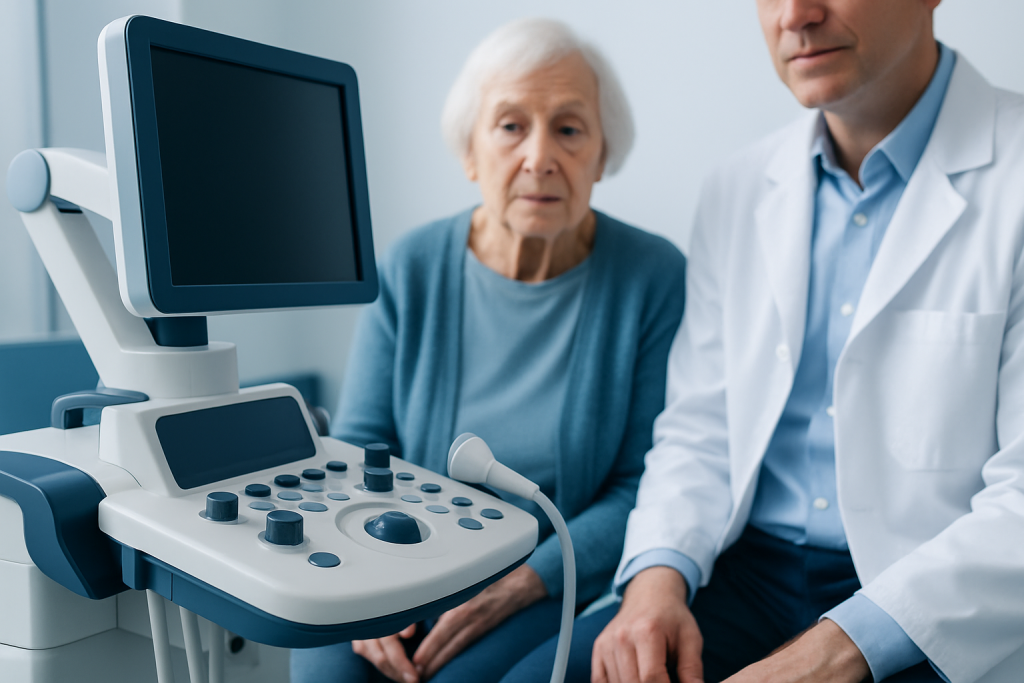
A primary care doctor, geriatrician, or another specialist may recommend a neurology visit when symptoms suggest a problem involving the nervous system. Common reasons include forgetfulness that affects daily tasks, confusion, personality change, hand tremor, slowed movements, poor balance, repeated falls, numbness in the feet, or weakness in the arms or legs. Sudden symptoms, such as facial drooping or trouble speaking, usually need urgent medical attention rather than a routine clinic visit.
Some appointments are arranged to clarify whether symptoms are due to a neurological disorder or another issue such as medication side effects, low blood pressure, vitamin deficiency, poor sleep, depression, infection, or problems with vision and hearing. In older adults, several factors may overlap, so a careful assessment is especially important.
A visit may also be useful after hospitalization for stroke, head injury, delirium, or unexplained episodes of fainting or confusion. In these situations, the neurologist reviews what happened, checks recovery, and discusses next steps, which may include rehabilitation, prevention strategies, or further studies such as neurological rehabilitation.
How to Prepare Before the Visit

Before the appointment, it helps to write down the main concern in simple terms. Examples include “memory has worsened over the last year,” “walking has become slower and less steady,” or “there is numbness in both feet, especially at night.” A short timeline is very useful. Patients and caregivers can note when symptoms started, whether they are getting worse, and what makes them better or worse.
It is also helpful to describe how symptoms affect everyday life. For memory concerns, this might include missed appointments, difficulty managing bills, or repeating questions. For movement symptoms, examples may include trouble getting out of a chair, smaller handwriting, freezing while walking, or falls. Specific examples often help more than general statements such as “not acting the same.”
Important items to bring include:
- A list of current symptoms and when they began
- A complete medication list, including nonprescription medicines, vitamins, and herbal products
- Copies of recent test results, scan reports, discharge summaries, and clinic notes if available
- A record of allergies and past surgeries
- Glasses, hearing aids, dentures, or mobility aids that are used every day
- A notebook or phone for taking notes during the visit
Many people find it helpful to bring a family member, close friend, or caregiver. This person may notice changes that the patient does not recognize or may help remember instructions after the visit. If the patient speaks a different language, arranging interpretation in advance can also make communication clearer and less stressful.
What to Expect During the Appointment
The first part of the visit usually focuses on medical history. The neurologist may ask about the main symptom, when it started, how quickly it changed, and whether it affects memory, mood, sleep, walking, speech, bladder control, swallowing, or independence. Questions about medical problems such as diabetes, high blood pressure, heart disease, prior stroke, depression, and sleep apnea are common because these conditions can affect neurological health.
The doctor will usually review medications carefully. In older adults, some medicines may worsen confusion, dizziness, sleepiness, tremor, or balance. The neurologist may also ask about alcohol use, recent infections, injuries, family history, and whether similar symptoms have occurred before. If there have been episodes of fainting, shaking, or sudden weakness, the specialist may ask for detailed descriptions from anyone who witnessed them.
A neurological examination often follows. This may include checking alertness, speech, memory, eye movements, facial strength, reflexes, sensation, coordination, muscle strength, and walking. Some tests are simple bedside tasks, such as naming objects, drawing a clock, rising from a chair, or walking a short distance. These observations help guide diagnosis and decide whether further evaluation is needed.
Depending on the situation, the neurologist may discuss additional testing. This might include blood tests, brain imaging such as MRI, nerve studies such as EMG, or formal cognitive testing. Not every patient needs every test, and the plan is usually based on symptoms, examination findings, and existing medical records.
Questions to Ask the Specialist
Preparing a few questions in advance can make the conversation more useful. Patients and caregivers do not need to ask everything at once, but focusing on the most important concerns can help. It is reasonable to ask what condition the doctor is considering, how certain the diagnosis is, and whether symptoms could have more than one cause.
Questions may also address testing, treatment, and safety at home. For example, it can be helpful to ask whether any medications might be contributing to symptoms, whether driving is safe, or whether physical therapy, occupational therapy, speech therapy, or home support may help. If memory problems are present, families may want guidance on medication management, finances, fall prevention, and future planning.
Useful questions include:
- What are the most likely causes of these symptoms?
- Are any urgent warning signs present?
- What tests are needed, and what will they show?
- Could current medicines be making symptoms worse?
- What treatments or lifestyle changes may help?
- What changes should be monitored before the next visit?
- When should follow-up be scheduled?
If the diagnosis involves a condition such as Alzheimer’s disease or another form of cognitive impairment, asking for practical next steps can be especially valuable. Families often benefit from clear instructions on safety, support services, and how to track symptoms between visits.
After the Appointment: Tests, Treatment, and Follow-Up
After the visit, the neurologist may recommend observation, medication changes, therapy, or further testing. Some diagnoses can be made mainly from the history and examination, while others require more information over time. A follow-up plan is important because symptoms in older adults may evolve gradually, and response to treatment may need close monitoring.
Treatment depends on the cause. For movement disorders, care may involve exercise, medication, and fall-prevention strategies. For neuropathy or nerve-related pain, treatment may include identifying reversible causes, improving foot care, and using supportive therapies. For memory concerns, management may focus on ruling out treatable contributors, supporting daily routines, improving sleep, and discussing long-term planning. In selected cases, the doctor may recommend procedures or advanced care pathways such as deep brain stimulation for certain movement disorders.
Patients and caregivers should review the after-visit instructions carefully. It helps to keep all test appointments, start a symptom diary if requested, and ask the clinic how results will be shared. If new medicines are prescribed, knowing the purpose of each one, possible side effects, and what improvements to expect can make treatment easier to follow.
For international patients seeking coordinated neurological care, Acibadem International’s multidisciplinary specialists and JCI-accredited hospitals diagnose and treat a range of age-related neurological conditions, with attention to communication and follow-up planning.
Practical Tips for a Smooth Visit
Small practical steps can make the day of the appointment easier. Patients should try to arrive early, bring identification and insurance or referral documents if needed, and wear comfortable clothes and shoes suitable for a walking examination. Eating and drinking normally is usually appropriate unless different instructions were given for testing.
If dizziness, weakness, or balance problems are present, using a cane, walker, or wheelchair as usual is important. Bringing hearing aids and glasses can improve communication and make cognitive testing more accurate. If symptoms tend to fluctuate during the day, it may help to mention when they are usually at their best or worst.
Caregivers can support the visit by bringing a concise summary rather than a long, unstructured history. A one-page timeline of symptoms, hospitalizations, major diagnoses, and medication changes is often especially helpful. It is also wise to discuss in advance what the patient most wants to address, so the conversation stays centered on personal goals as well as medical findings.
When to Seek Urgent Medical Attention
Most geriatric neurology appointments are routine, but some symptoms require urgent care. Sudden weakness on one side, facial drooping, trouble speaking, sudden vision loss, severe new confusion, a seizure, loss of consciousness, or the worst headache a person has ever had should be treated as emergencies. In these situations, it is safer to seek immediate medical help rather than wait for a clinic appointment.
Older adults should also be assessed promptly for repeated falls, sudden inability to walk, new swallowing difficulty, rapidly worsening confusion, or major medication side effects such as extreme sleepiness or agitation. These problems may reflect infection, stroke, dehydration, medication reactions, or other serious conditions that need quick treatment.
For non-emergency concerns, contacting the doctor sooner is reasonable if symptoms are clearly worsening, daily function is declining, or the patient or family feels unsafe at home. Early communication can help adjust the plan and prevent avoidable complications.
Frequently asked questions
What should be brought to a geriatric neurologist appointment?
It is helpful to bring a list of symptoms, a full medication list, prior test results, and any recent hospital or clinic records. Glasses, hearing aids, and a mobility aid should also come to the visit if they are used regularly.
Should a family member or caregiver attend the appointment?
Yes, this is often very helpful, especially when the visit involves memory changes, confusion, falls, or communication difficulties. A companion can provide observations, help remember instructions, and support follow-up after the visit.
Will testing be done at the first visit?
Not always. Many first appointments focus on the medical history and neurological examination, and the doctor may then decide whether blood tests, imaging, or nerve studies are needed. The testing plan depends on the symptoms and the findings during the visit.
How can symptoms be described clearly to the neurologist?
It helps to write down when symptoms began, how often they happen, and whether they are getting worse. Real-life examples, such as missed medications, falls, tremor while eating, or trouble finding words, are often more useful than general descriptions.
What kinds of conditions does a geriatric neurologist commonly evaluate?
These specialists often assess memory disorders, tremor, Parkinsonism, neuropathy, dizziness, balance problems, stroke-related symptoms, and changes in walking or strength. They also look for non-neurological factors, such as medication effects or sleep problems, that may contribute to symptoms.
How long does a geriatric neurology appointment usually take?
The length varies, but first visits are often longer than routine follow-ups because they include a detailed history and examination. Complex symptoms or multiple medical conditions may require extra time.
References
- National Institute on Aging
- American Academy of Neurology
- National Institute of Neurological Disorders and Stroke
- Alzheimer's Association
- World Health Organization
This article is for general information only and is not a substitute for professional medical advice. Please consult a qualified doctor about your individual situation.
Joint and spine care in Turkey — expert assessment & treatment
JCI-accredited · board-certified surgeons · reply within 24h
Add us as a Preferred Source to see more of our trusted health content across Google Search, AI Overviews and Discover.
Check your numbers in seconds
BMI, calories, due date, blood pressure and 30+ more clinical calculators — free, instant, doctor-reviewed ranges.