Preservative Free Eye Drops: A Complete Medical Overview

Preservative free eye drops do not contain added chemicals used to keep multi-dose bottles sterile after opening. They are often recommended for dry eye, sensitive eyes, frequent daily use, and some people after eye procedures.
Key Takeaways
- Preservative free eye drops do not contain added chemicals used to keep multi-dose bottles sterile after opening.
- They are often recommended for dry eye, sensitive eyes, frequent daily use, and some people after eye procedures.
- Single-use vials are common, although some preservative-free products come in special multi-dose containers.
- Not every red or painful eye should be self-treated; persistent symptoms need medical evaluation.
- Correct use and clean handling help lower the risk of contamination and improve comfort.
Preservative free eye drops are eye drops made without chemical preservatives, often used to lubricate dry, irritated, or sensitive eyes or to deliver certain medications when frequent use is needed. They can be especially helpful for people who react to standard eye drops, wear contact lenses, or need long-term eye care under medical guidance.
Overview: What preservative free eye drops are
Preservative free eye drops are sterile eye drops made without the chemicals commonly added to standard bottles to prevent contamination after repeated opening. They may be used as lubricating drops, also called artificial tears, or as prescription treatments for certain eye conditions. In practical terms, they are designed to support eye comfort or treatment while reducing exposure to preservatives that can sometimes irritate the eye surface.
These drops are often chosen for people with dry eye symptoms, sensitive eyes, contact lens intolerance, or a need for frequent daily dosing. Many patients use them because the surface of the eye is already inflamed or fragile, and reducing extra chemical exposure may improve comfort. They are especially common in single-use containers, which are discarded after opening.
Preservative free does not automatically mean stronger, safer for every situation, or appropriate for all eye problems. The best choice depends on why the drops are being used, how often they are needed, and whether symptoms are due to simple dryness or another condition that needs medical care. For persistent discomfort, an eye specialist can help identify whether symptoms are related to dry eye or another eye disorder.
Why preservatives matter in eye drops
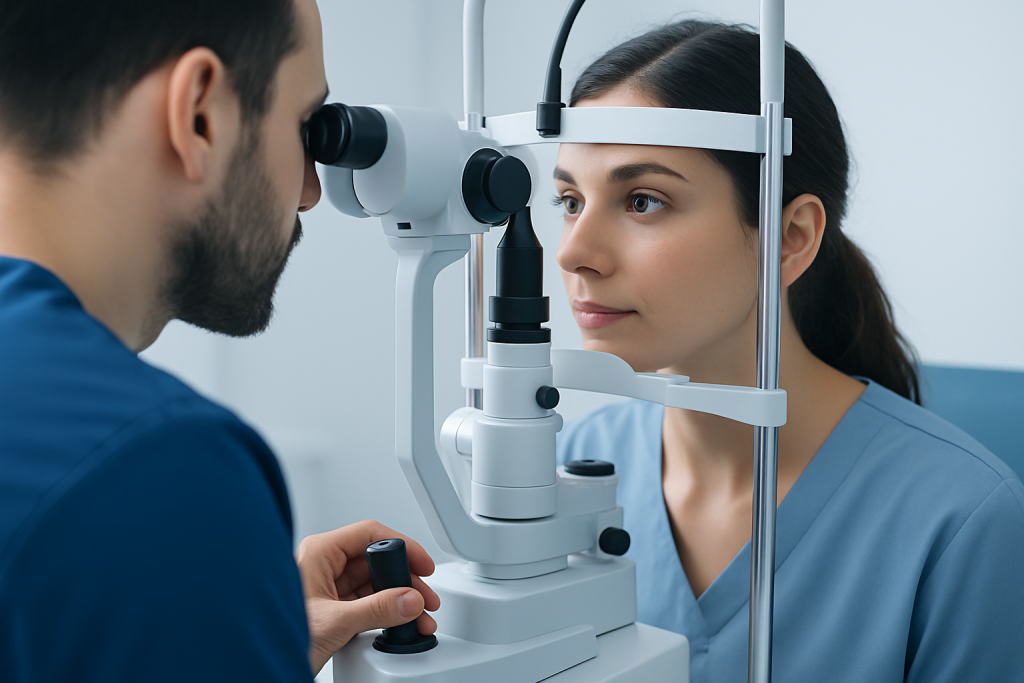
Preservatives are added to many multi-dose eye drops to limit bacterial growth once the bottle has been opened and used repeatedly. This helps keep the product stable and convenient. However, in some people, especially those who use drops many times a day or have underlying eye surface disease, preservatives may contribute to stinging, burning, redness, or worsening irritation.
The eye has a delicate tear film and outer surface that help maintain clear vision and comfort. Repeated exposure to certain preservatives can disrupt that tear film or irritate the cornea and conjunctiva in susceptible individuals. This is one reason doctors often consider preservative free options when treating chronic dryness, post-operative recovery, or eyes that are already inflamed.
That said, preservatives are not harmful for everyone. Many people tolerate preserved drops well when they are used occasionally. The main issue is matching the product to the person and the pattern of use. If a patient needs drops several times a day over weeks or months, preservative free options may be more comfortable and better suited to long-term care.
Common uses and who may benefit most

Preservative free eye drops are most often used to relieve dryness, grittiness, burning, fluctuating vision, or mild irritation related to tear film instability. They may also be recommended after eye surgery, during treatment for eyelid inflammation, or when the eye surface is healing. Some prescription eye medications are available in preservative free forms for patients who are sensitive to standard preparations.
People who may benefit most include those with moderate to severe dry eye, people using artificial tears frequently throughout the day, contact lens wearers with sensitivity, and patients with allergies or prior reactions to preservatives. They can also be helpful in older adults, whose tear production may naturally decrease, and in people who spend long periods on screens, where blinking often becomes less complete.
In some cases, preservative free drops are only one part of care. A clinician may also suggest environmental adjustments, eyelid hygiene, or targeted treatment if there is an underlying problem such as conjunctivitis or meibomian gland dysfunction. When symptoms are persistent or affect vision, an eye examination is the most reliable way to choose the right treatment plan.
- Dry, gritty, or burning eyes
- Frequent need for artificial tears
- Sensitive eyes or prior stinging with standard drops
- Contact lens-related discomfort
- Recovery after some eye procedures
- Supportive care for chronic eye surface irritation
Types of preservative free eye drops
Not all preservative free eye drops are the same. Lubricating drops vary in thickness and ingredients. Thinner drops may feel lighter and blur vision less, while thicker gels can provide longer-lasting relief but may temporarily affect clarity. Some formulas focus on adding moisture, while others aim to stabilize the oily layer of tears and reduce evaporation.
There are also preservative free medicated drops, including certain anti-inflammatory or allergy treatments, although availability differs by country and by condition. These are used under medical supervision because the goal is not just comfort but treatment of a defined eye problem. Patients should not switch between medicated products without advice from a qualified clinician.
Packaging matters as much as the ingredients. Many preservative free products come in single-use vials. Others use special multi-dose systems with one-way valves or filters designed to keep the contents sterile without chemical preservatives. For people considering procedural care for severe or long-standing symptoms, treatment may extend beyond drops to options such as laser eye surgery when dryness is related to broader refractive or ocular surface planning and has been properly assessed.
How to use them correctly and safely
Safe use begins with hand hygiene. The person should wash their hands before touching the vial or bottle, avoid letting the tip touch the eye, eyelids, fingers, or any surface, and close the container promptly after use. Single-use vials should generally be discarded after opening, even if some liquid remains, unless the product labeling clearly states otherwise.
When using more than one eye medicine, spacing products apart can help prevent washout and improve absorption. Contact lens users should check the instructions carefully, because some lubricating drops are compatible with lenses and others are intended for use before insertion or after removal. If a person wears lenses and has recurring discomfort, it may be helpful to discuss whether the symptoms reflect dryness, lens fit, allergy, or another condition.
Storage instructions also matter. Eye drops should be kept according to the product label and not used past the expiration date. If a drop changes color, becomes cloudy, or the packaging is damaged, it should not be used. People recovering from eye procedures such as cataract surgery should follow their surgeon’s instructions carefully, since the type and timing of drops can be part of healing.
Possible side effects, limits, and when they are not enough
Most preservative free lubricating drops are well tolerated, but even these products can sometimes cause brief blurring, mild stinging on instillation, or a sensation that the eye is very wet for a short time. Usually this settles quickly. If symptoms become worse, or if the person develops marked redness, swelling, discharge, or pain, the drops may not be the right choice or another eye problem may be present.
These drops can soothe symptoms, but they do not treat every cause of eye discomfort. A red eye may be due to infection, allergy, injury, corneal abrasion, or increased eye pressure. Persistent dryness can also be linked to medications, autoimmune disease, eyelid problems, or hormonal changes. In such cases, self-treatment alone may delay diagnosis.
If dryness is severe or ongoing, an ophthalmologist may recommend a broader treatment plan. Depending on the cause, this could include prescription anti-inflammatory therapy, eyelid care, punctal plugs, or evaluation for associated vision issues. In selected patients, specialist assessment may also involve planning around procedures such as smart lenses when ocular surface optimization is needed before advanced eye care.
Diagnosis and broader treatment approach
Doctors diagnose the reason for eye irritation by combining symptom history with an eye examination. They may ask when symptoms happen, whether they worsen with screens, wind, air conditioning, or contact lens wear, and whether there are associated symptoms such as itching, discharge, sensitivity to light, or blurred vision. This helps distinguish simple tear film dryness from allergy, infection, blepharitis, or other conditions.
Examination may include assessment of the eyelids, tear film, cornea, and conjunctiva. In some cases, tests are used to measure tear quantity or evaluate the stability of tears over the eye surface. The goal is not only to confirm dryness but to identify what is driving it so treatment can be more targeted and effective.
Treatment may begin with preservative free artificial tears, but many patients benefit from a combination approach. This can include warm compresses, regular blinking, humidification, careful contact lens use, and treatment of associated conditions. For complex eye surface disease, multidisciplinary care can be useful. Acibadem International’s multidisciplinary specialists and JCI-accredited hospitals diagnose and treat eye conditions for international patients when further evaluation is needed.
Prevention, self-care, and when to seek medical care
Everyday habits can reduce dryness and the need for frequent drops. Useful steps include taking breaks during long screen sessions, blinking fully, staying well hydrated, avoiding direct airflow from fans or car vents, and using a humidifier in dry indoor environments. Contact lens wearers should follow lens hygiene carefully and avoid over-wearing lenses, especially when the eyes already feel irritated.
Preservative free eye drops can be part of self-care, but they work best when the trigger is addressed. For example, reducing smoke exposure, improving sleep, treating eyelid inflammation, and managing allergies may all help. If symptoms are mild and occasional, simple lubricating drops may be enough. If symptoms recur often, it is reasonable to ask a doctor whether the eye surface needs a more complete assessment.
Medical care should be sought promptly if there is eye pain, sudden vision changes, marked light sensitivity, injury, chemical exposure, thick discharge, or redness that is getting worse rather than better. Care is also important if symptoms continue despite regular use of drops, or if one eye is much worse than the other. These signs suggest that an eye problem other than simple dryness may be present and should not be ignored.
Frequently asked questions
What are preservative free eye drops used for?
They are commonly used to relieve dry, irritated, burning, or gritty eyes without exposing the eye surface to added preservatives. They may also be recommended for sensitive eyes, frequent daily use, contact lens discomfort, or recovery after some eye procedures.
Are preservative free eye drops better than regular eye drops?
They are not automatically better for everyone, but they may be more comfortable for people with sensitive eyes or those who use drops many times a day. Standard preserved drops can still work well for occasional use in people who tolerate them.
Can preservative free eye drops be used every day?
Many lubricating preservative free drops are intended for regular or daily use, but the right schedule depends on the specific product and the reason for using it. If someone needs them very often or symptoms persist, a doctor should assess the cause rather than relying on self-treatment alone.
Do preservative free eye drops have side effects?
They are usually well tolerated, but some people notice brief stinging or temporary blurred vision right after use. If the eye becomes more painful, red, swollen, or develops discharge, medical advice is important because the issue may not be simple dryness.
Are single-use vials safer than multi-dose bottles?
Single-use vials reduce the need for chemical preservatives and lower contamination risk when they are handled properly and discarded after opening. Some preservative-free multi-dose bottles are also designed to stay sterile, but they still need careful handling and storage.
Can contact lens wearers use preservative free eye drops?
Often yes, but not every product is suitable for use while lenses are in the eyes. The packaging instructions should be checked carefully, and recurring discomfort with lenses should be discussed with an eye care professional.
This article is for general information only and is not a substitute for professional medical advice. Please consult a qualified doctor about your individual situation.
Explore treatments in Turkey — costs, top hospitals & a free quote
JCI-accredited · board-certified surgeons · reply within 24h
Add us as a Preferred Source to see more of our trusted health content across Google Search, AI Overviews and Discover.

More from the Health Library

Meddition — Explained by Medical Evidence, Not Myths
Best Face Masks for Acne: What Patients Need to Know

Nipple Stimulation for Labour Induction: A Complete Medical Overview

Eye Test Fees — Explained by Medical Evidence, Not Myths
Foam Roller Exercises: An Evidence-Based Guide for Patients