Proform Treadmill — Explained by Medical Evidence, Not Myths
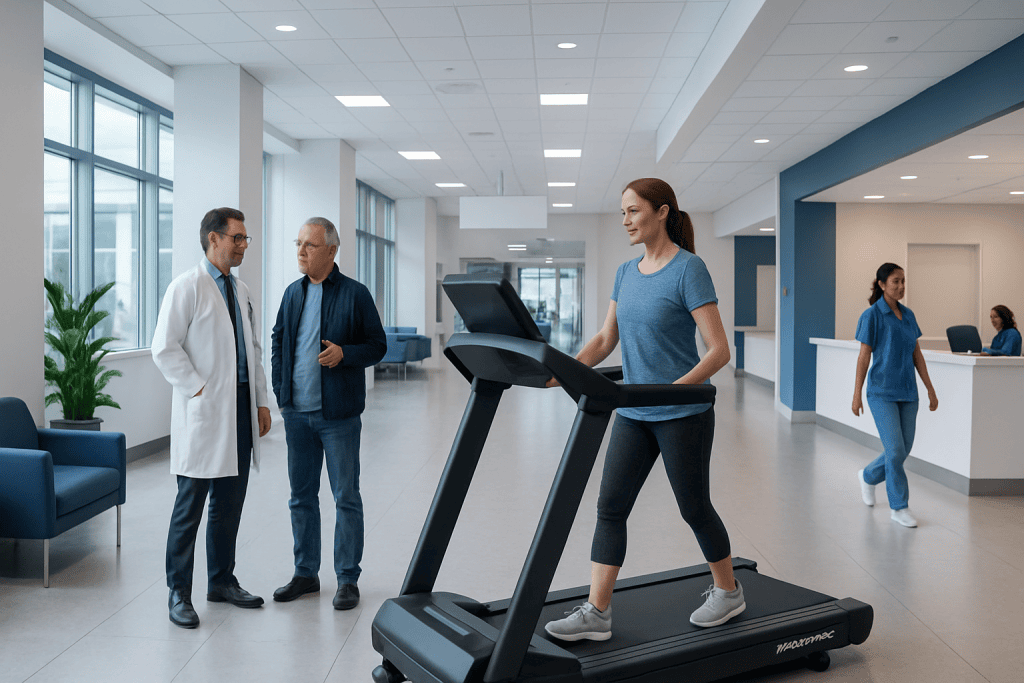
A proform treadmill may help improve cardiovascular fitness, endurance, and daily activity when used regularly. The main health benefits come from structured walking or running, not from myths about spot fat loss or “perfect” machine features.
Key Takeaways
- A proform treadmill may help improve cardiovascular fitness, endurance, and daily activity when used regularly.
- The main health benefits come from structured walking or running, not from myths about spot fat loss or “perfect” machine features.
- Common risks include falls, overuse injuries, and symptom flare-ups in people with joint, heart, or balance conditions.
- Starting slowly, using good footwear, and choosing the right speed and incline can reduce injury risk.
- People with chest pain, severe shortness of breath, fainting, or significant joint pain should seek medical advice before continuing exercise.
A proform treadmill can be a useful home exercise tool, but its value depends more on safe, consistent use than on brand claims. Medical evidence supports treadmill walking and running for cardiovascular fitness, weight management, and mobility, while also highlighting the need for gradual progression and attention to pain, dizziness, or breathing problems.
What a proform treadmill can and cannot do
A proform treadmill is a type of home exercise machine designed for walking, jogging, or running indoors. From a medical perspective, the brand itself is less important than how the treadmill is used. Evidence supports treadmill-based exercise as a practical way to improve aerobic fitness, support weight control, and increase weekly physical activity, especially for people who prefer a predictable indoor environment.
At the same time, a treadmill is not a shortcut to health on its own. It does not automatically correct posture, prevent injury, or guarantee weight loss. Health outcomes depend on exercise intensity, duration, frequency, recovery, sleep, nutrition, and any underlying medical conditions.
Many people ask whether a treadmill is “good” or “bad” for the knees, back, or heart. The answer is individual. For many adults, steady treadmill walking is low-impact and well tolerated. For others, poor technique, overly rapid progression, or existing conditions such as knee pain or spinal problems may make symptoms worse if exercise is not adapted properly.
Medical evidence on treadmill exercise benefits
Regular treadmill exercise can help the heart, lungs, muscles, and metabolism. Walking and running are forms of aerobic activity, which means they challenge the body to use oxygen efficiently. Over time, this can improve endurance, support blood pressure control, and contribute to healthier blood sugar and cholesterol patterns when combined with broader lifestyle habits.
Treadmills can also be useful because they allow controlled exercise. Speed and incline can be adjusted precisely, and users can stop easily if symptoms appear. This can make home exercise more accessible for people who want to build consistency, maintain a routine in poor weather, or follow a rehabilitation plan after medical advice.
Possible evidence-based benefits of treadmill use include:
- Improved cardiovascular fitness
- Support for weight management through increased calorie expenditure
- Better walking tolerance and stamina
- Potential mood benefits from regular physical activity
- Convenient indoor exercise for people with time or weather limitations
For some individuals recovering from injury or managing mobility concerns, clinicians may recommend structured physical therapy and rehabilitation alongside or before a treadmill program. This helps ensure that gait, strength, flexibility, and balance are addressed rather than focusing only on aerobic activity.
Common myths about the proform treadmill

One common myth is that buying a treadmill automatically leads to major weight loss. In reality, the machine is only a tool. Weight change depends on many factors, including total activity level, eating habits, medical conditions, medications, and consistency over time. Even without major weight loss, treadmill exercise can still improve health by supporting fitness, energy, and cardiometabolic health.
Another myth is that more incline or faster speed is always better. Higher intensity can benefit some users, but it may also increase strain on the calves, Achilles tendon, hips, knees, and lower back. A workout is effective when it matches a person’s goals, conditioning level, and medical status, not when it simply feels hardest.
Some people also believe treadmill walking is unnatural or necessarily worse than outdoor walking. In fact, treadmill walking can be a safe option for many people because the surface is predictable and weather is not a factor. However, it does differ somewhat from outdoor movement, so users may need time to adapt their stride, balance, and arm swing.
Risks, side effects, and who should be cautious
The most common treadmill-related problems are falls and overuse injuries. Falls may happen when a person looks away, steps too close to the back of the belt, uses a speed that is too high, or has balance or vision difficulties. Overuse problems may affect the knees, shins, feet, hips, or lower back, especially when training volume increases too quickly.
People with joint disease, chronic pain, nerve problems, heart disease, balance disorders, or severe deconditioning may need individualized guidance before starting or increasing treadmill exercise. Symptoms such as chest discomfort, marked shortness of breath, fainting, severe dizziness, or new leg weakness should never be ignored. In some cases, these can signal an underlying issue that requires evaluation, including heart rhythm problems or herniated disc-related nerve irritation.
Extra caution is important for:
- Older adults with balance concerns
- People returning to exercise after illness, surgery, or long inactivity
- Those with obesity who may need lower-impact progression
- Individuals with diabetes who should monitor foot health
- Anyone with previous falls, fainting episodes, or unexplained chest symptoms
When pain or mobility limits are significant, evaluation by specialists in orthopedic rehabilitation or supervised exercise planning can help reduce the risk of setbacks.
How to use a treadmill more safely and effectively
Safe treadmill use starts with realistic goals. Beginners often benefit from short sessions at a comfortable pace rather than trying to run immediately. A gradual approach allows the heart, muscles, tendons, and joints to adapt. Warming up for several minutes and cooling down slowly can also reduce abrupt stress on the body.
Footwear matters. Supportive walking or running shoes suited to the user’s gait can improve comfort and reduce repetitive strain. Posture also matters: the head should stay upright, shoulders relaxed, and arms moving naturally. Holding the handrails constantly may change normal mechanics and should usually be limited to brief stabilization if needed.
Practical safety steps include:
- Use the safety clip if the machine has one
- Start at a low speed before increasing pace or incline
- Keep children and pets away from the moving belt
- Do not multitask or look at another screen while walking
- Stop exercise if significant pain, dizziness, or unusual breathlessness develops
People with ongoing pain, weakness, or movement limitations may benefit from an assessment in sports injuries rehabilitation or a similar supervised program to refine gait mechanics and training progression.
Choosing the right workout for health goals
The best treadmill plan depends on the person’s goal. For general health, moderate-intensity walking on most days may be enough to improve activity levels. For cardiovascular conditioning, intervals or brisk walking may be added gradually. For weight management, treadmill exercise is often most effective when paired with sustainable nutrition habits and regular resistance exercise.
People with joint discomfort may tolerate walking better than running, especially at lower speeds and with a modest incline rather than a steep one. Others may prefer interval formats, alternating easy and moderately challenging periods. What matters medically is whether the routine is safe, repeatable, and appropriate for the person’s fitness level and any medical restrictions.
It can help to track simple measures such as session length, perceived effort, symptoms during exercise, and recovery the next day. Progress is not only about speed or distance. Better stamina, easier breathing during daily activities, improved mood, and less fatigue can also show that the plan is working.
When to seek medical care
Most mild muscle soreness after starting treadmill exercise improves with rest, hydration, and a slower progression. However, some symptoms should prompt medical advice. A person should stop exercising and seek urgent care for chest pain, pressure, fainting, severe shortness of breath, or signs of acute injury such as inability to bear weight after a fall.
Medical review is also important for persistent knee, hip, foot, or back pain; repeated dizziness; numbness or weakness in a limb; or exercise intolerance that is out of proportion to the activity level. These symptoms may reflect a treatable musculoskeletal, neurologic, or cardiovascular condition rather than simple deconditioning.
For international patients who need evaluation, Acibadem International’s multidisciplinary specialists and JCI-accredited hospitals diagnose and treat exercise-related musculoskeletal and medical conditions with personalized assessment and follow-up.
Frequently asked questions
Is a proform treadmill good for weight loss?
A proform treadmill can support weight loss by helping a person increase regular physical activity. However, weight change usually depends on overall habits, including diet, sleep, stress, and consistency, not the treadmill alone.
Is treadmill walking bad for the knees?
Treadmill walking is not automatically bad for the knees and is often well tolerated. Knee discomfort is more likely when speed, incline, or workout volume increase too quickly, or when a person already has joint disease or poor biomechanics.
How often should someone use a treadmill for general health?
Many adults benefit from moderate exercise on most days of the week. The exact schedule should match the person’s age, fitness level, symptoms, and medical history, and it is reasonable to start with shorter sessions and build gradually.
Is running on a treadmill safer than running outdoors?
For some people, it can be safer because the surface is predictable and weather or traffic are not concerns. Still, treadmill use has its own risks, especially falls and overuse injuries, so safe speed selection and attention to balance are important.
Can people with back pain use a treadmill?
Some people with mild back pain tolerate walking well and may even feel better with gentle activity. Others may have pain that worsens with impact, posture changes, or incline, so persistent or radiating symptoms should be assessed by a qualified clinician.
What symptoms mean treadmill exercise should stop immediately?
Exercise should stop immediately if a person develops chest pain, fainting, severe dizziness, marked shortness of breath, or sudden severe pain. These symptoms may signal a serious problem and should be medically evaluated without delay.
References
- World Health Organization
- American College of Sports Medicine
- Centers for Disease Control and Prevention
- National Institute on Aging
- American Heart Association
This article is for general information only and is not a substitute for professional medical advice. Please consult a qualified doctor about your individual situation.
Heart care in Turkey — expert evaluation and treatment
JCI-accredited · board-certified surgeons · reply within 24h
Add us as a Preferred Source to see more of our trusted health content across Google Search, AI Overviews and Discover.
Check your numbers in seconds
BMI, calories, due date, blood pressure and 30+ more clinical calculators — free, instant, doctor-reviewed ranges.

More from the Health Library

Healthy Carbs: A Complete Medical Overview

Peppercorns — Explained by Medical Evidence, Not Myths

Croup: An Evidence-Based Guide for Patients

Msg Allergy: A Complete Medical Overview

Keto Friendly Restaurants: What Patients Need to Know