

Progressive Multifocal Leukoencephalopathy: Who Is at Risk and How It Is Diagnosed

Progressive multifocal leukoencephalopathy is caused by reactivation of the JC virus in the brain. It mainly affects people with weakened immune systems, including some people with HIV, cancer, transplants, or immune-suppressing treatments.
Key Takeaways
- Progressive multifocal leukoencephalopathy is caused by reactivation of the JC virus in the brain.
- It mainly affects people with weakened immune systems, including some people with HIV, cancer, transplants, or immune-suppressing treatments.
- Symptoms vary depending on which part of the brain is affected and may include weakness, speech changes, vision problems, or difficulty thinking.
- Diagnosis usually relies on brain MRI, neurological examination, and testing spinal fluid for JC virus DNA.
- Treatment focuses on correcting the underlying immune problem and stopping medicines that may be contributing when medically appropriate.
- Urgent medical assessment is important if new neurological symptoms appear in someone at risk.
Progressive multifocal leukoencephalopathy, often called PML, is a rare but serious brain infection that happens when the JC virus becomes active in people with weakened immune systems. Early recognition of symptoms and prompt evaluation are important because diagnosis and treatment focus on restoring immune function and limiting further brain injury.
Overview of progressive multifocal leukoencephalopathy
Progressive multifocal leukoencephalopathy is a rare infection of the brain caused by the John Cunningham virus, usually called the JC virus. Many people are exposed to this virus during their lifetime and never become ill from it. In healthy individuals, the virus usually remains inactive. Problems develop when the immune system becomes significantly weakened and can no longer keep the virus under control.
When the JC virus reactivates, it can infect cells that make myelin, the protective covering around nerve fibers in the brain. Damage to myelin disrupts the brain’s ability to send signals efficiently. This is why PML can cause a wide range of neurological symptoms that may worsen over days to weeks.
PML is not typically considered contagious in the everyday sense, and it does not develop in most people who carry the virus. It is best understood as an opportunistic infection, meaning it takes advantage of reduced immune defenses. Because the condition affects the brain, it needs careful evaluation by specialists familiar with neurological and infectious conditions.
Symptoms and how PML may present
The symptoms of progressive multifocal leukoencephalopathy depend on which areas of the brain are affected. There is no single symptom pattern, but changes often develop gradually and continue to progress. Family members may notice subtle differences before the person recognizes them.
Common symptoms can include weakness on one side of the body, clumsiness, poor coordination, changes in walking, speech difficulty, vision problems, or numbness. Some people develop trouble with memory, concentration, personality, or thinking. Seizures can occur in some cases, though they are not the most common first symptom.
Because the symptoms overlap with other brain conditions, PML can sometimes be confused with stroke, multiple sclerosis relapse, brain tumor, or other infections of the nervous system. A doctor usually considers the full clinical picture, including immune status, medication history, and MRI findings, before making a diagnosis.
- New or worsening weakness
- Changes in speech or language
- Blurred vision or loss of part of the visual field
- Balance problems or frequent falls
- Confusion, slowed thinking, or behavior changes
- Seizures in some patients
Who is at risk? Causes and risk factors

The direct cause of PML is reactivation of the JC virus, but the main risk factor is impaired immunity. People living with advanced HIV infection are one well-known risk group, especially if the immune system is severely weakened. PML can also occur in people with blood cancers, after organ transplantation, or in those receiving medicines that suppress the immune response.
Certain treatments used for autoimmune or inflammatory diseases may increase the risk because they affect how immune cells function. This does not mean that everyone taking these medicines will develop PML. In fact, the condition remains rare, but doctors monitor for neurological symptoms when a medication is known to carry this risk.
Other possible risk groups include people with inherited immune disorders or serious chronic illnesses that reduce immune function. In many cases, clinicians also review whether the person has another neurological condition that could explain the symptoms, such as multiple sclerosis, especially if immune-modifying treatment is part of the medical history.
Understanding risk factors helps guide testing, but risk alone does not confirm PML. Many people with immune suppression never develop it, and symptoms still require careful medical assessment. A doctor weighs the degree of immunosuppression, duration of treatment, imaging results, and laboratory findings together.
How progressive multifocal leukoencephalopathy is diagnosed
Diagnosis usually begins with a neurological examination and a detailed review of symptoms, immune status, and medication history. Doctors often ask when the symptoms started, how quickly they have progressed, and whether there are associated problems such as fever, headache, or seizures. This history helps distinguish PML from other neurological disorders.
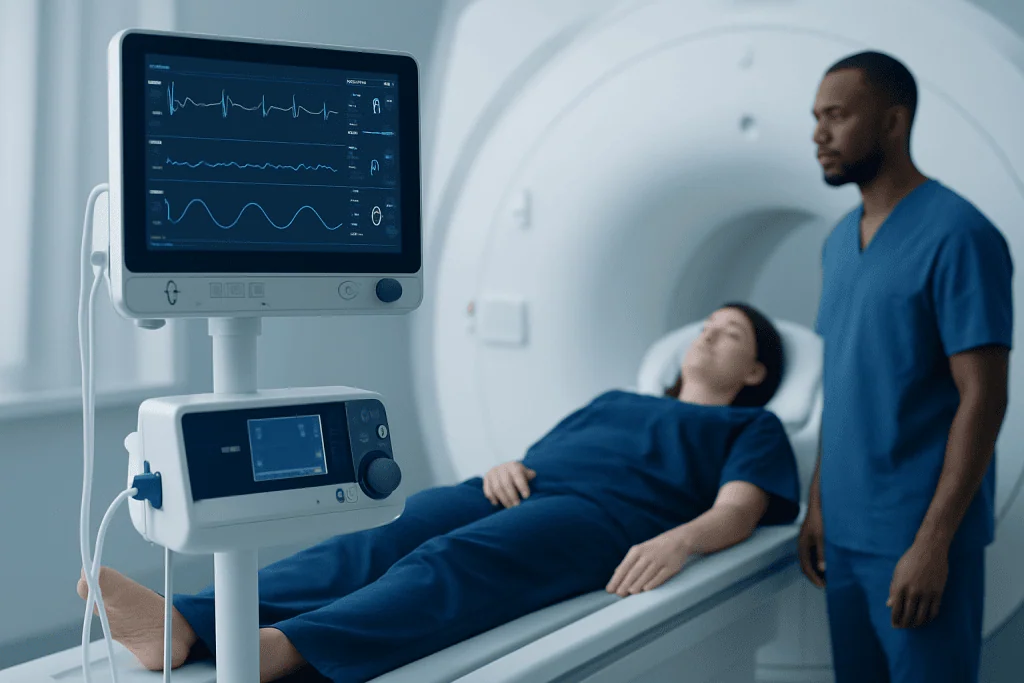
Brain MRI is one of the most important tests. PML often causes characteristic changes in the brain’s white matter, and MRI is generally more sensitive than a CT scan. The scan does not prove the diagnosis by itself, but it can strongly raise or lower suspicion and guide the next steps.
A lumbar puncture, also known as a spinal tap, is often used to test cerebrospinal fluid for JC virus DNA using molecular methods such as PCR. A positive result in the right clinical setting supports the diagnosis. However, a negative test does not always rule PML out, especially early in the disease, so doctors may repeat testing if suspicion remains high.
In selected cases, additional tests may be needed to exclude other causes, including blood tests, HIV testing when appropriate, or evaluation for inflammatory, vascular, or malignant conditions. Rarely, a brain biopsy is considered if the diagnosis remains uncertain. The overall goal is to identify PML accurately while also finding any treatable cause of immune suppression.
Treatment options and ongoing care
There is no single antiviral medicine that reliably cures progressive multifocal leukoencephalopathy. Treatment is mainly focused on restoring immune function and reducing factors that allow the JC virus to remain active. The specific plan depends on the person’s underlying condition and requires close coordination among neurology, infectious diseases, hematology, oncology, or transplant specialists.
If PML is linked to a medication that suppresses immunity, the prescribing team may decide to stop or change that treatment when medically appropriate. In some situations, doctors may use plasmapheresis to help remove a medicine from the bloodstream more quickly. For people with HIV, starting or optimizing antiretroviral therapy is a central part of treatment.
Supportive care is also very important. This may include management of seizures, physical rehabilitation, speech therapy, nutritional support, and help with daily activities. When symptoms affect mobility or communication, early referral for physical therapy and rehabilitation can support function and safety.
Some people develop immune reconstitution inflammatory syndrome, or IRIS, after the immune system starts recovering. In IRIS, inflammation increases as the body begins to fight the infection more effectively, and symptoms can temporarily worsen. Doctors monitor this closely because treatment may need adjustment. Near the end of the care pathway, some international patients may also seek multidisciplinary evaluation at Acibadem International, where JCI-accredited hospitals diagnose and treat complex neurological infections.
Prevention and self-care for people at risk
Because PML occurs mainly in people with reduced immune defenses, prevention focuses on lowering risk where possible and recognizing symptoms early. Patients taking immune-suppressing medicines should attend regular follow-up visits and discuss any new neurological symptom promptly. They should not stop prescribed treatment on their own, because sudden medication changes may also cause harm.
For people living with HIV, consistent medical care and adherence to treatment help reduce the risk of severe immune suppression. Transplant recipients and people being treated for autoimmune disease or cancer may need regular blood tests and medication reviews. In some settings, doctors may assess risk before and during treatment with specific immune-modulating drugs.
Self-care is supportive rather than curative. Keeping a written list of new symptoms, when they began, and whether they are worsening can help the medical team. Loved ones may be especially helpful in noticing subtle changes in speech, balance, memory, or behavior.
- Keep scheduled appointments and monitoring tests
- Report new neurological symptoms without delay
- Take medications exactly as prescribed unless a doctor advises otherwise
- Bring an updated medication list to appointments
- Ask whether any treatment requires specific PML risk monitoring
When to see a doctor
Any person with a weakened immune system should seek medical advice promptly if they develop new neurological symptoms. Warning signs include unexplained weakness, worsening balance, vision changes, speech problems, confusion, or personality changes. These symptoms do not always mean PML, but they should be assessed urgently.
Emergency care may be needed if symptoms come on rapidly, if there is a seizure, or if the person becomes difficult to wake, severely confused, or unable to walk safely. A doctor will look for several possible causes, including stroke, other infections, medication effects, and inflammatory conditions. Timely evaluation gives the best chance of reaching the correct diagnosis quickly.
People already under treatment for conditions involving the immune system should tell their specialist team about any changes, even if they seem mild at first. When PML is suspected, early imaging and further testing can help guide treatment decisions. In some cases, the diagnostic workup may also include evaluation for related neurological conditions such as encephalitis or other white matter disorders.
Frequently asked questions
What is progressive multifocal leukoencephalopathy?
Progressive multifocal leukoencephalopathy, or PML, is a rare infection of the brain caused by reactivation of the JC virus. It usually occurs in people whose immune systems are significantly weakened by illness or treatment.
Is PML the same as a stroke?
No. PML can cause symptoms that resemble a stroke, such as weakness or speech difficulty, but it develops for different reasons and often progresses over days to weeks rather than appearing suddenly. Imaging and other tests help doctors tell the difference.
Who is most likely to get PML?
People at highest risk are those with major immune suppression, including some individuals with advanced HIV infection, blood cancers, organ transplants, or certain immune-suppressing medications. Even in these groups, PML remains uncommon.
How do doctors confirm PML?
Doctors usually combine a neurological examination with brain MRI and testing of spinal fluid for JC virus DNA. Sometimes repeat testing is needed because early results can be inconclusive, and in rare cases a brain biopsy is considered.
Can progressive multifocal leukoencephalopathy be treated?
Treatment focuses on improving immune function and removing or adjusting the factor that is weakening the immune system when possible. Supportive care, rehabilitation, and close specialist follow-up are also important parts of management.
Can someone recover from PML?
Outcomes vary widely and depend on how much brain tissue is affected, how quickly the condition is recognized, and whether immune function can be improved. Some people stabilize or improve, while others may have lasting neurological difficulties.
References
- World Health Organization
- National Institute of Neurological Disorders and Stroke
- Centers for Disease Control and Prevention
- National Institutes of Health
- UpToDate
This article is for general information only and is not a substitute for professional medical advice. Please consult a qualified doctor about your individual situation.
Explore treatments in Turkey — costs, top hospitals & a free quote
JCI-accredited · board-certified surgeons · reply within 24h
Add us as a Preferred Source to see more of our trusted health content across Google Search, AI Overviews and Discover.

More from the Health Library



Related Specialists

Prof. Dr. Faruk Abike
Gynecology & Obstetrics
Dr. Aylin Ogan
Intensive Care
Prof. Dr. Seyit Ali Gümüştaş
Orthopedic Surgery & Traumatology
Dr. Fatmanur Yildirim
Physical Medicine & Rehabilitation