Prolapsed uterus: Outlook, Stages, and Treatment Options Explained
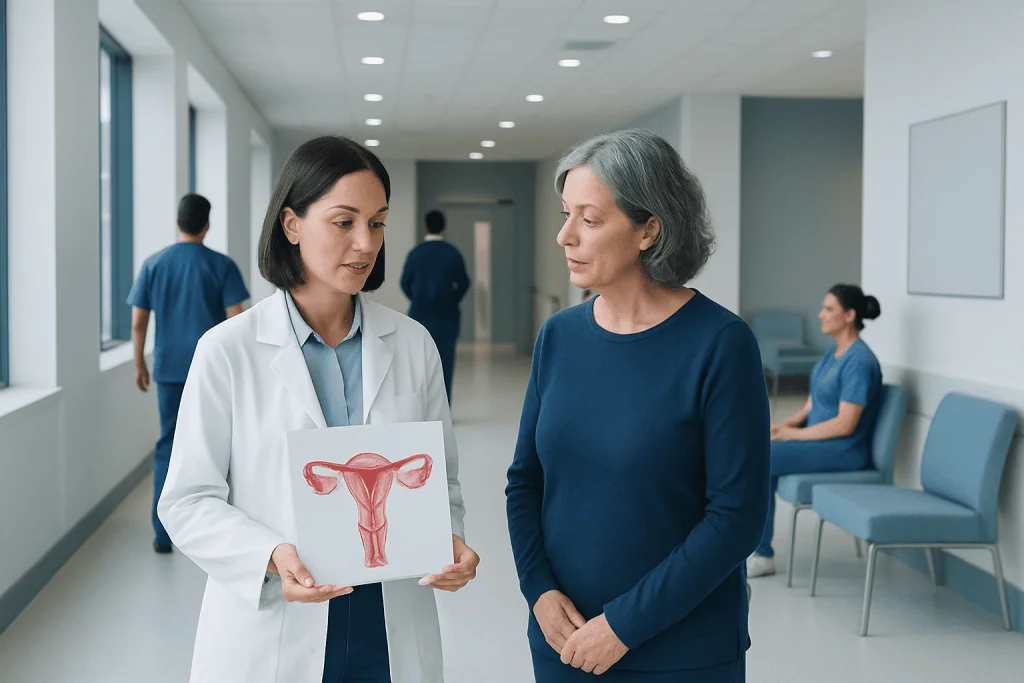
A prolapsed uterus is a type of pelvic organ prolapse caused by weakened pelvic support structures. Symptoms can range from a feeling of pressure or bulging to urinary, bowel, or sexual discomfort.
Key Takeaways
- A prolapsed uterus is a type of pelvic organ prolapse caused by weakened pelvic support structures.
- Symptoms can range from a feeling of pressure or bulging to urinary, bowel, or sexual discomfort.
- Stages describe how far the uterus has descended and help guide treatment decisions.
- Many people improve with pelvic floor exercises, lifestyle changes, or a vaginal pessary.
- Surgery may be considered when symptoms are bothersome, conservative treatment does not help, or prolapse is more advanced.
- New or worsening pelvic pressure, a vaginal bulge, bladder problems, or bleeding should be discussed with a doctor.
A prolapsed uterus happens when the muscles and ligaments that support the uterus become stretched or weakened, allowing the uterus to move down into the vagina. Outlook is often good, and treatment depends on the stage, symptoms, general health, and whether future pregnancy is desired.
Overview: what a prolapsed uterus means
A prolapsed uterus means the uterus has dropped from its usual position because the pelvic floor muscles, connective tissues, and ligaments no longer provide enough support. This can allow the cervix or uterus to descend into the vagina, and in more advanced cases, tissue may protrude outside the vaginal opening. Although it can feel distressing, it is a common and treatable condition.
Prolapsed uterus is one form of pelvic organ prolapse. Some people also have prolapse of the bladder, rectum, or top of the vagina at the same time, which can affect symptoms and treatment planning. For readers wanting broader context, this condition is related to pelvic organ prolapse.
The outlook is often favorable. Mild cases may cause little or no discomfort and can often be managed with pelvic floor rehabilitation and simple self-care measures. More advanced prolapse can still be treated effectively, including with supportive devices or surgery when needed.
Stages and severity of uterine prolapse
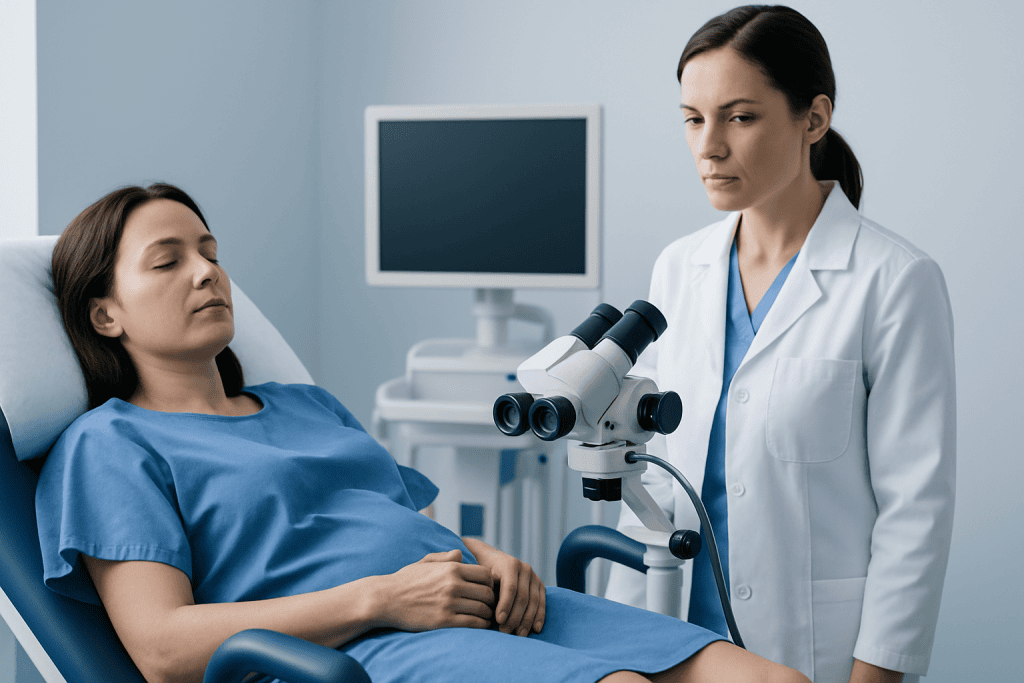
Doctors often describe prolapsed uterus in stages based on how far the uterus has descended. While terminology can vary slightly, the general pattern is similar: in early prolapse, the uterus has dropped but remains inside the vagina; in more advanced prolapse, it reaches the vaginal opening or extends beyond it.
A simple way to understand the stages is:
- Stage 1: the uterus has descended into the upper vagina.
- Stage 2: the uterus has moved lower and may reach the vaginal opening.
- Stage 3: part of the uterus protrudes outside the vaginal opening.
- Stage 4: the uterus is largely outside the vagina, sometimes called complete procidentia.
The stage does not always match symptom intensity. Some people with early prolapse feel significant pressure or bladder symptoms, while others with more visible prolapse may have surprisingly little pain. Treatment is therefore based not only on stage, but also on symptoms, quality of life, age, overall health, and personal preferences.
Symptoms of a prolapsed uterus
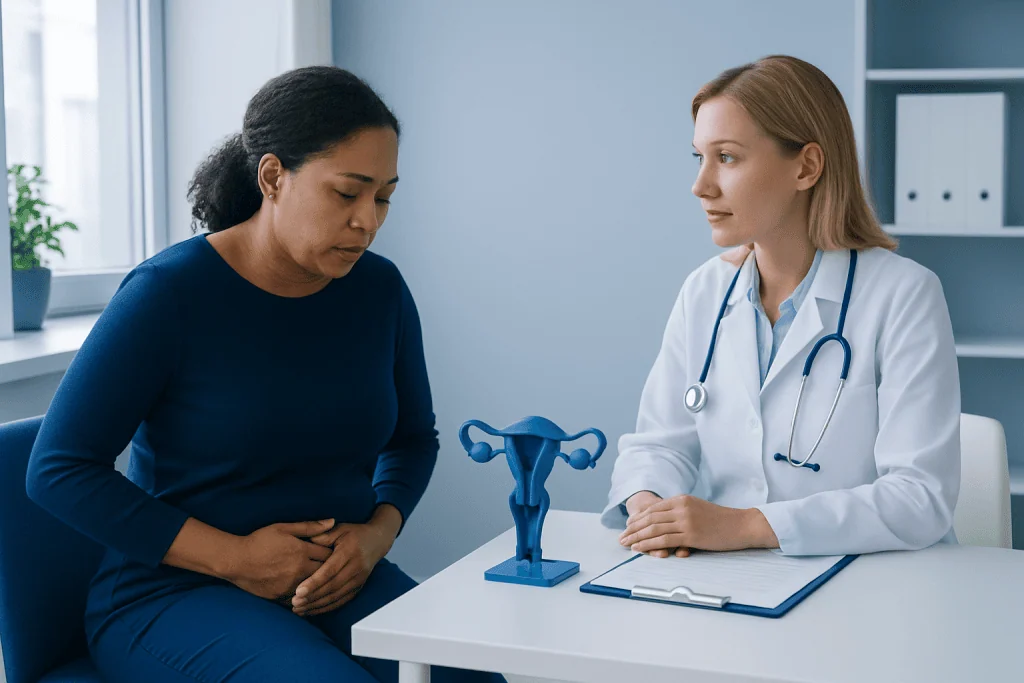
Symptoms often develop gradually. Many people first notice a sense of heaviness, dragging, or pressure in the pelvis, especially after standing for a long time, lifting, coughing, or at the end of the day. Some describe a feeling as if something is “falling out” or a visible or palpable bulge in the vagina.
Urinary symptoms are also common. These may include leaking urine with coughing or exertion, a slow urinary stream, difficulty starting urination, a feeling that the bladder does not empty fully, or frequent urinary tract infections. Bowel symptoms can include constipation, straining, or a sensation of incomplete emptying.
Some people notice lower back discomfort, vaginal irritation, spotting from friction, or discomfort during sexual activity. Symptoms often improve when lying down because pressure on the pelvic floor decreases. If symptoms are mild, a prolapsed uterus may also be found during a routine gynecologic examination before it causes obvious problems.
Causes and risk factors
The underlying cause is weakening of the pelvic floor and the connective tissues that support the uterus. Pregnancy and vaginal childbirth are among the most common contributors because they can stretch or injure these tissues, particularly after multiple births, difficult deliveries, large babies, or use of forceps or vacuum assistance.
Age and menopause can also play an important role. With time, collagen and tissue elasticity change, and lower estrogen levels after menopause may contribute to thinning and reduced support in pelvic tissues. Not everyone who has given birth or gone through menopause develops prolapse, but these factors can increase risk.
Other contributors include chronic constipation, repeated heavy lifting, obesity, chronic cough, smoking-related coughing, prior pelvic surgery, and conditions that affect connective tissue strength. Because pelvic support problems may involve more than one organ, a doctor may also evaluate for related conditions such as urinary incontinence if leakage or urgency is present.
How doctors diagnose prolapsed uterus
Diagnosis usually begins with a medical history and pelvic examination. The doctor will ask about pressure, bulging, urinary and bowel symptoms, childbirth history, menopause, and how symptoms affect daily activities. During the exam, the patient may be asked to bear down or cough so the degree of prolapse becomes easier to assess.
The examination helps identify the stage and whether other pelvic organs are also involved. In some cases, the doctor may assess residual urine after urination, test for urine leakage, or check for irritation or sores on exposed tissue. If symptoms are complex, the evaluation may include bladder function testing or imaging to guide treatment planning.
Diagnosis is also used to rule out other causes of pelvic symptoms, such as masses, infection, or vaginal wall prolapse. A personalized plan depends on the full picture rather than the uterine position alone.
Treatment options: from pelvic floor care to surgery
Treatment depends on symptom burden, prolapse stage, age, overall health, sexual activity, and whether future pregnancy is desired. If symptoms are mild, careful observation may be reasonable. Many people benefit from pelvic floor muscle training supervised by a physiotherapist, bladder and bowel habit adjustments, weight management, and avoiding repeated straining.
A vaginal pessary is a common non-surgical treatment. This removable device sits inside the vagina to support the uterus and surrounding tissues. It can reduce pressure and improve bladder symptoms without surgery, but it needs proper fitting and periodic follow-up. For some patients, local vaginal estrogen may also be discussed after menopause to help vaginal tissue health, depending on medical history.
Surgery may be considered when symptoms are persistent, prolapse is advanced, or conservative treatment does not provide enough relief. Procedures vary and may aim to restore support while preserving the uterus in selected cases, or remove the uterus with suspension of the vaginal apex when appropriate. In people with associated bladder support problems, treatment planning may overlap with pelvic floor therapy or surgery for urogynecology conditions.
Choice of surgery is individualized. Factors include the compartments involved, prior surgeries, recovery goals, medical conditions, and whether a reconstructive or obliterative approach is most suitable. If hysterectomy is part of treatment, information about hysterectomy may be relevant, but the best option should be determined by a qualified specialist.
Prevention, self-care, and long-term outlook
Not every case can be prevented, but several steps may reduce progression or ease symptoms. Regular pelvic floor exercises can strengthen supportive muscles. It is also helpful to treat constipation, avoid prolonged straining on the toilet, and use proper lifting techniques. Managing chronic cough and maintaining a healthy body weight can reduce pressure on the pelvic floor.
Self-care also includes noticing patterns that worsen symptoms. Some people feel more pressure later in the day, after strenuous activity, or when standing for long periods. Rest, lying down, and pacing physically demanding tasks may help. Good pessary care and routine follow-up are important for those using a support device.
The long-term outlook is generally good, especially when treatment matches the person’s symptoms and goals. Some people do well for years with conservative treatment alone, while others need surgery for lasting improvement. Recurrence can happen because prolapse reflects ongoing tissue weakness, but many individuals still achieve meaningful relief and better quality of life.
When to seek medical care
Medical review is appropriate if there is a new vaginal bulge, pelvic pressure that does not improve, urinary leakage or retention, recurrent urinary infections, constipation with straining, or discomfort during sex. Vaginal bleeding, tissue irritation, or sores should also be assessed, particularly after menopause.
Urgent evaluation is important if there is inability to pass urine, severe pain, fever, heavy bleeding, or a rapidly worsening protrusion. These symptoms do not always mean an emergency, but they should not be ignored.
Specialist assessment can clarify the stage, identify whether other pelvic organs are involved, and explain the full range of treatment options. Acibadem International’s multidisciplinary specialists in JCI-accredited hospitals evaluate and treat prolapsed uterus for international patients, with care plans tailored to individual needs.
Frequently asked questions
Can a prolapsed uterus heal on its own?
A prolapsed uterus usually does not fully reverse on its own once support tissues have weakened. However, mild cases may remain stable for long periods, and symptoms can improve with pelvic floor exercises, lifestyle changes, or a pessary. A doctor can help decide whether observation or treatment is best.
Is prolapsed uterus dangerous?
It is usually not dangerous, but it can be uncomfortable and may affect bladder, bowel, or sexual function. More advanced prolapse can irritate exposed tissue or make urination difficult. Medical advice is important if symptoms are persistent, worsening, or associated with bleeding or urinary retention.
Does a prolapsed uterus always need surgery?
No. Many people are treated successfully without surgery, especially when prolapse is mild to moderate or when symptoms are manageable. Pelvic floor therapy, constipation management, weight reduction if needed, and a vaginal pessary are common non-surgical options.
Can someone exercise with a prolapsed uterus?
Often yes, but exercise may need to be adjusted. High-impact activity, heavy lifting, or moves that increase straining can worsen symptoms in some people, while guided pelvic floor strengthening can help. A clinician or pelvic floor physiotherapist can advise on safe activity based on symptoms and stage.
What is the difference between prolapsed uterus and pelvic organ prolapse?
Pelvic organ prolapse is the broader term for descent of one or more pelvic organs. A prolapsed uterus is one type, specifically involving the uterus. Other forms can affect the bladder, rectum, small bowel, or the top of the vagina.
Can prolapsed uterus affect urination or bowel movements?
Yes. It can contribute to urine leakage, difficulty emptying the bladder, urgency, frequent infections, constipation, or a sense of incomplete bowel emptying. Because these symptoms can have more than one cause, proper evaluation is useful before choosing treatment.
References
- American College of Obstetricians and Gynecologists
- National Institute for Health and Care Excellence
- National Institute of Diabetes and Digestive and Kidney Diseases
- Merck Manual Professional Edition
- Royal College of Obstetricians and Gynaecologists
This article is for general information only and is not a substitute for professional medical advice. Please consult a qualified doctor about your individual situation.
Joint and spine care in Turkey — expert assessment & treatment
JCI-accredited · board-certified surgeons · reply within 24h
Add us as a Preferred Source to see more of our trusted health content across Google Search, AI Overviews and Discover.