Prostate Massage — Explained by Medical Evidence, Not Myths

Prostate massage is different from a digital rectal exam and is not part of routine prostate screening. Evidence for prostate massage as a treatment is limited, and it is not standard care for most urinary or prostate conditions.
Key Takeaways
- Prostate massage is different from a digital rectal exam and is not part of routine prostate screening.
- Evidence for prostate massage as a treatment is limited, and it is not standard care for most urinary or prostate conditions.
- It may be unsafe in people with acute infection, significant pain, bleeding, or certain prostate and rectal conditions.
- Persistent pelvic pain, urinary symptoms, fever, or blood in urine or semen should be medically assessed.
- Evaluation of prostate symptoms may include history, physical examination, urine tests, blood tests, and imaging when needed.
Prostate massage is manual stimulation of the prostate through the rectum or, less directly, from the outside. Medical evidence does not support it as a routine treatment for most prostate problems, and in some situations it can cause discomfort or complications, so it is best discussed with a qualified doctor.
What prostate massage is — and what it is not
Prostate massage means applying pressure to the prostate gland, usually through the rectum. The prostate is a small gland below the bladder that surrounds part of the urethra, the tube that carries urine out of the body. Some people ask about prostate massage for sexual stimulation, to relieve pelvic discomfort, or because they have heard it may help urinary symptoms.
From a medical standpoint, it is important to separate prostate massage from other prostate-related examinations and treatments. A digital rectal exam is a brief clinical examination used to feel the prostate for size, tenderness, or irregularity. It is not the same as massage, and it is not intended to express fluid or provide symptom relief.
Modern medical care does not consider prostate massage a routine or first-line treatment for common prostate conditions. While older literature discussed it more often, current practice relies on evidence-based evaluation and treatment for problems such as infection, chronic pelvic pain, urinary symptoms, or enlargement of the prostate. In short, prostate massage is a real practice, but many of the stronger claims around it are not supported by good-quality evidence.
Why people consider prostate massage
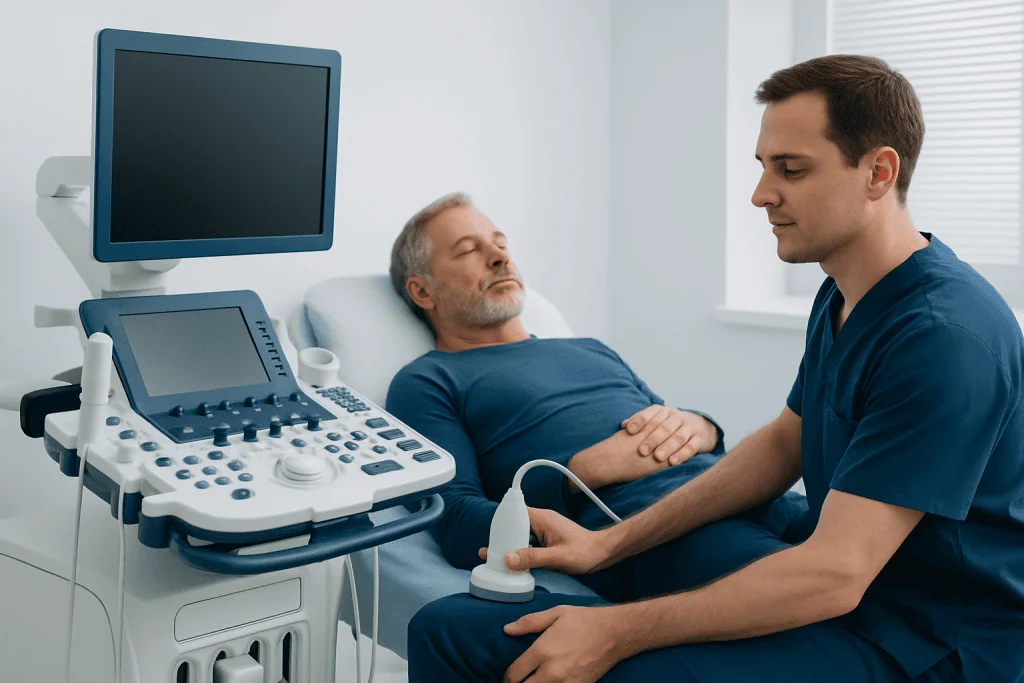
People may seek information about prostate massage for several different reasons. Some are interested in sexual pleasure, while others hope it will improve urination, reduce pelvic pressure, or help “drain” the prostate. It may also be discussed in the context of chronic prostatitis or chronic pelvic pain syndrome, conditions that can cause discomfort in the pelvis, perineum, lower abdomen, or during urination or ejaculation.
Historically, prostate massage was sometimes used in men with chronic prostate symptoms. The idea was that releasing secretions might reduce congestion or discomfort. However, this theory has not translated into strong modern evidence showing clear, reliable benefit compared with standard medical approaches.
In clinical practice today, symptoms such as urinary frequency, urgency, weak stream, pelvic pain, painful ejaculation, or a sensation of incomplete emptying are more likely to be evaluated for causes such as infection, inflammation, pelvic floor muscle dysfunction, benign prostatic hyperplasia, or, less commonly, other urologic problems. Because the causes vary, treatment should be tailored to the person rather than based on myths or generalized claims.
What medical evidence says about benefits and limits
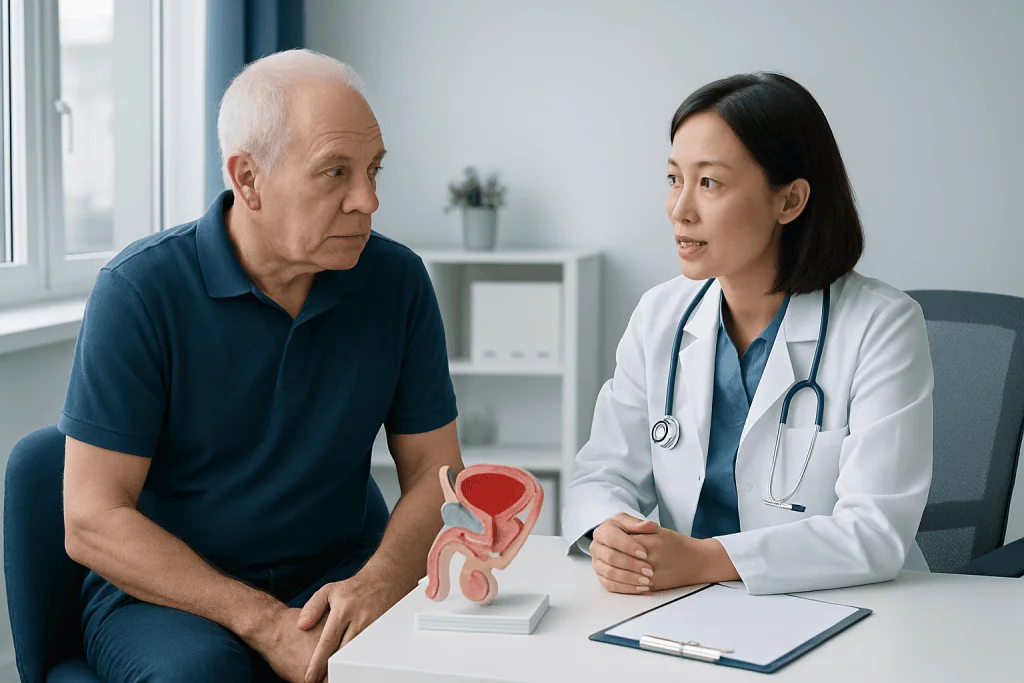
The evidence for prostate massage is limited and mixed. There is not enough high-quality research to recommend it as a standard treatment for enlarged prostate, prostatitis, erectile dysfunction, or routine prostate health maintenance. For that reason, most guidelines do not present it as mainstream care.
Some small or older reports have described temporary symptom relief in selected people with chronic pelvic pain or chronic prostatitis symptoms, often when prostate massage was combined with other treatments. But these reports do not prove that massage itself is effective, and they do not outweigh better-studied options. A symptom improving for a short time is also different from treating the underlying cause.
It is also important to recognize what prostate massage cannot do. It cannot diagnose or rule out cancer, clear a serious infection, or replace proper treatment for urinary obstruction or inflammation. If symptoms are related to infection, structural changes, or pelvic floor dysfunction, the safest and most effective plan usually begins with a medical assessment rather than self-treatment.
Possible risks, side effects, and who should avoid it
Prostate massage is not risk-free. It can cause rectal discomfort, irritation, pain, or minor bleeding, especially if done forcefully or without adequate care. In some people, pressure on an already inflamed or infected prostate may worsen pain. If a person has hemorrhoids, an anal fissure, rectal inflammation, or recent anorectal surgery, the procedure may be especially uncomfortable or inappropriate.
There are also situations where prostate manipulation may be unsafe. Anyone with fever, severe pelvic pain, suspected acute bacterial prostatitis, unexplained rectal bleeding, or significant urinary retention should avoid it and seek medical care. In acute infection, manipulation of the prostate may theoretically increase discomfort and may not be advisable.
People taking blood thinners, those with clotting disorders, or those with a history of prostate or rectal procedures should ask a doctor before considering any internal manipulation. The same is true for men with known prostate enlargement causing bothersome symptoms, because treatment should focus on the actual cause. For many of these issues, a urologist may recommend a structured evaluation and, when appropriate, evidence-based care such as medicines, pelvic floor therapy, or procedures including holmium laser treatment for enlarged prostate.
How doctors evaluate prostate-related symptoms
When someone has symptoms that lead them to ask about prostate massage, the most helpful next step is usually an evaluation to identify the cause. A doctor may ask about urinary symptoms, pelvic or genital pain, sexual symptoms, bowel habits, recent infections, medications, and how long the symptoms have been present. A physical examination may include an abdominal, genital, and rectal exam if appropriate.
Testing depends on the situation. Common tests may include a urine test to look for infection or blood, urine culture, and sometimes blood tests such as prostate-specific antigen when clinically appropriate. Some people may also need imaging, bladder scanning, or specialist testing to assess urinary flow or residual urine after voiding.
This workup matters because several different conditions can overlap. Chronic pelvic pain may come from pelvic floor muscle tension rather than the prostate itself. Urinary symptoms may be linked to prostate enlargement, bladder issues, or irritation of the urinary tract. If there is concern for a structural problem, infection, or another urologic condition, targeted treatment is usually more effective than trying prostate massage without a diagnosis.
Evidence-based treatment options for common prostate complaints
Treatment depends on the diagnosis. If a bacterial infection is confirmed, a doctor may prescribe antibiotics and supportive care. If symptoms fit chronic pelvic pain syndrome or nonbacterial prostatitis, care may include pain management, pelvic floor physical therapy, warm baths, stress reduction, and medications selected for urinary symptoms or discomfort. Some people benefit from lifestyle changes such as reducing bladder irritants like excess caffeine and alcohol.
For urinary symptoms related to prostate enlargement, treatment may involve watchful waiting, medication, or procedures if symptoms are moderate to severe or complications develop. Examples include minimally invasive approaches and surgery tailored to prostate size, anatomy, and overall health. Depending on the case, a specialist may discuss options such as water vapor therapy for BPH or prostate surgery.
If sexual health is the main concern, it is worth remembering that sexual function can be affected by stress, vascular health, hormones, medications, and relationship factors, not only the prostate. A careful medical assessment can help identify safer and more effective solutions than relying on unproven claims. Near the end of the care journey, some international patients choose centers such as Acibadem International, where multidisciplinary specialists in JCI-accredited hospitals evaluate and treat prostate-related conditions based on individual needs.
Self-care, practical safety points, and when to seek medical care
For general prostate and urinary health, the most useful self-care steps are usually simple and evidence-based: staying hydrated, avoiding constipation, limiting excessive alcohol and caffeine if they worsen symptoms, maintaining physical activity, and getting checked for persistent urinary or pelvic complaints. Pelvic floor relaxation strategies may also help some people with chronic pelvic pain, especially when guided by a clinician or physical therapist.
If a person is considering prostate massage despite the limited evidence, it should never be painful or forceful, and it should not be attempted during an active infection or when there is fever, significant pain, or bleeding. However, because symptoms can signal conditions that need specific treatment, self-treatment should not replace medical advice. A qualified clinician can explain whether symptoms are more consistent with prostatitis, pelvic floor dysfunction, BPH, or another issue.
Medical care should be sought promptly for fever, chills, inability to urinate, severe pelvic or back pain, blood in the urine or semen, unexpected weight loss, or symptoms that persist or worsen. These features do not always mean a serious condition, but they deserve professional assessment. Early evaluation often leads to more targeted treatment and greater peace of mind.
Frequently asked questions
Is prostate massage medically recommended?
In most situations, no. Prostate massage is not considered standard treatment for common prostate problems because evidence for clear benefit is limited. Doctors usually recommend evaluation and treatment based on the specific cause of symptoms.
Can prostate massage help prostatitis?
It is not a routine treatment for prostatitis. Some older or small studies suggested possible temporary relief in selected cases of chronic symptoms, but modern care more often focuses on identifying whether the problem is infection, inflammation, or pelvic floor dysfunction and treating that directly.
Is prostate massage the same as a prostate exam?
No. A prostate exam, often called a digital rectal exam, is a brief medical assessment to feel the gland for size, tenderness, or abnormalities. Prostate massage involves applying pressure with the aim of stimulation or expressing secretions, which is a different purpose.
Can prostate massage treat an enlarged prostate?
There is no strong evidence that it treats benign prostatic hyperplasia, also called an enlarged prostate. If a person has urinary symptoms from enlargement, treatment is usually based on symptom severity and may include lifestyle measures, medications, or procedures.
What are the risks of prostate massage?
Possible risks include pain, rectal irritation, bleeding, and worsening discomfort if the prostate or surrounding tissues are inflamed. It should be avoided when there is fever, acute infection, significant pain, rectal disease, or unexplained bleeding unless a doctor advises otherwise.
When should someone see a doctor instead of trying prostate massage?
A doctor should be seen for urinary difficulty, pelvic pain that keeps coming back, pain with ejaculation, blood in urine or semen, fever, or any symptom that is severe or worsening. These symptoms can have several causes, and an accurate diagnosis is important for safe treatment.
References
- National Institute of Diabetes and Digestive and Kidney Diseases
- American Urological Association
- European Association of Urology
- Urology Care Foundation
- National Health Service
This article is for general information only and is not a substitute for professional medical advice. Please consult a qualified doctor about your individual situation.
Explore treatments in Turkey — costs, top hospitals & a free quote
JCI-accredited · board-certified surgeons · reply within 24h
Add us as a Preferred Source to see more of our trusted health content across Google Search, AI Overviews and Discover.

More from the Health Library



Related Specialists

Dr. Arzu Jalılova
Pediatric Endocrinology
Dt. Barış Konuk
Oral Dental & Maxillofacial Surgery
Dr. Abdurrahman Yaycı
Anesthesiology
Prof. Dr. Uygur Er
Neurosurgery