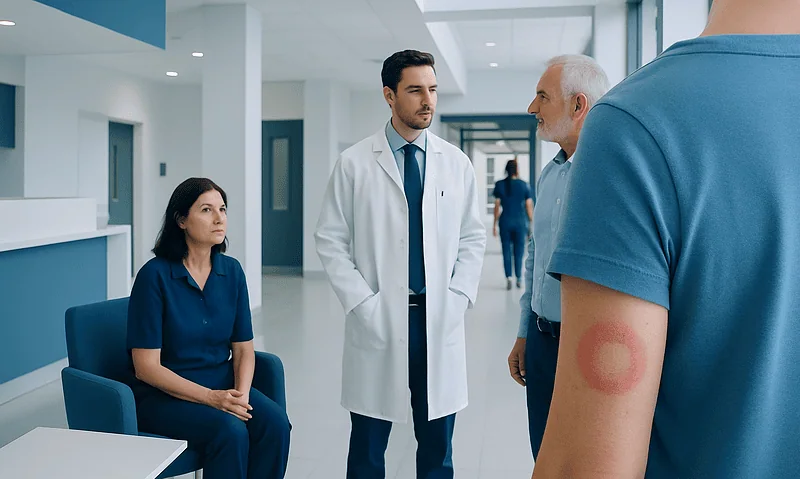
Psoriasis on Hands: An Evidence-Based Guide for Patients

Psoriasis on hands can cause redness, scaling, cracking, pain, itching, and sometimes pustules or nail changes. It is not an infection and cannot be passed from person to person.
Key Takeaways
- Psoriasis on hands can cause redness, scaling, cracking, pain, itching, and sometimes pustules or nail changes.
- It is not an infection and cannot be passed from person to person.
- Common triggers include skin injury, frequent hand washing, harsh chemicals, stress, smoking, and some infections or medicines.
- Diagnosis is usually based on a skin examination, though tests may be needed to rule out eczema, fungal infection, or contact dermatitis.
- Treatment may include moisturizers, medicated creams, light therapy, and systemic medicines for more severe disease.
- Medical care is important if hand psoriasis is painful, limits hand use, becomes infected, or does not improve with basic skin care.
Psoriasis on hands is a long-term inflammatory skin condition that can affect the palms, backs of the hands, fingers, or nails. It is not contagious, but it can be uncomfortable and interfere with daily activities; treatment usually focuses on reducing inflammation, protecting the skin barrier, and preventing flares.
Overview: what psoriasis on hands means
Psoriasis on hands is a form of psoriasis that affects the skin of the palms, fingers, knuckles, or backs of the hands. It develops when the immune system drives skin cells to grow and build up too quickly, leading to inflamed, thickened, and often scaly patches. On the hands, this can be especially troublesome because the skin is exposed to friction, soaps, water, weather changes, and daily tasks.
Hand psoriasis may appear as well-defined red plaques with silvery scale, dry thick skin, painful cracks, or, in some people, small pus-filled bumps known as pustules. The exact pattern varies from person to person. Some people have psoriasis mainly on the palms, while others also have disease on the elbows, knees, scalp, or nails. Related nail changes or symptoms elsewhere may help doctors recognize psoriasis.
Because the hands are used constantly, even mild inflammation can affect comfort, work, exercise, and sleep. Many patients also feel self-conscious about visible skin changes. Although hand psoriasis can be persistent, many people improve with a combination of skin protection, trigger management, and medical treatment tailored to severity.
How it can look and feel
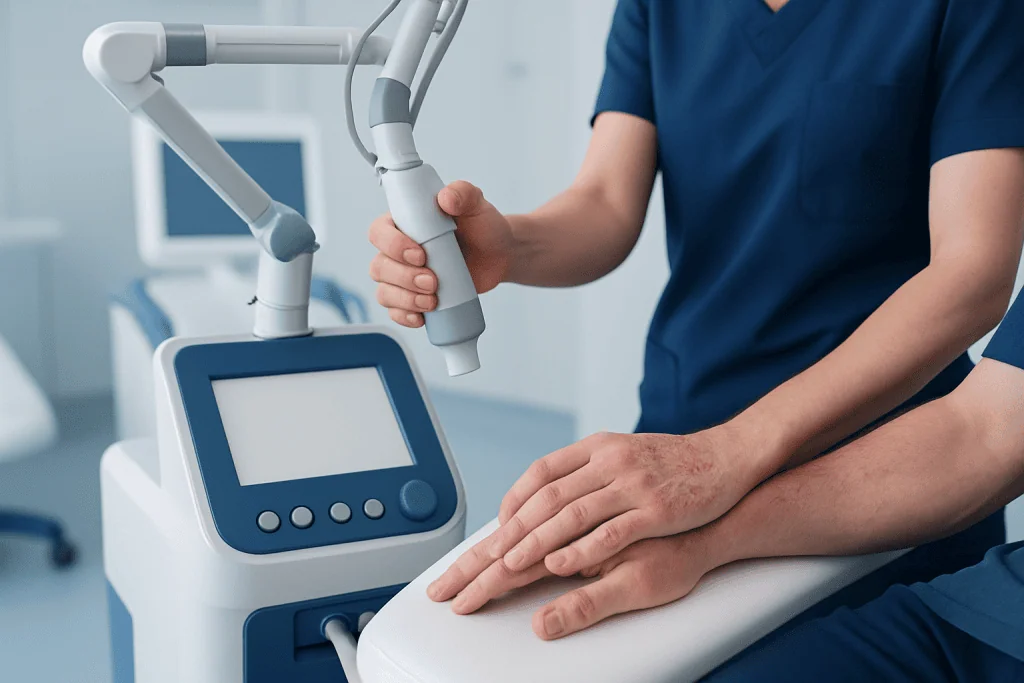
Symptoms of psoriasis on hands often include dryness, scaling, redness, and sharply bordered thick patches. The skin may feel tight, rough, itchy, or sore. In more inflamed cases, the palms can become tender and develop deep fissures, which may sting during hand washing, cooking, writing, or gripping objects.
Some people notice peeling skin that returns repeatedly, while others develop small pustules on the palms. These pustules are part of psoriasis and are not usually a sign of bacterial infection. Nail involvement may also occur, with pitting, thickening, discoloration, or separation of the nail from the nail bed.
Features that may suggest hand psoriasis include:
- Dry, thick, or scaly patches on the palms or backs of the hands
- Cracks or fissures that can bleed or hurt
- Burning, itching, or tenderness
- Symmetrical involvement of both hands
- Nail changes, especially pitting or thickened nails
- Flares that improve and worsen over time
Symptoms can overlap with eczema, contact dermatitis, fungal infection, or other inflammatory skin conditions. For that reason, persistent hand rashes should be assessed rather than self-diagnosed, especially if over-the-counter products are not helping.
Why it happens: causes and common triggers

Psoriasis is a chronic immune-mediated condition with both genetic and environmental influences. A person may be more likely to develop it if close family members are affected, but genes alone do not fully explain when or where it appears. The skin of the hands is often exposed to repeated irritation, which can make this area particularly vulnerable to flares.
A well-known psoriasis phenomenon is that skin injury can trigger new lesions. On the hands, even minor trauma such as friction, frequent washing, cuts, scrapes, or pressure may worsen symptoms. This helps explain why hand psoriasis can be difficult to control in people whose work involves repeated wet work or chemical exposure.
Common triggers and aggravating factors include:
- Frequent hand washing or alcohol-based sanitizers that dry the skin
- Detergents, solvents, cleaning products, or workplace irritants
- Cold weather and low humidity
- Stress
- Smoking
- Skin injury such as scratching, blisters, or repeated friction
- Some infections or medications in susceptible individuals
Hand psoriasis can sometimes be confused with eczema, particularly when the skin is dry, itchy, and cracked. Both conditions can affect the hands, and occasionally they coexist. Identifying triggers is helpful because reducing avoidable irritation can make medical treatment work better.
How doctors diagnose hand psoriasis
Diagnosis usually begins with a detailed history and skin examination. A doctor will ask when the rash started, whether it comes and goes, what products touch the hands, whether there is itching or pain, and whether there are symptoms on the scalp, elbows, knees, feet, or nails. A family history of psoriasis or psoriatic arthritis can also provide useful clues.
In many cases, the appearance and distribution of the rash are enough to make the diagnosis. Nail pitting, sharply demarcated plaques, and psoriasis elsewhere on the body support the diagnosis. If the picture is less clear, the clinician may consider other causes such as allergic or irritant contact dermatitis, fungal infection, dyshidrotic eczema, or palmoplantar pustulosis.
Sometimes additional tests are needed. These may include skin scrapings or fungal tests, patch testing when allergy is suspected, or rarely a skin biopsy if the diagnosis remains uncertain. If a person has joint pain, morning stiffness, swollen fingers, or heel pain, further evaluation may be advised because psoriasis can be associated with inflammatory joint disease.
Treatment options and what to expect
Treatment for psoriasis on hands depends on how severe the symptoms are, how much the condition affects daily life, and whether nails or other body areas are involved. The goals are to reduce inflammation, soften thickened skin, relieve pain or itch, heal cracks, and lower the chance of future flares. Because hand skin is thick and exposed to ongoing irritation, treatment may need patience and regular follow-up.
For many patients, treatment starts with intensive moisturization and prescription topical medicines. Thick, fragrance-free emollients help restore the skin barrier and reduce fissuring. Doctors may also prescribe medicated creams or ointments, including topical corticosteroids, vitamin D analogs, keratolytic agents to reduce scale, or other anti-inflammatory treatments. These are often used in carefully timed courses to balance effectiveness and safety.
If hand psoriasis is widespread, severe, recurrent, or disabling, specialist treatment may be needed. Options can include phototherapy, oral medicines, or biologic therapies that target inflammatory pathways. In selected cases, doctors may discuss specialist dermatology care to confirm the diagnosis and build a long-term plan, especially when symptoms overlap with dermatitis or involve the nails.
Treatment usually works best when medical therapy is combined with daily skin protection. In Acibadem International, multidisciplinary specialists in JCI-accredited hospitals evaluate and treat psoriasis for international patients, including cases that require advanced assessment or broader health evaluation when triggers or associated conditions are suspected.
Daily care: protecting the skin barrier at home
Self-care does not replace medical treatment, but it is a core part of managing hand psoriasis. The most important step is to protect the skin barrier. Applying a thick moisturizer several times a day, especially after washing, can reduce dryness and make cracks less likely. Ointments and cream-based moisturizers often work better than thin lotions for very dry hands.
Gentle cleansing matters. Lukewarm water is usually less irritating than hot water, and mild fragrance-free cleansers may be better tolerated than harsh soaps. After washing, the hands should be patted dry rather than rubbed aggressively. If sanitizers are needed, adding moisturizer soon afterward may help offset dryness.
Practical habits that often help include:
- Wearing protective gloves for cleaning, dishwashing, gardening, or cold weather
- Avoiding fragranced products and strong detergents when possible
- Not picking scales or scratching fissures
- Keeping nails trimmed and clean
- Stopping smoking if applicable
- Managing stress with sleep, exercise, relaxation, or counseling support
It is also useful to notice patterns. Some people find that symptoms worsen after certain products, repeated wet work, or seasonal changes. A symptom diary can help identify triggers and guide discussions with a doctor.
When to seek medical care
Medical assessment is important if hand symptoms are persistent, painful, or interfering with daily tasks. People should seek care if moisturizers and gentle skin care are not enough, if the diagnosis is uncertain, or if the rash keeps returning. Early treatment may help prevent deeper cracking and functional problems.
Prompt medical attention is also advised if there are signs of infection, such as increasing warmth, swelling, pus, fever, or rapidly worsening pain. Although pustular psoriasis can produce visible pustules, true infection needs separate evaluation and treatment. A doctor should also assess nail changes, severe scaling, or widespread psoriasis elsewhere on the body.
Joint symptoms should not be ignored. Stiffness in the morning, swollen fingers, or painful joints may suggest psoriatic arthritis, which benefits from timely care. If the condition is affecting work, sleep, mood, or quality of life, specialist review can help identify more effective treatment options.
Frequently asked questions
Is psoriasis on hands contagious?
No. Psoriasis on hands is not an infection and cannot be spread by touch, sharing objects, or close contact. It is an inflammatory skin condition related to immune system activity.
How is hand psoriasis different from eczema?
Both conditions can cause dry, itchy, cracked skin on the hands, so they can look similar. Psoriasis often has more clearly defined thick plaques and may be linked with nail changes or psoriasis elsewhere, while eczema is often strongly related to irritation or allergy. A clinician may need to examine the skin to tell them apart.
Can psoriasis on hands go away completely?
Psoriasis is usually a chronic condition, which means it may come and go over time rather than disappear permanently. Many people still achieve long periods of good control with treatment, skin protection, and trigger management.
What makes psoriasis on hands flare up?
Common triggers include harsh soaps, detergents, repeated hand washing, skin injury, cold dry weather, stress, and smoking. Some infections or medications may also contribute in certain people. Learning personal triggers can help reduce flare frequency.
When should someone worry about cracks or pustules on the hands?
Painful cracks deserve attention if they bleed, limit hand use, or do not improve with moisturizers and treatment. Pustules can occur in psoriasis itself, but increasing redness, swelling, warmth, or fever may point to infection and should be assessed promptly.
Are strong moisturizers enough to treat hand psoriasis?
Moisturizers are very important, but they are often not enough on their own for active hand psoriasis. Many patients also need prescription topical treatment, and more severe cases may require phototherapy or systemic medicines. A doctor can match treatment to symptom severity and location.
This article is for general information only and is not a substitute for professional medical advice. Please consult a qualified doctor about your individual situation.
Explore treatments in Turkey — costs, top hospitals & a free quote
JCI-accredited · board-certified surgeons · reply within 24h
Add us as a Preferred Source to see more of our trusted health content across Google Search, AI Overviews and Discover.

More from the Health Library

Women’s Health News Today: An Evidence-Based Guide for Patients

Cold Sore: An Evidence-Based Guide for Patients

Pennis Itching: What Patients Need to Know

Peptides: A Complete Medical Overview

Depressive Episode: A Complete Medical Overview