Psychogenic Movement Disorders: Causes, Symptoms, and Treatment Approaches

Psychogenic movement disorders are genuine medical conditions, not intentional or imagined symptoms. Symptoms can include tremor, jerking, gait changes, weakness, dystonia, or unusual movement patterns.
Key Takeaways
- Psychogenic movement disorders are genuine medical conditions, not intentional or imagined symptoms.
- Symptoms can include tremor, jerking, gait changes, weakness, dystonia, or unusual movement patterns.
- Diagnosis is based on positive clinical signs and careful assessment, not simply by ruling out other diseases.
- Treatment often includes education, physical therapy, psychological therapy, and management of stress or coexisting conditions.
- Early recognition and a supportive, multidisciplinary approach can improve recovery and daily function.
Psychogenic movement disorders are involuntary abnormal movements that arise from functional changes in how the nervous system works rather than structural brain damage. They are real, treatable conditions, and care often combines neurology, mental health support, and rehabilitation.
Overview
Psychogenic movement disorders are a type of functional neurological disorder in which a person develops abnormal movements, spasms, shaking, gait problems, or postures without evidence of a degenerative or structural neurological disease causing them. Today, many specialists prefer the term functional movement disorder, because it reflects a change in nervous system functioning rather than implying that symptoms are “all in the mind.” The movements are involuntary and can be distressing, disabling, and very real to the person experiencing them.
These disorders may affect adults or children and can begin suddenly or gradually. Some people notice symptoms after a physical injury, illness, emotional stress, or a period of exhaustion, while others do not identify a clear trigger. Symptoms may vary from day to day, and this variability is one of the features doctors consider during evaluation.
Importantly, psychogenic movement disorders are not a sign of weakness, attention-seeking, or deliberate behavior. They happen through altered brain networks involved in movement control, attention, expectation, and stress responses. Understanding this helps reduce stigma and supports a more effective treatment plan.
Symptoms and Types of Movement Changes
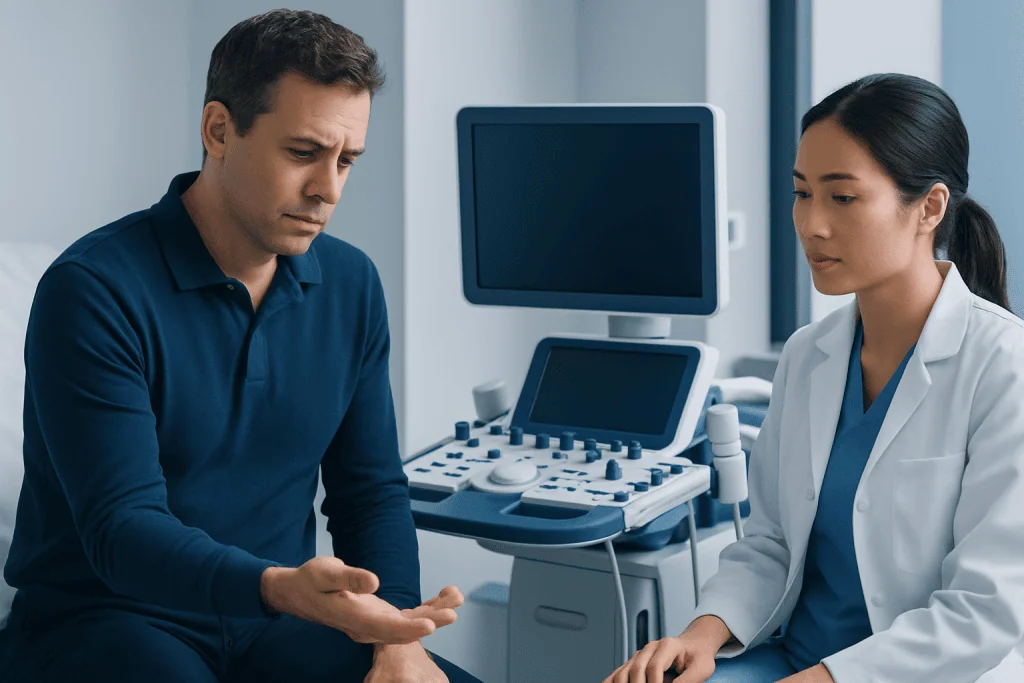
The symptoms of psychogenic movement disorders can look very similar to those seen in other neurological conditions. A person may have shaking of the hands, jerking of the limbs, difficulty walking, abnormal postures, slowness, facial movements, or episodes that resemble spasms. Symptoms may affect one body part or several areas at once.
Common movement patterns include tremor, sudden jerks, dystonia-like posturing, gait imbalance, and episodes of freezing or weakness. Some symptoms may lessen when the person is distracted, change with attention, or vary in speed and intensity. These features do not mean the symptoms are not real; they help clinicians recognize the functional nature of the disorder.
People may also experience pain, fatigue, dizziness, poor concentration, sleep disturbance, anxiety, or low mood alongside the movement symptoms. Sometimes psychogenic movement disorders occur together with other neurological conditions, which can make diagnosis more complex.
- Tremor that changes in rhythm or severity
- Jerking or twitching movements
- Abnormal limb or neck postures
- Difficulty walking or balance problems
- Episodes of weakness or a sense that a limb will not move normally
- Symptoms that fluctuate over time
Causes and Risk Factors

There is rarely a single cause of psychogenic movement disorders. Instead, they are usually understood as the result of several interacting factors. These may include physical stress on the body, emotional stress, previous illness, pain, a history of anxiety or depression, trauma, sleep problems, or a tendency for the brain to become overly focused on bodily sensations and movement.
Research suggests that the brain networks involved in movement planning, attention, and emotional processing may communicate differently in people with functional neurological symptoms. This can lead to movements that feel outside the person’s control. The symptoms are therefore genuine and involuntary, even though standard brain scans may appear normal.
Risk factors can include recent injury, surgery, infection, migraine, chronic pain, panic symptoms, major life changes, and coexisting neurological conditions such as Parkinson's disease or tremor disorders. However, not every person with these risk factors develops a psychogenic movement disorder, and some people have no obvious psychological trigger at all.
How Diagnosis Is Made
Diagnosis begins with a detailed medical history and neurological examination, often performed by a neurologist with experience in movement disorders. Rather than diagnosing the condition only by excluding other illnesses, specialists look for positive clinical signs that support a functional movement disorder. These may include inconsistency over time, movements that change with distraction, or patterns that do not fit typical neurological disease.
Doctors may order tests such as blood work, brain imaging, or neurophysiological studies when needed to rule out other causes of involuntary movement. The purpose of testing is to make sure that another medical disorder is not being missed, especially if symptoms are new, unusual, or accompanied by other concerning signs.
Receiving the diagnosis can be emotionally challenging, especially if a person fears they are not being believed. A clear explanation is an important part of care. Many patients benefit when the doctor explains that the diagnosis is based on recognizable signs, that the symptoms are real, and that treatment can help improve control and function.
Treatment Approaches
Treatment for psychogenic movement disorders usually works best when it is individualized and multidisciplinary. The first step is often education about the diagnosis in a supportive and nonjudgmental way. Understanding that the nervous system is functioning abnormally, rather than being permanently damaged, can help patients engage with recovery and reduce fear.
Physical therapy is often a central part of treatment, especially for gait problems, tremor, posture changes, and movement retraining. Specialized physical therapy and rehabilitation focuses on normal movement patterns, reducing abnormal attention to symptoms, and gradually building confidence. Occupational therapy may also help with daily activities and independence.
Psychological therapy can be valuable, particularly when stress, trauma, anxiety, depression, or unhelpful symptom-focused patterns are present. Approaches such as cognitive behavioral therapy may help some people identify triggers, manage distress, and improve coping. If coexisting mood or anxiety conditions are significant, treatment through psychiatry or psychological care may be recommended.
When diagnosis is uncertain or symptoms overlap with other neurological disorders, evaluation in a specialized neurology setting can help guide care. In selected cases, supportive input from neurosurgery may be part of assessment if structural neurological disease is being considered, though surgery is not a treatment for psychogenic movement disorders themselves.
Self-care, Recovery, and Daily Living
Recovery is often gradual rather than immediate. Many people improve with the right explanation, therapy, and support, although the pace and extent of improvement vary. Setting realistic goals can help, such as walking more steadily, reducing symptom-related fear, improving sleep, returning to work gradually, or resuming social activities.
Practical self-care strategies may include regular sleep routines, gentle physical activity as advised by a clinician, stress management, and limiting repeated body-checking or excessive online searching about symptoms. Family support can also make a difference. Loved ones can help by responding calmly, encouraging rehabilitation plans, and avoiding patterns that unintentionally reinforce disability.
It is also useful to manage associated conditions such as pain, migraine, fatigue, anxiety, or depression. Because symptoms may flare during stressful times, learning early warning signs and coping tools can help reduce setbacks. Near the end of the care journey, some patients seek coordinated evaluation at centers such as Acibadem International, where multidisciplinary specialists in JCI-accredited hospitals assess and treat movement disorders for international patients.
When to See a Doctor
Anyone with new involuntary movements, sudden weakness, unexplained shaking, balance problems, or changes in walking should seek medical evaluation. Even when symptoms turn out to be functional, it is important to first consider other neurological or medical causes. A professional assessment can help provide clarity and direct the right treatment.
Urgent medical attention is especially important if symptoms start suddenly with severe headache, trouble speaking, facial drooping, chest pain, fever, confusion, or loss of consciousness. These features can suggest other serious conditions that need prompt care.
A person should also follow up if symptoms are affecting work, school, mobility, sleep, or emotional well-being. Early diagnosis and treatment may improve outcomes and help prevent long-term disability, frustration, or repeated emergency visits.
Frequently asked questions
Are psychogenic movement disorders real medical conditions?
Yes. Psychogenic movement disorders are genuine conditions in which movement is disrupted by functional changes in the nervous system. The symptoms are involuntary and should be taken seriously, even when scans or routine tests are normal.
What is the difference between psychogenic movement disorder and functional movement disorder?
These terms are often used for the same condition. Many clinicians now prefer “functional movement disorder” because it emphasizes altered brain function and may feel less stigmatizing to patients.
Can stress cause psychogenic movement disorders?
Stress can be a trigger or contributing factor for some people, but it is not the only cause. Physical illness, injury, pain, fatigue, and other biological or psychological factors may also play a role.
How do doctors diagnose psychogenic movement disorders?
Doctors diagnose the condition through a detailed history and neurological examination, looking for positive signs that support a functional disorder. Tests may also be used to rule out other neurological diseases when needed.
Can psychogenic movement disorders be treated successfully?
Many people improve with appropriate treatment, especially when diagnosis is explained clearly and care begins early. Treatment often includes education, physical therapy, psychological therapy, and management of related symptoms such as anxiety, pain, or sleep problems.
Do psychogenic movement disorders mean a person has a psychiatric illness?
Not necessarily. Some people have anxiety, depression, trauma, or other mental health conditions alongside the movement disorder, while others do not. The diagnosis does not automatically mean that symptoms are purely psychiatric.
References
- National Institute of Neurological Disorders and Stroke
- American Academy of Neurology
- FND Hope
- Mayo Clinic
- NHS
This article is for general information only and is not a substitute for professional medical advice. Please consult a qualified doctor about your individual situation.
Movement Disorders in Turkey — costs, top hospitals & a free quote
JCI-accredited · board-certified surgeons · reply within 24h
Add us as a Preferred Source to see more of our trusted health content across Google Search, AI Overviews and Discover.

Neurology
Diagnosis and treatment of disorders of the brain, spinal cord, nerves and muscles.
51 specialists in this unit