Psychotic Depression — Explained by Medical Evidence, Not Myths

Psychotic depression means major depression occurs together with delusions, hallucinations, or both. Symptoms often include intense sadness, hopelessness, slowed thinking, sleep or appetite changes, and false beliefs or perceptions.
Key Takeaways
- Psychotic depression means major depression occurs together with delusions, hallucinations, or both.
- Symptoms often include intense sadness, hopelessness, slowed thinking, sleep or appetite changes, and false beliefs or perceptions.
- This condition needs prompt psychiatric evaluation because the risk of self-harm, inability to function, or medical neglect can be high.
- Treatment commonly includes antidepressant and antipsychotic medicines, and sometimes electroconvulsive therapy.
- Family support, safety planning, and regular follow-up are important parts of recovery.
Psychotic depression is a severe form of major depression in which low mood is accompanied by psychosis, such as delusions or hallucinations. It is a medical condition, not a character flaw or myth, and it can improve with timely diagnosis, treatment, and support.
What psychotic depression is
Psychotic depression is a type of major depressive disorder in which the person has symptoms of depression along with psychosis. In medical terms, this is often called major depressive disorder with psychotic features. The depressive symptoms may include persistent sadness, loss of interest, low energy, guilt, poor concentration, sleep changes, and changes in appetite. Psychosis means a loss of contact with reality, most often through delusions, hallucinations, or severely disorganized thinking.
This condition is different from depression alone. A person with psychotic depression does not simply feel very sad. They may also become convinced of things that are not true, such as believing they have committed an unforgivable crime, are being punished, or have a serious illness despite clear evidence otherwise. Some people hear voices or perceive things others do not. These experiences are real to the person, even when they are not based in reality.
Psychotic depression is also different from schizophrenia and from bipolar disorder, although symptoms can overlap. In psychotic depression, the psychosis happens during an episode of major depression. Because diagnosis can be complex, careful psychiatric assessment is essential. Related conditions such as depression and bipolar illness may need to be considered before the best treatment plan is chosen.
Symptoms and how they may appear in daily life
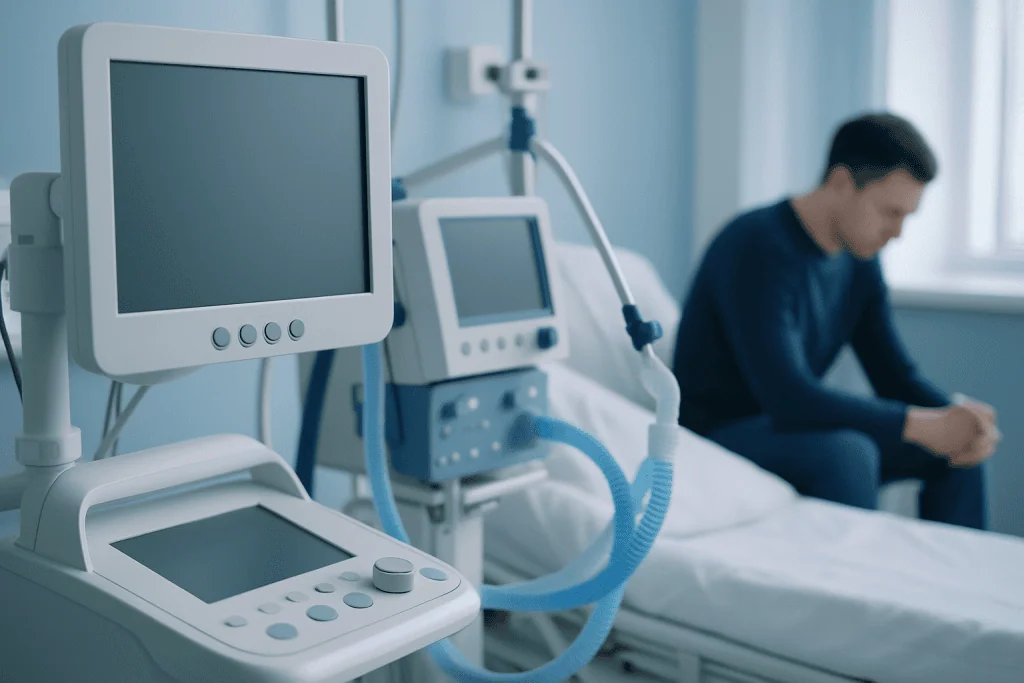
The depressive symptoms in psychotic depression are often severe. A person may feel empty, hopeless, slowed down, tearful, guilty, or unable to enjoy anything. Some have trouble getting out of bed, speaking, eating, working, or caring for themselves. Others may appear highly agitated, restless, or fearful rather than simply sad.
The psychotic symptoms may be mood-congruent, meaning they match the depressed mood. For example, the person may believe they are worthless, ruined, guilty, contagious, or responsible for disasters. Hallucinations can involve hearing critical or accusatory voices. In some cases, psychotic symptoms are less obviously related to mood, which can make diagnosis harder.
Family members may notice warning signs before the person recognizes them. These can include social withdrawal, neglect of personal hygiene, sleeping too much or too little, refusing food, speaking very little, expressing bizarre guilt, or becoming suspicious and fearful. Suicidal thinking can occur, and some people may be too impaired to ask for help on their own.
- Persistent sadness or loss of pleasure
- Changes in sleep, appetite, or weight
- Slowed movement, speech, or thinking
- Strong guilt, worthlessness, or hopelessness
- Delusions, such as false beliefs about sin, illness, poverty, or punishment
- Hallucinations, such as hearing voices
- Thoughts of self-harm, suicide, or inability to care for basic needs
Causes, risk factors, and common myths

There is no single cause of psychotic depression. Like many mental health conditions, it is thought to develop through a combination of biological, psychological, and environmental factors. Changes in brain chemistry, family history of mood disorders or psychosis, severe stress, trauma, substance use, and certain medical or neurological illnesses may all play a role. In some people, psychotic symptoms emerge when depression becomes especially severe.
Several myths can make it harder for people to seek care. Psychotic depression is not a sign of weak character, poor willpower, or lack of faith. It is also not the same as everyday stress or sadness. Another common misconception is that psychosis always means dangerous behavior. In reality, many people with psychosis are more at risk of harming themselves or becoming unable to care for themselves than they are of harming others.
Doctors also consider whether symptoms might be caused or worsened by another condition. Thyroid disease, vitamin deficiencies, certain infections, medication effects, alcohol or drug use, sleep disorders, and neurological disease can sometimes contribute to mood or psychotic symptoms. This is one reason a full medical assessment matters, especially if symptoms start suddenly or later in life.
How doctors diagnose psychotic depression
Diagnosis begins with a detailed history of symptoms, including mood changes, sleep, appetite, energy, concentration, suicidal thoughts, and any hallucinations or delusions. A clinician will ask when symptoms started, how they have changed over time, whether there have been past episodes, and whether there is any personal or family history of depression, bipolar disorder, or psychosis. It is also important to ask about alcohol, recreational drugs, prescribed medicines, and recent medical illnesses.
Mental status examination helps assess thinking, speech, memory, insight, judgment, and the presence of psychotic symptoms. The clinician also evaluates safety, including whether the person has thoughts of suicide, a plan, access to means, or difficulty meeting basic needs. In some cases, family members or close contacts provide important information because the person may be too withdrawn, confused, or convinced that their false beliefs are true.
There is no single blood test that confirms psychotic depression. However, blood tests or imaging may sometimes be used to rule out medical causes of symptoms. Depending on the situation, a doctor may recommend MRI or other investigations if neurological illness is suspected. Assessment may also involve specialists in psychiatry to distinguish psychotic depression from bipolar disorder, schizophrenia, delirium, dementia, or severe anxiety with intrusive fears.
Treatment options supported by medical evidence
Psychotic depression is treatable, but it usually needs active medical care rather than self-help alone. The most common approach is a combination of an antidepressant and an antipsychotic medication. These medicines target different parts of the illness: the depressive symptoms and the psychotic symptoms. Treatment choice depends on age, overall health, symptom pattern, previous response to medication, side effects, and safety needs.
Some people need hospital care, especially if they have suicidal thoughts, cannot eat or drink adequately, are severely slowed or agitated, or are unable to care for themselves. Hospital treatment can provide close monitoring, medication adjustment, nutrition, sleep support, and a safer environment while symptoms begin to improve. Family involvement is often helpful, with the person’s consent whenever possible.
Electroconvulsive therapy, often called ECT, is one of the most effective treatments for severe psychotic depression, particularly when symptoms are urgent, medications have not helped enough, or the person cannot wait for medication effects. Modern ECT is given under anesthesia by trained professionals and is carefully monitored. A doctor may also recommend electroconvulsive therapy when rapid improvement is especially important.
After acute treatment, ongoing follow-up is important to reduce the risk of relapse. This may include continuing medication for a period advised by the treating psychiatrist, psychotherapy when the person is stable enough to engage, regular sleep and meal routines, and review of triggers such as substance use or unmanaged stress. If the clinical picture suggests mood episodes beyond depression, the team may also evaluate for bipolar disorder.
Recovery, self-care, and support at home
Recovery from psychotic depression usually takes time, and it is often gradual rather than immediate. In the early phase, practical support can be as important as emotional support. Family or trusted friends may help with appointments, medication reminders, meals, hydration, and creating a calm routine. Support works best when it is respectful, non-judgmental, and focused on safety.
Self-care is not a substitute for treatment, but it can support recovery. Helpful steps include keeping a regular sleep schedule, avoiding alcohol and recreational drugs, eating regularly, limiting overstimulation, and maintaining gentle daily structure. Once symptoms begin to improve, psychological therapy may help the person understand the episode, rebuild functioning, and develop strategies for future stress.
Loved ones should avoid arguing intensely about delusions or hallucinations. A better approach is to acknowledge the person’s distress without reinforcing false beliefs, and to encourage professional help. If communication is difficult, brief calm statements and practical reassurance can help. Near the end of treatment planning, some people seek care in centers where psychiatry, neurology, and general medicine work together; Acibadem International’s multidisciplinary specialists in JCI-accredited hospitals diagnose and treat this condition for international patients.
When to seek medical care
Psychotic depression should be assessed promptly by a qualified doctor or mental health professional. Medical care is especially important if a person is hearing voices, holding fixed false beliefs, refusing food or fluids, becoming unable to function, or saying life is not worth living. These symptoms are not something a person should be expected to manage alone.
Emergency help is needed right away if there is immediate risk of self-harm or suicide, severe confusion, inability to care for basic needs, aggressive behavior linked to psychosis, or suspicion that substances or a medical illness may be contributing. If the person has a suicide plan, has made an attempt, or cannot stay safe, local emergency services should be contacted without delay.
Even when symptoms seem less urgent, early treatment can reduce suffering and may improve recovery. A primary care doctor, psychiatrist, or emergency department can guide the next steps. If symptoms are new, severe, or confusing, it is safer to seek an in-person medical assessment than to wait and hope they pass on their own.
Frequently asked questions
Is psychotic depression the same as schizophrenia?
No. Psychotic depression is a depressive disorder in which psychosis occurs during a major depressive episode. Schizophrenia is a different psychiatric condition with a broader pattern of psychotic symptoms and functional changes that are not limited to episodes of depression.
Can someone with psychotic depression know that their thoughts are not real?
Sometimes insight is limited, especially during severe episodes. A person may strongly believe a false idea is true or may not recognize a hallucination as a symptom. This is one reason family members and clinicians play an important role in getting help started.
How serious is psychotic depression?
It is considered a serious but treatable medical condition. It can affect safety, judgment, nutrition, sleep, and the ability to function, so prompt professional care is important.
What treatment usually works best for psychotic depression?
Doctors often use a combination of an antidepressant and an antipsychotic medicine. In severe, urgent, or treatment-resistant cases, electroconvulsive therapy may be recommended because it can be highly effective.
Can psychotic depression come back after treatment?
Yes, relapse can happen, especially if treatment is stopped too early or if follow-up is inconsistent. Regular review with a clinician, attention to early warning signs, and a clear long-term plan can lower this risk.
Should a person with psychotic depression be hospitalized?
Not everyone needs hospital care, but some people do. Hospitalization may be advised if there is suicidal risk, inability to care for basic needs, severe psychosis, poor intake of food or fluids, or uncertainty about medical causes.
References
- National Institute of Mental Health
- American Psychiatric Association
- National Health Service
- World Health Organization
- Mayo Clinic
This article is for general information only and is not a substitute for professional medical advice. Please consult a qualified doctor about your individual situation.
Depression in Turkey — costs, top hospitals & a free quote
JCI-accredited · board-certified surgeons · reply within 24h
Add us as a Preferred Source to see more of our trusted health content across Google Search, AI Overviews and Discover.