Pubisa: An Evidence-Based Guide for Patients

Pubisa is commonly used online as a general term for pubic-area symptoms rather than a specific disease name. Possible causes range from muscle strain and skin irritation to infections, hernias, urinary problems, or gynecologic and urologic conditions.
Key Takeaways
- Pubisa is commonly used online as a general term for pubic-area symptoms rather than a specific disease name.
- Possible causes range from muscle strain and skin irritation to infections, hernias, urinary problems, or gynecologic and urologic conditions.
- Diagnosis depends on the exact symptoms, their duration, and a focused physical exam, sometimes supported by imaging or laboratory tests.
- Treatment is based on the underlying cause and may include rest, medicines, skin care, physical therapy, or surgery in selected cases.
- Medical review is important for severe pain, fever, a new lump, trouble urinating, or symptoms that do not improve.
Pubisa is not a standard medical diagnosis, but people often use the term when searching for symptoms affecting the pubic area, such as pain, swelling, skin changes, or discomfort in the groin. Understanding what those symptoms may mean can help patients know when self-care is reasonable and when medical evaluation is important.
What pubisa usually means
Pubisa is not a recognized medical term in standard clinical use. In practice, it is often used by patients searching for information about problems in the pubic region, including pain over the pubic bone, groin discomfort, swelling, skin irritation, itching, or a visible lump. Because the term is broad, the most useful approach is to understand the symptom itself rather than focus on the word.
The pubic area includes skin, hair-bearing tissue, lymph nodes, muscles, tendons, the pubic bone, and structures of the urinary and reproductive systems. Symptoms in this region may come from the skin, muscles, joints, bladder, bowel, or nearby organs. For that reason, a careful history and examination are often needed before the exact cause becomes clear.
Many pubic-area complaints are treatable and not usually dangerous, especially when they are related to minor strain, friction, shaving irritation, or a mild infection. At the same time, persistent, worsening, or unexplained symptoms should not be ignored, because they can sometimes point to a hernia, urinary problem, sexually transmitted infection, or an inflammatory condition that needs medical care.
Common symptoms linked to pubisa
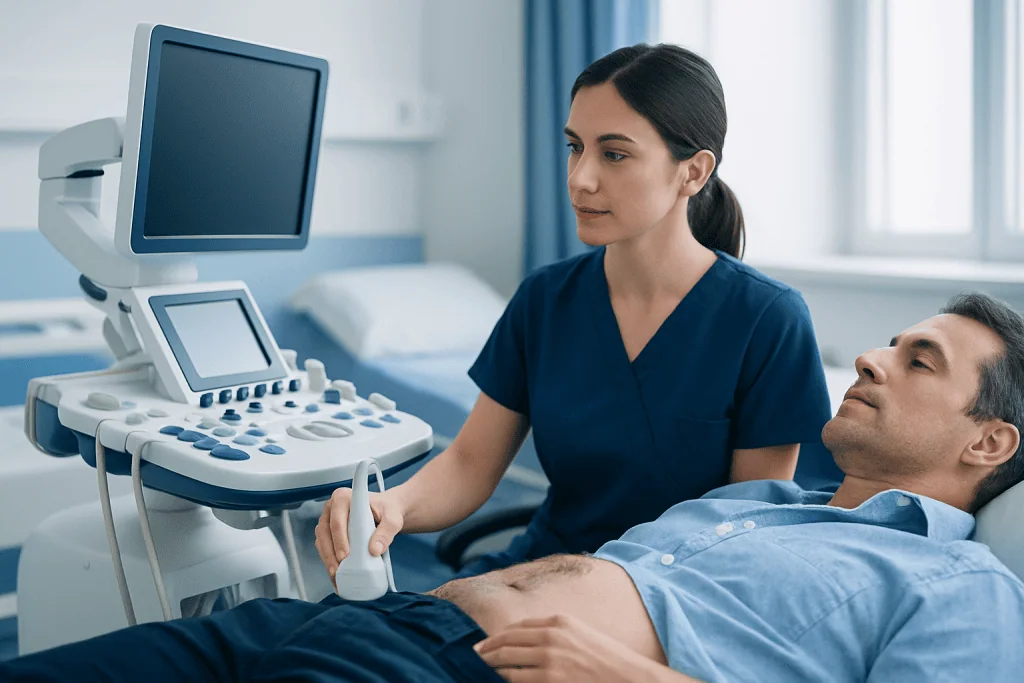
People who search for pubisa may be experiencing one or more symptoms rather than a single disorder. The pattern of symptoms often gives important clues. Pain after exercise may suggest a strain, while itching or a rash may point more toward a skin condition. A lump that becomes more noticeable when standing or coughing can suggest a hernia.
Common symptoms include:
- Pressure, aching, or tenderness over the pubic bone or groin
- A small or larger lump in the pubic or groin area
- Skin redness, bumps, itching, burning, or flaking
- Swelling after shaving, friction, or exercise
- Pain with walking, running, coughing, or changing position
- Discomfort during urination or increased urinary frequency
- Pelvic pain, genital discomfort, or pain during sexual activity
Associated features may matter just as much as the main symptom. Fever, drainage, spreading redness, nausea, constipation, difficulty urinating, or blood in the urine can all change the level of concern and may suggest a need for prompt medical assessment. In women, pubic discomfort can overlap with pelvic causes; in men, it may relate to the testes, scrotum, or prostate.
Possible causes and risk factors
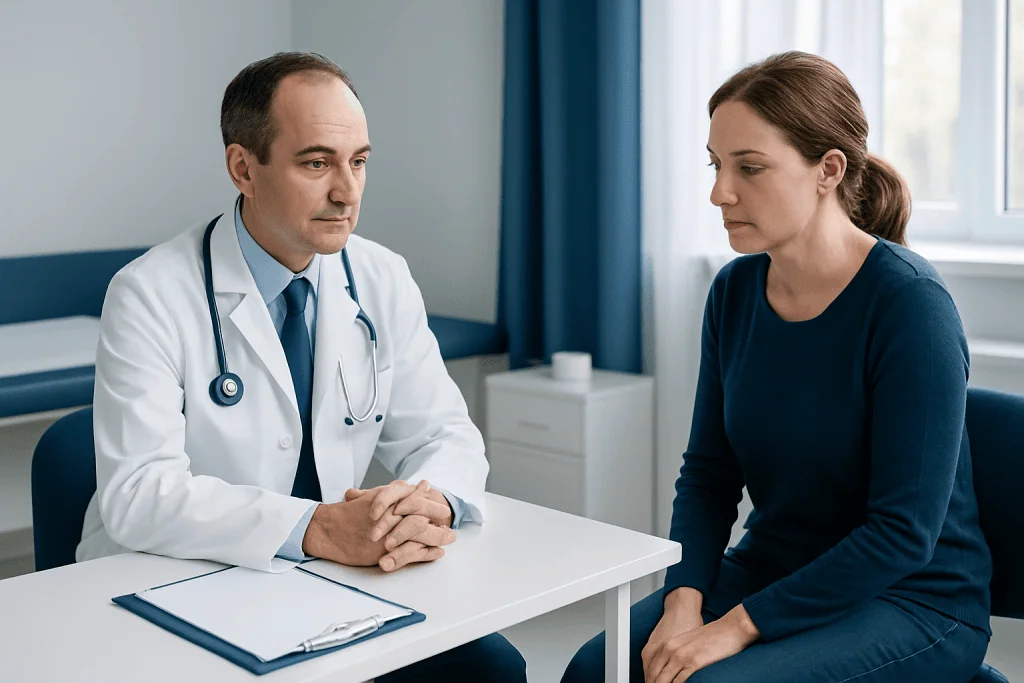
One of the most common explanations for pubic discomfort is musculoskeletal strain. This may affect the adductor muscles of the inner thigh, lower abdominal wall, or the joint at the front of the pelvis. Sports, heavy lifting, sudden twisting, pregnancy-related pelvic changes, and repetitive movement can all contribute. In some people, chronic groin pain may be related to inguinal hernia or a sports-related abdominal wall injury.
Skin and soft tissue causes are also common. These include razor bumps, ingrown hairs, folliculitis, contact dermatitis from soaps or personal products, fungal rash, cysts, and blocked glands. A localized tender bump may be an inflamed hair follicle or small abscess. Sweating, friction, tight clothing, and hair removal can increase the risk of these problems.
Urinary, gynecologic, and urologic causes should also be considered depending on the symptoms. Burning with urination may suggest a urinary tract infection. Pelvic pain in women can sometimes be related to ovarian cysts, endometriosis, or other gynecologic conditions. Men may have pain referred from the prostate or testicles. Kidney stone pain can radiate toward the groin, and persistent urinary symptoms may need further evaluation.
Less commonly, pubic-area symptoms may be linked to enlarged lymph nodes, inflammatory joint disease, bone stress injury, or infection involving deeper tissues. Risk factors include recent trauma, contact sports, obesity, chronic cough, constipation with straining, pregnancy, smoking, diabetes, poor hygiene, and unprotected sexual contact. The presence of risk factors does not confirm a diagnosis, but it helps guide evaluation.
How doctors diagnose pubisa-related symptoms
Diagnosis begins with a clear description of the symptom: where it is felt, when it started, what makes it better or worse, and whether there are skin changes, a lump, urinary symptoms, fever, or recent injury. Clinicians also ask about exercise, shaving or hair removal, sexual history when relevant, bowel habits, menstruation, pregnancy, and any previous hernia or surgery. These details often narrow the possibilities quickly.
A physical examination may include the skin, groin, abdomen, pelvis, lymph nodes, and sometimes the external genital area. The doctor may check for tenderness, warmth, swelling, muscle weakness, a reducible lump, or pain with certain movements. In cases where a hernia is suspected, the patient may be asked to stand, cough, or strain so the area can be assessed more accurately.
Tests are selected only when needed. A urine test may be used if there are urinary symptoms. Swabs or blood tests may be appropriate when an infection is suspected. Ultrasound is often helpful for lumps, soft tissue findings, or some gynecologic and urologic concerns. If the cause remains unclear or a deeper structural problem is suspected, advanced imaging such as MRI or CT scan may be recommended.
Treatment options depend on the cause
Because pubisa is not one diagnosis, treatment is tailored to the underlying problem. Minor muscle strain often improves with rest, temporary activity modification, gentle stretching, and guidance on a gradual return to exercise. Physical therapy may help if pain persists or if movement patterns are contributing to repeated strain. Supportive care can be especially useful for athletes or people whose work involves lifting or repetitive motion.
Skin problems may improve with gentle cleansing, avoiding harsh products, reducing friction, and pausing shaving until the skin settles. Depending on the cause, a doctor may recommend topical treatment for dermatitis or fungal rash, or antibiotics if there is bacterial infection. Painful, enlarging, or draining lumps should be assessed rather than squeezed at home, because this can worsen irritation or spread infection.
If a hernia is found, treatment depends on its size, symptoms, and risk of complications. Some patients are monitored, while others are advised to consider repair, including hernia surgery when appropriate. Urinary or gynecologic causes are managed according to the diagnosis, and persistent or complex cases may involve a urologist, gynecologist, dermatologist, or general surgeon. A multidisciplinary approach can be helpful when symptoms overlap several systems.
Near the end of the care pathway, patients who need specialist input may benefit from centers that coordinate imaging, surgery, and medical care in one setting. Acibadem International’s multidisciplinary specialists and JCI-accredited hospitals evaluate and treat a wide range of groin, pelvic, skin, and hernia-related conditions for international patients.
Self-care and prevention
Good self-care starts with identifying triggers. If symptoms began after exercise, reducing strain and allowing time to recover may help. If shaving or friction seems to be the cause, a temporary pause in hair removal, looser clothing, and gentle skin care can reduce irritation. Hydration, regular bowel habits, and avoiding heavy straining may also help some patients, especially when discomfort seems related to abdominal pressure.
Practical prevention strategies include:
- Warm up before sports and increase training intensity gradually
- Use proper lifting technique and avoid sudden heavy strain
- Choose breathable, non-restrictive clothing
- Use mild, fragrance-free products on sensitive skin
- Do not share razors, and replace blades regularly if shaving
- Practice safer sex and seek testing when exposure is a concern
- Maintain follow-up if there is a known hernia or recurrent groin pain
Self-care is most appropriate for mild symptoms that are clearly improving. It should not replace medical evaluation if the pain is severe, a lump is new or enlarging, fever is present, or symptoms repeatedly return. Recurrent discomfort can sometimes signal an underlying issue that needs targeted treatment rather than repeated home management.
When to seek medical care
Medical care is advisable if pubic-area symptoms last more than a few days, interfere with walking or daily activity, or keep coming back. Patients should also arrange evaluation for a new lump, unexplained swelling, persistent rash, drainage, or pain that is not improving with basic self-care. Symptoms linked to urination, pelvic pain, or sexual health also deserve professional assessment so the cause can be identified correctly.
More urgent care is important for severe or sudden pain, fever, vomiting, rapidly spreading redness, marked swelling, inability to pass urine, or a lump that becomes very tender and cannot be gently reduced. These features may suggest a more serious infection, a trapped hernia, or another problem that should not be delayed. Anyone who is pregnant, immunocompromised, or has diabetes should be especially cautious about worsening skin or soft tissue symptoms.
It is also reasonable to seek care sooner when symptoms cause worry even if they seem mild. A timely review can provide reassurance, clarify the diagnosis, and help avoid treatments that may not be appropriate. Early assessment is especially helpful when the symptom pattern is unclear or overlaps several areas of health.
Frequently asked questions
Is pubisa a real medical diagnosis?
Pubisa is not a standard diagnosis used in medical guidelines or textbooks. It is more often a search term people use when they have symptoms in the pubic or groin area and are trying to understand possible causes.
Can pubisa mean a hernia?
Sometimes it can refer to symptoms that are eventually found to be caused by a hernia, especially if there is a lump or pressure in the groin. However, not every pubic-area symptom is a hernia, so a proper examination is important.
What causes pain over the pubic bone?
Pain over the pubic bone can come from muscle strain, inflammation of the pubic joint, a hernia, urinary problems, or nearby pelvic conditions. The likely cause depends on the exact location, timing, and associated symptoms.
Can shaving or skin irritation cause pubisa symptoms?
Yes. Ingrown hairs, razor bumps, folliculitis, friction, and contact irritation from personal care products are common reasons for discomfort, redness, or bumps in the pubic area. These problems often improve with gentle skin care and avoiding further irritation.
When should a lump in the pubic area be checked by a doctor?
A new lump should be assessed if it is painful, enlarging, hard, red, draining, or associated with fever or nausea. Medical review is also important if the lump appears when standing or coughing, as this can suggest a hernia.
What tests might be needed for pubisa-related symptoms?
Some patients need only a history and examination, while others may need urine testing, blood tests, swabs, ultrasound, or other imaging. The choice depends on whether the doctor suspects a skin condition, infection, hernia, urinary issue, or deeper structural problem.
References
- World Health Organization
- Centers for Disease Control and Prevention
- National Institute of Diabetes and Digestive and Kidney Diseases
- American Academy of Dermatology
- National Health Service
This article is for general information only and is not a substitute for professional medical advice. Please consult a qualified doctor about your individual situation.
Explore treatments in Turkey — costs, top hospitals & a free quote
JCI-accredited · board-certified surgeons · reply within 24h
Add us as a Preferred Source to see more of our trusted health content across Google Search, AI Overviews and Discover.

More from the Health Library

Sertraline 25mg — Explained by Medical Evidence, Not Myths

Acacia Honey: A Complete Medical Overview

Trochlear Nerve Palsy: A Complete Medical Overview

Maladaptive: An Evidence-Based Guide for Patients

Acromegaly — Explained by Medical Evidence, Not Myths