Acromegaly — Explained by Medical Evidence, Not Myths

Acromegaly happens when growth hormone and IGF-1 levels stay too high over time. Most cases are caused by a benign pituitary gland tumor called an adenoma.
Key Takeaways
- Acromegaly happens when growth hormone and IGF-1 levels stay too high over time.
- Most cases are caused by a benign pituitary gland tumor called an adenoma.
- Symptoms often appear gradually and may include larger hands or feet, changes in facial features, headaches, and joint pain.
- Diagnosis relies on blood tests and imaging, especially MRI of the pituitary region.
- Treatment may include surgery, medicines, radiation therapy, or a combination depending on the cause and response.
- Early treatment can reduce complications and improve quality of life.
Acromegaly is a rare hormonal disorder in which the body makes too much growth hormone, most often because of a noncancerous pituitary tumor. It usually develops slowly, but once recognized, it can often be treated effectively with a combination of surgery, medication, and careful follow-up.
Overview: what acromegaly is and why it matters
Acromegaly is a long-term hormonal condition caused by too much growth hormone in adulthood. In most people, this leads to high levels of another hormone called insulin-like growth factor 1, or IGF-1, which drives many of the body changes linked to the disorder. Because the process is usually slow, people may not notice symptoms at first, and changes can develop over several years.
Unlike normal growth in childhood, acromegaly does not make adults taller because the growth plates in the bones have already closed. Instead, it often causes enlargement of the hands, feet, jaw, and soft tissues, along with effects on the heart, blood pressure, blood sugar, joints, and sleep. This is why acromegaly is more than a change in appearance; it is a whole-body medical condition that deserves proper evaluation.
Most cases are caused by a benign tumor of the pituitary gland, a small gland at the base of the brain that helps control many hormones. The tumor does not usually spread to other parts of the body, but it can produce excess growth hormone and sometimes press on nearby structures. A clear diagnosis is important because the condition is treatable, and timely care can lower the risk of complications.
Signs and symptoms of acromegaly
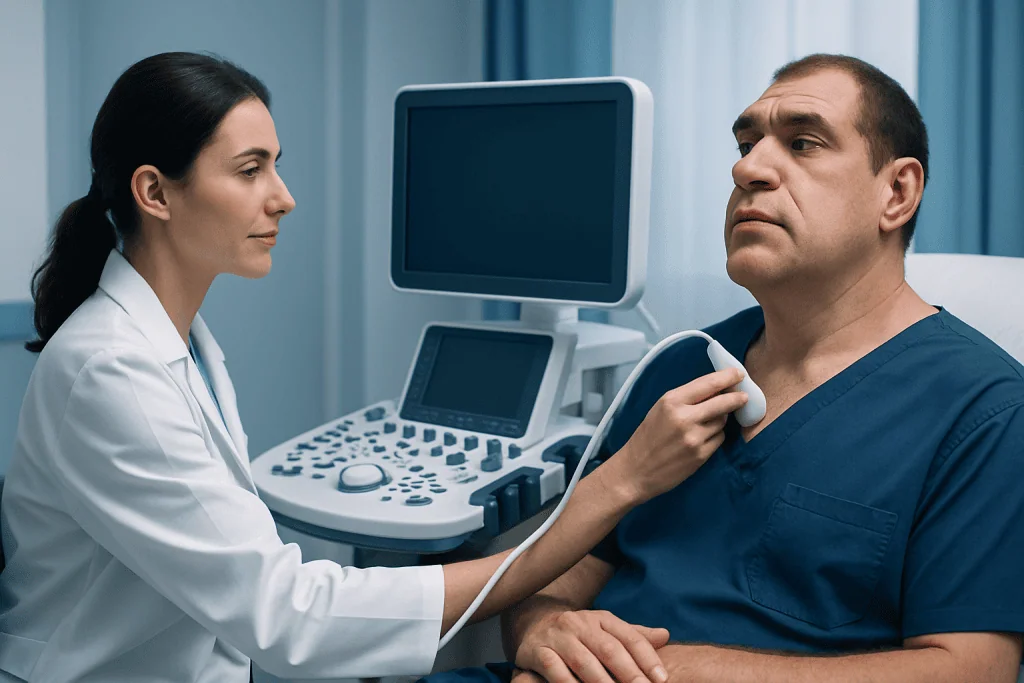
The symptoms of acromegaly often begin gradually, so they may be mistaken for normal aging or unrelated health issues. People may notice that rings no longer fit, shoe size increases, or facial features become broader over time. Family members sometimes recognize these changes earlier by comparing older and newer photographs.
Common symptoms and signs can include:
- Enlarged hands and feet
- Coarser facial features, including a larger jaw or nose
- Widening spaces between teeth
- Headaches
- Joint pain and stiffness
- Excess sweating or oily skin
- Fatigue or weakness
- Numbness or tingling in the hands, such as carpal tunnel syndrome
- Snoring or sleep apnea
- Changes in vision, especially side vision, if the pituitary tumor presses on nearby nerves
Acromegaly can also affect internal organs and metabolism. Some people develop high blood pressure, diabetes or prediabetes, heart enlargement, thyroid nodules, or menstrual and sexual health changes. Since many of these problems can also occur for other reasons, the diagnosis depends on putting symptoms, hormone testing, and imaging together rather than relying on one sign alone.
Causes and risk factors

In adults, acromegaly is most commonly caused by a pituitary adenoma, a noncancerous growth in the pituitary gland that produces too much growth hormone. The high growth hormone level then stimulates the liver and other tissues to make more IGF-1, which causes many of the physical and metabolic changes seen in the condition. This pituitary-related form is by far the most frequent cause.
Less often, acromegaly can be linked to tumors outside the pituitary gland that make growth hormone-releasing hormone or, more rarely, growth hormone itself. These cases are uncommon, but they may be considered if pituitary imaging does not fully explain the hormone findings. The exact reason why most pituitary adenomas develop is not known.
Acromegaly is usually not inherited, but some rare genetic syndromes can increase the chance of pituitary tumors. A family or personal history of endocrine tumors may prompt a doctor to consider a broader evaluation. People looking for information on related pituitary conditions may also encounter pituitary adenoma as a common underlying diagnosis in acromegaly.
How acromegaly is diagnosed
Diagnosis begins with a careful review of symptoms, medical history, and physical changes over time. Because acromegaly develops slowly, doctors may ask about changes in shoe or ring size, past photographs, headaches, snoring, joint pain, or menstrual and sexual health. The next step is usually blood testing to check hormone levels.
The main screening test is an IGF-1 blood test because IGF-1 tends to stay more stable during the day than growth hormone. If IGF-1 is elevated, doctors may confirm the diagnosis with additional testing, often including a glucose suppression test to see whether growth hormone falls as expected. These tests help distinguish true hormone excess from normal variation.
If blood tests support the diagnosis, imaging is usually done to look for the cause. Magnetic resonance imaging, or MRI, is the standard way to examine the pituitary gland and identify a tumor. Depending on symptoms and findings, doctors may also evaluate vision, heart health, sleep apnea, blood sugar, and other hormone levels, since acromegaly can affect several body systems.
Treatment options and long-term management
The main goals of treatment are to lower growth hormone and IGF-1 to safer levels, treat or remove the cause, relieve pressure effects such as headaches or vision problems, and reduce long-term complications. Treatment is individualized based on the size and location of the tumor, hormone levels, symptoms, age, and overall health. Many people need care from more than one specialist, including endocrinologists, neurosurgeons, radiologists, and eye doctors.
Surgery is often the first treatment when a pituitary adenoma can be safely removed. The most common approach is minimally invasive surgery through the nose, often referred to as pituitary tumor surgery. When surgery does not fully control hormone levels, or when surgery is not the best option, medicines may be used to reduce growth hormone production, block its effects, or shrink the tumor.
Radiation therapy can be considered if hormone levels remain high after surgery and medication, or if a tumor cannot be fully removed. Some patients may need a combination of therapies over time. Follow-up is essential because hormone levels need to be monitored, pituitary function may change, and additional support may be needed for issues such as Gamma Knife radiosurgery, endocrinology care, or management of associated conditions like sleep apnea.
With proper treatment and regular monitoring, many people can achieve good hormone control and meaningful improvement in symptoms. Some physical changes, especially soft tissue swelling, may improve after treatment, while bony changes may be less reversible. This is one reason early diagnosis matters.
Possible complications if acromegaly is untreated
When acromegaly is not treated, excess growth hormone can gradually affect many organs and body systems. The condition may increase the risk of high blood pressure, insulin resistance, diabetes, heart enlargement, abnormal heart rhythm, and sleep-disordered breathing. Joint damage and chronic pain may also become more significant over time.
A growing pituitary tumor can sometimes press on nearby tissues, especially the optic nerves, which may lead to headaches or vision loss. Hormone imbalance can also interfere with normal pituitary function, affecting the thyroid, adrenal glands, reproductive hormones, and overall energy. These effects vary from person to person, but they help explain why acromegaly needs more than cosmetic attention.
Not every patient develops the same complications, and many risks can be lowered with effective treatment and follow-up. Doctors often monitor blood pressure, glucose, heart health, vision, and pituitary hormones over time. This whole-person approach helps address the broader impact of the disorder.
Living with acromegaly: self-care and follow-up
Self-care does not replace medical treatment, but it can support overall health. People with acromegaly may benefit from keeping regular follow-up appointments, taking medications exactly as prescribed, and reporting any changes in vision, headaches, sleep, swelling, or blood sugar control. Tracking symptoms over time can help doctors adjust treatment more effectively.
General lifestyle measures can also be helpful, especially if acromegaly has contributed to high blood pressure, diabetes risk, or sleep problems. These include balanced nutrition, regular physical activity suited to joint comfort, good sleep habits, and smoking cessation if relevant. Any new exercise or diet plan should be discussed with a doctor when significant heart, joint, or metabolic issues are present.
Living with a rare condition can also create practical and emotional stress. It may help to ask for clear explanations of test results, treatment goals, and expected follow-up. Near the end of the care journey or if more complex treatment is needed, multidisciplinary evaluation can be valuable; Acibadem International’s JCI-accredited hospitals care for international patients with endocrine and pituitary conditions through coordinated specialist teams.
When to seek medical care
Medical attention is appropriate if a person notices gradual enlargement of the hands or feet, changing facial features, persistent headaches, excessive sweating, joint pain, or snoring with daytime sleepiness. These symptoms do not always mean acromegaly, but they do justify evaluation, especially when several occur together or progress over time.
Prompt medical review is especially important if there are vision changes, severe or worsening headaches, signs of uncontrolled blood sugar, or symptoms suggesting pressure from a pituitary mass. Early assessment can lead to earlier diagnosis and a better chance of preventing complications.
Anyone already diagnosed with acromegaly should stay in regular contact with their care team and seek advice if symptoms return or new hormone-related problems appear. Because treatment response can change over time, ongoing monitoring is a normal part of care rather than a sign that treatment has failed.
Frequently asked questions
Is acromegaly the same as gigantism?
No. Both involve excess growth hormone, but gigantism happens before the growth plates in the bones close, usually in childhood, so it causes increased height. Acromegaly happens in adulthood and typically causes enlargement of the hands, feet, facial bones, and soft tissues instead.
Is acromegaly cancer?
Acromegaly itself is not cancer. In most cases, it is caused by a benign pituitary adenoma, which means a noncancerous tumor. Even so, it can still cause important health problems because of hormone excess and pressure on nearby structures.
Can acromegaly be cured?
Some people can achieve remission, especially when the underlying pituitary tumor is fully removed and hormone levels return to normal. Others need ongoing medication or additional treatment to keep the condition controlled. Long-term follow-up is important in either case.
What doctor treats acromegaly?
An endocrinologist usually leads care because acromegaly is a hormone disorder. Depending on the cause and symptoms, treatment may also involve a neurosurgeon, radiologist, ophthalmologist, sleep specialist, and other professionals. Multidisciplinary care is often the most effective approach.
How long does it take to diagnose acromegaly?
Diagnosis can take time because symptoms often appear slowly and may overlap with more common conditions. Once acromegaly is suspected, blood tests and pituitary imaging can usually clarify the diagnosis. Earlier recognition often leads to earlier treatment and fewer complications.
Can symptoms improve after treatment?
Yes, many symptoms can improve after hormone levels are controlled. Soft tissue swelling, sweating, headaches, and some metabolic problems may get better, while bone changes may improve less completely. The degree of improvement often depends on how long the condition was present before treatment.
References
- National Institute of Diabetes and Digestive and Kidney Diseases
- Endocrine Society
- National Organization for Rare Disorders
- American Association of Clinical Endocrinology
- Pituitary Society
This article is for general information only and is not a substitute for professional medical advice. Please consult a qualified doctor about your individual situation.
Acromegaly in Turkey — costs, top hospitals & a free quote
JCI-accredited · board-certified surgeons · reply within 24h
Add us as a Preferred Source to see more of our trusted health content across Google Search, AI Overviews and Discover.
Check your numbers in seconds
BMI, calories, due date, blood pressure and 30+ more clinical calculators — free, instant, doctor-reviewed ranges.

Neurology
Diagnosis and treatment of disorders of the brain, spinal cord, nerves and muscles.
51 specialists in this unit