Puerperal Fever — Explained by Medical Evidence, Not Myths

Puerperal fever refers to infection-related fever during the period after childbirth. Postpartum endometritis, an infection of the uterine lining, is a common cause.
Key Takeaways
- Puerperal fever refers to infection-related fever during the period after childbirth.
- Postpartum endometritis, an infection of the uterine lining, is a common cause.
- Risk is higher after cesarean birth, prolonged labor, prolonged rupture of membranes, or retained placental tissue.
- Evaluation focuses on finding the infection source and starting appropriate antibiotics without unnecessary delay.
- Heavy bleeding, severe pain, confusion, breathing difficulty, or feeling very unwell requires urgent medical care.
Puerperal fever is fever caused by an infection developing after childbirth, most often in the uterus but sometimes in a cesarean incision, urinary tract, breast, or another site. It is treatable, but fever or feeling unwell after delivery should be assessed promptly because early treatment helps prevent serious complications.
What Is Puerperal Fever?
Puerperal fever is a term for fever due to infection in the days or weeks after childbirth, a period also called the puerperium or postpartum period. In modern care, clinicians may use terms such as postpartum infection or postpartum sepsis depending on the cause and severity. It is not simply a normal part of recovery and should be evaluated by a healthcare professional.
Traditionally, puerperal fever was defined as a temperature of 38°C (100.4°F) or higher on two occasions after the first 24 hours following birth. In practice, one significant fever, particularly when accompanied by pelvic pain, foul-smelling discharge, chills, wound changes, or a rapid heartbeat, may need assessment. A brief low-grade temperature in the first day after delivery can occur for non-infectious reasons, but persistent or recurrent fever should not be dismissed.
The most common cause is postpartum endometritis, an infection of the lining of the uterus. Bacteria that normally live in the vagina, skin, bowel, or urinary tract can enter tissues during labor, delivery, surgery, or procedures involving the uterus. With timely diagnosis and treatment, most people recover well.
How Puerperal Fever May Feel: Symptoms and Warning Signs
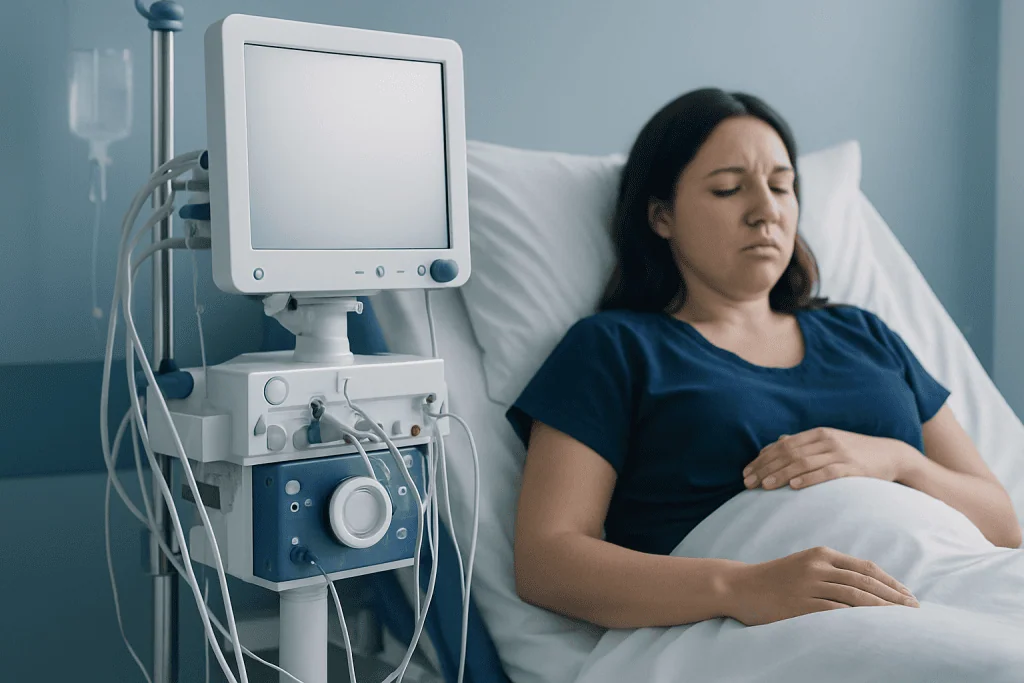
Symptoms vary according to the site of infection and can begin shortly after birth or later in the postpartum period. Fever and chills are common, but not every person develops the same symptoms. Some may mainly notice increasing lower abdominal pain, unusual tiredness, or a sense that recovery is worsening rather than gradually improving.
When the uterus is affected, there may be uterine tenderness, cramping or pelvic pain, and lochia (postpartum vaginal discharge) that is unusually foul-smelling. Normal lochia changes in color and amount over time, but a bad odor, renewed heavy bleeding, or pain that becomes more intense should be discussed with a clinician. Fever may also occur with breast infection, a urinary tract infection, or infection of a vaginal tear or cesarean wound.
- Temperature of 38°C (100.4°F) or above, especially if it persists or returns
- Chills, shaking, marked weakness, or flu-like symptoms
- Increasing pelvic, lower abdominal, or uterine pain
- Foul-smelling vaginal discharge or unexpectedly heavy bleeding
- Redness, warmth, swelling, drainage, or opening of a surgical or perineal wound
- Burning with urination, flank pain, breast redness, or painful breast swelling
Symptoms can sometimes progress quickly. A person who feels faint, confused, short of breath, has severe pain, develops a racing heartbeat, or appears seriously unwell needs urgent medical assessment. These features may indicate a more widespread infection and should not be managed with home remedies alone.
Causes and Factors That Increase Risk

Postpartum infections are usually caused by more than one type of bacteria. During childbirth, bacteria can move from the vagina or nearby skin into the uterus or a wound. Endometritis is more frequent after cesarean birth than after vaginal birth because surgery creates an incision in the uterus and abdominal wall. However, infection can occur after either type of delivery.
Other possible sources include an infected cesarean incision or episiotomy, a urinary tract infection related to catheter use, mastitis during breastfeeding, or infection associated with retained placental tissue. Less commonly, an infection can involve deeper pelvic tissues, an abscess, or a blood clot associated with infection in pelvic veins. These causes require specialist assessment.
Risk may be increased by prolonged labor, membranes being ruptured for a long time before birth, many vaginal examinations during labor, postpartum hemorrhage, retained products of conception, or an assisted delivery. Diabetes, anemia, immune suppression, obesity, and a prior infection can also influence risk. Having one or more risk factors does not mean that infection will occur; it helps the maternity team decide when closer monitoring or preventive measures are appropriate.
How Clinicians Diagnose Postpartum Infection
Diagnosis starts with a careful review of symptoms, the pregnancy and delivery, and any procedures performed during labor or birth. A clinician checks temperature, pulse, blood pressure, breathing, hydration, and general appearance. They may examine the abdomen and uterus, inspect a cesarean or perineal wound, and ask about bleeding, discharge, breast symptoms, and urinary symptoms.
Blood tests may help identify signs of infection or anemia, although results must be interpreted in the context of normal postpartum body changes. Depending on symptoms, clinicians may test urine, take cultures from a wound or discharge, or obtain blood cultures when there are signs of significant illness. Cultures can help guide antibiotic choices, but treatment may begin before results are available when infection is suspected.
An ultrasound may be used if retained placental tissue, a collection of blood or pus, or another uterine problem is suspected. Other imaging may be considered for persistent fever, severe pain, suspected abscess, or concern about a clot in the pelvic veins. Fever after childbirth is not always due to uterine infection; clinicians also consider breast infection, respiratory illness, medication reactions, blood clots, and other causes.
Treatment: Antibiotics, Monitoring, and Source Control
Treatment depends on the suspected source, the severity of illness, allergies, culture results, and whether the person is recovering at home or in hospital. For suspected endometritis or serious postpartum infection, clinicians commonly use broad-spectrum antibiotics that cover the range of bacteria likely to be involved. Intravenous antibiotics may be recommended when fever is high, symptoms are significant, or hospital monitoring is needed.
Many people begin to improve within a short period after appropriate antibiotics are started, but the treatment plan should be completed or adjusted exactly as directed by the treating team. If symptoms do not improve as expected, clinicians reassess for an antibiotic-resistant organism, retained placental tissue, an abscess, wound infection, urinary infection, or another diagnosis. Fever that continues despite treatment is a reason for further investigation, not for simply extending medication without review.
Some infections need more than antibiotics. Retained tissue may require a procedure to remove it, a wound may need drainage and careful wound care, and an abscess may need drainage by a specialist. Pain relief, fluids, rest, and support with feeding and newborn care are also important parts of recovery. Many commonly used antibiotics are compatible with breastfeeding, but each medicine should be reviewed individually with a clinician or pharmacist.
Acibadem International’s multidisciplinary specialists and JCI-accredited hospitals can assess and treat postpartum infections for international patients, with care tailored to the delivery history, symptoms, and clinical findings.
Prevention and Safe Postpartum Self-Care
Not every postpartum infection can be prevented, and developing one is not a sign that a person has done something wrong. Hospitals use evidence-based measures to reduce risk, including sterile surgical techniques and preventive antibiotics before cesarean birth. During labor, maternity teams also aim to limit invasive procedures when they are not needed and to identify concerns such as prolonged rupture of membranes promptly.
After discharge, basic hygiene and awareness of changing symptoms are helpful. Hands should be washed before and after changing pads, caring for a wound, or breastfeeding. Perineal pads should be changed regularly, and the area should be cleaned gently as advised by the maternity team. A cesarean incision should be kept clean and dry according to discharge instructions; new drainage, spreading redness, or separation of the wound should be reported.
Rest, adequate fluids, regular meals, and taking prescribed medications as directed support recovery. It is best to attend scheduled postnatal appointments and contact the maternity team if pain, bleeding, discharge, urinary symptoms, or wound appearance is becoming worse. Herbal preparations, leftover antibiotics, or vaginal products should not be used to treat a suspected infection without medical advice, as they may delay effective care or irritate healing tissue.
When to Seek Medical Care
A person should contact their obstetrician, midwife, maternity unit, or another qualified clinician the same day if they have a fever of 38°C (100.4°F) or above after childbirth, recurrent fever, chills, foul-smelling discharge, increasing abdominal pain, painful urination, breast redness with fever, or concerning changes to a wound. It is useful to mention the date and type of delivery, any cesarean section or tear repair, current medications, and the highest measured temperature.
Urgent or emergency care is needed for severe abdominal or pelvic pain, heavy vaginal bleeding, fainting, confusion, trouble breathing, chest pain, blue or gray lips, a very rapid heartbeat, inability to keep fluids down, or a feeling of being severely unwell. These symptoms can have several causes, including serious infection, and should be assessed without delay.
People who are unsure whether a symptom is part of normal recovery should seek advice rather than wait. Postpartum recovery is individual, but it should generally move toward gradual improvement. Prompt assessment offers reassurance when symptoms are benign and enables early treatment when an infection is present.
Frequently asked questions
Is puerperal fever the same as postpartum endometritis?
Not exactly. Puerperal fever is a broader term for infection-related fever after childbirth, while postpartum endometritis specifically means infection of the uterine lining. Endometritis is one of the most common causes of puerperal fever.
How soon after delivery can puerperal fever occur?
It can develop within the first few days after delivery, but postpartum infections can also appear later during the weeks after birth. Timing may offer clues about the cause, but any significant fever during postpartum recovery deserves clinical advice.
Can puerperal fever occur after a vaginal delivery?
Yes. Although the risk of uterine infection is generally higher after cesarean birth, puerperal fever can occur after vaginal delivery. Possible sources include uterine infection, an infected tear repair, urinary tract infection, or breast infection.
Can someone breastfeed while being treated for puerperal fever?
In many cases, breastfeeding can continue during treatment, including with many antibiotics. The decision depends on the person's condition, the infection source, and the specific medicine prescribed. A treating clinician or pharmacist can confirm what is appropriate.
Will puerperal fever go away without antibiotics?
A confirmed or strongly suspected bacterial postpartum infection usually requires medical assessment and antibiotics. Waiting to see whether fever resolves can allow an infection to worsen. A clinician should determine the cause of fever and the right treatment.
Is a fever after childbirth always caused by infection?
No. Fever may occasionally have a non-infectious explanation, particularly shortly after delivery, but infection must be considered carefully. Because postpartum infections can become serious, persistent, recurrent, or high fever should be evaluated promptly.
This article is for general information only and is not a substitute for professional medical advice. Please consult a qualified doctor about your individual situation.
Explore treatments in Turkey — costs, top hospitals & a free quote
JCI-accredited · board-certified surgeons · reply within 24h
Add us as a Preferred Source to see more of our trusted health content across Google Search, AI Overviews and Discover.
Check your numbers in seconds
BMI, calories, due date, blood pressure and 30+ more clinical calculators — free, instant, doctor-reviewed ranges.

More from the Health Library

75 Hard: What Patients Need to Know

Kava Benefits: What Patients Need to Know

Testosterone Cypionate: A Complete Medical Overview

Erectile Dysfunction: What Patients Need to Know

Sickle Cell Crisis — Explained by Medical Evidence, Not Myths

Accessory Nerve Function in Neck and Shoulder Movement
Infectious Diseases & Clinical Microbiology Specialists at Acibadem

Prof. Dr. A. Çağrı Büke
Infectious Diseases & Clinical Microbiology
Dr. Ahmad Nejat Ghaffarı
Infectious Diseases & Clinical Microbiology
Assoc. Prof. Dr. Aslıhan Demirel
Infectious Diseases & Clinical Microbiology
Dr. Aytan Seydalıyeva
Infectious Diseases & Clinical Microbiology