Pulled Neck Treatment: How It Works, Results and What to Expect

A pulled neck usually refers to a neck muscle or ligament strain caused by sudden movement, awkward posture or overuse. Early treatment commonly includes relative rest, gentle motion, cold or heat and appropriate pain relief.
Key Takeaways
- A pulled neck usually refers to a neck muscle or ligament strain caused by sudden movement, awkward posture or overuse.
- Early treatment commonly includes relative rest, gentle motion, cold or heat and appropriate pain relief.
- Most people improve noticeably within several days and recover over a few weeks, although recovery varies with injury severity.
- Medical care is important after significant trauma or when pain is accompanied by weakness, numbness, severe headache, fever or balance problems.
- Physical therapy, imaging or specialist care may be recommended when symptoms do not improve as expected.
Pulled neck treatment focuses on easing pain, restoring comfortable movement and allowing strained muscles and soft tissues to heal. Most uncomplicated neck strains improve with conservative care, while severe, persistent or nerve-related symptoms need medical assessment.
Pulled Neck Treatment: How It Works
Pulled neck treatment is usually non-surgical and aims to reduce pain, protect irritated tissues and gradually restore normal neck movement. A “pulled neck” commonly describes a strain of the muscles or ligaments that support the cervical spine. It may occur after sleeping in an awkward position, turning suddenly, working at a screen for prolonged periods, lifting, sport or a minor collision.
In the first days, treatment often combines relative rest with short periods of gentle movement. Cold packs may be useful soon after a sudden injury when swelling or soreness is prominent; heat may later help relax muscle spasm and stiffness. A clinician or pharmacist can advise whether an over-the-counter pain medicine is suitable, taking account of a person’s other health conditions and medications.
The goal is not complete immobility. Avoiding all movement for too long can increase stiffness and delay return to usual activities. Instead, people are generally encouraged to stay comfortably active, avoid movements that sharply worsen pain and return gradually to work, exercise and driving when they can move their neck safely.
Symptoms, Causes and Candidacy for Conservative Care
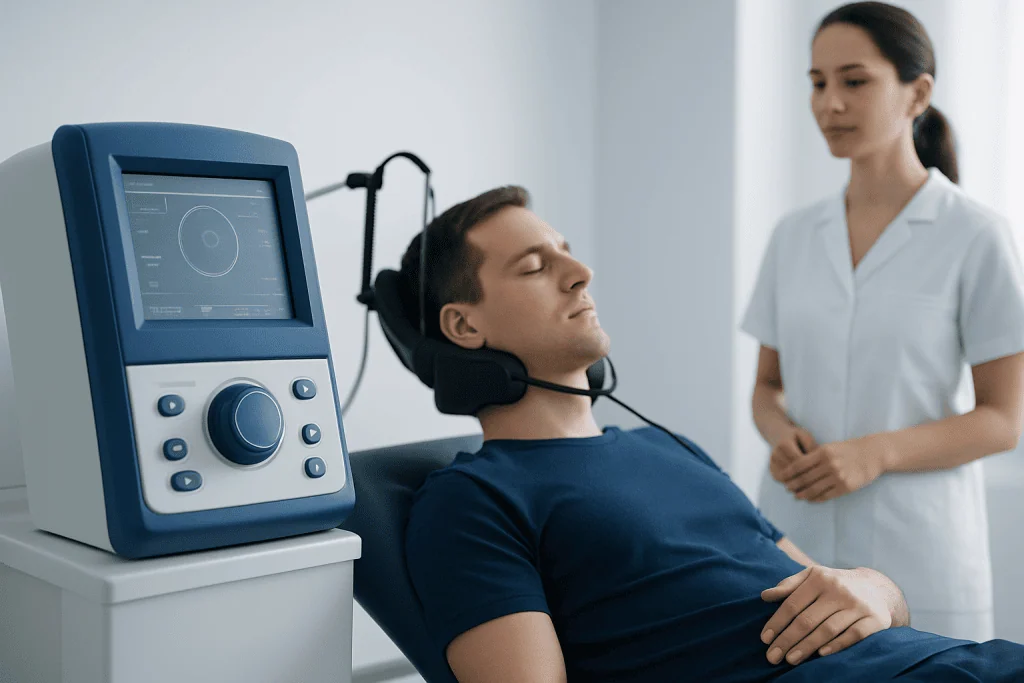
Typical symptoms include local neck pain, stiffness, tenderness, muscle tightness and reduced ability to turn or bend the head. Pain may spread into the upper shoulder or between the shoulder blades. Headaches can also occur when neck muscles are tense, but a new severe headache or headache after injury should be assessed promptly.
Conservative pulled neck treatment is often appropriate when symptoms began after a minor strain, there is no serious trauma and there are no warning signs of nerve or spinal cord involvement. People with uncomplicated strains can usually begin with activity modification, simple comfort measures and gradual exercises.
Symptoms such as pain traveling down an arm, tingling, numbness or weakness may indicate irritation of a cervical nerve and deserve medical evaluation. These symptoms can occur with conditions other than a simple muscle strain, including cervical disc herniation, so an accurate diagnosis is important before pursuing more intensive treatment.
Risk factors for neck strain include poor workstation ergonomics, repetitive movements, low physical conditioning, stress-related muscle tension, previous neck injury and sudden acceleration-deceleration forces. Improving these contributors can lower the chance of repeated episodes.
What Do Doctors Do for a Pulled Neck Muscle?
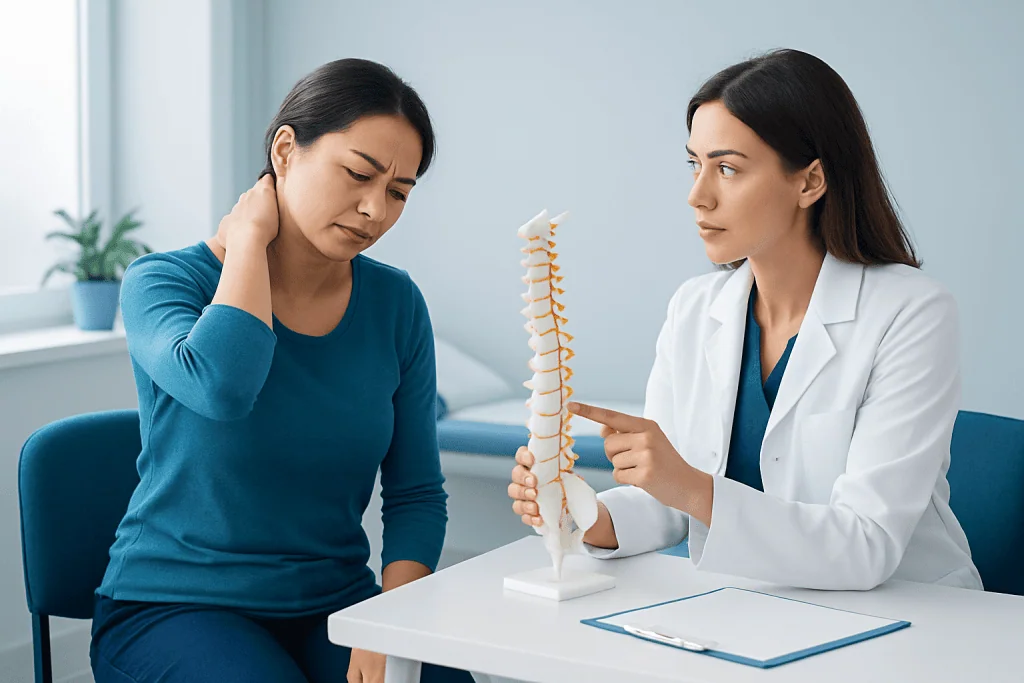
Doctors begin by asking how the pain started, where it is felt, whether it travels into an arm and whether there are associated symptoms such as weakness, numbness, fever, dizziness or headache. They examine neck movement, areas of tenderness, arm strength, sensation, reflexes and, when needed, balance and coordination.
Imaging is not routinely necessary for a straightforward recent neck strain. X-rays, CT scans or MRI may be considered after significant trauma, when a fracture or structural problem is suspected, or when neurological symptoms persist or worsen. Blood tests may be used only when infection, inflammation or another medical cause is a concern.
Depending on the findings, a doctor may recommend short-term medication for pain or muscle spasm, a structured home exercise plan, or referral to physical therapy. Physical therapists can guide posture changes, range-of-motion work, strengthening and safe return to activities. For persistent or complex spine-related symptoms, a clinician may discuss physical therapy and rehabilitation as part of an individualized plan.
Neck collars are not routinely used for simple strains because prolonged use may contribute to stiffness and muscle weakness. They may occasionally be advised for a brief, specific reason after assessment, but should not be self-prescribed for ongoing use.
Step-by-Step Treatment Plan and Recovery Timeline
During the first 24 to 72 hours, a person can reduce aggravating activity while continuing gentle, comfortable movement. A cold or warm compress may be applied with a cloth barrier to protect the skin. Sleeping with the neck supported in a neutral position and avoiding prolonged phone, laptop or driving positions can also make symptoms more manageable.
As sharp pain settles, gradual recovery involves turning the head gently from side to side, looking up and down within a comfortable range, and returning to everyday tasks in small increments. Stretching should feel mild rather than forceful. If an exercise causes sharp pain, arm symptoms, dizziness or worsening discomfort that does not settle, it should be stopped and discussed with a clinician.
Many mild strains begin to feel better within a few days and recover substantially within one to two weeks. Moderate strains may take several weeks, particularly when muscle spasm, poor sleep or repetitive work demands are present. More severe injuries, whiplash-related symptoms or pain involving a nerve can require a longer, supervised recovery plan.
Follow-up is appropriate if progress stalls, pain remains significant beyond a few weeks or symptoms recur frequently. Acibadem International’s multidisciplinary specialists and JCI-accredited hospitals can assess neck pain and coordinate rehabilitation or spine care for international patients when clinically appropriate.
How Long Does It Take for a Pulled Neck to Stop Hurting?
A mild pulled neck often starts improving within two to three days, with most pain settling over one to two weeks. The exact timeline depends on how much tissue was strained, the person’s usual activity demands, sleep quality, previous injuries and whether neck movement can be gradually maintained.
Some tenderness and stiffness can last longer than the initial sharp pain. This does not always mean that damage is worsening; muscles commonly remain guarded while they recover. However, pain that is not improving, is getting worse, repeatedly wakes someone from sleep or continues beyond several weeks should be reviewed by a qualified doctor.
Recovery can take longer after a vehicle collision or another forceful injury. People should not return to contact sports, heavy lifting or tasks requiring full neck rotation, such as certain driving duties, until their movement and function have returned safely.
What Is the Fastest Way to Heal a Pulled Neck Muscle?
The fastest safe approach is usually early, gentle activity rather than prolonged bed rest, combined with avoiding the movement or posture that caused the flare-up. Cold or heat can be chosen based on which provides more comfort, and appropriate pain control may help a person sleep and move normally enough to recover.
Good ergonomics are important. The screen should be near eye level, the back supported, and the shoulders relaxed rather than lifted. Taking regular short movement breaks is generally more helpful than holding one “perfect” posture for hours. A supportive pillow and a sleeping position that keeps the neck reasonably aligned may also reduce morning stiffness.
Massage, manual therapy or supervised exercises may help selected people, but they should complement—not replace—an assessment when symptoms are severe or persistent. Forceful neck manipulation is not suitable for everyone and should only be considered after evaluation by a properly qualified healthcare professional.
There is no reliable shortcut that heals a strained muscle overnight. Consistent, gradual recovery habits and timely medical guidance are safer than trying to push through severe pain or using aggressive stretching.
What Are the Stages of a Neck Strain?
A neck strain is often described in practical stages rather than by a single fixed timetable. The acute stage is the first few days, when pain, inflammation, spasm and reduced movement may be most noticeable. The priority is symptom relief, protection from further aggravation and gentle movement as tolerated.
During the subacute stage, discomfort begins to decrease and movement can be increased gradually. This is often the time to focus on restoring range of motion, improving posture and reintroducing normal daily activities. A physical therapist may add targeted exercises if stiffness or weakness is limiting recovery.
The remodeling or return-to-function stage can last for weeks after pain has mostly improved. Healing fibers adapt to normal load, and strengthening the neck, shoulder and upper-back muscles can help restore confidence and reduce recurrence. Returning too quickly to heavy exercise or repetitive work may trigger symptoms again, so progression should be paced.
The severity of a strain also matters. A mild strain causes soreness with little loss of function, while a more substantial injury may produce greater pain, spasm and limitation. A clinician can help distinguish a strain from other neck conditions when symptoms do not follow the expected recovery pattern.
When to Seek Medical Care
Urgent medical assessment is needed after a major fall, vehicle collision, sports impact or other significant neck trauma, especially if neck pain is severe or the head cannot be moved normally. Emergency care is also important for new arm or leg weakness, numbness, loss of coordination, difficulty walking, loss of bladder or bowel control, fainting or severe dizziness.
A person should seek prompt medical advice for neck pain with fever, unexplained weight loss, a rash, severe or unusual headache, confusion, trouble speaking, vision changes, chest pain or shortness of breath. These symptoms are not typical features of a simple pulled neck and need assessment.
For non-urgent symptoms, arrange a medical review if pain does not begin to improve after several days of self-care, persists beyond a few weeks, repeatedly returns or prevents normal work, sleep or daily activities. A tailored assessment can identify whether rehabilitation, medication adjustment or further investigation is needed.
Frequently asked questions
Can a pulled neck cause shoulder pain?
Yes. Neck muscles attach around the shoulders and upper back, so a strain can cause pain or tightness in these areas. Pain that travels below the shoulder into the arm, particularly with tingling or weakness, should be assessed because it may involve a nerve.
Should heat or ice be used for a pulled neck?
Either may be helpful depending on the timing and symptoms. Cold is often preferred soon after a sudden injury, while heat may ease later stiffness and muscle spasm. A cloth barrier should be used to protect the skin, and applications should be limited to short, comfortable periods.
Is it safe to exercise with a pulled neck?
Gentle movement is usually helpful, but painful or forceful exercise should be avoided initially. Walking and easy neck motion within a comfortable range are commonly suitable. A clinician or physical therapist can advise on exercises if pain is significant, persistent or associated with arm symptoms.
Can sleeping wrong cause a pulled neck?
Yes. Sleeping in a position that leaves the neck twisted or unsupported can irritate neck muscles and lead to stiffness on waking. A pillow that supports the neck in a neutral position may reduce this risk, although no single pillow type is right for everyone.
When can someone drive after a pulled neck?
Driving should wait until the person can turn their head comfortably enough to check mirrors and blind spots, can react safely and is not impaired by pain or medication. If there is any doubt, medical advice is sensible. Returning gradually may be appropriate after symptoms improve.
Does a pulled neck need an MRI?
Most uncomplicated neck strains do not need MRI scanning. MRI may be considered when there has been significant trauma, neurological symptoms, suspected nerve compression or pain that fails to improve as expected. The decision is based on the medical history and examination.
References
- American Academy of Orthopaedic Surgeons
- National Institute of Neurological Disorders and Stroke
- National Health Service
- Mayo Clinic
This article is for general information only and is not a substitute for professional medical advice. Please consult a qualified doctor about your individual situation.
Joint and spine care in Turkey — expert assessment & treatment
JCI-accredited · board-certified surgeons · reply within 24h
Add us as a Preferred Source to see more of our trusted health content across Google Search, AI Overviews and Discover.