Pulmonary Fibrosis: Dry Cough, Breathlessness, and How It Progresses

Pulmonary fibrosis causes progressive scarring of lung tissue, which reduces oxygen transfer. A dry cough and increasing breathlessness are among the most common early symptoms.
Key Takeaways
- Pulmonary fibrosis causes progressive scarring of lung tissue, which reduces oxygen transfer.
- A dry cough and increasing breathlessness are among the most common early symptoms.
- Some cases have a known cause, such as environmental exposure, autoimmune disease, medication effects, or prior radiation, while others are idiopathic.
- Diagnosis often involves a medical history, breathing tests, blood tests, and imaging such as high-resolution CT scans.
- Treatment focuses on slowing progression, easing symptoms, maintaining activity, and treating underlying causes when possible.
- Early specialist evaluation can help guide treatment and support long-term lung health.
Pulmonary fibrosis is a condition in which scar tissue builds up in the lungs, making breathing harder over time. Common signs include a persistent dry cough and shortness of breath, especially during activity.
Overview
Pulmonary fibrosis is a chronic lung condition that causes scarring, also called fibrosis, in the tissue of the lungs. Over time, this scarring makes the lungs stiffer and less able to move oxygen into the bloodstream efficiently. As a result, everyday activities such as walking, climbing stairs, or even talking for long periods may become more difficult.
The condition belongs to a broader group of disorders known as interstitial lung diseases. In some people, pulmonary fibrosis develops slowly over years, while in others it may progress more quickly. The pattern can vary from person to person, which is why careful follow-up is important.
Many people first notice a dry cough or breathlessness during exertion. These symptoms are common in several lung and heart conditions, so pulmonary fibrosis can sometimes be mistaken for asthma, chronic bronchitis, aging-related loss of fitness, or other respiratory problems. A thorough assessment helps clarify the cause.
Although pulmonary fibrosis is a serious condition, modern care can help manage symptoms, support daily function, and in some cases slow disease progression. A patient-centered plan often includes medicines, pulmonary rehabilitation, oxygen support when needed, and monitoring by lung specialists.
Symptoms
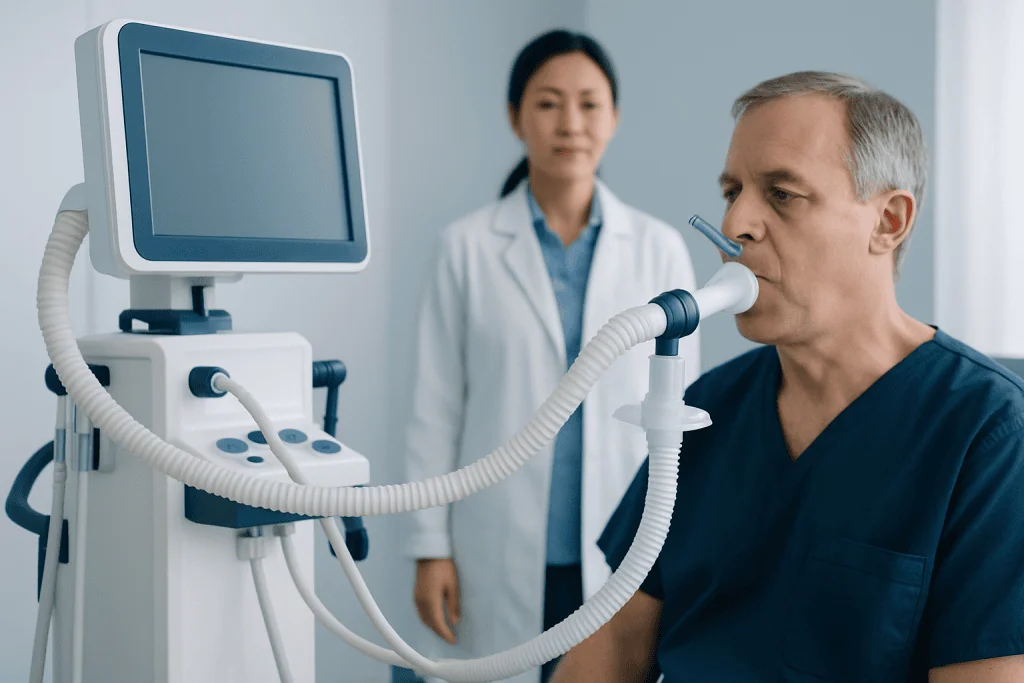
The most common symptoms of pulmonary fibrosis are a persistent dry cough and shortness of breath. In the early stages, breathlessness may appear only during exercise or physical activity. As the disease progresses, some people notice symptoms during simple daily tasks or even while resting.
Other symptoms may develop gradually and can be easy to overlook at first. Fatigue is common because the body has to work harder to breathe and may receive less oxygen than it needs. Some people also experience chest discomfort, reduced exercise tolerance, or unexplained weight loss.
Signs and symptoms can include:
- Dry, ongoing cough
- Shortness of breath, especially with activity
- Tiredness or reduced stamina
- Fast, shallow breathing
- Loss of appetite or unintended weight loss
- Clubbing, a widening and rounding of the fingertips in some cases
Symptoms do not always reflect the exact amount of scarring seen on imaging. Some people have relatively mild symptoms early on, while others are more affected. Any persistent cough or increasing breathlessness deserves medical attention, especially if symptoms are new or worsening.
Causes and Risk Factors
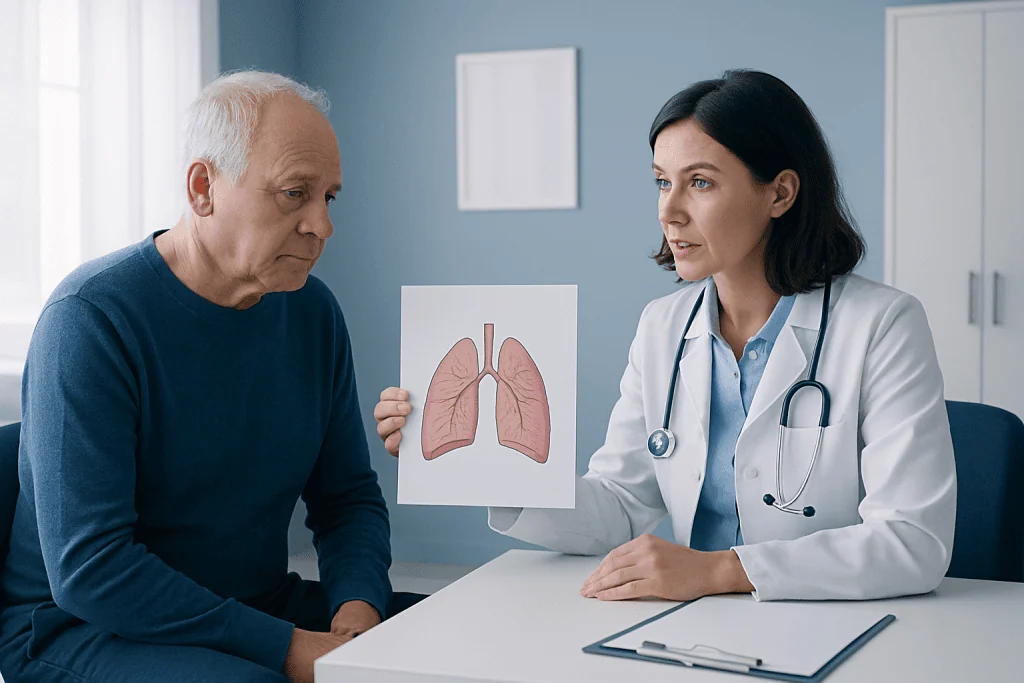
Pulmonary fibrosis can develop for different reasons. In some cases, the cause is identified, while in others it remains unknown. When no specific cause is found, the condition may be called idiopathic pulmonary fibrosis, a form of idiopathic pulmonary fibrosis that requires specialist evaluation and follow-up.
Known causes include long-term exposure to certain workplace or environmental irritants, such as silica dust, metal dust, coal dust, mold, bird proteins, or asbestos. Some autoimmune diseases, including rheumatoid arthritis, scleroderma, and inflammatory muscle diseases, can also lead to lung scarring. In addition, prior radiation therapy to the chest and some medications may contribute in selected patients.
Risk factors can increase the chance of developing pulmonary fibrosis or can worsen its course. These may include older age, smoking history, repeated inhaled exposures, family history of fibrotic lung disease, and the presence of certain connective tissue diseases. Gastroesophageal reflux disease may also coexist in some patients, although it is not the sole cause of pulmonary fibrosis.
It is important to understand that pulmonary fibrosis is not a single disease with one pathway. Rather, it is a final pattern of lung injury and scarring that can result from several different conditions. Identifying the underlying cause helps doctors choose the most appropriate treatment and monitoring plan.
How Pulmonary Fibrosis Progresses
In pulmonary fibrosis, the lung tissue becomes thickened and scarred. This scarring affects the tiny air sacs and the surrounding support tissue that normally allow oxygen to pass into the blood. As the lungs become less elastic, breathing requires more effort and oxygen transfer becomes less efficient.
Progression can be gradual, but the pace is unpredictable. Some people remain stable for long periods, while others experience a steady decline or periods of sudden worsening called acute exacerbations. These episodes can cause a rapid increase in breathlessness and require urgent medical attention.
As the disease advances, blood oxygen levels may fall during exercise and later at rest. This can lead to greater fatigue and limitations in physical activity. In more advanced disease, complications such as pulmonary hypertension, respiratory failure, or increased strain on the heart may develop.
Because the disease course varies, regular follow-up is an important part of care. Monitoring symptoms, oxygen levels, breathing tests, and imaging over time helps specialists understand whether the disease is stable or progressing and whether treatment needs to be adjusted.
Diagnosis
Diagnosing pulmonary fibrosis usually begins with a detailed medical history and physical examination. Doctors ask about symptoms, smoking, occupation, environmental exposures, medications, family history, and autoimmune symptoms such as joint pain, skin changes, or dry eyes and mouth. Listening to the lungs may reveal fine crackling sounds, especially at the lung bases.
No single test confirms every case, so diagnosis often combines several pieces of information. Common tests include chest imaging, especially high-resolution CT scanning, which can show patterns of lung scarring. Pulmonary function tests measure how much air the lungs can hold and how well oxygen passes into the blood.
Additional investigations may include blood tests to look for autoimmune disease, oxygen assessment at rest and during walking, and sometimes bronchoscopy or lung biopsy in selected cases. Doctors may also evaluate for related or alternative conditions such as chronic obstructive lung disease, heart disease, or pneumonia if symptoms overlap.
Many patients benefit from review by a multidisciplinary team that may include pulmonologists, radiologists, rheumatologists, and pathologists. This team approach can improve diagnostic accuracy and help distinguish pulmonary fibrosis from other causes of chronic cough and breathlessness.
Treatment Options
Treatment depends on the type of pulmonary fibrosis, its severity, the underlying cause, and how quickly it is progressing. The goals are to slow scarring when possible, ease symptoms, improve quality of life, and reduce complications. If a cause is identified, such as autoimmune disease or harmful exposure, managing that cause is an important first step.
Some patients may be offered antifibrotic medicines to help slow disease progression, especially in idiopathic pulmonary fibrosis and certain other progressive fibrosing lung diseases. Other treatments may include medicines for associated conditions, vaccinations, and prompt treatment of respiratory infections. When low oxygen levels are present, oxygen therapy can reduce strain on the body and help patients stay more active.
Non-drug care is also essential. pulmonary rehabilitation can improve exercise tolerance, breathing efficiency, and confidence in daily activities. Patients may also benefit from education on energy conservation, nutrition, and breathing techniques. For selected people with advanced disease, lung transplant assessment may be discussed.
Regular follow-up helps the care team track symptoms, breathing tests, and oxygen needs over time. Near the end of the care pathway, patients seeking international evaluation may also wish to know that Acibadem International’s multidisciplinary specialists and JCI-accredited hospitals diagnose and treat complex lung conditions, including pulmonary fibrosis, for international patients.
Prevention and Self-care
Not all cases of pulmonary fibrosis can be prevented, especially when the cause is unknown. However, reducing avoidable lung injury is an important step. Avoiding smoking and secondhand smoke is essential, and people who work around dust, chemicals, or other inhaled particles should use recommended protective equipment and follow workplace safety guidance.
Self-care can help people live better with the condition. Staying physically active within safe limits helps maintain strength and stamina, especially when guided by a pulmonary rehabilitation team. A balanced diet, adequate rest, and careful pacing of activities can also make daily life easier.
Preventing infections is another key part of care. Recommended vaccinations, hand hygiene, and early medical advice for fever, worsening cough, or a change in sputum can be helpful. People who use oxygen should follow safety instructions carefully and discuss travel or altitude concerns with their doctor in advance.
Emotional support matters as well. Living with a chronic lung disease can be stressful, and many patients benefit from support groups, counseling, or structured education. Families and caregivers can also play an important role in helping with treatment routines, clinic visits, and symptom monitoring.
When to See a Doctor
A doctor should evaluate any cough that lasts for weeks without a clear reason, especially if it is accompanied by increasing shortness of breath. Early assessment is particularly important for people with occupational dust exposure, autoimmune disease, a smoking history, or a family history of fibrotic lung disease.
People already diagnosed with pulmonary fibrosis should seek medical advice if symptoms begin to worsen, exercise tolerance drops noticeably, or oxygen needs change. New swelling in the legs, chest discomfort, fainting, fever, or a major change in breathing may point to a complication or another illness that needs attention.
Urgent care is needed for severe breathlessness, bluish lips or fingertips, confusion, or sudden respiratory decline. These symptoms can signal a dangerous drop in oxygen or an acute worsening of the disease. Prompt treatment can be important for safety and comfort.
Even when symptoms seem mild, specialist review can be valuable. Pulmonary fibrosis is easier to monitor and manage when patients are assessed early and followed regularly by a qualified doctor.
Frequently asked questions
Is pulmonary fibrosis the same as asthma or COPD?
No. Pulmonary fibrosis is mainly a scarring disease of the lung tissue, while asthma and COPD affect the airways in different ways. Symptoms can overlap, which is why proper testing is important.
Does a dry cough always mean pulmonary fibrosis?
No. A dry cough can happen for many reasons, including viral infections, reflux, allergies, asthma, and medication side effects. If the cough persists or is linked with breathlessness, a doctor should assess it.
Can pulmonary fibrosis be cured?
In most cases, existing lung scarring cannot be fully reversed. Treatment focuses on slowing progression when possible, treating the cause if known, easing symptoms, and maintaining quality of life.
How serious is pulmonary fibrosis?
Pulmonary fibrosis is a serious chronic condition, but its course varies widely. Some people remain stable for a long time, while others progress more quickly, so regular follow-up with a specialist is important.
What tests are used to diagnose pulmonary fibrosis?
Doctors often use a combination of medical history, physical examination, pulmonary function tests, blood tests, and high-resolution CT scans. In selected cases, bronchoscopy or biopsy may also be needed.
Can exercise help if someone has pulmonary fibrosis?
Yes, when it is tailored to the person's condition and guided by a healthcare team. Pulmonary rehabilitation and safe physical activity can improve endurance, strength, and confidence in daily life.
References
- World Health Organization
- American Thoracic Society
- European Respiratory Society
- National Heart, Lung, and Blood Institute
- National Institute for Health and Care Excellence
This article is for general information only and is not a substitute for professional medical advice. Please consult a qualified doctor about your individual situation.
Explore treatments in Turkey — costs, top hospitals & a free quote
JCI-accredited · board-certified surgeons · reply within 24h
Add us as a Preferred Source to see more of our trusted health content across Google Search, AI Overviews and Discover.