Pulse Pressure — Explained by Medical Evidence, Not Myths

Pulse pressure equals systolic blood pressure minus diastolic blood pressure. A pulse pressure around 40 mmHg is often considered typical in healthy adults, but interpretation depends on age, overall blood pressure, and medical history.
Key Takeaways
- Pulse pressure equals systolic blood pressure minus diastolic blood pressure.
- A pulse pressure around 40 mmHg is often considered typical in healthy adults, but interpretation depends on age, overall blood pressure, and medical history.
- A wide or narrow pulse pressure is not a disease by itself; it is a clue that may reflect cardiovascular or circulation-related conditions.
- Blood pressure should be interpreted over time, not from one isolated reading alone.
- People with symptoms such as chest pain, fainting, severe shortness of breath, or signs of stroke should seek urgent medical care.
Pulse pressure is the numerical difference between the top and bottom blood pressure readings. On its own, it is not a diagnosis, but it can help doctors understand circulation, artery stiffness, heart function, and whether further evaluation is needed.
What pulse pressure means
Pulse pressure is the difference between the two numbers in a blood pressure reading. If blood pressure is 120/80 mmHg, the pulse pressure is 40 mmHg. The top number, called systolic pressure, reflects the pressure in the arteries when the heart contracts. The bottom number, called diastolic pressure, reflects the pressure when the heart relaxes between beats.
This number is not the same as pulse rate, which is the number of heartbeats per minute. It also does not replace standard blood pressure interpretation. Instead, pulse pressure gives an additional piece of information about how blood moves through the arteries and how the heart and blood vessels are working together.
Doctors do not usually diagnose a condition based on pulse pressure alone. They look at the full blood pressure pattern, age, symptoms, medications, and any history of heart, kidney, or vascular disease. In that sense, pulse pressure is best understood as a clinical clue rather than a stand-alone result.
What is considered normal, wide, or narrow
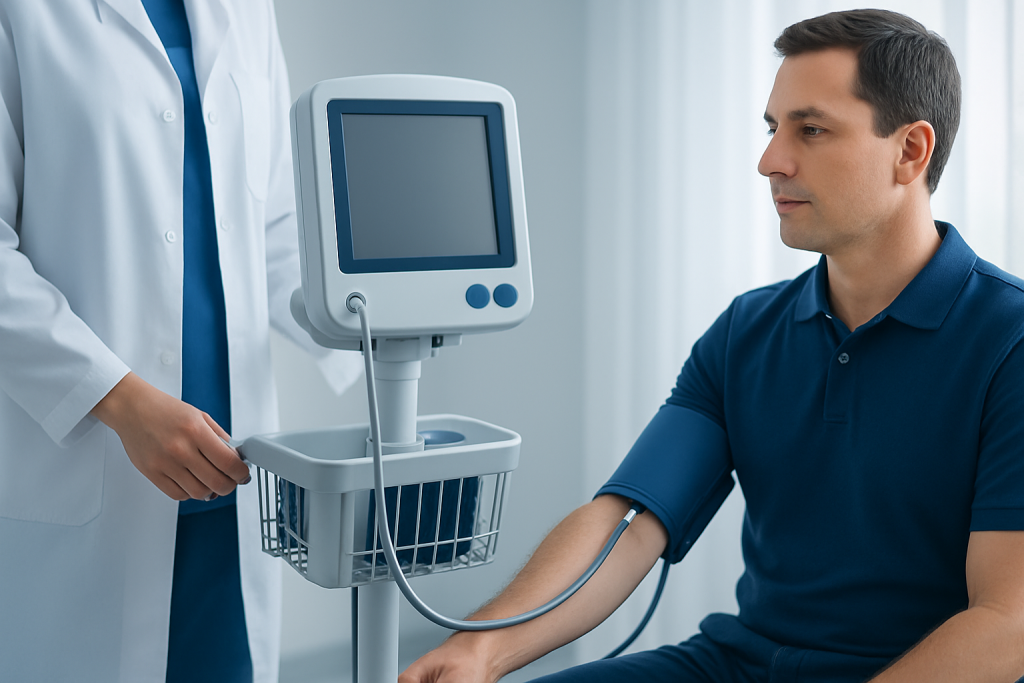
In many adults, a pulse pressure of about 40 mmHg is often described as typical. However, there is no single number that is ideal for every person. A reading that is acceptable for one person may be less reassuring in another, depending on age, fitness level, and whether there are other medical conditions.
A wide pulse pressure means the gap between systolic and diastolic pressure is larger than expected. This may happen when the top number is high, the bottom number is low, or both. A narrow pulse pressure means the gap is smaller than expected, which can occur when the heart is not pumping effectively or when circulation is reduced.
Age matters. As people get older, arteries often become stiffer, and systolic blood pressure may rise while diastolic pressure stays the same or falls. This can naturally widen pulse pressure over time. Even so, a new or marked change deserves proper medical assessment, especially if symptoms are present.
- Typical concept: often around 40 mmHg
- Wide pulse pressure: larger-than-expected difference
- Narrow pulse pressure: smaller-than-expected difference
- Meaning depends on the full clinical picture, not one number alone
What can affect pulse pressure

Pulse pressure is influenced by how strongly the heart pumps blood and how flexible the arteries are. When the heart ejects blood forcefully into stiff arteries, the systolic pressure may rise more noticeably, creating a wider pulse pressure. When the amount of blood leaving the heart is reduced, the pulse pressure may become narrower.
Common factors include aging, long-term high blood pressure, atherosclerosis, dehydration, blood loss, heart valve problems, thyroid disorders, and some forms of heart failure. Temporary factors such as stress, fever, intense exercise, pain, and certain medications can also affect readings. This is why doctors usually prefer repeated measurements rather than drawing conclusions from one result.
Measurement technique also matters. Using the wrong cuff size, sitting incorrectly, talking during the reading, or checking blood pressure right after caffeine or exercise can change the numbers. Home blood pressure monitors can be useful, but they should be used as directed and checked periodically for accuracy.
In some cases, a wide pulse pressure may be associated with conditions such as chronic hypertension or problems affecting the aortic valve. A narrow pulse pressure may be seen when blood flow from the heart is limited. If doctors suspect an underlying cardiovascular disorder, they may investigate for issues such as high blood pressure or aortic valve disease.
Symptoms and why pulse pressure matters clinically
Most people do not feel their pulse pressure directly. It is usually found during a blood pressure check in a clinic, hospital, or at home. The importance lies in what it may suggest about cardiovascular health, not in a distinct symptom caused by the number itself.
That said, the conditions linked to abnormal pulse pressure can cause symptoms. These may include dizziness, fainting, unusual fatigue, chest discomfort, shortness of breath, reduced exercise tolerance, palpitations, or swelling in the legs. Severe symptoms may point to an urgent circulation or heart problem rather than to pulse pressure alone.
Clinically, pulse pressure may help doctors judge arterial stiffness, circulation, and heart performance. In older adults, a consistently wide pulse pressure can sometimes reflect changes in the arteries. In acutely unwell patients, a very narrow pulse pressure may be one clue that the body is not getting enough blood flow. These interpretations are always made alongside the person’s examination and other test results.
How doctors evaluate an abnormal pulse pressure
Evaluation starts with confirming the blood pressure reading. A doctor may repeat the measurement after the person has rested, review home readings, or recommend ambulatory blood pressure monitoring. They will also ask about symptoms, exercise capacity, medications, smoking, diabetes, cholesterol, kidney disease, and family history.
A physical examination may look for signs of fluid overload, dehydration, anemia, abnormal heart sounds, or reduced circulation. If an underlying heart or vascular cause is possible, testing may include blood tests, an electrocardiogram, echocardiography, or imaging of the heart and blood vessels. The goal is to find the reason for the pressure pattern rather than to treat the pulse pressure number in isolation.
Depending on the findings, some people may need a more detailed cardiovascular assessment, such as a cardiology check-up or echocardiography to evaluate heart structure and valve function. If there are symptoms that suggest poor blood flow to the brain or a major vascular issue, further specialist review may be necessary.
Treatment and management
There is no single treatment aimed only at pulse pressure. Management focuses on the cause. If the person has uncontrolled blood pressure, treatment usually centers on improving overall blood pressure control. If a valve condition, thyroid disorder, dehydration, or heart failure is present, treatment is directed at that problem.
Doctors may recommend lifestyle measures such as reducing excess salt, maintaining a healthy weight, regular physical activity, not smoking, moderating alcohol, and improving sleep. These steps support blood vessel and heart health over time. Any medication plan should be tailored by a clinician, especially because both systolic and diastolic pressures matter.
When a structural heart problem is suspected, doctors may use imaging or specialist procedures to guide care. For example, people with suspected coronary or vascular disease may sometimes need more advanced evaluation such as coronary angiography, depending on symptoms and examination findings. The right approach varies from person to person, so self-adjusting medications without medical advice is not recommended.
For international patients who need assessment, Acibadem International’s multidisciplinary specialists and JCI-accredited hospitals diagnose and treat cardiovascular conditions using evidence-based evaluation and follow-up.
Self-care, monitoring, and when to seek medical care
People who monitor blood pressure at home should use a validated device, sit quietly for several minutes before measuring, keep the arm supported at heart level, and avoid caffeine, smoking, or exercise just beforehand. Recording readings over days or weeks is often more helpful than focusing on a single result. Bringing those records to a medical appointment can improve interpretation.
General self-care includes taking prescribed medications as directed, attending follow-up appointments, staying hydrated unless a doctor has advised fluid restriction, and addressing risk factors such as diabetes, high cholesterol, and inactivity. For many people, long-term heart and vessel health improves with steady lifestyle changes rather than quick fixes.
Medical care should be sought promptly for blood pressure changes accompanied by chest pain, severe shortness of breath, fainting, confusion, weakness on one side, trouble speaking, or sudden severe headache. Urgent assessment is also important if a person feels acutely unwell, has signs of shock, or notices a major change in symptoms after a heart-related diagnosis. Even without emergency symptoms, a consistently unusual pulse pressure should be discussed with a qualified doctor.
Frequently asked questions
Is pulse pressure the same as pulse rate?
No. Pulse pressure is the difference between the systolic and diastolic blood pressure numbers, while pulse rate is the number of heartbeats per minute. They are related to circulation but measure different things.
What is a normal pulse pressure?
A pulse pressure around 40 mmHg is often considered typical in many healthy adults. However, what is normal can vary with age, blood pressure pattern, and overall health, so doctors interpret it in context.
What does a wide pulse pressure mean?
A wide pulse pressure means there is a larger-than-expected gap between the top and bottom blood pressure numbers. It can be linked to artery stiffness, high systolic blood pressure, valve disease, or other cardiovascular conditions, but it is not a diagnosis by itself.
What causes a narrow pulse pressure?
A narrow pulse pressure can happen when the heart pumps out less blood than usual or when circulation is reduced. Possible causes include dehydration, blood loss, some forms of heart failure, or other conditions that need medical evaluation.
Can pulse pressure change with age?
Yes. As people age, arteries may become less flexible, which can raise systolic pressure and widen pulse pressure. This change can be common, but it should still be interpreted alongside symptoms and overall cardiovascular risk.
Should someone worry about one abnormal pulse pressure reading?
Usually, one isolated reading is not enough to draw conclusions. Blood pressure can change because of stress, recent activity, caffeine, or measurement technique, so repeated readings and a doctor’s assessment are more useful.
This article is for general information only and is not a substitute for professional medical advice. Please consult a qualified doctor about your individual situation.
Explore treatments in Turkey — costs, top hospitals & a free quote
JCI-accredited · board-certified surgeons · reply within 24h
Add us as a Preferred Source to see more of our trusted health content across Google Search, AI Overviews and Discover.
Check your numbers in seconds
BMI, calories, due date, blood pressure and 30+ more clinical calculators — free, instant, doctor-reviewed ranges.

More from the Health Library

Cherry Tree with Cherries: What Patients Need to Know

Dgl Licorice — Explained by Medical Evidence, Not Myths

Knee Rheumatoid — Explained by Medical Evidence, Not Myths

Pomelo: An Evidence-Based Guide for Patients

Photosensitive Epilepsy: What Patients Need to Know