Qigong: What Patients Need to Know
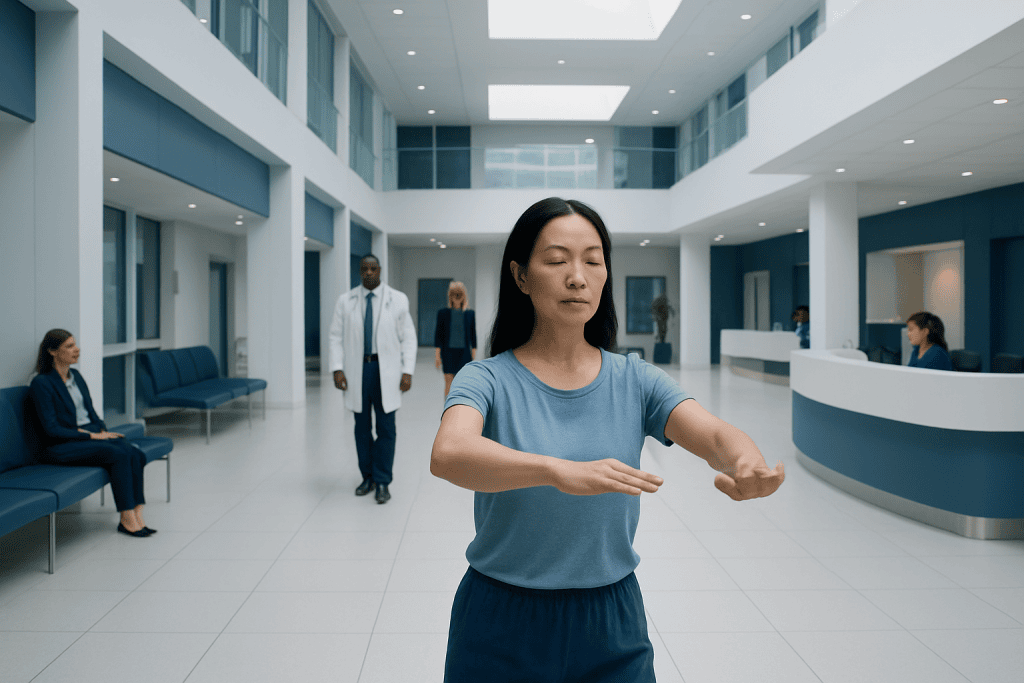
Qigong combines slow movement, breathing techniques, and mental focus. It is generally low impact and can often be adapted for different ages and fitness levels.
Key Takeaways
- Qigong combines slow movement, breathing techniques, and mental focus.
- It is generally low impact and can often be adapted for different ages and fitness levels.
- Some people find qigong helpful for stress management, balance, mobility, and quality of life.
- Qigong should complement, not replace, professional medical evaluation or treatment.
- People with pain, dizziness, heart symptoms, or recent surgery should ask a doctor before starting.
Qigong is a traditional mind-body practice that combines gentle movement, breathing, posture, and focused attention. Many people use qigong to support relaxation, balance, flexibility, and overall well-being, often as a complement to standard medical care rather than a replacement for it.
Overview: what qigong is and why people practice it
Qigong is a gentle practice that brings together body position, controlled breathing, and focused awareness. It comes from long-standing East Asian health traditions and may involve flowing movements, standing postures, seated exercises, or quiet breathing. In modern health settings, qigong is often discussed as a mind-body practice, similar in broad purpose to relaxation training or other forms of therapeutic movement.
People commonly ask whether qigong is exercise, meditation, or therapy. In practice, it can include elements of all three. Some forms are movement-based and aim to improve mobility and coordination, while others are quieter and focus more on breathing and mental calm. The pace is usually slow, which makes it appealing to people who want a lower-impact activity.
Qigong is not a cure for disease, and it should not delay diagnosis or treatment when symptoms need medical attention. However, as part of a healthy routine, it may support stress reduction, body awareness, and gentle physical activity. For many patients, the main value of qigong is that it is accessible, adaptable, and easy to practice in small amounts over time.
How qigong works in everyday practice
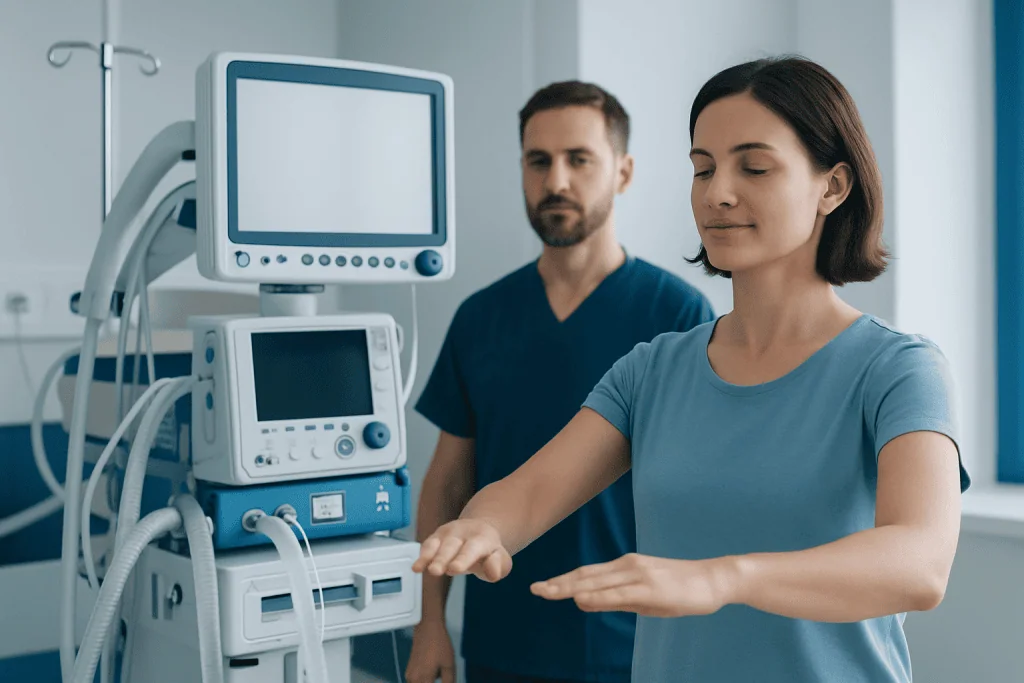
A typical qigong session may last from a few minutes to longer guided classes. The practice often begins with a stable posture, relaxed joints, and steady breathing. Movements are usually repeated slowly and with attention, rather than performed for speed or intensity. This can help people notice posture, tension, and breathing habits more clearly.
From a medical and rehabilitation perspective, qigong may support health through several overlapping pathways. Gentle movement can encourage flexibility, joint mobility, and balance. Slow breathing may help calm the body’s stress response. Focused attention can also function as a form of mindfulness, which some people find helpful for mental settling and symptom awareness.
Qigong is sometimes compared with tai chi because both use deliberate movement and breath. They do share similarities, but qigong is a broader term and includes both moving and still practices. For patients, the most important point is not the label, but whether the method is safe, sustainable, and appropriate for their health needs.
- Movement: slow, controlled, and usually low impact
- Breathing: calm, steady, and coordinated with posture or motion
- Attention: inward focus on body sensations, balance, or relaxation
- Adaptability: can be done standing, seated, or with modified range of motion
Possible benefits of qigong
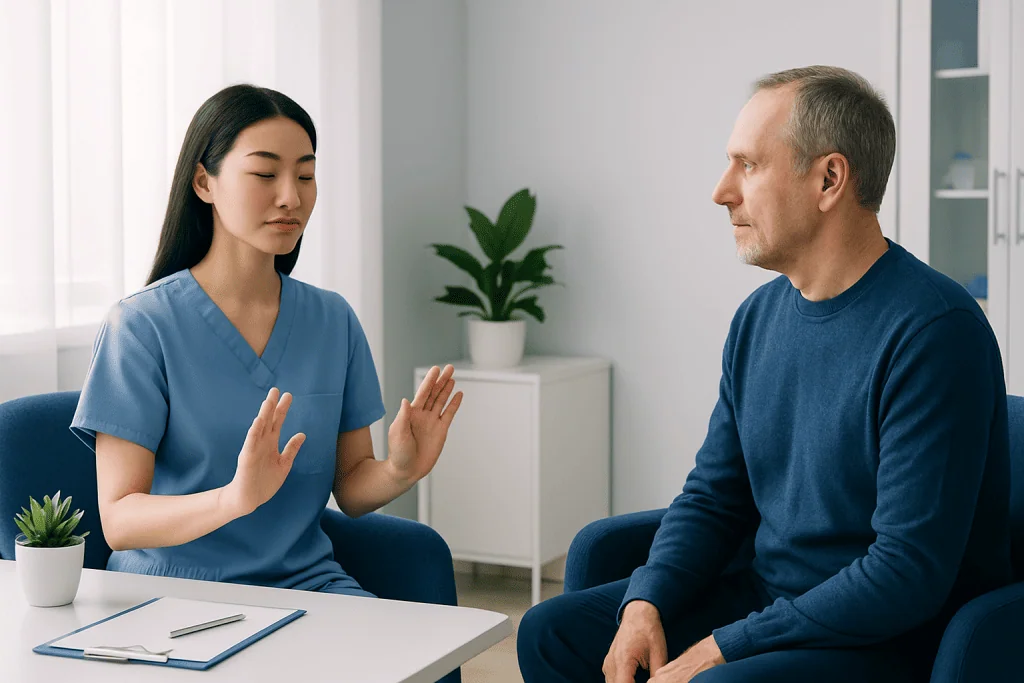
Research on qigong continues to grow, although study quality and methods vary. Overall, evidence suggests that some people may experience benefits in areas such as perceived stress, mood, balance, flexibility, and general quality of life. Because the practice is gentle and repeatable, it may also help people who are trying to build a consistent activity routine after a period of inactivity.
Older adults may be interested in qigong for balance and body control. People with desk-based lifestyles may use it to ease stiffness and improve posture awareness. Others are drawn to its calming effects, especially when stress contributes to sleep difficulty, muscle tension, or a sense of mental overload. These benefits are usually gradual and depend on regular practice.
Qigong is also sometimes used in supportive care plans for chronic conditions, especially where fatigue, reduced mobility, or stress are significant concerns. For example, people receiving rehabilitation for musculoskeletal or neurologic symptoms may discuss gentle movement strategies with their care team. In some cases, a doctor may also evaluate related conditions such as Parkinson's disease or recommend structured physical therapy and rehabilitation when balance, gait, or weakness need closer assessment.
It is important to keep expectations realistic. Qigong may support well-being, but it does not replace proven medical treatment for infection, heart disease, neurological illness, fractures, severe anxiety, or other conditions that need professional care.
Who may benefit most and when caution is needed
Qigong may be especially suitable for people looking for a low-impact activity, including beginners, older adults, and those who prefer gentle exercise. It can also appeal to patients who want a structured way to include breathing and relaxation in their routine. Because many exercises can be adapted, some people practice qigong while seated or with limited range of motion.
Even so, gentle does not always mean risk-free. Certain movements may not be appropriate after recent surgery, during acute injury, or when a person has severe joint instability, uncontrolled high blood pressure, fainting episodes, chest pain, or major balance problems. People with chronic back pain, arthritis, or neurological symptoms should consider asking a clinician which forms of movement are safest for them.
If someone has dizziness, unexplained weakness, falls, numbness, or tremor, it is sensible to seek medical evaluation rather than assuming qigong alone will help. Depending on the symptoms, doctors may assess orthopedic, neurological, or cardiovascular causes and, where needed, suggest options such as neurological rehabilitation or review related conditions like fibromyalgia if widespread pain and fatigue are part of the picture.
Safety, risks, and common mistakes
For most healthy adults, qigong is considered a low-risk activity when practiced sensibly. The most common problems are usually minor and may include temporary muscle soreness, overexertion, or dizziness if breathing becomes strained or if a person moves too quickly. These issues are often preventable by starting slowly and avoiding forced positions.
One common mistake is treating qigong as if more effort always leads to more benefit. In reality, the practice is usually based on ease, control, and consistency. Another mistake is copying advanced routines online without considering individual limitations. People may also hold their breath without realizing it, which can increase tension rather than reduce it.
Good safety habits include wearing stable footwear if standing, practicing in a clear space, and stopping if pain, shortness of breath, chest discomfort, or lightheadedness develops. Anyone with a recent injury, surgery, or significant medical condition should ask a qualified healthcare professional before beginning a new movement program. If symptoms are persistent or function is affected, medical assessment is more important than self-experimentation.
How to start qigong safely
For beginners, the best approach is simple and gradual. Starting with short sessions, even 5 to 10 minutes, can be enough to learn posture, breathing, and pacing. A calm environment and regular schedule often help more than trying to do a long session occasionally. Many people find that a brief daily routine is easier to maintain than a complex weekly plan.
It can be useful to look for instruction from a qualified teacher who understands how to modify exercises for age, fitness level, and medical needs. People with pain, balance concerns, or recovery needs may benefit from combining qigong with professional movement guidance. In rehabilitation settings, some patients may be advised to pair gentle home practice with orthopedic rehabilitation when joint function, posture, or recovery after injury needs tailored support.
Beginners do not need special equipment. Comfortable clothing, steady breathing, and a focus on small, controlled movements are usually enough. Progress should be judged by comfort, consistency, and confidence rather than intensity. If a routine causes pain or fatigue that lasts beyond the session, it may need to be adjusted.
- Begin with a short, comfortable practice time
- Keep breathing natural and avoid breath-holding
- Choose stable, pain-free movements
- Use a chair or wall support if balance is limited
- Increase duration gradually as tolerated
When to seek medical care
Qigong is not a substitute for medical care when there are warning signs. A person should seek prompt medical attention if symptoms such as chest pain, severe shortness of breath, fainting, sudden weakness, new confusion, severe headache, or signs of stroke occur. These symptoms need urgent assessment, even if they appear during gentle exercise.
Medical review is also important for ongoing pain, repeated falls, marked fatigue, unexplained weight loss, persistent dizziness, or symptoms that interfere with daily life. These concerns may have causes that need diagnosis and treatment rather than self-care alone. If exercise consistently triggers discomfort, a clinician can help determine whether the issue is musculoskeletal, neurological, cardiovascular, or related to another condition.
For patients who are recovering from illness or injury, a supervised plan may be safer than starting independently. Acibadem International’s multidisciplinary specialists and JCI-accredited hospitals diagnose and treat a wide range of conditions for international patients, and can advise whether gentle practices such as qigong are appropriate alongside medical treatment or rehabilitation.
Frequently asked questions
What is qigong used for?
Qigong is commonly used to support relaxation, gentle physical activity, breathing control, and body awareness. Many people practice it as part of a broader wellness routine, and some use it alongside conventional medical care for stress, stiffness, or balance support.
Is qigong the same as tai chi?
They are related but not identical. Tai chi is a structured movement tradition, while qigong is a broader category that may include moving exercises, standing postures, seated breathing, and meditation-like practices.
Can qigong help with anxiety or stress?
Some people find qigong calming because it combines slow breathing, focused attention, and gentle movement. It may help with stress management, but it is not a replacement for professional care when anxiety is severe, persistent, or affecting daily function.
Is qigong safe for older adults?
Qigong is often well suited to older adults because it is generally low impact and can be adapted to individual ability. However, anyone with falls, dizziness, major joint problems, or heart symptoms should ask a doctor or rehabilitation professional which form is safest.
How often should a beginner practice qigong?
Many beginners start with short sessions a few times a week or even a few minutes daily. Regular, comfortable practice is usually more helpful than long sessions that cause strain or fatigue.
Can qigong replace medical treatment?
No. Qigong may complement standard care, but it should not replace diagnosis, medication, rehabilitation, or other treatments recommended by a qualified clinician.
References
- World Health Organization
- National Center for Complementary and Integrative Health
- Centers for Disease Control and Prevention
- National Institute on Aging
This article is for general information only and is not a substitute for professional medical advice. Please consult a qualified doctor about your individual situation.
Joint and spine care in Turkey — expert assessment & treatment
JCI-accredited · board-certified surgeons · reply within 24h
Add us as a Preferred Source to see more of our trusted health content across Google Search, AI Overviews and Discover.

More from the Health Library

Urogynecologist: What Patients Need to Know

Aspartame Free Gum — Explained by Medical Evidence, Not Myths

Popped Blood Vessel in Eye: A Complete Medical Overview

Red Pimples on Foot: What Patients Need to Know

Neem Oil Benefits: An Evidence-Based Guide for Patients