Radiation oncology: Common Causes, Warning Signs, and When to Worry
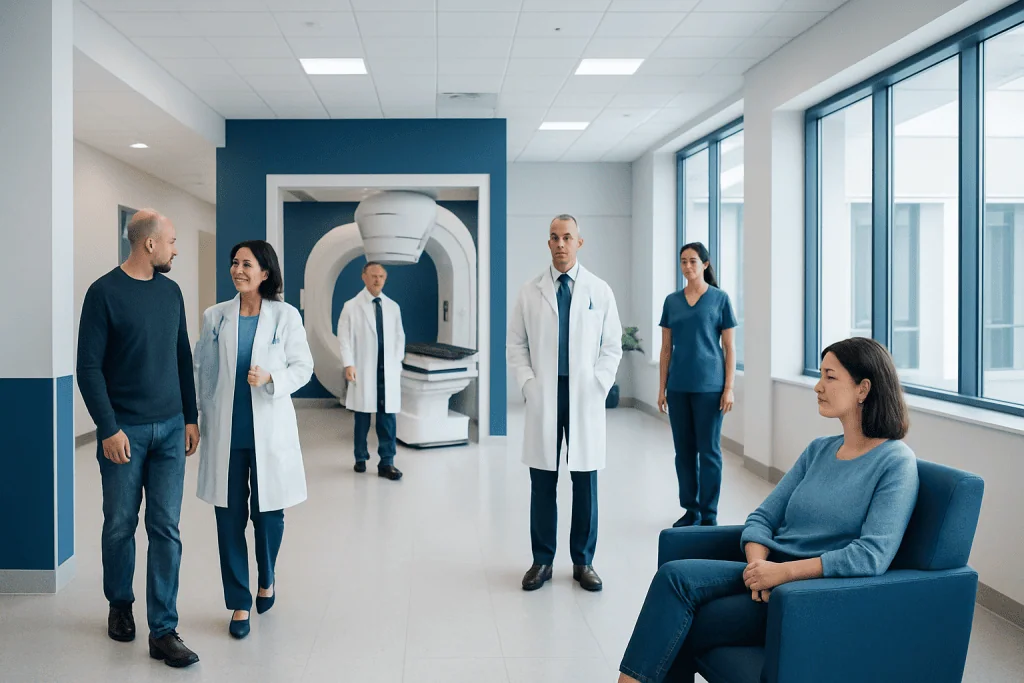
Radiation oncology uses high-energy radiation to damage cancer cells while protecting as much healthy tissue as possible. Side effects vary by the area treated, the total dose, and the treatment technique; many are temporary and manageable.
Key Takeaways
- Radiation oncology uses high-energy radiation to damage cancer cells while protecting as much healthy tissue as possible.
- Side effects vary by the area treated, the total dose, and the treatment technique; many are temporary and manageable.
- Common warning signs during treatment include worsening pain, skin reactions, difficulty eating or swallowing, dehydration, fever, or new breathing problems.
- Treatment planning is individualized and usually involves imaging, simulation, and a schedule of daily sessions over days or weeks.
- Patients should contact their care team promptly if symptoms suddenly worsen, interfere with daily activities, or feel unusual for their treatment area.
Radiation oncology is the medical specialty that uses carefully planned radiation to treat cancer and, less often, certain non-cancer conditions. It is a standard, evidence-based treatment that can control disease, relieve symptoms, and often works alongside surgery, chemotherapy, or immunotherapy.
Overview: what radiation oncology means
Radiation oncology is the branch of medicine that plans and delivers radiation therapy, most often to treat cancer. It uses high-energy beams or radioactive sources to damage the DNA of cancer cells so they can no longer grow and divide. Healthy cells can also be affected, but modern techniques are designed to target the treatment area as precisely as possible.
For many people, radiation therapy is part of a larger cancer care plan. It may be used alone or combined with surgery, chemotherapy, immunotherapy, or hormonal therapy. Depending on the cancer type and stage, it may aim to cure disease, reduce the risk of recurrence after surgery, shrink a tumor before surgery, or relieve symptoms such as pain, bleeding, or pressure.
Radiation oncology is not a symptom itself, but patients often search for it when they want to understand why radiation is recommended, what side effects to expect, and when symptoms should be taken seriously. These questions are important because treatment effects depend strongly on which body area is being treated, how much radiation is used, and the person’s overall health.
How radiation therapy works and why it is used
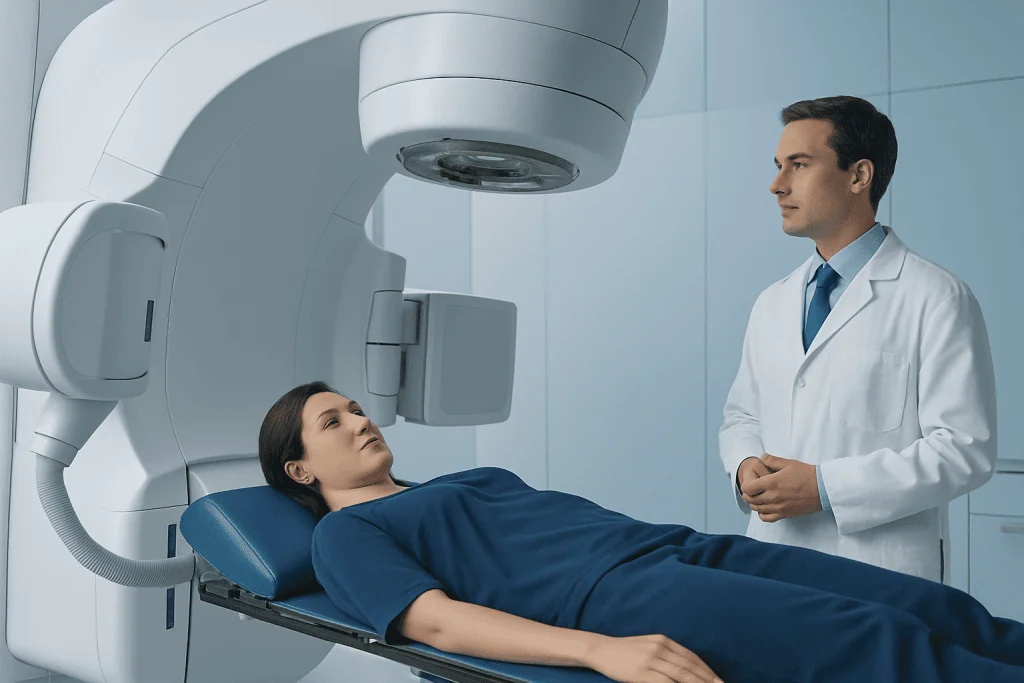
Radiation therapy works by delivering a controlled dose of radiation to a defined target. Cancer cells are generally less able than normal cells to repair this damage. Over time, this can shrink or destroy tumors. Treatment is carefully measured so the radiation reaches the tumor while reducing exposure to nearby organs.
There are several main approaches. External beam radiation therapy sends radiation from a machine outside the body. Internal radiation therapy, also called brachytherapy, places a radiation source inside or very near the tumor. Some patients receive highly focused treatment such as stereotactic radiosurgery or stereotactic body radiotherapy, which can deliver a strong dose to a small area in fewer sessions.
Radiation oncology may be recommended for cancers of the breast, prostate, lung, brain, head and neck, cervix, rectum, skin, and many other sites. It can also help control symptoms from advanced cancer, for example by treating painful bone lesions or bleeding tumors. In some care plans, a doctor may discuss radiation as part of broader oncology care or in combination with chemotherapy for a more complete treatment strategy.
What to expect before and during treatment

Radiation treatment begins with planning. Patients usually meet a radiation oncologist, who reviews scans, pathology results, and the goals of treatment. A planning session called simulation may be done using CT imaging, special positioning devices, and skin markings or tiny reference points. This helps the team reproduce the same body position each day and accurately direct the radiation.
The treatment plan is individualized. The team calculates the total dose, the number of sessions, and how each beam will be shaped. Daily treatments often last only a few minutes, although setup time can make visits longer. The radiation itself is painless, and patients do not feel the beam as it is delivered.
Many people continue some normal activities during therapy, but energy levels may change over time. Side effects can build gradually during the course of treatment rather than appearing immediately. Patients are usually monitored closely so symptoms can be managed early, and supportive care may include skin care advice, nutrition counseling, pain control, or referrals for related procedures such as image-guided radiology support when clinically appropriate.
Common side effects and warning signs by treatment area
Side effects depend mainly on the body part being treated. A person receiving radiation to the breast may notice skin redness and fatigue, while someone treated for prostate cancer may experience urinary or bowel changes. Head and neck radiation can cause mouth soreness, dry mouth, thick saliva, taste changes, swallowing difficulty, or hoarseness. Brain radiation may be associated with headache, scalp irritation, or temporary hair loss in the treated area.
Some effects are common across many treatment sites. These include tiredness, mild skin irritation, tenderness, and temporary worsening of symptoms caused by inflammation in the treatment area. Skin changes can resemble a sunburn and may include redness, dryness, itching, peeling, or darkening. Fatigue often builds over weeks and improves gradually after treatment ends.
Certain symptoms deserve prompt attention because they may signal a complication or a need to adjust supportive care. These include severe skin breakdown, inability to eat or drink enough, persistent vomiting, dehydration, fever, uncontrolled pain, new confusion, sudden weakness, chest pain, shortness of breath, heavy bleeding, or trouble urinating. If radiation is being given for cancers such as lung cancer or breast cancer, new breathing problems or chest symptoms should be discussed quickly with the care team.
- General warning signs: fever, rapid worsening of pain, fainting, dehydration, severe weakness
- Head and neck treatment: difficulty swallowing, mouth ulcers, weight loss, inability to keep fluids down
- Chest treatment: cough, shortness of breath, chest discomfort
- Pelvic treatment: severe diarrhea, rectal bleeding, inability to urinate, marked urinary burning
- Brain treatment: worsening headache, vomiting, seizures, confusion, new neurologic symptoms
Who may need radiation oncology and what affects risk
Radiation oncology is considered when a tumor is known or strongly suspected to respond to radiation. The decision depends on cancer type, stage, size, location, prior treatments, and overall treatment goals. Sometimes radiation is used because it can preserve organ function, such as helping avoid more extensive surgery in carefully selected cases. In other situations, it is used after surgery to lower the chance of local recurrence.
The risk of side effects is influenced by several factors. These include the dose of radiation, how large an area needs treatment, whether nearby sensitive organs are in the field, and whether the patient is also receiving chemotherapy or other systemic therapy. Previous radiation to the same area, poor nutrition, smoking, and certain underlying illnesses can also affect healing and tolerance.
Doctors weigh expected benefits against potential risks before recommending treatment. This is especially important for cancers involving structures such as the brain, lungs, bowel, or spinal cord. For example, a patient being evaluated for a brain tumor may need detailed imaging and multidisciplinary review to decide whether radiation, surgery, systemic therapy, or a combination is most appropriate.
How symptoms and complications are assessed
Radiation oncology teams monitor patients regularly throughout treatment. They ask about pain, appetite, swallowing, bowel and bladder habits, fatigue, breathing, and changes in mood or sleep. Physical examination may focus on skin changes, weight, hydration, mouth and throat irritation, or signs of infection. If symptoms worsen unexpectedly, additional tests may be needed.
Imaging studies such as CT, MRI, PET-CT, or ultrasound may help distinguish expected treatment effects from complications or tumor progression. Blood tests can check for dehydration, infection, or organ function problems when clinically indicated. In some cases, endoscopy or specialist consultation is used to assess swallowing issues, bowel symptoms, or urinary complaints.
One challenge in radiation oncology is that some symptoms happen during treatment, while others may appear weeks, months, or rarely years later. Doctors often describe these as acute and late effects. Most acute side effects improve with time and supportive care, but persistent or delayed symptoms should still be evaluated because they may need treatment or long-term follow-up.
Managing side effects and supporting recovery
Most radiation side effects can be managed with practical, individualized care. Doctors may recommend gentle skin care, adequate hydration, soft or high-calorie foods, oral rinses, anti-nausea medicine, pain relief, or bowel and bladder symptom treatments. Rest is important, but light physical activity, if tolerated, can help some patients maintain energy and function.
Nutrition deserves special attention, particularly for head and neck, esophageal, abdominal, or pelvic radiation. Weight loss, mouth pain, diarrhea, or nausea can interfere with recovery. A dietitian may suggest texture changes, smaller frequent meals, protein-rich options, and ways to keep fluid intake up. Patients should avoid applying creams or home remedies to irradiated skin unless approved by their treatment team.
Smoking cessation and limiting alcohol can improve healing and reduce irritation, especially during treatment of the head, neck, and chest. Follow-up appointments matter because they allow the team to track recovery, manage lingering symptoms, and monitor response to therapy. Near the end of care planning, some patients may seek evaluation at centers such as Acibadem International, where multidisciplinary specialists in JCI-accredited hospitals diagnose and treat cancer for international patients.
When to seek medical care
Patients should contact their radiation oncology team if symptoms are getting worse instead of staying stable or improving, if side effects are preventing normal eating or drinking, or if a new symptom appears that was not expected for the treatment area. It is always appropriate to call if something feels significantly different from what was discussed at the start of treatment.
Urgent medical care is especially important for high fever, severe shortness of breath, chest pain, uncontrolled bleeding, confusion, seizures, severe dehydration, sudden weakness, or inability to urinate. These problems may or may not be caused by radiation itself, but they should not be ignored.
People who have completed radiation therapy should also seek medical advice for symptoms that persist, return, or appear later, such as ongoing bowel changes, chronic cough, worsening pain, or new neurologic symptoms. Early evaluation can help determine whether the cause is a delayed treatment effect, infection, recurrence, or another unrelated condition.
Frequently asked questions
Is radiation oncology the same as chemotherapy?
No. Radiation oncology uses targeted radiation to treat a specific area, while chemotherapy uses medicines that travel through the bloodstream and can affect the whole body. Many cancer treatment plans use one or both, depending on the type and stage of cancer.
Does radiation therapy hurt while it is being given?
The treatment itself is usually painless. Patients do not feel the radiation beam during the session. Side effects, if they occur, generally develop gradually over days or weeks and depend on the area being treated.
What are the most common side effects of radiation oncology?
Common side effects include fatigue and skin irritation in the treated area. Other effects depend on the location of treatment, such as sore throat and swallowing difficulty with head and neck radiation, or bowel and bladder changes with pelvic radiation. Most are manageable, but severe or rapidly worsening symptoms should be reported.
When should someone worry about symptoms during radiation treatment?
A person should contact the care team if symptoms suddenly worsen, prevent eating or drinking, cause severe pain, or seem unusual for the treatment site. Fever, dehydration, chest pain, shortness of breath, confusion, heavy bleeding, or new neurologic symptoms require prompt medical attention.
Can radiation therapy cause long-term problems?
It can, although modern planning aims to reduce this risk as much as possible. Long-term effects depend on the treated area and the dose used, and may involve skin, bowel, bladder, lungs, nerves, or other nearby tissues. Follow-up care is important because some effects appear later and can often be managed.
How long does radiation treatment usually last?
The schedule varies widely. Some treatments are given in a few sessions, while others are delivered daily over several weeks. The exact plan depends on the cancer type, treatment goal, technology used, and the area being treated.
References
- National Cancer Institute
- American Cancer Society
- American Society for Radiation Oncology
- National Comprehensive Cancer Network
- World Health Organization
This article is for general information only and is not a substitute for professional medical advice. Please consult a qualified doctor about your individual situation.
Oncology care in Turkey — second opinion and treatment plan
JCI-accredited · board-certified surgeons · reply within 24h
Add us as a Preferred Source to see more of our trusted health content across Google Search, AI Overviews and Discover.