Radiotherapy for Tumor: How It Works, Results and What to Expect
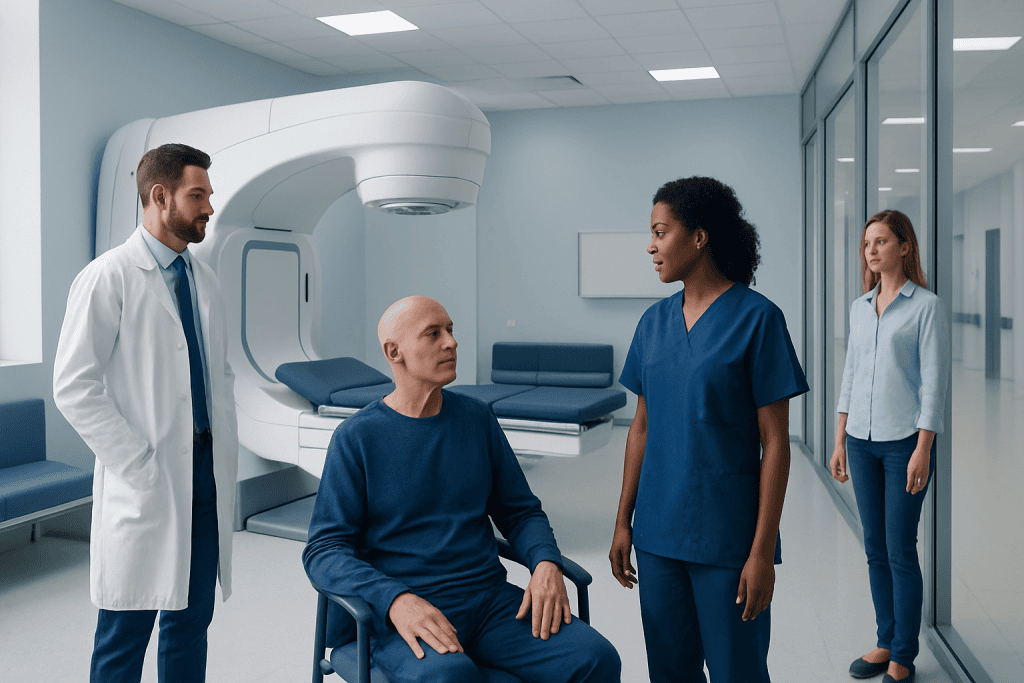
Radiotherapy damages the DNA of cancer cells, making it harder for them to divide and survive. Treatment is individualized and may aim to cure cancer, reduce recurrence risk, control tumor growth, or relieve symptoms.
Key Takeaways
- Radiotherapy damages the DNA of cancer cells, making it harder for them to divide and survive.
- Treatment is individualized and may aim to cure cancer, reduce recurrence risk, control tumor growth, or relieve symptoms.
- Most external-beam sessions are painless and brief, although planning and positioning take time.
- Side effects depend mainly on the body area treated and often build gradually during treatment before improving afterward.
- Tumor response may take weeks to months, so follow-up scans are scheduled at clinically appropriate times.
Radiotherapy for tumor is a cancer treatment that uses carefully planned high-energy radiation to damage tumor cells and stop them from growing. It may be used alone or alongside surgery, chemotherapy, immunotherapy, or other treatments, depending on the tumor type, location, stage, and a person’s overall health.
Radiotherapy for Tumor: Overview
Radiotherapy for tumor, also called radiation therapy, is a treatment that directs high-energy radiation toward a tumor or the area where tumor cells may remain. The radiation damages DNA inside cells. Cancer cells often have less ability than healthy cells to repair this damage, so they may stop dividing and gradually die.
Radiotherapy can be delivered from a machine outside the body, called external-beam radiotherapy, or from radioactive material placed temporarily or permanently close to a tumor, called brachytherapy. Some people receive radiation as their main treatment, while others receive it before or after surgery or together with systemic treatments such as chemotherapy, targeted therapy, or immunotherapy.
The goal is individual. Radiation may be intended to eliminate a localized cancer, lower the chance that cancer returns after surgery, slow the growth of advanced disease, or ease symptoms such as pain, bleeding, pressure, or difficulty swallowing. The oncology team explains the expected benefit for the individual tumor and situation before treatment begins.
How Radiotherapy Works and Who May Be a Candidate
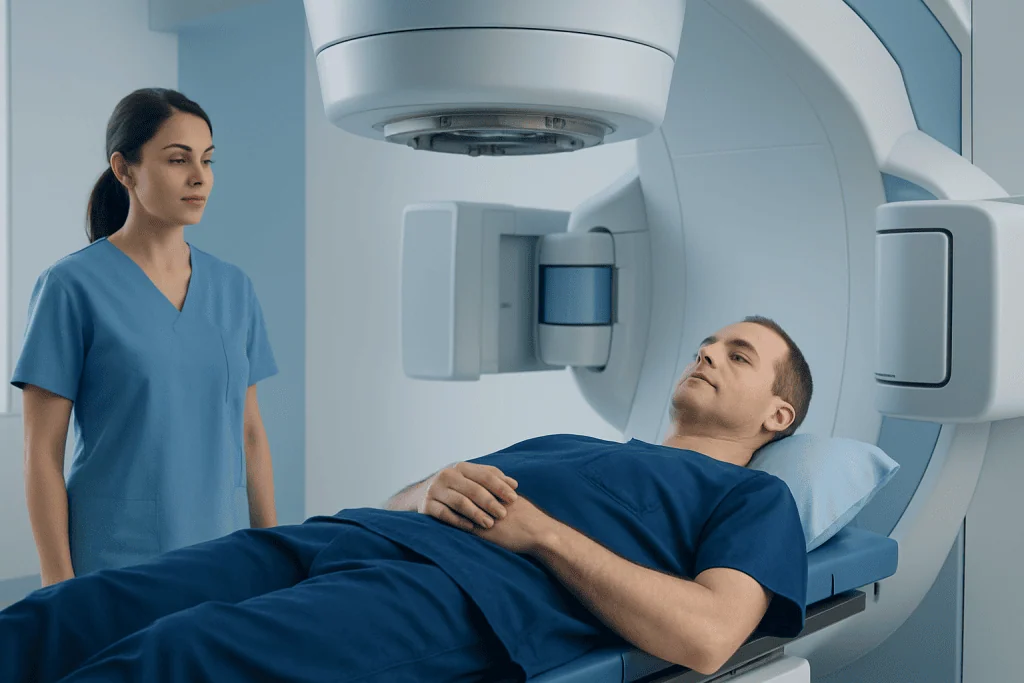
Modern radiation planning uses imaging and specialized software to shape radiation beams around the tumor. The aim is to give an effective dose to the target while reducing exposure to nearby healthy organs. Techniques may include three-dimensional conformal radiotherapy, intensity-modulated radiotherapy, image-guided radiotherapy, stereotactic radiotherapy, or brachytherapy. The most suitable approach depends on the treatment area and clinical goal.
Candidacy is assessed by a multidisciplinary cancer team that may include a radiation oncologist, medical oncologist, surgeon, radiologist, pathologist, nurses, physicists, and other specialists. They consider the cancer type, stage, tumor size and location, prior treatments, imaging findings, symptoms, and general health. Radiation can be used for many cancers, but it is not automatically the right choice for every tumor.
Prior radiation treatment to the same area, certain connective-tissue disorders, pregnancy, implanted devices, and serious medical conditions may affect planning. These factors do not always rule out treatment, but they require careful assessment. A radiation oncologist can explain whether the likely benefits outweigh the potential risks in a specific case.
What Happens During Radiotherapy? Step by Step
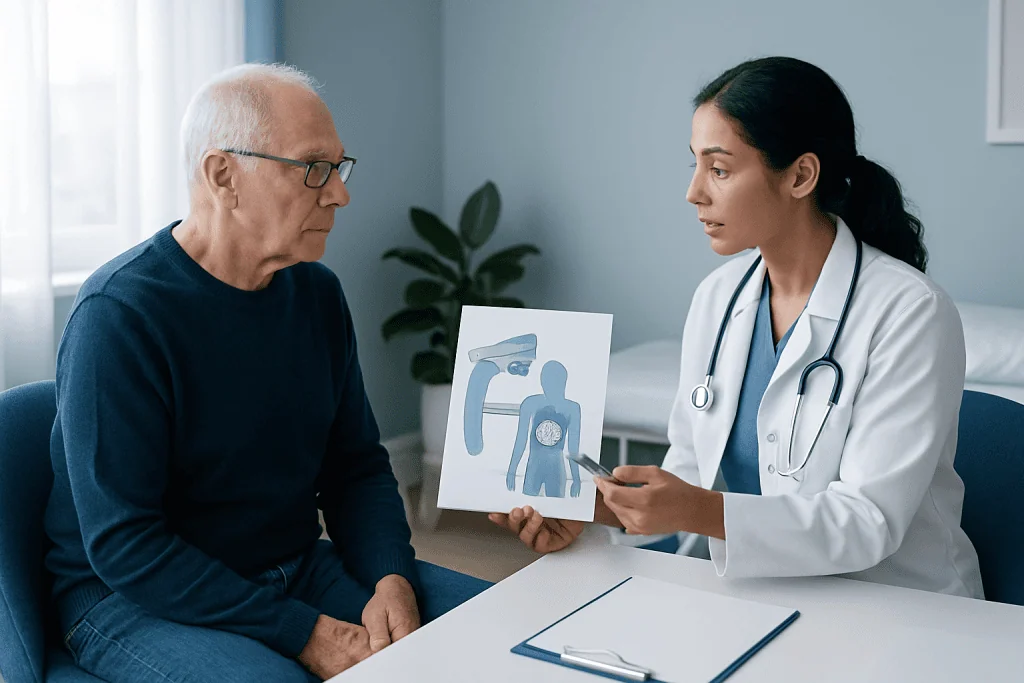
Consultation and planning: Treatment begins with a consultation to review diagnosis, scans, pathology, treatment goals, possible side effects, and alternatives. If radiotherapy is recommended, a planning appointment called simulation is arranged. During simulation, the team uses a CT scan and sometimes MRI or PET images to map the treatment area accurately.
Positioning and treatment design: The person is positioned in the same way they will be positioned for each session. A custom mask, cushion, body mold, or other support may be made to help them remain still and comfortable. Small skin marks or tiny permanent tattoo dots may be used for alignment. Radiation oncologists and medical physicists then create and check an individualized treatment plan.
Daily sessions: For external-beam radiotherapy, the person lies on a treatment table while the machine moves around them without touching most of the body. Radiation itself is not felt, seen, or smelled. The actual delivery commonly lasts only minutes, although setup can take longer. Treatment may be given once daily on weekdays for several days or weeks, or in fewer sessions for selected tumors.
Monitoring: Staff observe from another room and can communicate through an intercom. Regular review appointments allow the team to check side effects, nutrition, pain, skin changes, and emotional wellbeing. For patients seeking coordinated international care, Acibadem International’s multidisciplinary specialists and JCI-accredited hospitals diagnose and treat cancer with individualized radiation planning.
Benefits, Results and Recovery Timeline
The main benefit of radiotherapy is local tumor control: it treats a defined area rather than circulating throughout the body. For some cancers, it can be curative. In other settings, it can reduce the risk of recurrence after surgery or offer meaningful symptom relief when a tumor is causing pain, bleeding, obstruction, or pressure on nearby structures.
How long does it take for radiotherapy to shrink a tumor? Tumors do not usually shrink immediately after radiation. Some begin to respond within weeks, but visible shrinkage on imaging may take several weeks to months. Certain tumors may remain as scar tissue or inactive tissue even when treatment has worked, so scans are interpreted alongside symptoms, examination findings, and the tumor’s expected response pattern.
Recovery also varies. Fatigue and treatment-area irritation may increase gradually during the course of treatment and can continue for one to several weeks afterward. Many early effects then improve, although recovery may take longer after treatment to sensitive areas such as the head and neck, chest, abdomen, pelvis, or brain. Follow-up appointments and imaging are planned to assess response safely rather than judging success too soon.
Where cancer treatment includes several methods, radiation may be coordinated with surgery or systemic therapy. Depending on the diagnosis and care plan, this may include radiotherapy treatment planning, chemotherapy, or immunotherapy.
What Are the Risks and Downsides of Radiation for Cancer?
What is the downside of radiation for cancer? Radiation can affect healthy tissue near the tumor, which can cause short-term and, less commonly, long-term side effects. The possible downsides depend strongly on the body part treated, total dose, treatment technique, whether other treatments are given, and individual health factors. The radiation oncology team works to minimize these risks, but no treatment is entirely free of side effects.
Common short-term effects include tiredness, skin redness or darkening in the treatment area, tenderness, hair loss limited to the treated area, and local inflammation. Radiation to the head and neck may cause sore mouth, dry mouth, or swallowing difficulty. Radiation to the chest may cause swallowing discomfort or cough, while abdominal or pelvic treatment can cause nausea, diarrhea, bladder irritation, or changes in bowel habits.
Some effects can appear months or years later, such as firmness or scarring of tissue, persistent dryness, bowel or bladder changes, hormonal changes, fertility effects, lymphedema, or damage to nearby organs. The risk of a second cancer caused by radiation is low but is discussed when relevant, particularly for younger patients and long-term survivors. Individuals should ask what effects are most relevant to their planned treatment field.
What are the hardest days after radiation treatment? For many people, the most difficult period is near the end of treatment and the first one to two weeks after the final session, when fatigue and local irritation can peak. This pattern is not universal; some people have mild effects, while others need more support. The care team can help manage symptoms early through skin-care guidance, nutrition support, medicines when appropriate, and follow-up.
Preparing for Treatment and Caring for Yourself
What I wish I knew before radiation? Many people find it helpful to know that radiation sessions are generally painless, but the overall process requires consistency and planning. Appointments may be frequent, and side effects can develop gradually rather than on the first day. Asking practical questions early can make treatment feel more manageable.
Before treatment, people can ask about the purpose of radiation, number and timing of sessions, expected side effects, skin-care recommendations, dietary needs, work and travel planning, fertility preservation, and how to contact the team outside routine hours. They should tell the team about all medicines, supplements, implanted devices, prior treatments, and pregnancy or the possibility of pregnancy.
During and after treatment, patients are usually advised to rest as needed, stay hydrated, choose nourishing foods that are comfortable to eat, and remain gently active if able. The treated skin should be protected from friction, heat, and direct sun, using only products approved by the radiation team. Smoking cessation and limiting alcohol may also support healing, especially when the head, neck, chest, or digestive tract is treated.
External-beam radiation does not make a person radioactive. They can generally be around family members, including children and pregnant people, unless their clinical team gives specific advice. Safety precautions can be different with certain types of internal radiation, and the treatment team will provide clear instructions if they apply.
When to Seek Medical Care
People receiving radiotherapy should contact their oncology team promptly if side effects become difficult to manage or interfere with eating, drinking, sleep, mobility, or prescribed medicines. New or worsening symptoms should not be assumed to be a normal part of treatment without checking with a clinician.
Urgent medical advice is important for fever, severe or persistent vomiting, signs of dehydration, uncontrolled pain, significant bleeding, new confusion, severe shortness of breath, chest pain, sudden weakness, or inability to pass urine or stool. Emergency services should be used for severe or life-threatening symptoms.
Follow-up remains important even when treatment is complete and a person feels well. It allows clinicians to monitor recovery, manage late effects, assess tumor response, and coordinate further care when needed. People with a new diagnosis may also benefit from discussing the full treatment pathway, including cancer diagnosis and treatment options, with an appropriately qualified oncology team.
Frequently asked questions
Is radiotherapy painful?
External-beam radiotherapy is not usually painful while it is being delivered. The machine does not touch the person in most cases, and radiation cannot be felt. Some side effects, such as skin soreness or inflammation in the treated area, may develop later and can often be managed with support from the care team.
How many radiotherapy sessions are needed for a tumor?
The number of sessions varies widely according to the tumor type, location, size, treatment aim, and radiation technique. Some treatments are completed in one to five sessions, while others are delivered over several weeks. The radiation oncologist provides a personalized schedule after treatment planning.
Will radiotherapy make a person radioactive?
A person receiving external-beam radiotherapy does not become radioactive and can usually be around others normally. Internal radiation treatments may involve temporary precautions in certain situations. The treatment team explains any relevant safety guidance before therapy begins.
Can radiotherapy be given with chemotherapy?
Yes, radiotherapy is sometimes combined with chemotherapy, which is called chemoradiation. Chemotherapy can make some cancer cells more sensitive to radiation, but the combination may also increase side effects. The decision depends on the cancer type, stage, and the person’s overall health.
Does radiotherapy always shrink a tumor?
Not every tumor visibly shrinks after radiation, even when the treatment is effective. Radiation may stop tumor growth, destroy cancer cells over time, or leave behind scar tissue that still appears on a scan. Doctors use follow-up imaging, symptoms, examination, and other tests to evaluate response.
Can radiation side effects be permanent?
Many radiation side effects are temporary and improve in the weeks or months after treatment. However, some people can develop longer-lasting changes depending on the area treated and dose received. Before treatment, the radiation oncologist discusses the side effects that are most relevant to the individual plan.
References
- National Cancer Institute
- American Cancer Society
- American Society for Radiation Oncology
- National Health Service
- World Health Organization
This article is for general information only and is not a substitute for professional medical advice. Please consult a qualified doctor about your individual situation.
Oncology care in Turkey — second opinion and treatment plan
JCI-accredited · board-certified surgeons · reply within 24h
Add us as a Preferred Source to see more of our trusted health content across Google Search, AI Overviews and Discover.