Rash Under Breast Pictures: Possible Causes and When to Seek Care

A rash under the breast is often caused by friction, trapped moisture, heat, yeast, or skin irritation. Pictures may suggest a likely cause, but many rashes look similar and need a medical exam for diagnosis.
Key Takeaways
- A rash under the breast is often caused by friction, trapped moisture, heat, yeast, or skin irritation.
- Pictures may suggest a likely cause, but many rashes look similar and need a medical exam for diagnosis.
- Redness, itching, soreness, odor, scaling, or small satellite bumps can help distinguish common types.
- Keeping the area cool, dry, and protected may help mild cases, but persistent or worsening symptoms need medical care.
- Seek prompt evaluation if there is severe pain, fever, drainage, open skin, or concern for a breast skin change.
Rash under breast pictures commonly match a few patterns, such as moisture-related chafing, yeast overgrowth, eczema, contact irritation, or heat rash. While images can help people recognize likely causes, a clinician is often needed to confirm the diagnosis, especially if the rash is painful, spreading, recurrent, or not improving.
Overview: What Rash Under Breast Pictures Can and Cannot Show
When people search for rash under breast pictures, they usually want to know whether their symptoms look like a common skin irritation or something that needs medical attention. In many cases, these rashes are caused by moisture, rubbing, sweat, heat, or yeast in the skin fold beneath the breast. Pictures can be useful for comparison, but they cannot reliably diagnose the exact cause because several different conditions can look very similar.
The skin under the breast is warm, moist, and subject to friction. That makes it a common place for inflammation called intertrigo, as well as fungal overgrowth, irritant reactions, and flare-ups of existing skin conditions such as eczema or psoriasis. The appearance may range from mild pink irritation to bright red, shiny, itchy, cracked, or peeling skin.
A visual guide is most helpful when paired with symptom details. For example, itch may suggest yeast or eczema, a burning sensation may fit chafing or irritation, and an unpleasant odor or small surrounding bumps may point more strongly toward infection. A healthcare professional will usually consider the pattern, the person’s medical history, and whether symptoms are recurring before deciding on treatment.
Common Patterns Seen in Rash Under Breast Pictures
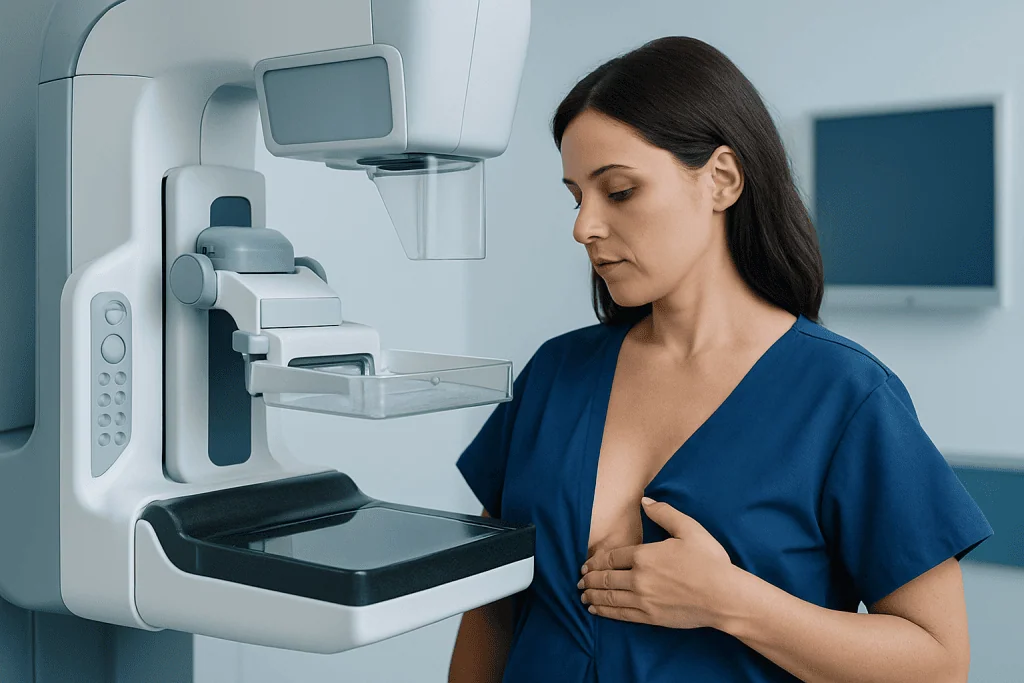
One common pattern is simple chafing or moisture irritation. In pictures, this may appear as diffuse pink or red skin in the fold, sometimes with tenderness, a raw feeling, or mild peeling. It often develops during hot weather, exercise, or after wearing a tight or poorly fitting bra that traps sweat and rubs the skin.
Another frequent pattern is yeast-related intertrigo, often caused by Candida. Pictures may show a brighter red rash with a shiny surface, soreness or itch, and small red spots or bumps around the main area, sometimes called satellite lesions. This type is more likely when the skin stays damp for long periods or when there are risk factors such as diabetes, recent antibiotic use, or a weakened immune system.
Eczema or contact dermatitis can also occur beneath the breast. Images may show red, itchy, dry, flaky, or thickened skin, sometimes affecting nearby areas where a detergent, soap, fabric dye, fragrance, or bra material touched the skin. Heat rash tends to cause many tiny bumps or prickly discomfort after sweating, while inverse psoriasis may look smooth, sharply defined, and red with less scaling than psoriasis on other body areas.
Because these patterns can overlap, photos should be treated as a clue rather than a conclusion. A persistent rash beneath the breast can sometimes be related to other skin disorders, including eczema or psoriasis, which may need a different treatment approach than a simple sweat rash.
Symptoms That Help Differentiate the Cause

The location alone does not identify the cause, so symptoms matter. Itching is common with yeast, eczema, and contact dermatitis. Burning, stinging, or tenderness may be more noticeable with friction, skin breakdown, or an irritant exposure. A moist, shiny, or macerated surface suggests trapped sweat and prolonged dampness.
Changes in texture can also be informative. Dry flakes or crusting may occur with eczema or allergic reactions, while smooth redness in the fold may fit intertrigo or inverse psoriasis. Small surrounding pustules or scattered red bumps are often described in yeast-related rashes. If the skin cracks or fissures, movement may become painful and infection risk can increase.
Some symptoms suggest the need for quicker evaluation. These include spreading redness, warmth, swelling, pus, fever, severe pain, open sores, or a foul smell. In addition, a skin change on or around the breast that does not behave like a typical rash should not be ignored, especially if there is nipple change, a lump, skin dimpling, or a rash affecting only one side for no clear reason.
Causes and Risk Factors
The most common underlying cause is a combination of heat, moisture, and friction in the inframammary fold, the crease beneath the breast. Sweat can collect there, especially in warm climates, during exercise, or when clothing does not allow enough airflow. Repeated rubbing weakens the skin barrier, making it easier for irritation or infection to develop.
Yeast and other microorganisms can take advantage of this environment. Candida thrives in warm, damp skin folds, so people who perspire heavily or have prolonged moisture exposure may be more prone to this type of rash. Bacterial infection is less common than simple intertrigo or yeast, but it can occur, especially if the skin becomes broken or there is significant inflammation.
Several factors can increase the risk of an under-breast rash:
- Larger breast folds or close skin-to-skin contact
- Hot or humid weather
- Heavy sweating or exercise
- Tight, non-breathable, or poorly fitting bras
- Diabetes or blood sugar that is not well controlled
- Recent antibiotic use
- Eczema, psoriasis, or sensitive skin
- Limited mobility or difficulty keeping the area dry
Skin reactions can also come from external triggers such as fragranced soaps, lotions, laundry products, adhesives, or synthetic fabrics. In some people, more than one issue is present at the same time, such as chafing with secondary yeast overgrowth. That is one reason a medical assessment may be useful if home care is not helping.
How Doctors Diagnose an Under-Breast Rash
Diagnosis usually begins with a clinical history and skin examination. A doctor will ask how long the rash has been present, whether it itches or burns, whether it comes and goes, and whether there are triggers such as sweating, a new bra, detergent, skin product, or recent illness. They may also ask about diabetes, prior fungal infections, eczema, and medications.
In many cases, the rash can be identified based on its appearance and location. However, if the cause is unclear, the rash is severe, or treatment has failed, additional testing may be considered. This can include a skin swab, scraping, or fungal test to look for yeast or bacteria. Sometimes patch testing is used if contact allergy is suspected.
If there is concern about another breast condition rather than a routine fold rash, the clinician may recommend further assessment. Depending on the symptoms, this can include imaging or evaluation by a breast specialist. When the appearance suggests a noninfectious inflammatory skin disorder or a more complex diagnosis, referral for dermatology evaluation may be the most helpful next step.
Treatment Options
Treatment depends on the cause. For mild moisture rash or chafing, the main goals are to reduce friction, dry the area gently, and protect the skin barrier. A doctor may suggest breathable clothing, a well-fitting supportive bra, careful cleansing, and a barrier product if appropriate. If the rash is mainly due to sweat and rubbing, these measures may be enough.
If yeast is suspected, antifungal treatment may be recommended. If eczema or contact dermatitis is more likely, a clinician may advise avoiding triggers and using anti-inflammatory treatment for a limited time. Bacterial infections may require different therapy. Because steroid creams can worsen some fungal rashes if used incorrectly, it is best not to self-treat for long without guidance when the diagnosis is uncertain.
Persistent, recurrent, or severe cases may need a more individualized plan, especially if there is diabetes, psoriasis, or another skin disorder involved. In selected situations, a doctor may also recommend breast reduction if chronic friction and moisture under very heavy breasts are contributing to repeated skin problems and discomfort, though this is not a routine treatment for most rashes.
If the rash is part of a broader breast concern, such as unexplained skin changes that need closer evaluation, people may be referred to breast health services alongside skin assessment. Near the end of the care pathway, Acibadem International’s multidisciplinary specialists and JCI-accredited hospitals diagnose and treat skin and breast conditions for international patients when more advanced evaluation is needed.
Prevention and Self-Care
Prevention focuses on keeping the fold under the breast clean, cool, and dry. After bathing or sweating, the area should be dried gently rather than rubbed harshly. Breathable cotton or moisture-wicking fabrics may help reduce sweat retention. During exercise or hot weather, changing out of damp clothing promptly can make a difference.
A supportive, properly fitting bra can reduce rubbing and allow better airflow. Some people benefit from avoiding heavy creams or fragranced products in the fold if these trap moisture or irritate the skin. If the skin is sensitive, using mild, fragrance-free cleansers and laundry products may help prevent contact irritation.
General health measures can also reduce recurrence. Managing blood sugar well in diabetes, treating underlying skin conditions, and seeking advice for repeated yeast infections can be important. If a rash keeps coming back despite careful hygiene and clothing changes, the problem may not be simple chafing and should be reviewed by a clinician.
When to Seek Medical Care
A mild rash that appears after sweating or friction may improve with simple self-care over several days. Medical advice is important, however, if the rash lasts more than about one to two weeks, keeps returning, or does not improve with keeping the area dry and reducing irritation. A clinician can determine whether the cause is fungal, inflammatory, allergic, or related to another breast or skin condition.
Prompt evaluation is recommended if there is severe pain, rapidly spreading redness, marked swelling, pus, fever, bleeding, open cracks, or a bad odor. These features can suggest a more significant infection or skin breakdown. It is also wise to seek care sooner if there is diabetes, immune suppression, or a history of recurrent skin infections.
Any unusual breast skin change deserves attention if it is one-sided, associated with nipple discharge, a new lump, dimpling, or skin thickening, or if it looks unlike a typical sweat rash. In those situations, a doctor may consider whether the symptom is better explained by a breast condition rather than a simple rash.
Frequently asked questions
What do rash under breast pictures usually show?
They most often show patterns linked to chafing, moisture irritation, yeast overgrowth, eczema, contact dermatitis, or heat rash. Pictures can help a person compare features such as redness, scaling, shine, and small bumps, but they cannot confirm the cause on their own.
How can someone tell if an under-breast rash is yeast?
A yeast rash often looks bright red, sore, and somewhat shiny in the skin fold. It may itch and can have small red spots or bumps around the main rash. Even so, other rashes can look similar, so a doctor may be needed to confirm it.
Can a rash under the breast go away on its own?
A mild rash caused by heat, sweat, or rubbing may improve with better airflow, dryness, and less friction. If symptoms persist, worsen, or keep returning, medical evaluation is important because the rash may need antifungal, anti-inflammatory, or other treatment.
Is an under-breast rash always caused by poor hygiene?
No. Many people develop these rashes because the area naturally traps heat and moisture, especially during exercise or hot weather. Skin sensitivity, diabetes, eczema, psoriasis, and clothing friction can all contribute even when hygiene is good.
What should be avoided when treating a rash under the breast at home?
It is best to avoid harsh scrubbing, heavily fragranced products, and prolonged self-treatment with random creams when the cause is unclear. Some medications, especially steroid creams, can make certain fungal rashes worse if used inappropriately.
When should a breast rash be checked urgently?
Urgent medical care is recommended if there is severe pain, fever, spreading redness, pus, swelling, open skin, or signs of significant infection. A breast rash should also be evaluated promptly if it is one-sided, associated with a lump or nipple changes, or does not act like a typical skin-fold rash.
References
- American Academy of Dermatology
- National Health Service
- Mayo Clinic
- MedlinePlus
- American Academy of Family Physicians
This article is for general information only and is not a substitute for professional medical advice. Please consult a qualified doctor about your individual situation.
Explore treatments in Turkey — costs, top hospitals & a free quote
JCI-accredited · board-certified surgeons · reply within 24h
Add us as a Preferred Source to see more of our trusted health content across Google Search, AI Overviews and Discover.