Rds Treatment: How It Works, Results and What to Expect

Respiratory distress syndrome (RDS) most commonly affects premature newborns because their lungs may not yet produce enough surfactant. Surfactant replacement and non-invasive breathing support are central parts of modern RDS treatment.
Key Takeaways
- Respiratory distress syndrome (RDS) most commonly affects premature newborns because their lungs may not yet produce enough surfactant.
- Surfactant replacement and non-invasive breathing support are central parts of modern RDS treatment.
- The greatest risk factor for newborn RDS is prematurity, particularly birth well before the lungs have matured.
- Many babies improve over days to weeks, although recovery depends on gestational age, severity and other health conditions.
- Acute respiratory distress syndrome (ARDS) is a different condition that can affect children and adults and may require a longer recovery.
RDS treatment usually involves supporting a newborn’s breathing while immature lungs begin working more effectively. Care may include warmth, oxygen, continuous positive airway pressure (CPAP), surfactant medicine and, when needed, mechanical ventilation in a neonatal intensive care unit.
RDS treatment: how it works
RDS treatment helps a newborn breathe while the lungs mature and begin making enough surfactant naturally. Surfactant is a substance that coats the tiny air sacs in the lungs, helping them stay open after each breath. When there is too little surfactant, the air sacs can collapse more easily, making breathing hard work.
In newborn medicine, RDS usually means neonatal respiratory distress syndrome, sometimes called hyaline membrane disease. Treatment is individualized in a neonatal intensive care unit (NICU) and may range from careful observation and non-invasive breathing support to surfactant replacement and temporary mechanical ventilation. The immediate goals are to provide enough oxygen, reduce the effort of breathing and avoid lung injury from overly intensive support.
RDS is often the result of premature birth, since surfactant production increases during the later stages of pregnancy. However, breathing difficulty after birth can also have other causes, so clinicians assess each baby carefully before confirming the diagnosis and planning treatment.
Define RDS: its symptoms and treatments
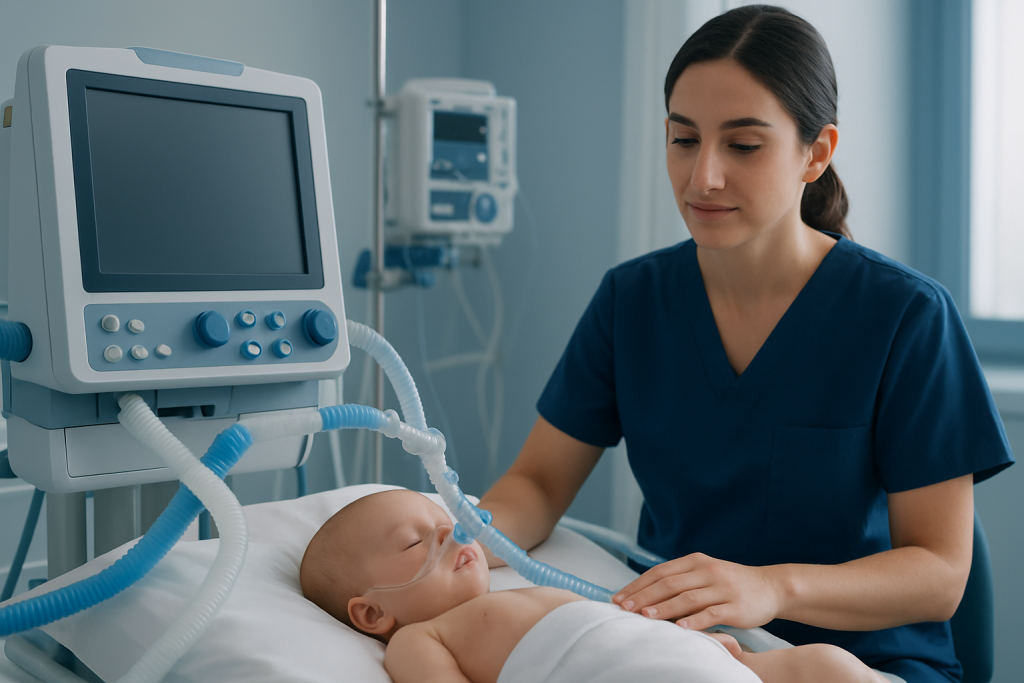
Respiratory distress syndrome is a breathing condition caused mainly by insufficient lung surfactant in newborns. It is most common in babies born early, but it may occasionally affect babies born closer to term when other factors interfere with normal lung adaptation after delivery.
Symptoms often begin shortly after birth and can include rapid breathing, grunting with exhalation, flaring nostrils, chest retractions, bluish or pale skin color, and difficulty feeding because breathing takes so much effort. These signs need urgent assessment by a neonatal team. They do not necessarily confirm RDS on their own, as infection, congenital heart conditions and other lung problems can cause similar symptoms.
Treatments may include warmth and glucose support, supplemental oxygen, CPAP, surfactant replacement, mechanical ventilation and treatment of related problems such as infection or low blood pressure. Feeding may be given through a tube or intravenously until the baby can coordinate sucking, swallowing and breathing safely.
Who may need treatment and how RDS is diagnosed

The greatest risk factor for respiratory distress syndrome (RDS) is prematurity. Babies born before 37 weeks, especially those born substantially earlier, have less time for their lungs to develop and for surfactant levels to rise. The likelihood may also be higher with maternal diabetes, cesarean delivery without labor in some circumstances, multiple pregnancy, a previous affected baby and certain complications around delivery.
Clinicians diagnose RDS by considering the baby’s gestational age, symptoms, oxygen needs and physical examination. A chest X-ray may show patterns consistent with underinflated lungs, while blood tests can measure oxygen, carbon dioxide and acid-base balance. Tests may also be used to look for infection or other conditions that could be contributing to respiratory distress.
Before an anticipated very preterm birth, clinicians may recommend corticosteroid injections for the pregnant person when appropriate. These medicines can accelerate fetal lung maturation and lower the chance or severity of newborn breathing complications. Decisions depend on the stage of pregnancy and the clinical situation.
Step-by-step: what RDS treatment may involve
Care begins immediately after birth with stabilization. The neonatal team keeps the baby warm, monitors breathing and oxygen levels, and provides respiratory support if needed. Many babies can be supported with CPAP, which delivers gentle continuous air pressure through small nasal prongs or a mask to help keep air sacs open.
If the baby needs more help, surfactant may be delivered directly into the windpipe through a breathing tube. In some settings, clinicians use less-invasive methods that allow surfactant to be given through a thin catheter while the baby remains on CPAP. The choice depends on the baby’s stability, breathing effort and local clinical expertise.
When CPAP and surfactant are not enough, a ventilator may temporarily take over some or all of the work of breathing. Fluids, nutrition and medicines are adjusted carefully, because premature babies are sensitive to changes in fluid balance and blood sugar. If infection is possible, antibiotics may be started while test results are pending and stopped if infection is ruled out.
RDS treatment guidelines generally emphasize early assessment, appropriate use of CPAP, selective early surfactant treatment and minimizing invasive ventilation whenever it can be done safely. Exact treatment plans vary according to the baby’s gestational age, symptoms and response to support.
How long does surfactant take to work?
Surfactant can begin improving lung function soon after it is given, and clinicians may see better oxygen levels or reduced breathing effort within minutes to hours. The response is not identical for every baby. Some infants need more than one dose, while others continue to need breathing support because their lungs are very immature or another medical issue is present.
After surfactant administration, the team watches the baby closely because oxygen and ventilator settings may need to be reduced promptly as the lungs become easier to inflate. This close monitoring helps avoid giving more oxygen or pressure than necessary.
Surfactant is generally well established in neonatal care, but it is given in a highly monitored setting. Temporary changes in heart rate, oxygen level or airway blockage can occur during administration, particularly when a breathing tube is used. The care team is prepared to respond to these changes.
Recovery timeline, benefits and possible complications
Recovery from newborn RDS varies widely. A baby born only slightly early may need support for a short period, while a very preterm baby may need respiratory assistance for weeks and ongoing NICU care for feeding, temperature control and growth. Improvement is usually gradual as the lungs mature, although the first several days can be particularly important.
The benefits of treatment are improved oxygen delivery, less work of breathing and a better opportunity for the lungs to remain open while they develop. The medical team aims to use the least intensive support that is safe, since prolonged oxygen exposure and mechanical ventilation can contribute to lung injury in very premature infants.
Possible complications depend on prematurity and illness severity. They can include air leaks around the lung, bleeding in the brain in very premature babies, infection, eye problems related to prematurity and a longer-term lung condition called bronchopulmonary dysplasia. These risks are not inevitable, and NICU teams monitor closely to identify and manage concerns early.
Parents can participate by asking for clear updates, providing expressed breast milk when possible, and learning how to support their baby’s comfort and development in the NICU. Before discharge, the team explains feeding, safe sleep, follow-up appointments and signs that require medical attention.
Does RDS go away on its own?
Newborn RDS can improve as a baby’s lungs mature and produce more surfactant, but clinically significant RDS should not be managed by waiting for it to resolve without medical care. Babies with breathing distress may need oxygen, CPAP, surfactant or ventilation to remain stable while this maturation occurs.
For mild breathing symptoms, the neonatal team may use close observation and limited support. More severe RDS requires prompt treatment because low oxygen levels and fatigue can develop quickly. With appropriate care, many babies make a good respiratory recovery, although very premature infants may need longer follow-up.
It is also important not to confuse newborn RDS with acute respiratory distress syndrome, abbreviated ARDS. ARDS is a severe inflammatory lung injury that can occur in older children and adults due to conditions such as pneumonia, sepsis, trauma or inhaled irritants. It has different causes, treatment approaches and expected recovery patterns.
How long does it typically take to recover from acute respiratory distress syndrome (ARDS)?
ARDS recovery can take weeks to months, and some people need longer rehabilitation. The timeline depends on the cause of ARDS, the severity of lung injury, the duration of intensive care, age, prior health and complications such as infection, weakness or delirium. Some people regain lung function well, while others experience ongoing shortness of breath, fatigue, reduced exercise tolerance or emotional effects after critical illness.
ARDS treatment focuses on addressing the underlying cause while supporting breathing safely. This may involve oxygen, lung-protective mechanical ventilation, careful fluid management, prone positioning in selected severe cases, nutrition, early rehabilitation and treatment of infections or other triggers. It is not treated with neonatal surfactant protocols.
Follow-up after ARDS is important. A clinician may review breathing, physical strength, sleep, mood, memory and return-to-work needs, and recommend pulmonary rehabilitation or other specialist care when appropriate.
When to seek medical care
A newborn with fast breathing, grunting, chest pulling in with breaths, poor feeding, pauses in breathing, unusual sleepiness, or blue, gray or very pale color needs urgent medical assessment. If these symptoms occur after leaving the hospital, emergency services should be contacted immediately rather than waiting for a routine appointment.
Pregnant people at risk of preterm delivery should seek prompt obstetric advice for regular contractions, vaginal bleeding, fluid leakage, severe abdominal pain or a notable reduction in fetal movement. Early assessment may allow clinicians to provide treatments that support fetal lung development when indicated.
Adults or children with sudden or worsening shortness of breath, blue lips, confusion, chest pain, persistent high fever or difficulty staying awake also need urgent medical care. Acibadem International’s multidisciplinary specialists and JCI-accredited hospitals support diagnosis and treatment for international patients who require coordinated respiratory and neonatal care.
Frequently asked questions
What is the main treatment for newborn respiratory distress syndrome?
The main treatments are breathing support and surfactant replacement when indicated. CPAP is commonly used to keep the air sacs open, while surfactant helps the lungs inflate more easily. Some babies also need oxygen, temporary ventilation, nutritional support and treatment for associated conditions.
What is the greatest risk factor for respiratory distress syndrome (RDS)?
Prematurity is the greatest risk factor because a premature baby’s lungs may not yet make enough surfactant. The earlier a baby is born, the greater the likelihood of RDS. Other factors, including maternal diabetes and some delivery circumstances, can also affect risk.
How long does surfactant take to work?
Surfactant may begin improving oxygen levels and lung mechanics within minutes to hours. The degree of improvement varies with the baby’s maturity and the severity of illness. Clinicians continue close monitoring because breathing support settings may need adjustment as the lungs respond.
Does RDS go away on its own?
RDS often improves as a newborn’s lungs mature, but significant symptoms require medical assessment and supportive treatment. Without appropriate care, breathing distress can worsen. NICU treatment helps the baby stay stable while natural lung development continues.
How long does it typically take to recover from acute respiratory distress syndrome (ARDS)?
ARDS recovery often takes weeks to months, and recovery may be longer after severe illness or a prolonged intensive care stay. Breathing, strength and energy can improve gradually. Ongoing medical follow-up and rehabilitation can be helpful for persistent symptoms.
Can respiratory distress syndrome be prevented?
Not every case can be prevented, but reducing avoidable preterm birth and providing appropriate prenatal care can lower risk. When preterm delivery is likely, clinicians may recommend antenatal corticosteroids to help fetal lungs mature. After birth, prompt specialized care can reduce the severity of complications.
References
- American Academy of Pediatrics
- European Consensus Guidelines on the Management of Respiratory Distress Syndrome
- National Heart, Lung, and Blood Institute
- World Health Organization
- Merck Manual Professional Edition
This article is for general information only and is not a substitute for professional medical advice. Please consult a qualified doctor about your individual situation.
Explore treatments in Turkey — costs, top hospitals & a free quote
JCI-accredited · board-certified surgeons · reply within 24h
Add us as a Preferred Source to see more of our trusted health content across Google Search, AI Overviews and Discover.
Check your numbers in seconds
BMI, calories, due date, blood pressure and 30+ more clinical calculators — free, instant, doctor-reviewed ranges.