Recovering From a Serious Brain or Nerve Infection: What Patients Can Expect
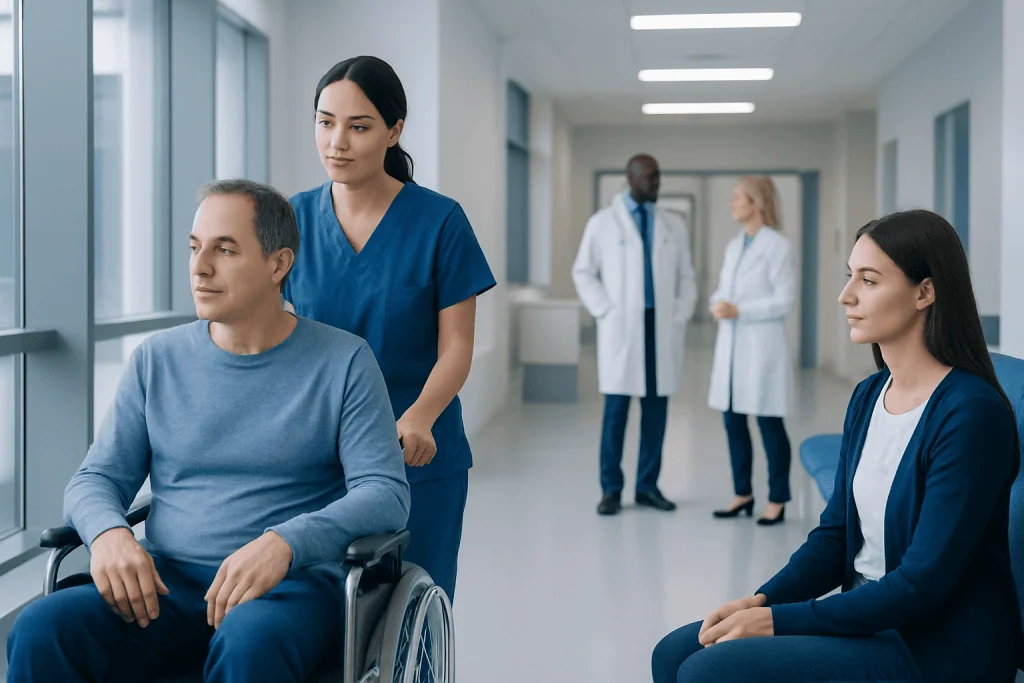
Recovery time varies widely depending on the infection, its severity, and how quickly treatment began. Symptoms can improve slowly and may include fatigue, weakness, headaches, memory changes, or mood changes during healing.
Key Takeaways
- Recovery time varies widely depending on the infection, its severity, and how quickly treatment began.
- Symptoms can improve slowly and may include fatigue, weakness, headaches, memory changes, or mood changes during healing.
- Rehabilitation such as physical, occupational, speech, or cognitive therapy may be an important part of recovery.
- Regular follow-up helps doctors monitor for complications, manage symptoms, and support safe return to daily activities.
- Urgent medical attention is needed for warning signs such as worsening confusion, seizures, severe headache, or new weakness.
Recovering from a serious brain or nerve infection can be a gradual process that differs from person to person. Many patients improve well with prompt treatment, rehabilitation, follow-up care, and support for physical, cognitive, and emotional recovery.
Overview: What recovery usually involves
Recovering from a serious brain or nerve infection often continues long after the initial infection has been treated. These infections may include meningitis, encephalitis, myelitis, brain abscess, or infections that affect the peripheral nerves. Even when the infection is controlled, the nervous system may need time to heal from inflammation, swelling, pressure changes, or injury to delicate tissues.
The recovery experience can vary greatly. Some people improve steadily over days to weeks, while others need months of rehabilitation and follow-up care. The course depends on factors such as the specific infection, how severe it was, the patient’s age and general health, whether there were complications such as seizures or stroke, and how quickly treatment began.
In the early stage, care usually focuses on finishing treatment, stabilizing symptoms, and preventing complications. Later, the main goals often shift to restoring strength, movement, speech, memory, concentration, sleep, and emotional well-being. This is why recovery plans may involve neurologists, infectious disease specialists, rehabilitation doctors, therapists, nurses, and mental health professionals.
Patients and families often feel reassured to know that improvement can continue over time. Recovery is not always linear. It is common to have good days and more difficult days, especially when fatigue is significant. Gradual progress, regular review, and realistic expectations can make the process easier to manage.
Common symptoms during recovery
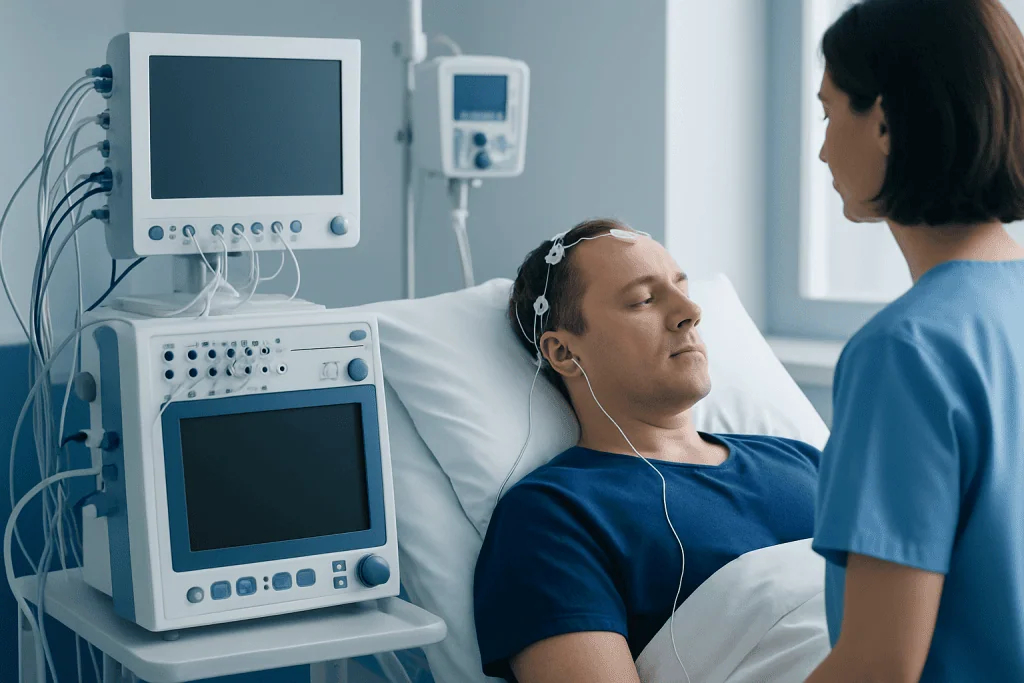
After a serious brain or nerve infection, lingering symptoms are common and do not always mean that the infection has returned. Many patients notice tiredness, poor stamina, headaches, dizziness, muscle weakness, numbness, pain, or balance problems. Daily tasks may take more effort than before, especially during the first weeks or months.
Some patients also experience changes in thinking and communication. These can include slowed processing, trouble finding words, reduced attention, memory difficulties, or feeling mentally overwhelmed in noisy or busy environments. If the infection affected the brain directly, symptoms may resemble those seen after other neurological illnesses such as stroke.
Emotional symptoms are also important. Anxiety, low mood, irritability, sleep disturbance, and frustration are common during recovery from a serious illness. Patients may feel discouraged if progress seems slow. Family members may also notice personality changes or reduced tolerance for stress while the brain and nervous system heal.
- Physical symptoms: weakness, tremor, coordination problems, nerve pain, headaches, visual changes
- Cognitive symptoms: memory issues, attention difficulties, slower thinking, confusion
- Emotional symptoms: anxiety, low mood, irritability, sleep disruption
- Functional symptoms: trouble returning to work, school, driving, or exercise
What affects recovery time and outcome

No single timeline applies to everyone. Recovery may be shorter after a mild infection treated quickly, while severe inflammation or complications can lengthen healing. In general, people tend to recover better when diagnosis is made early and treatment starts promptly. Delays can increase the risk of lasting neurological symptoms.
The type of infection also matters. Viral encephalitis, bacterial meningitis, fungal infections, tuberculosis affecting the nervous system, and abscesses can each have different patterns of injury and recovery. Infections that affect the spinal cord or peripheral nerves may lead to weakness, sensory loss, or bladder problems that improve gradually over time.
Other important factors include the need for intensive care, whether surgery was required, how long fever or altered consciousness lasted, and whether there were complications such as seizures, hydrocephalus, blood clots, or hearing loss. Existing health conditions, immune status, and age may also influence recovery speed and rehabilitation needs.
Doctors usually watch closely for long-term effects linked to the original condition. For example, someone recovering after meningitis or encephalitis may need follow-up for headaches, seizures, hearing or vision changes, concentration problems, and school or work difficulties. Knowing these possibilities helps families prepare without assuming they will occur in every case.
How doctors monitor recovery
Follow-up care is an important part of recovery from a serious brain or nerve infection. Doctors review symptoms, examine the nervous system, and assess how the patient is functioning at home, school, or work. They may ask about sleep, mood, memory, walking, pain, bladder function, and whether the patient is able to resume daily tasks safely.
Depending on the original infection, follow-up may include blood tests, repeat brain or spine imaging, hearing tests, eye checks, or neuropsychological evaluation. If symptoms such as confusion, seizures, or weakness persist, additional neurological assessment may be needed. When indicated, teams may use neurological rehabilitation to measure deficits and guide a recovery plan.
Medication review is also important. Some patients continue medicines for seizures, pain, inflammation, or complications after the acute infection. Doctors help decide when treatment should continue, change, or stop. Patients should not stop prescription medicines on their own, especially antiepileptic or steroid-related treatment, unless their doctor advises it.
Because recovery can change over time, care is often adjusted in stages. Early goals may focus on medical stability and basic mobility. Later goals may include energy management, memory strategies, return-to-work planning, and exercise progression. This step-by-step approach helps recovery stay realistic and individualized.
Treatment and rehabilitation after the infection
Once the infection itself has been treated with the appropriate medicine, further care focuses on recovery from its effects. This may include rest, nutrition support, hydration, pain management, treatment for seizures if needed, and management of any remaining inflammation or complications. Some patients may need continued inpatient care, while others can recover at home with regular follow-up.
Rehabilitation can be one of the most important parts of healing. Physical therapy may help with strength, balance, walking, and endurance. Occupational therapy can support everyday skills such as dressing, bathing, cooking, and returning to work. Speech and language therapy may be helpful for swallowing, communication, or cognitive-linguistic changes. For selected patients, doctors may recommend physical therapy and rehabilitation as part of a wider recovery plan.
If there is concern about ongoing seizures, seizure-like episodes, or changes in awareness, further evaluation may include epilepsy monitoring. This helps specialists understand whether symptoms are related to residual brain irritation and what treatment is most appropriate. Persistent weakness, numbness, or pain after nerve involvement may also be evaluated with nerve and muscle testing.
Recovery is not only physical. Emotional health support matters as well. Counseling, sleep support, stress management, and family education can all improve quality of life. In complex cases, multidisciplinary centers may coordinate neurology, infectious diseases, rehabilitation, and supportive care. Near the end of the recovery pathway, some international patients seek evaluation at Acibadem International, where multidisciplinary specialists in JCI-accredited hospitals diagnose and treat neuroinfectious conditions and their after-effects.
Self-care and returning to daily life
During recovery, pacing is often more helpful than trying to return to normal too quickly. Fatigue after a brain or nerve infection can be significant, and overexertion may temporarily worsen symptoms. Many patients benefit from a structured routine with planned rest breaks, consistent sleep habits, gentle activity, and gradual increases in physical and mental demands.
Good nutrition, hydration, and regular medication use can support recovery. It can also help to keep a simple record of symptoms, triggers, and progress between appointments. Families may notice changes before the patient does, particularly with memory, judgment, or mood, so their observations can be valuable during follow-up visits.
Returning to work, school, exercise, or driving should be discussed with a doctor. Some people are ready sooner than others, while some need a staged return or temporary adjustments. If there have been seizures, changes in consciousness, or major cognitive symptoms, safety guidance is especially important before driving or operating machinery.
- Build activity slowly and allow recovery time between tasks.
- Protect sleep with a consistent routine and reduced late-night stimulation.
- Use reminders, notes, or phone alerts for memory support.
- Ask about hearing, vision, or balance assessment if daily functioning is affected.
- Seek emotional support if mood changes, fear, or stress become difficult to manage.
When to seek urgent medical advice
Most symptoms improve gradually, but some warning signs need prompt medical attention. Patients should seek urgent care if there is worsening confusion, severe or unusual headache, new fever, repeated vomiting, seizures, fainting, new weakness, new numbness, trouble speaking, difficulty breathing, or a major change in alertness. These symptoms can suggest a complication or a new neurological problem.
It is also important to contact a doctor if recovery seems to stall or worsen rather than slowly improve. Persistent severe fatigue, worsening balance, increasing pain, or new bladder or bowel problems may need reassessment. In some situations, doctors may need to look for delayed complications such as inflammation, medication side effects, or another condition affecting the nervous system.
Families and caregivers play a key role because the patient may not always recognize changes clearly. Written discharge instructions, emergency contact numbers, and follow-up plans can make this stage less stressful. Asking questions and reporting new symptoms early can help the medical team respond quickly.
Although recovery can feel uncertain, many patients make meaningful progress with proper treatment, rehabilitation, and monitoring. A qualified doctor can explain what is expected in each individual case and how best to support healing in the weeks and months ahead.
Frequently asked questions
How long does it take to recover from a serious brain or nerve infection?
Recovery time varies widely. Some people improve over weeks, while others need several months or longer, especially if the infection caused significant inflammation or neurological symptoms. A doctor can give a more personalized estimate based on the type of infection and the patient’s progress.
Is it normal to feel very tired after a brain or nerve infection?
Yes. Fatigue is one of the most common symptoms during recovery and can affect both physical and mental activity. It often improves gradually, but pacing, rest, and follow-up care are important if tiredness is severe or persistent.
Can memory and concentration problems improve after neuroinfection?
They often can improve, especially with time, rest, and rehabilitation. Some patients benefit from cognitive therapy, structured routines, and memory aids. If these symptoms interfere with daily life, formal assessment may help guide treatment.
Will a patient need rehabilitation after leaving the hospital?
Some patients do, and some do not. Rehabilitation depends on whether the infection affected strength, balance, speech, swallowing, thinking, or daily functioning. A tailored plan may include physical, occupational, speech, or cognitive therapy.
Can seizures happen during recovery?
Yes, in some cases, especially if the brain was irritated or inflamed during the illness. Any seizure, seizure-like event, or sudden change in awareness should be reported to a doctor promptly. Treatment and monitoring can help manage this risk.
When can someone return to work, school, or driving?
This depends on symptoms, energy level, thinking ability, and whether there have been seizures or major neurological deficits. Many people need a gradual return with adjustments. It is safest to follow a doctor’s advice before driving or resuming demanding activities.
References
- World Health Organization
- Centers for Disease Control and Prevention
- National Institute of Neurological Disorders and Stroke
- Mayo Clinic
- Infectious Diseases Society of America
This article is for general information only and is not a substitute for professional medical advice. Please consult a qualified doctor about your individual situation.
Explore treatments in Turkey — costs, top hospitals & a free quote
JCI-accredited · board-certified surgeons · reply within 24h
Add us as a Preferred Source to see more of our trusted health content across Google Search, AI Overviews and Discover.

More from the Health Library



Related Specialists

Assoc. Prof. Dr. Sema Aylan Gelen
Pediatric Hematology
Dr. Afssane Nikain
Pediatrics
Dr. Rehile Zengin
Infectious Diseases & Clinical Microbiology
Prof. Dr. Özgür Fırat
General Surgery