Recovering From an Infection: What to Expect and How to Support Healing

Recovery from an infection can continue after fever, pain, or other main symptoms begin to improve. Tiredness, reduced appetite, and mild weakness are common during healing and may last for some time.
Key Takeaways
- Recovery from an infection can continue after fever, pain, or other main symptoms begin to improve.
- Tiredness, reduced appetite, and mild weakness are common during healing and may last for some time.
- Rest, fluids, balanced meals, medicines taken as prescribed, and gradual return to normal activity can support recovery.
- New, worsening, or returning symptoms may signal a complication or a different condition and should be assessed by a doctor.
- Recovery time depends on the type of infection, overall health, age, and whether treatment started promptly.
Recovering from an infection often continues even after the main symptoms improve. Understanding what is normal during infection recovery can help a person support healing, rebuild strength, and know when medical advice is needed.
Overview: what recovery from an infection usually looks like
Recovering from an infection is often a gradual process rather than a sudden return to normal. Even when the body has started to control the infection, inflammation may still be settling down and tissues may still be healing. For this reason, a person may notice that symptoms such as tiredness, cough, soreness, or poor appetite improve step by step over days or weeks.
The exact recovery pattern depends on the cause of the infection, which part of the body was affected, and the person’s general health. A mild viral illness may improve with home care alone, while a bacterial infection that required antibiotics or a hospital stay can take longer. Recovery may also be slower in older adults, young children, pregnant people, and those with chronic illnesses or weakened immunity.
Many people expect to feel fully well as soon as fever ends or treatment starts working. In reality, the body still needs time to restore energy, replace fluids, repair tissues, and rebalance normal daily functions. This healing period is a normal part of infection recovery and does not always mean the infection is still active.
Common signs of healing and symptoms that may linger
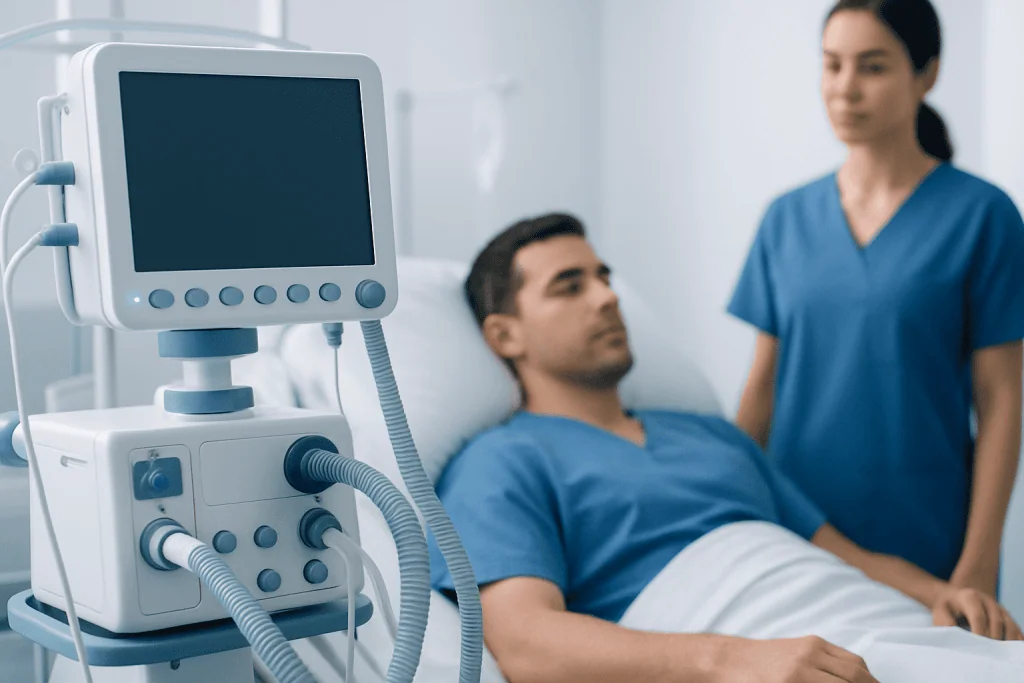
As recovery begins, the most important sign is a general trend toward improvement. Fever may settle, pain may lessen, breathing may become easier, bowel symptoms may calm, or skin redness may fade. Energy often returns slowly rather than all at once, and sleep needs may remain higher than usual for a short time.
Some symptoms can linger even after the infection has been treated appropriately. A cough after a respiratory illness, weakness after stomach flu, or reduced stamina after a more severe infection can be part of normal healing. It is also common to have mild body aches, reduced concentration, low appetite, or temporary weight loss while the body recovers.
Common lingering symptoms can include:
- Fatigue or feeling easily tired
- Mild weakness
- Reduced appetite
- Interrupted sleep
- A lingering cough after a chest infection
- Mild digestive upset after gastrointestinal infection or antibiotics
Although these symptoms are often expected, they should gradually improve. If they become worse instead of better, or if entirely new symptoms appear, medical review is important.
What affects recovery time

There is no single timetable for recovering from an infection. Recovery can be influenced by the type of germ involved, the location and severity of the illness, and whether treatment was needed. For example, recovery from a simple upper respiratory infection may be faster than recovery from pneumonia, a kidney infection, or a serious skin infection.
A person’s baseline health matters as well. Conditions such as diabetes, lung disease, kidney disease, heart disease, cancer, poor nutrition, or immune suppression can make healing slower. Smoking, lack of sleep, dehydration, and high stress may also delay recovery and make fatigue feel more noticeable.
Treatment-related factors can play a role. Antibiotics may be necessary for some bacterial infections, but they do not treat viral infections. Certain medicines can also cause side effects such as nausea, loose stools, or reduced appetite, which may affect how quickly a person feels normal again. If symptoms are severe or recovery is unexpectedly slow, doctors may investigate possible complications or another diagnosis, including illnesses such as sepsis in urgent settings.
How to support healing at home
Home care during infection recovery focuses on helping the body rest, rehydrate, and rebuild strength. Adequate sleep is one of the most important parts of healing, because the immune system and many repair processes work best when the body is rested. Short periods of rest during the day may also help if energy levels are low.
Fluids are especially important after fever, diarrhea, vomiting, or sweating. Water, soups, and other hydrating drinks can support circulation and prevent dehydration. Eating regular, balanced meals can also help recovery, even if appetite is reduced. Simple foods that provide protein, fruits, vegetables, and whole grains may be easier to tolerate while strength returns.
Helpful self-care steps include:
- Taking prescribed medicines exactly as directed
- Finishing antibiotics when they have been prescribed for a bacterial infection
- Resting without staying completely inactive for too long
- Returning to activity gradually, based on energy and symptoms
- Avoiding smoking and limiting alcohol while recovering
- Monitoring temperature or other symptoms if advised by a doctor
It is usually best to increase normal activity slowly. Gentle walking or light movement may support circulation and reduce stiffness, but pushing too hard too soon can worsen fatigue. If recovery follows a more serious illness, some people may benefit from structured follow-up or physical therapy and rehabilitation to rebuild strength and endurance.
Medicines, follow-up care, and medical assessment
Proper treatment can make a major difference to recovery. If a doctor has prescribed antibiotics, antivirals, antifungals, inhalers, pain relief, or other medicines, these should be used as instructed. Stopping treatment too early or using leftover medicines without guidance can make recovery less effective and may contribute to complications or antimicrobial resistance.
Follow-up care may be recommended after certain infections, especially those affecting the lungs, kidneys, skin, or bloodstream. A doctor may reassess symptoms, listen to the chest, examine the infected area, or order tests if improvement is slower than expected. In some cases, laboratory tests or check-up appointments help confirm that inflammation is settling and no further treatment is needed.
If symptoms persist or the original diagnosis is uncertain, doctors may look for related conditions or complications. For example, lingering cough or fever may need further evaluation, and severe chest infections may overlap with conditions such as pneumonia. Depending on symptoms, medical teams may also use diagnostic imaging and radiology to assess the lungs, abdomen, or other affected areas.
Prevention of setbacks and protecting others
During recovery, preventing relapse and reducing the spread of infection are both important. Good hand hygiene, covering coughs and sneezes, cleaning commonly touched surfaces, and staying home when still contagious can help protect family members, coworkers, and the wider community. The period of contagiousness varies depending on the infection, so it is sensible to follow medical advice about returning to work, school, travel, or social activities.
It is also helpful to avoid exposures that may place extra strain on the body while it heals. This may include cigarette smoke, intense exercise too early, inadequate sleep, or skipping meals. People recovering from gastrointestinal infections should be particularly careful with food safety, hydration, and handwashing.
Longer-term prevention matters too. Staying up to date with recommended vaccines, managing chronic health conditions, maintaining a nutritious diet, and seeking medical advice early when new symptoms appear can reduce the chance of severe illness in the future. These measures support both immune health and safer recovery if another infection occurs.
When to see a doctor
A doctor should be consulted if a person is not improving as expected, if symptoms return after getting better, or if recovery seems unusually slow. Ongoing high fever, worsening pain, breathing difficulty, confusion, dehydration, or inability to eat and drink normally are especially important warning signs. These symptoms may suggest that the infection is not fully controlled or that a complication has developed.
People at higher risk of complications should seek medical advice earlier. This includes infants, older adults, pregnant people, and those with weakened immunity or chronic diseases. It is also wise to seek review if medicine side effects are significant or if there is uncertainty about how long symptoms should last.
Urgent medical care is needed for severe shortness of breath, chest pain, blue lips, fainting, seizures, severe drowsiness, or signs of serious dehydration. Near the end of recovery planning, some people may also want specialist follow-up. Acibadem International’s multidisciplinary specialists in JCI-accredited hospitals diagnose and treat infectious conditions for international patients when further assessment or coordinated care is needed.
Frequently asked questions
How long does it take to recover from an infection?
Recovery time varies widely depending on the type of infection, its severity, and the person’s overall health. Some mild infections improve within a few days, while others may take several weeks before energy and appetite return fully.
Is it normal to feel tired after an infection?
Yes, fatigue is one of the most common symptoms during recovery from an infection. The body uses energy to fight infection and repair tissues, so it is normal for strength to return gradually.
Should a person finish antibiotics if they already feel better?
If antibiotics have been prescribed, they should usually be taken exactly as directed unless a doctor advises otherwise. Stopping them early can sometimes allow the infection to return or make treatment less effective.
Can symptoms come back during recovery?
Mild day-to-day variation can happen, especially with tiredness or cough. However, if symptoms clearly return, become worse, or new symptoms appear, a doctor should assess whether there is a complication, a new infection, or another cause.
What foods help when recovering from an infection?
Most people benefit from simple, balanced meals that include protein, fruits, vegetables, and enough fluids. If appetite is low, smaller meals more often may be easier to manage while the body regains strength.
When is fatigue after infection not normal?
Fatigue deserves medical review if it is severe, steadily worsening, or lasting much longer than expected for the illness. It should also be checked if it comes with breathlessness, chest pain, weight loss, persistent fever, or difficulty with everyday activities.
References
- World Health Organization
- Centers for Disease Control and Prevention
- National Health Service
- Mayo Clinic
- MedlinePlus
This article is for general information only and is not a substitute for professional medical advice. Please consult a qualified doctor about your individual situation.
Explore treatments in Turkey — costs, top hospitals & a free quote
JCI-accredited · board-certified surgeons · reply within 24h
Add us as a Preferred Source to see more of our trusted health content across Google Search, AI Overviews and Discover.